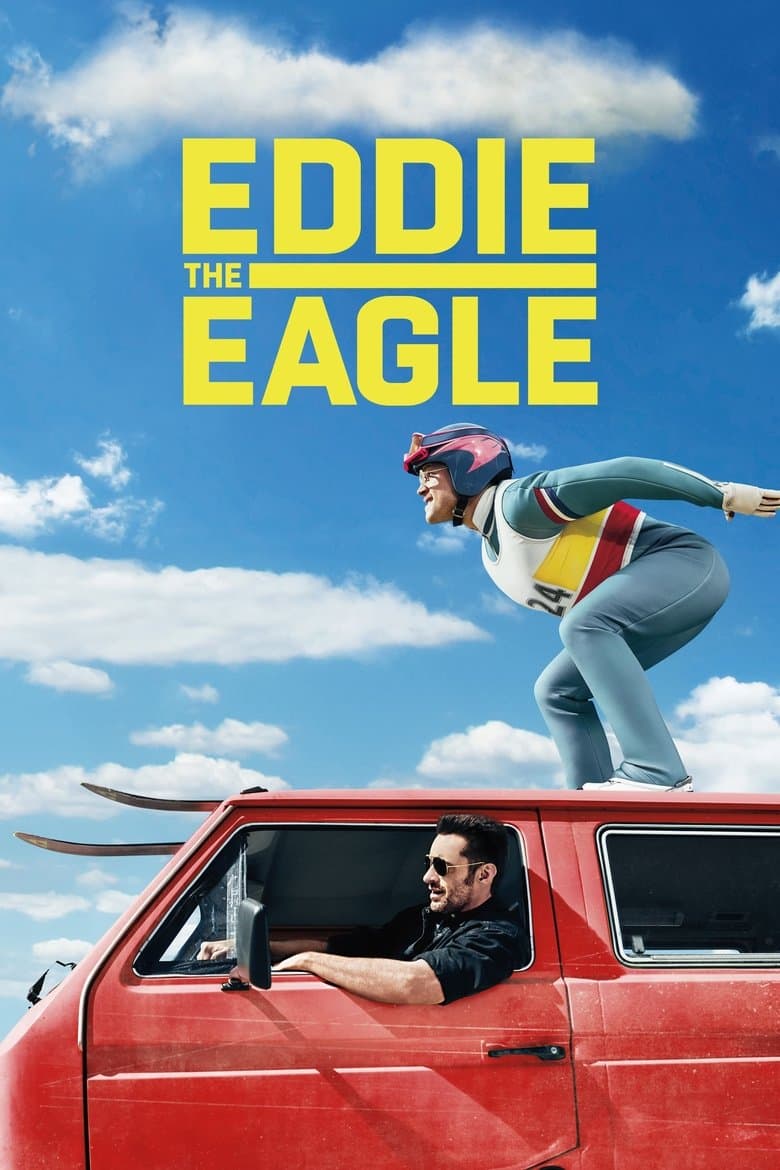
Eddie the Eagle follows Michael “Eddie” Edwards, a working-class British man who dreams of reaching the 1988 Winter Olympics. He is not a strong athlete, but he finds a way into ski jumping and trains in Europe with Bronson Peary, a rough American coach. Eddie faces doubt from his father, sports officials, and other jumpers before he reaches Calgary. The film uses jokes, music, falls, and warm family moments to tell a cheerful underdog story.
The story centers on courage, hard work, and the joy of taking part even when a person cannot win. Eddie does not become a champion, and the film treats his last-place jumps as a personal success. The film shows him winning public respect by refusing to quit and by staying kind after people laugh at him. His family and coach help him face fear, shame, and failure while he follows a dream that matters to him. The ending celebrates effort, friendship, and the Olympic spirit more than medals or fame.
Community feedback
Was our 4% Woke rating accurate?
Breakdown
These are the editorial factors and ratings behind our score for Eddie the Eagle.
Woke representation / casting
Not present in this title.
0%
Woke political dialogue
Not present. No activist speeches, identity-based arguments, or modern political language; dialogue stays on training, personal drive, family support, and comedic sports situations.
0%
Identity-driven story themes
Not present. The story follows one man's individual battle with self-doubt and bureaucracy to achieve a personal goal; class-based underdog elements appear but lack race, gender, sexuality, or group-identity framing.
0%
Western institutional / cultural critique
Not present in this title.
0%
Woke character or canon changes
Not relevant. Fictional additions like the coach and dramatized events follow standard biopic license; no identity-driven swaps or reinterpretations of real historical figures.
0%
Anti-woke backlash and complaints
One 2020 Reddit thread called the film a participation-trophy story. The writer claimed that its praise for Eddie's last-place result came from a cultural-Marxist plan. The post was small and fringe, and the comments did not show a larger film controversy. No major news outlet reported an anti-woke campaign against the movie.
12%
Creator track record context
Fletcher has no known public activist record. Richmond, the writers, and the main producers show little link to identity-driven activism. Fletcher later directed Rocketman, a queer music biopic, while some producers have broad charity or environmental ties. The team therefore adds only a weak creator track record context.
9%
Production
