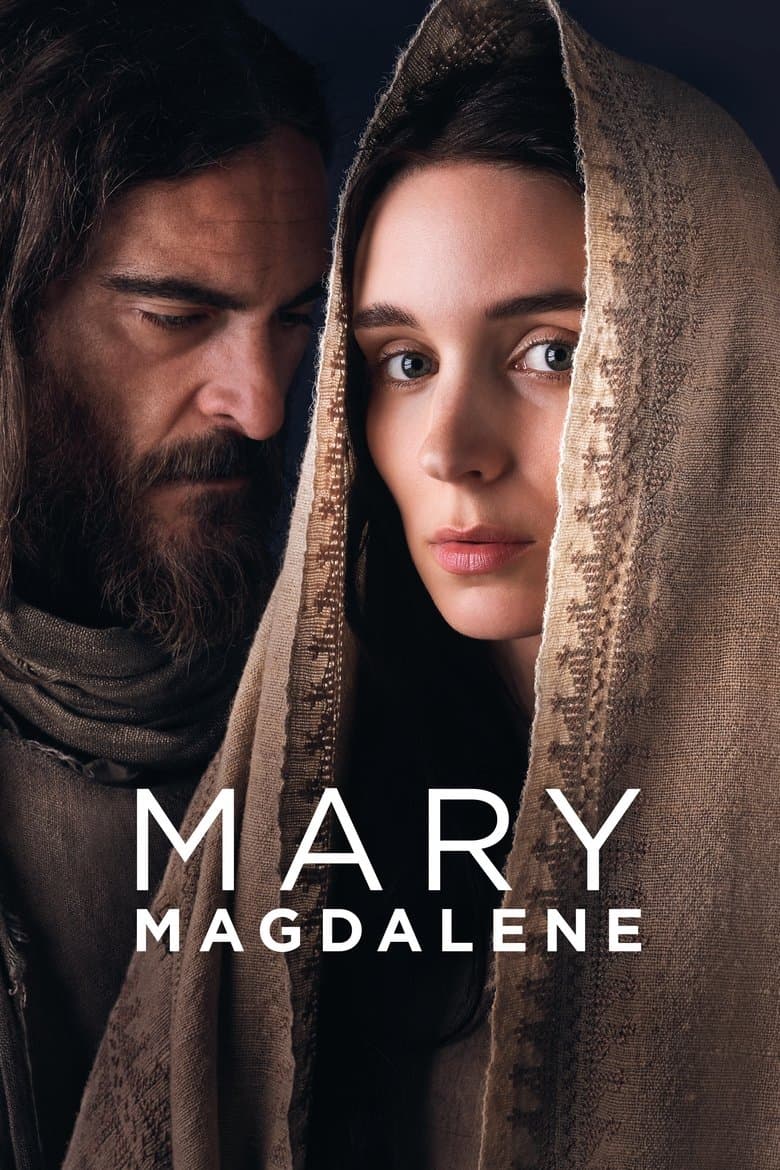
Mary Magdalene follows a young woman in first-century Galilee who refuses the marriage her family arranges for her. She leaves home and joins Jesus after his message gives her a new purpose. Mary travels with the group to Jerusalem as Jesus faces growing danger, the Roman authorities, and his own followers’ hopes for a violent uprising. The film has a quiet, serious tone and focuses more on inner faith than action.
Mary becomes the only woman in Jesus’s close group, and the story presents her as the follower who understands his message most clearly. She rejects the idea that women must obey fathers and husbands, while Peter and other men treat her views with doubt or anger. The film turns her into a strong spiritual leader who explains that God’s kingdom grows through love, forgiveness, and care rather than force. This female-centered retelling is a major part of the story, even though the film also keeps Jesus, his death, and the Resurrection at its center.
Community feedback
Was our 82% Woke rating accurate?
Breakdown
These are the editorial factors and ratings behind our score for Mary Magdalene.
Woke representation / casting
Mary and Jesus are played by white Western actors in a story set in first-century Galilee. Chiwetel Ejiofor plays Peter, a major apostle, in a visible identity choice that does not closely match the local setting. The film does not strongly market the casting as a diversity program. The main identity message comes from Mary’s gender rather than race.
30%
Woke political dialogue
Jesus tells women to follow God even when fathers and husbands demand something else. Mary speaks against a world where women must marry, obey, and stay out of religious teaching. The men also argue about freedom to speak and whether the kingdom should come through force or care. These ideas recur in the religious story without naming modern parties or laws.
30%
Identity-driven story themes
Mary’s refusal of an arranged marriage starts the main conflict. The film repeatedly shows her as the one follower who understands Jesus’s message more clearly than the men around him. Peter’s anger and the apostles’ failed hopes make male control and male violence look like barriers to truth. Mary’s final teaching gives the film a strong female empowerment message.
68%
Western institutional / cultural critique
The film presents Mary’s family and village elders as enforcing marriage and obedience. It shows women describing rape, punishment, and fear under male authority. It also presents Peter and the other apostles as proud men who resent Mary’s place beside Jesus. The story criticizes traditional gender roles and male religious power, but it does not make a broad anti-capitalist argument.
45%
Woke character or canon changes
The film makes Mary a central disciple and the clearest interpreter of Jesus. It expands her history with an arranged marriage and a major conflict with Peter. It places her beside Jesus at the Last Supper and gives her the final explanation of the kingdom. These changes turn a less developed biblical figure into a female spiritual leader.
68%
Anti-woke backlash and complaints
Charisma editor Taylor Berglund warned that the film could face a Christian boycott. National Religious Broadcasters chief Jerry Johnson called its feminism a political agenda and rejected its extra-biblical source. Some online viewers called the film feminist propaganda and said it makes Jesus weak. The reaction was real but limited, with no sign of a large organized campaign.
43%
Creator track record context
Helen Edmundson has a past record of feminist and political theater, and her work often centers strong women. Philippa Goslett often writes about outsiders and underrepresented people. Garth Davis has focused on women’s agency but is not known for DEI activism. The producers have no strong public record of identity-politics work. This gives the film a moderate creator-context signal.
39%
Production
Movie · 2019
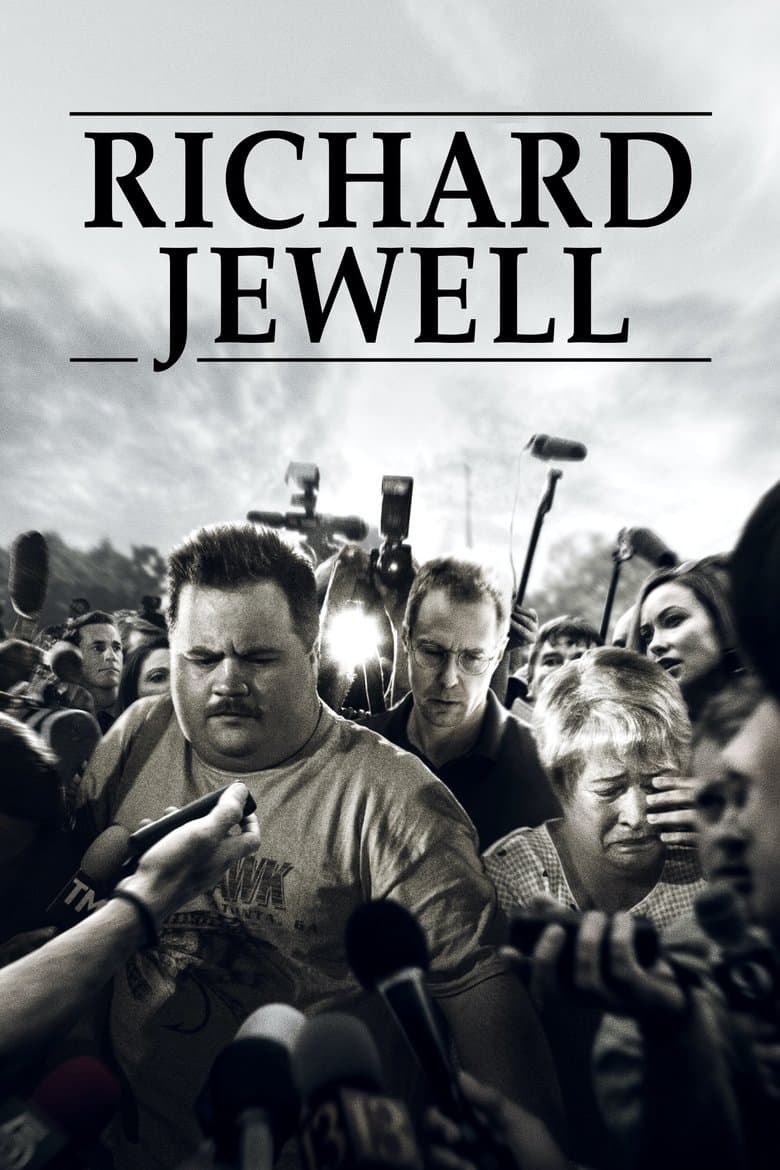
Richard Jewell thinks quick, works fast, and saves hundreds, perhaps thousands, of lives after a domestic terrorist plants several pipe bombs and they explode during a concert…
Movie · 2025
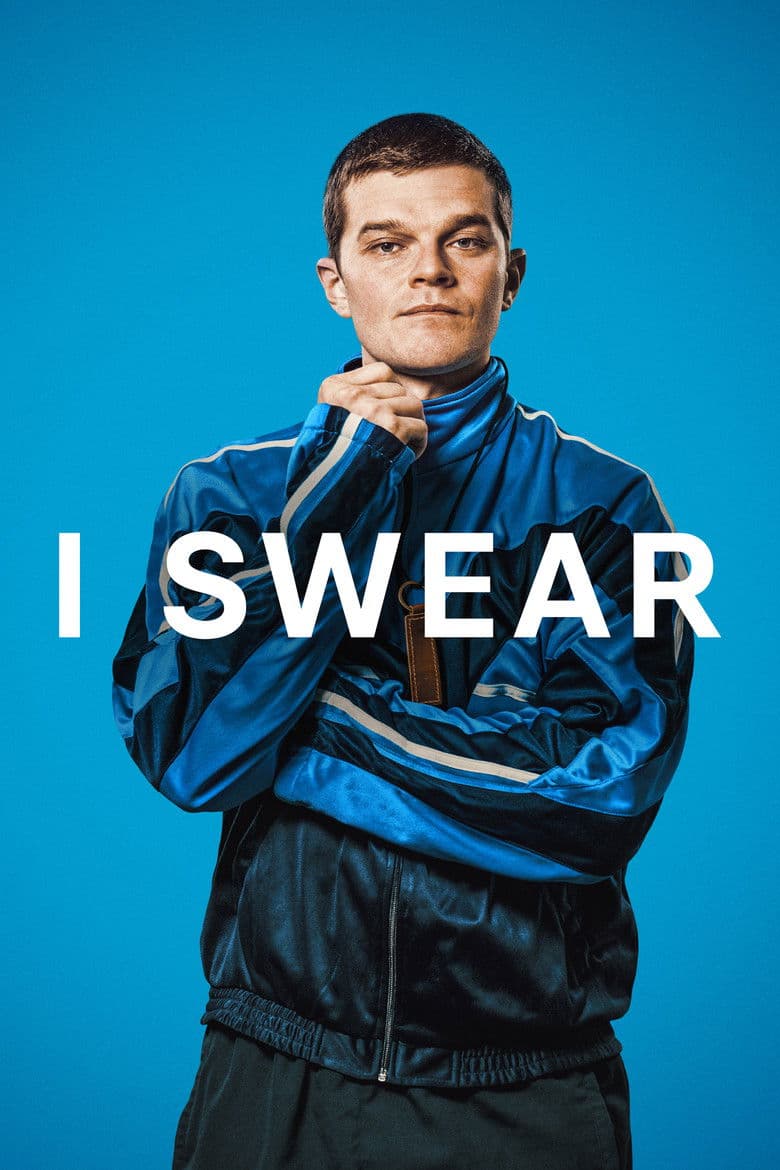
Diagnosed with Tourette Syndrome at 15, John Davidson navigates his way against the odds through troubled teenage years and into adulthood, finding inspiration in the kindness of…

Movie · 2016
After his older brother passes away, Lee Chandler is forced to return home to care for his 16-year-old nephew.

Movie · 2023
The true story of the inseparable Von Erich brothers, who made history in the intensely competitive world of professional wrestling in the early 1980s.

Movie · 2024
On the brink of the Second World War, a young Norwegian man's drive to resist the Nazis sets a new course for his future – and the future of his country.
Movie · 2020
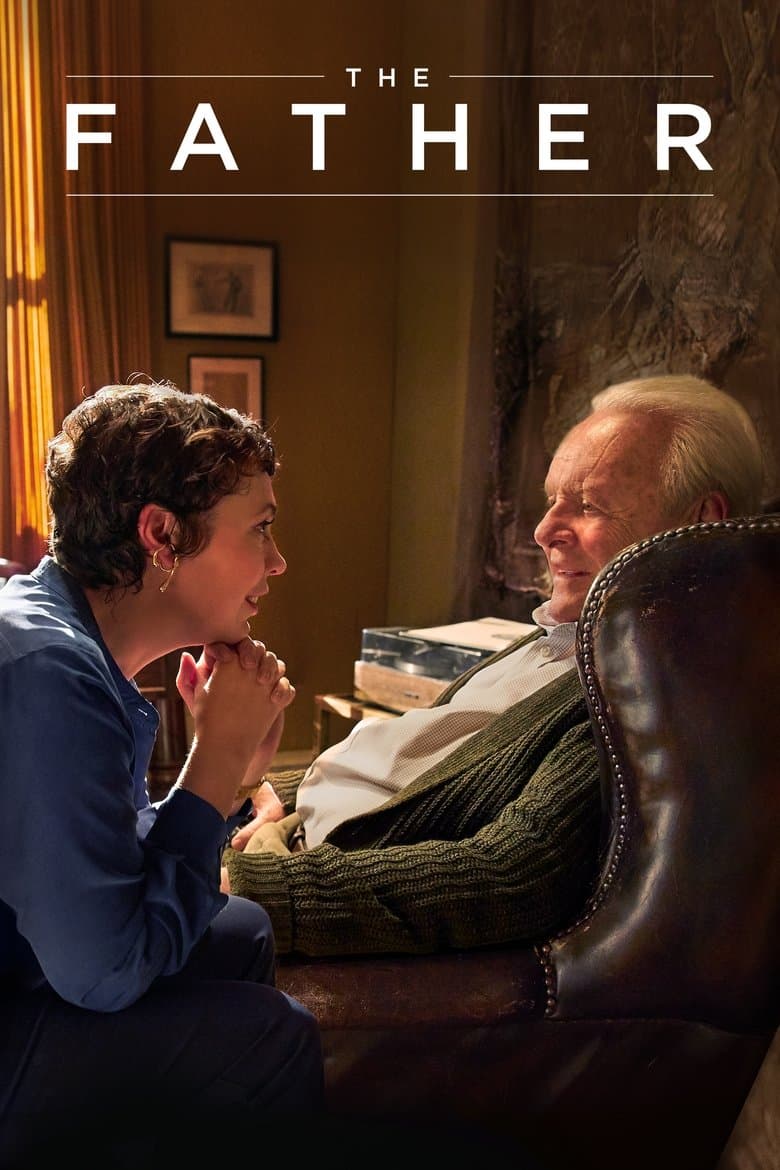
A man refuses all assistance from his daughter as he ages and, as he tries to make sense of his changing circumstances, he begins to doubt his loved ones, his own mind and even…

Movie · 2017
Members of the Granite Mountain Hotshots battle deadly wildfires to save an Arizona town.
Movie · 2026
While people across 1990s Iraq struggle to survive the war and food shortages, Saddam Hussein requires each school in the country to prepare a cake to celebrate his birthday.
