
Maria follows opera singer Maria Callas during the last week of her life in Paris in 1977. Her voice has weakened, her health is failing, and medicine blurs her grip on what is real. She remembers her years on stage and her painful love for Aristotle Onassis while trying to sing again. Her butler Ferruccio and housemaid Bruna try to protect her. The mood is sad, dreamlike, grand, and often harsh.
The film makes a woman’s public image a main part of the conflict. Callas is judged for her weight, temper, fame, and romances, while the story asks whether the world sees “La Callas” instead of Maria. Her past with Onassis shows how his decision to marry Jackie Kennedy deepens her pain. The story gives most of its attention to female suffering, talent, and the struggle to reclaim a private self from fame.
Community feedback
Was our 24% Woke rating accurate?
Breakdown
These are the editorial factors and ratings behind our score for Maria.
Woke representation / casting
Not present. Maria Callas is portrayed as a white Greek-American woman, and the close supporting cast is mainly European. The film does not make casting an identity statement.
0%
Woke political dialogue
Not present. The dialogue centers on music, fame, health, family, and romance. The film does not present a modern political or identity campaign.
0%
Identity-driven story themes
The film repeatedly separates Maria Callas from the public label “La Callas.” Callas struggles with the way fame, her body, her temper, and her romances shape how people judge her. The story gives a central place to a famous woman trying to recover a private self from public control. The film presents this as personal tragedy and artistic loss.
26%
Western institutional / cultural critique
Public media and opera culture repeatedly judge Callas by her weight, temper, fame, and private life. The film shows the label “diva” as a burden placed on a woman by other people. Callas also faces betrayal and control from Aristotle Onassis, but the film treats those events as part of her personal history. The story does not turn them into a broad attack on men, family, religion, or Western institutions.
18%
Woke character or canon changes
Not relevant. The film adds an imagined television crew and dreamlike scenes. These changes serve the story and do not promote a modern identity cause.
0%
Anti-woke backlash and complaints
Not present. Public debate centered on Jolie’s voice, resemblance, and the film’s loose facts. The searched news and social discussions did not show a sustained complaint that the movie pushes DEI, woke, or identity politics.
0%
Creator track record context
Pablo Larraín and Steven Knight have low cached woke scores and are mainly linked to historical, artistic, or power-focused work. Several producers have higher cached scores because they have backed LGBTQ-focused or women-centered films. Lorenzo Mieli and Christian Vesper provide the strongest progressive context. The film itself stays focused on opera, fame, and Callas’s private collapse.
30%
Production
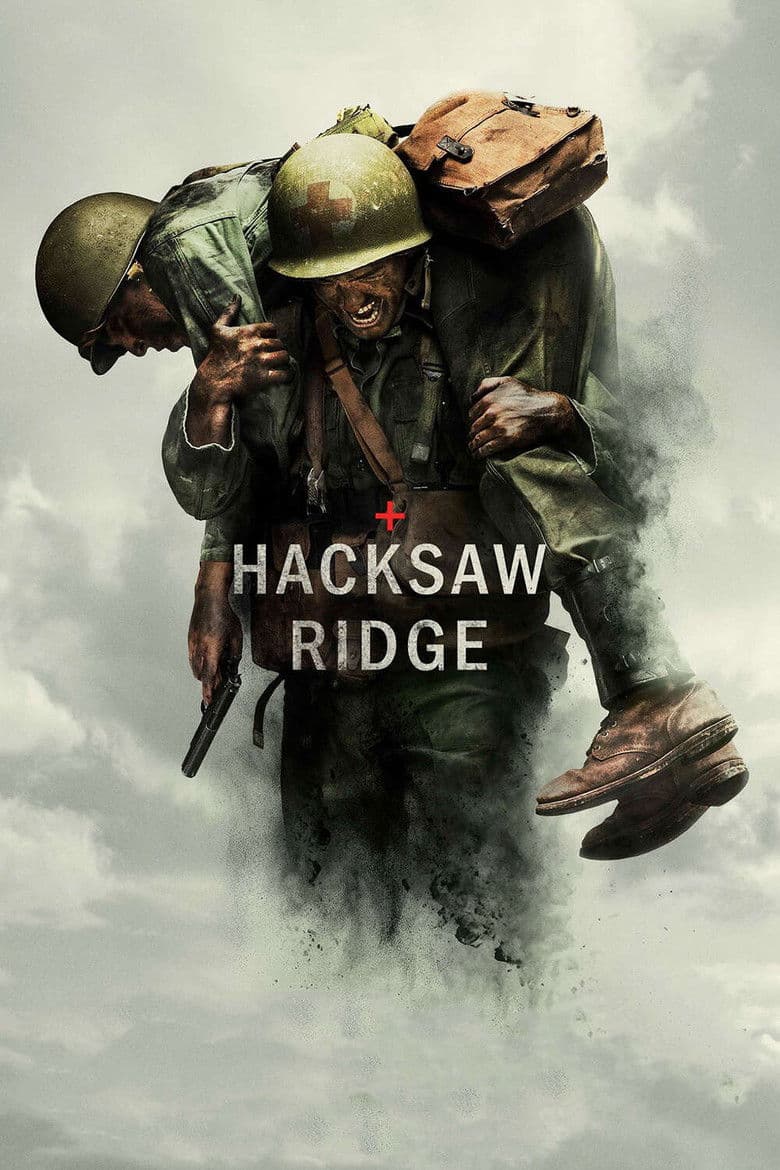
Movie · 2016
WWII American Army Medic Desmond T. Doss, who served during the Battle of Okinawa, refuses to kill people and becomes the first Conscientious Objector in American history to…
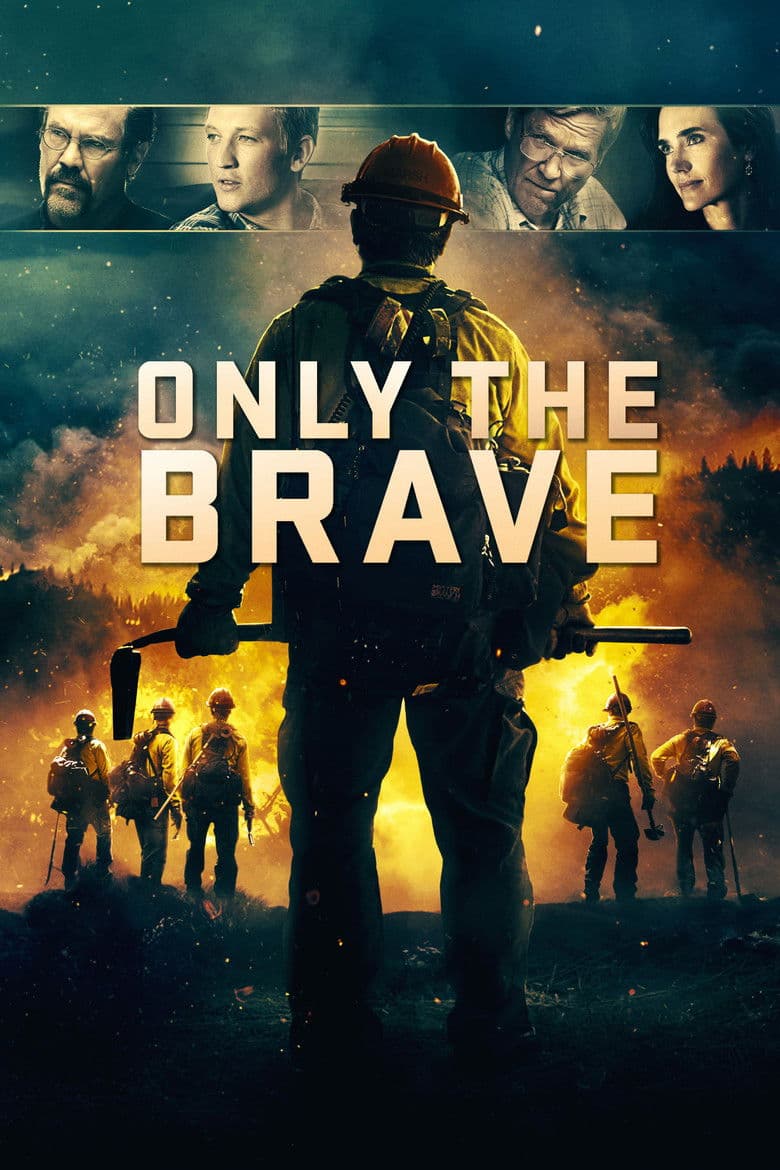
Movie · 2017
Members of the Granite Mountain Hotshots battle deadly wildfires to save an Arizona town.
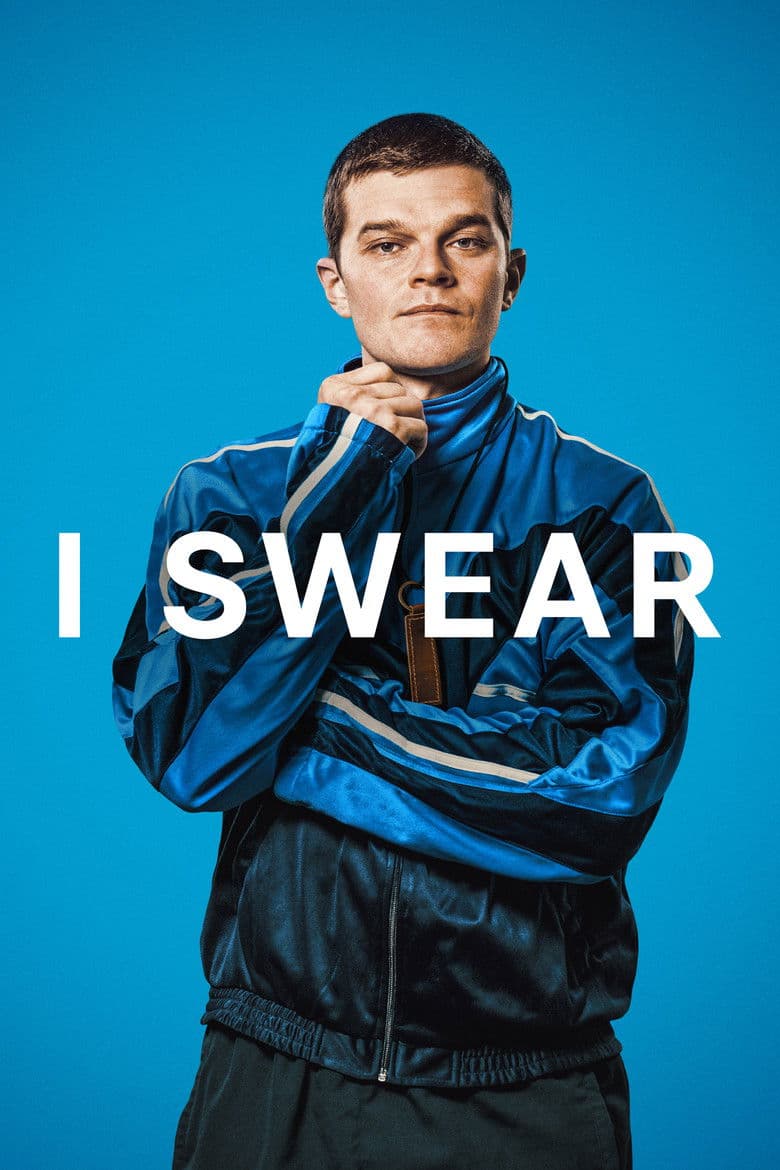
Movie · 2025
Diagnosed with Tourette Syndrome at 15, John Davidson navigates his way against the odds through troubled teenage years and into adulthood, finding inspiration in the kindness of…

Movie · 2024
On the brink of the Second World War, a young Norwegian man's drive to resist the Nazis sets a new course for his future – and the future of his country.
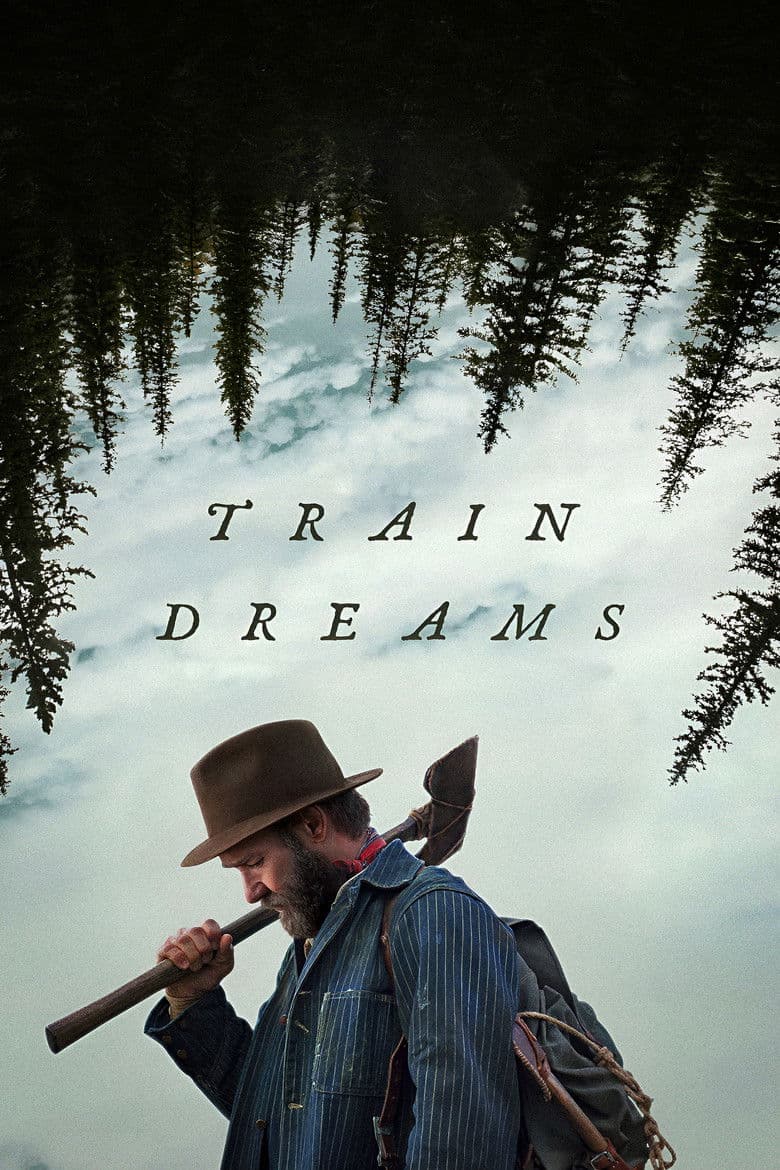
Movie · 2025
A logger leads a life of quiet grace as he experiences love and loss during an era of monumental change in early 20th-century America.
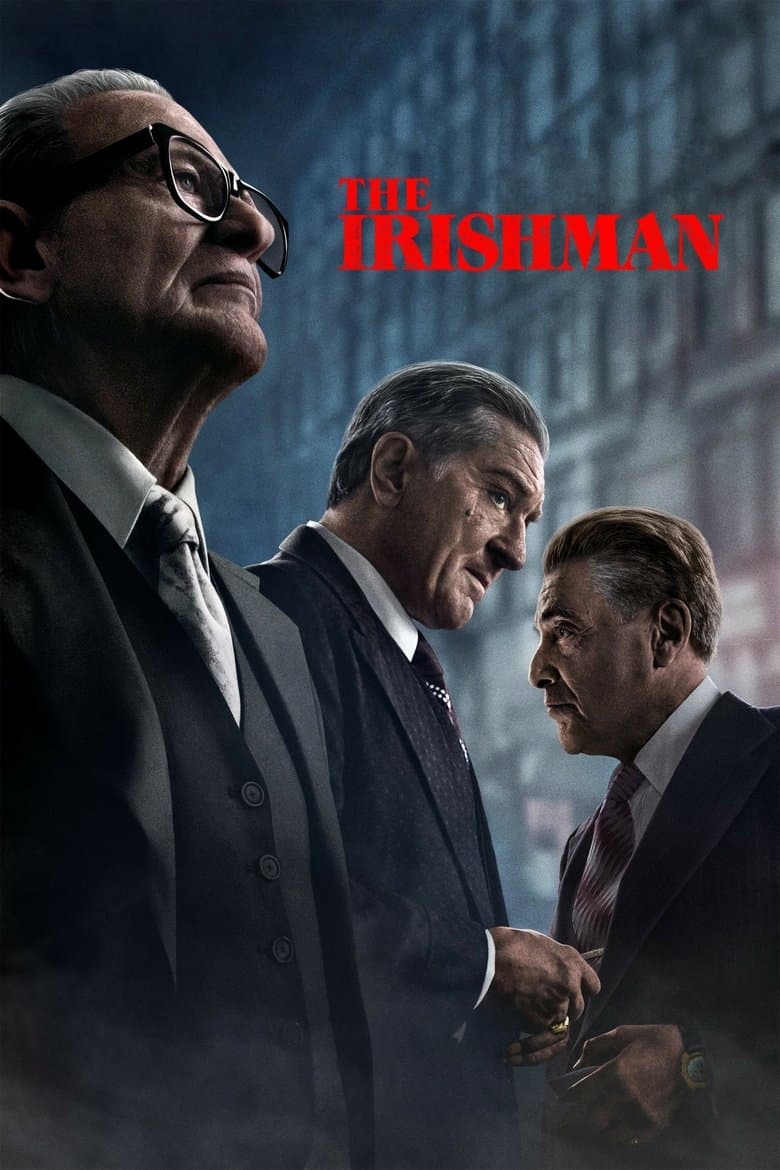
Movie · 2019
Pennsylvania, 1956. Frank Sheeran, a war veteran of Irish origin who works as a truck driver, accidentally meets mobster Russell Bufalino.
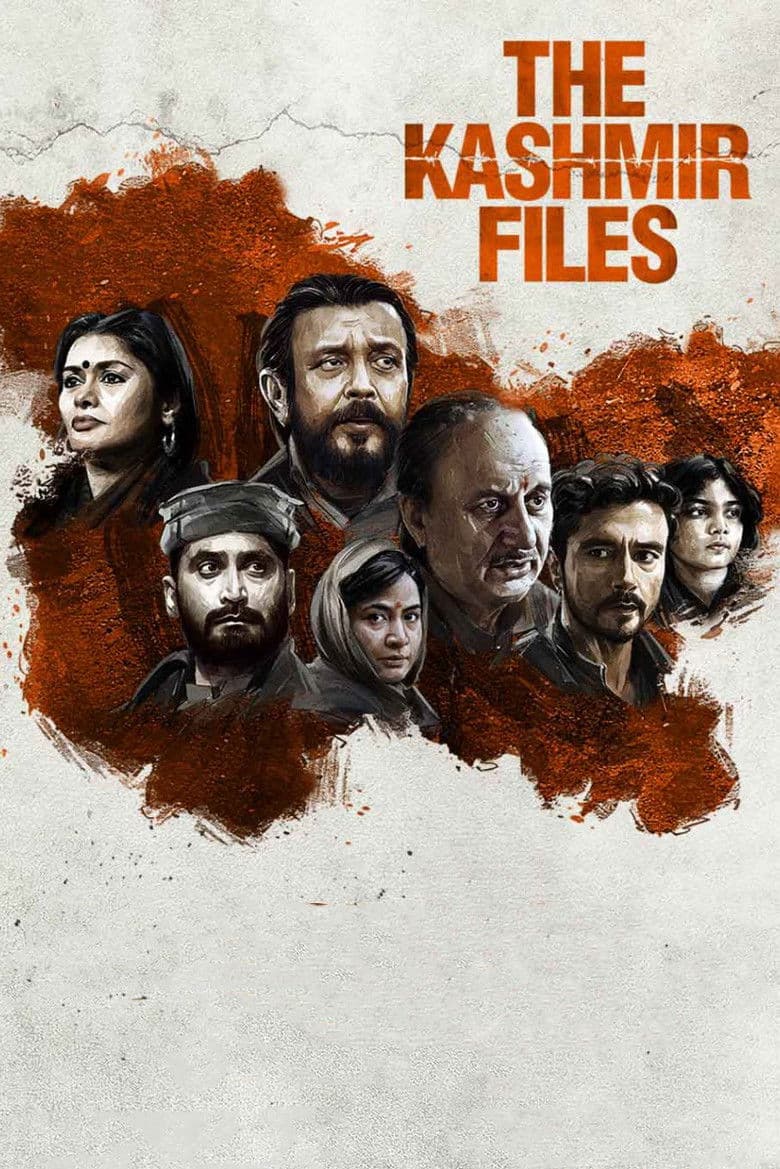
Movie · 2022
Based on a true tragedy, the emotionally triggering film sheds light on the plight of Kashmiri Pandits (Hindus), a religious minority in the 1990s Kashmir valley, who were…
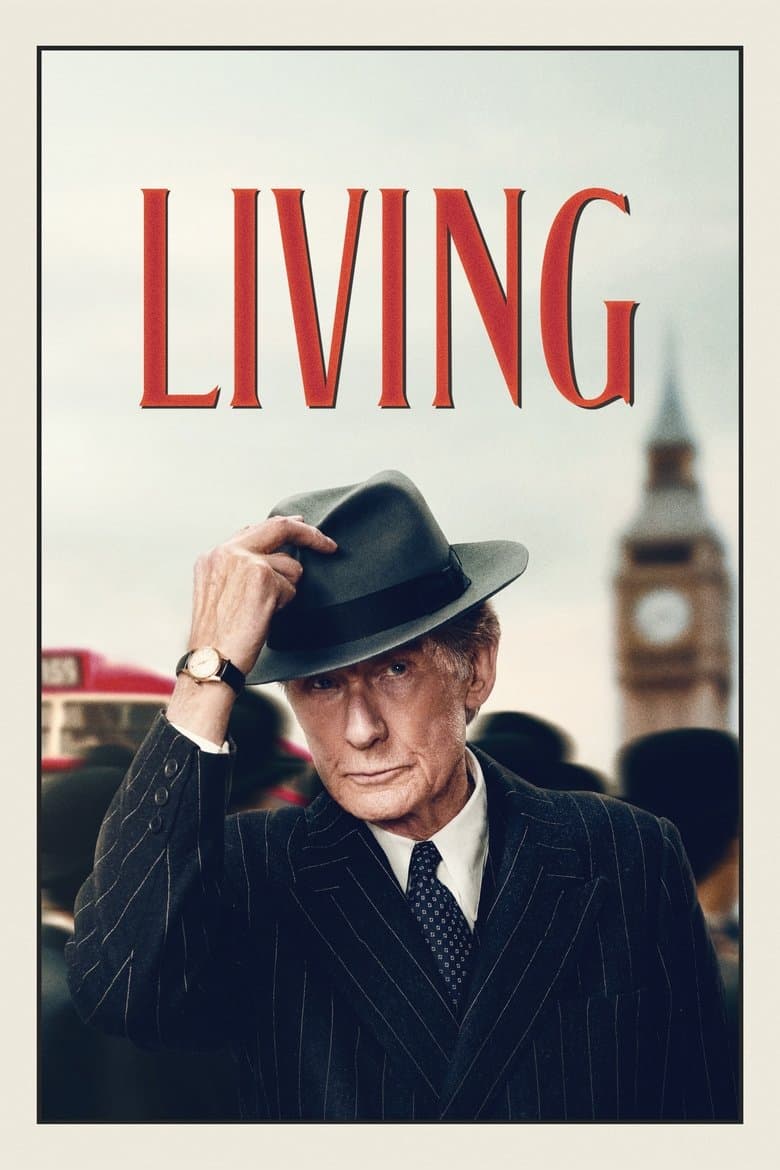
Movie · 2022
London, 1953. Mr. Williams, a veteran civil servant, is an important cog within the city's bureaucracy as it struggles to rebuild in the aftermath of World War II.
