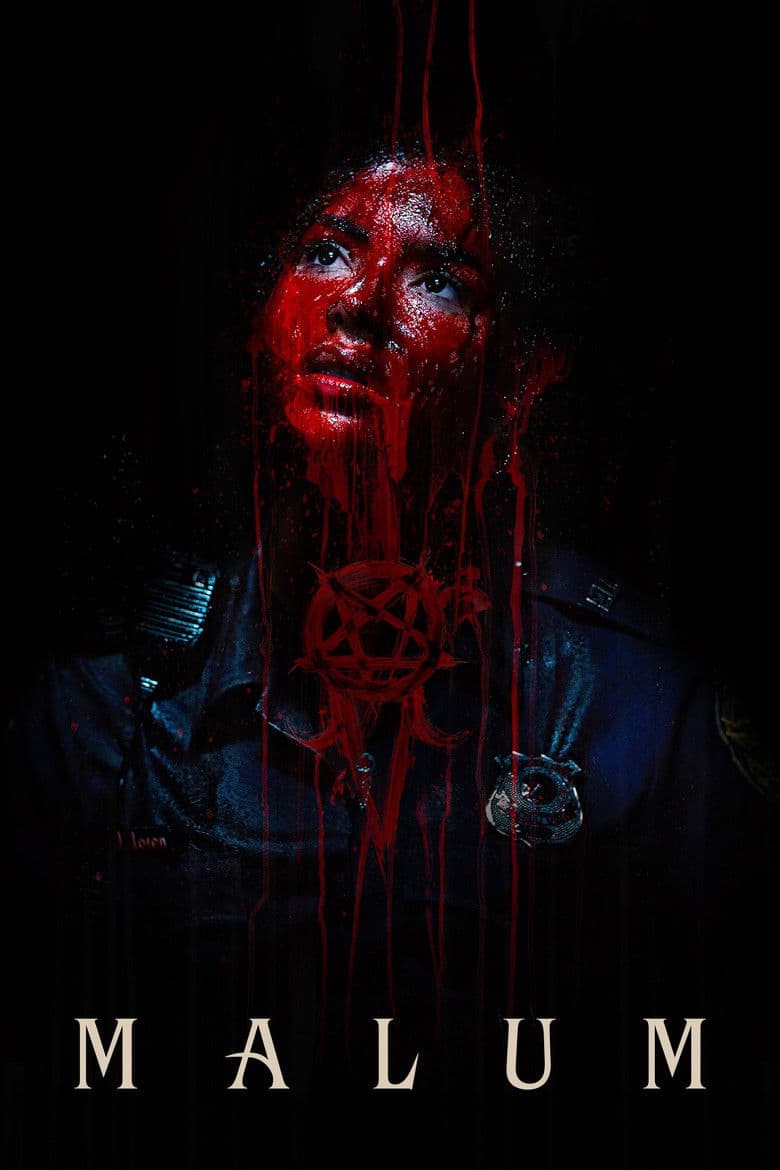
Malum follows Jessica Loren, a rookie police officer who asks for the last overnight shift at an old station in Lanford. Her father killed two officers and himself after leading a raid on a cult, and Jessica wants to learn what drove him to do it. The empty building fills with violent visions, strange callers, cult members, and signs of a demon called the Low God. The film has a grim, bloody, and dreamlike horror tone, with Jessica losing trust in what she sees.
The film gives its lead a visible identity and gender struggle. Jessica is a mixed-race woman with a black mother and a white father, and male officers dismiss her because she is a woman and a rookie. The story adds lines and scenes about police violence, distrust of officers, and the way police rules can resemble a cult ritual. Those ideas recur around Jessica’s work and family, but the cult, her father’s death, and the supernatural attack remain the main story.
Community feedback
Was our 47% Woke rating accurate?
Breakdown
These are the editorial factors and ratings behind our score for Malum.
Woke representation / casting
Jessica Sula plays the main police officer, and the remake gives Jessica Loren a black mother and a white father. The film links her place in the police force to sexist treatment and modern police-brutality concerns. That gives the casting an audience-visible identity signal beyond a background role. The director said Sula was the best actress for the part and denied that the choice was planned as a political statement, so the score stays moderate.
30%
Woke political dialogue
Officers use lines about police violence and say that police hurt or kill people when needed. Jessica says “I can’t breathe” while calling for help, and she repeats the police code during moments of fear. These lines add modern activist-style social commentary around the station. The film does not stop for a long political speech, and most dialogue concerns the cult, family, and survival.
35%
Identity-driven story themes
Jessica’s story centers on a woman entering a male police world to learn why her father killed officers. The film repeatedly shows male officers insulting her and treating her as weak because she is a woman and a rookie. The story also connects her mixed-race family to questions about policing, violence, and belonging. The cult, family trauma, and supernatural horror still drive most of the movie.
32%
Western institutional / cultural critique
The police department appears as a closed and hostile institution. Male officers dismiss Jessica, civilians distrust police, and the film compares police rules with cult rituals. The father changes from a local hero into an officer who murders colleagues, while the station carries a history of abuse and deaths. The critique recurs through Jessica’s work, but it does not become a broad attack on all Western culture.
38%
Woke character or canon changes
The earlier film casts Juliana Harkavy as Jessica Loren. Malum casts Jessica Sula and gives Jessica a black mother and a white father. The remake also adds a stronger police-violence context around the lead. The race and family changes are prominent, but they are one part of a larger remake about a cult and a haunted station.
30%
Anti-woke backlash and complaints
One Reddit commenter objected to the remake’s changed lead and called her “race washed” compared with Last Shift. That complaint treats the casting change as an identity-driven choice, but it was one fringe comment and did not show a larger campaign. The separate X pass found no anti-woke reaction. Other public discussion focused on quality, plot, gore, and the need for a remake.
8%
Creator track record context
Anthony DiBlasi has supported more women working in horror. Joey Montenarello has worked on some LGBTQ-related and diversity-focused projects. The writer and producers have no strong public activist record. The Malum interviews focus on horror craft and say the police issues were written as part of Jessica’s character.
18%
Production
Movie · 2023
Eight year old Peter is plagued by a mysterious, constant tapping from inside his bedroom wall—one that his parents insist is all in his imagination.
Movie · 2026
After breaking the mysterious "One Wish Willow" to win his crush's heart, a hopeless romantic finds himself getting exactly what he asked for but soon discovers that some desires…
Movie · 2016
Lorraine and Ed Warren travel to north London to help a single mother raising four children alone in a house plagued by malicious spirits.
Movie · 2017
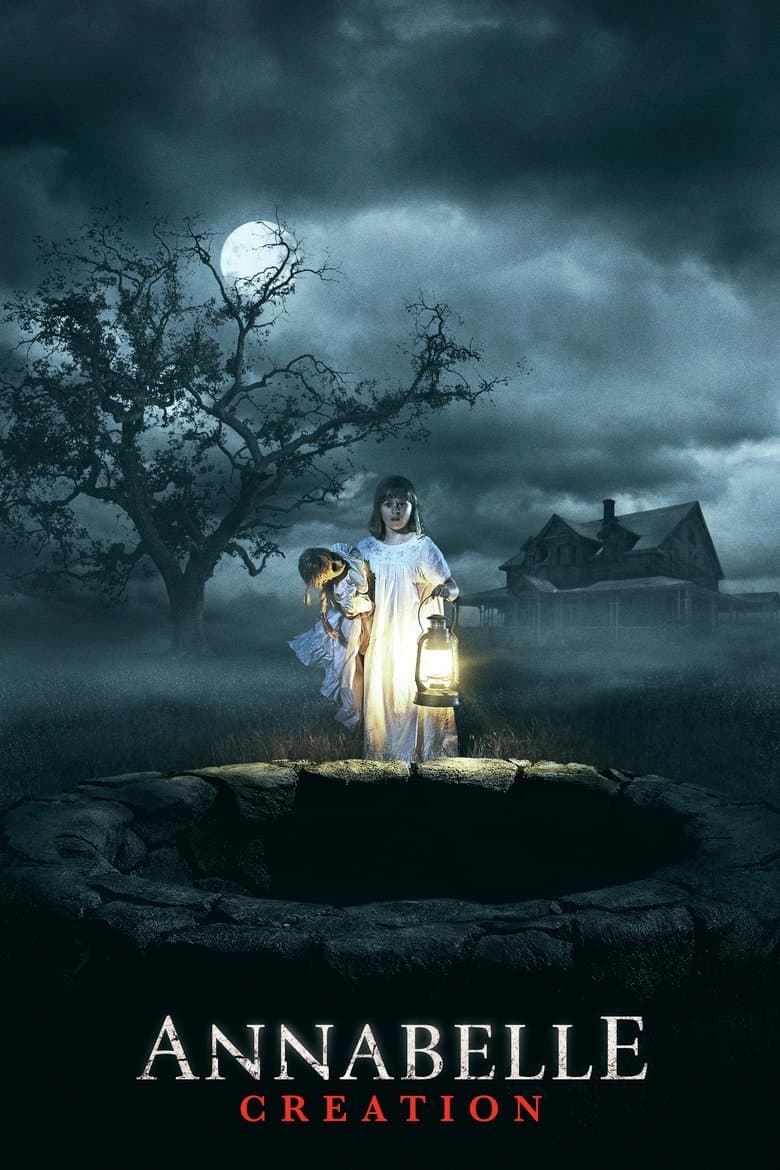
Several years after the tragic death of their little girl, a doll maker and his wife welcome a nun and several girls from a shuttered orphanage into their home, soon becoming the…
Movie · 2016
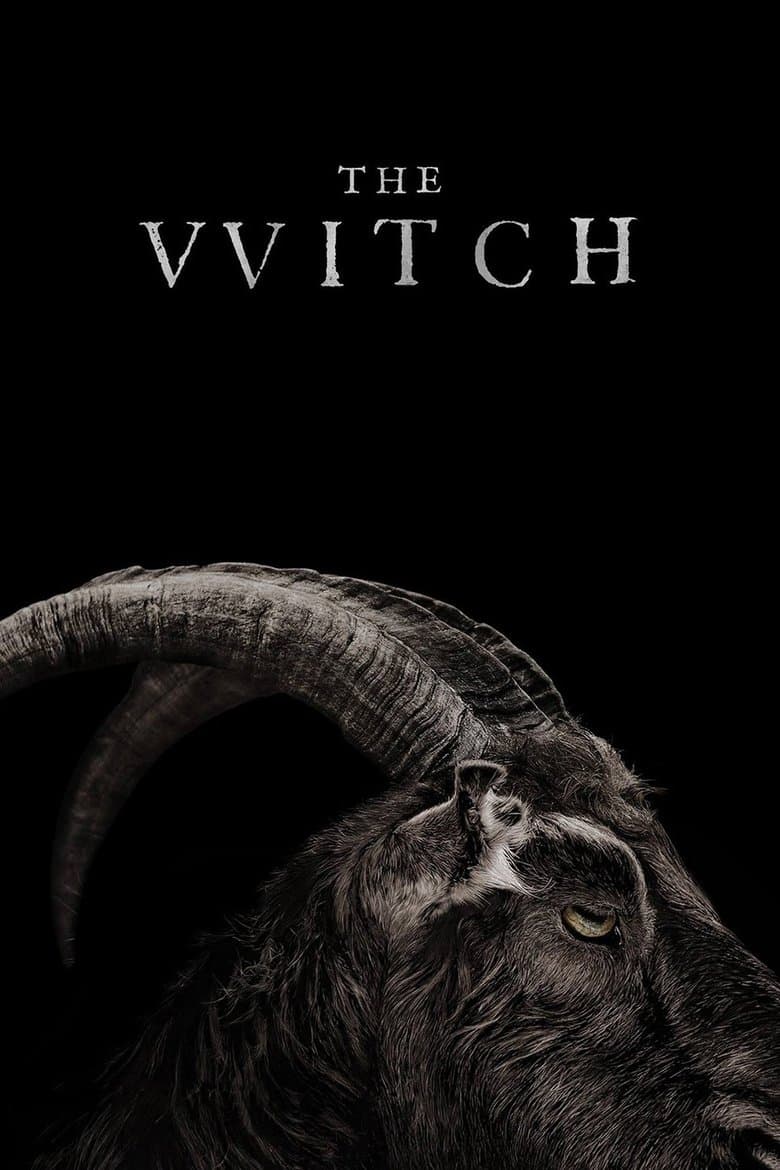
In 1630, a farmer relocates his family to a remote plot of land on the edge of a forest where strange, unsettling things happen.

Movie · 2022
Trapped on her family’s isolated farm, Pearl must tend to her ailing father under the bitter and overbearing watch of her devout mother.
Movie · 2022
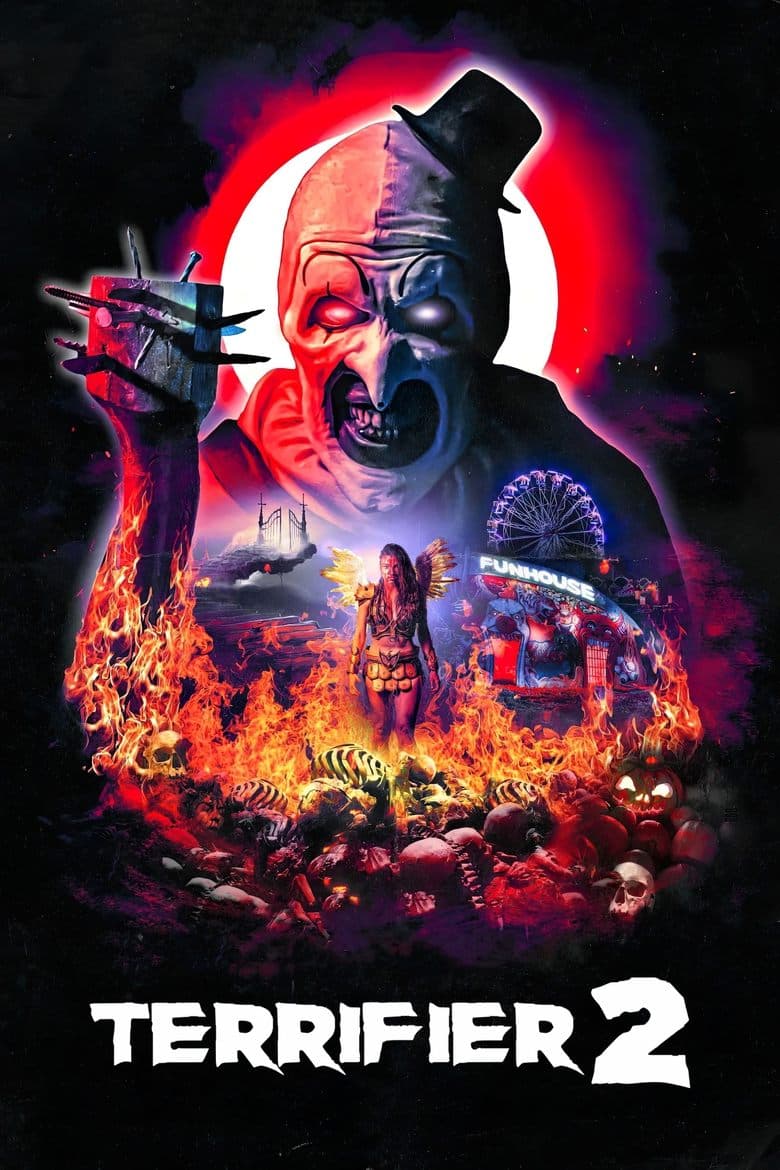
A year after the Miles County massacre, Art the Clown is resurrected by a sinister entity. Art returns home, where he must hunt down and destroy teenage Sienna and her younger…
Movie · 2016
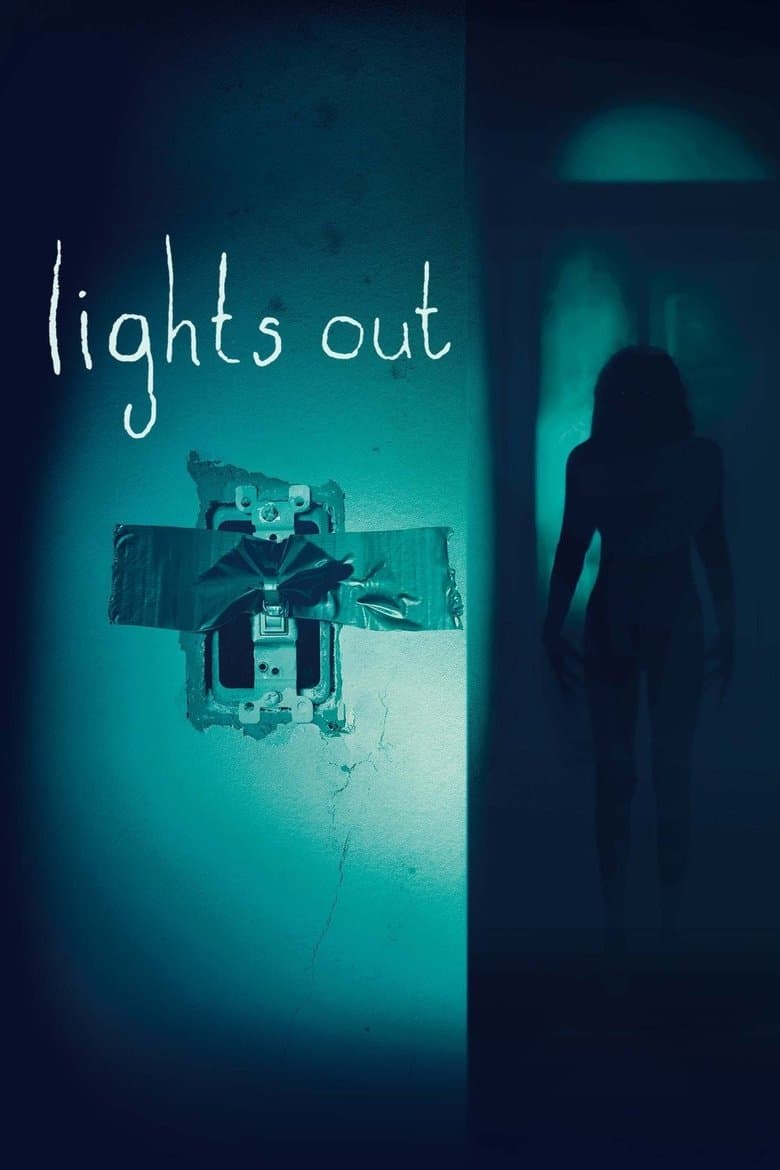
Rebecca must unlock the terror behind her little brother's experiences that once tested her sanity, bringing her face to face with a supernatural spirit attached to their mother.
