
Margaret is an American English teacher who lives in Tokyo. She trains future flight attendants by day, then drinks with other foreigners and looks for rough or submissive sex in love hotels at night. Her life changes when she begins a dangerous affair with Kazu, a married yakuza member. Margaret is running from family pain, loneliness, and a past she will not face, so the affair pushes her deeper into danger. The film has a slow, dark, and uneasy tone.
The film puts a woman's private desires and sexual choices at the center of the story. Margaret often chooses the men and the kind of sex she wants, but the movie connects those choices to sadness, drinking, and hurting herself instead of simple freedom. Kazu takes her to Kyoto and shows her a Buddhist image called the Buddha's womb, which stands for moving through darkness toward a new life. Margaret loses her job and home before Kazu saves her from a deadly stranger. She leaves Japan with a small hope of change, while the story keeps its focus on loneliness, damaged love, and escape.
Community feedback
Was our 18% Woke rating accurate?
Breakdown
These are the editorial factors and ratings behind our score for Lost Girls & Love Hotels.
Woke representation / casting
Not present. Margaret is a white American living in Tokyo, and Kazu is Japanese because the story is built around an American woman and a local yakuza. The film does not show a diversity-first group or identity-based casting message.
0%
Woke political dialogue
Not present. The dialogue centers on sex, loneliness, trauma, Japan, work, and the yakuza. It does not include clear identity-politics, DEI, or activist speeches.
0%
Identity-driven story themes
Margaret drives the story through her private sexual choices and desires. The film gives her control over many of the men she meets and the kind of sex she asks for. The story connects those choices to loneliness, drinking, danger, and hurting herself. This makes gender and sexual norms a recurring part of the drama, but the theme stays personal instead of becoming a broad activist message.
30%
Western institutional / cultural critique
Not present. The story shows a troubled affair and a woman's private choices. It does not build its message around patriarchy, male entitlement, religion, capitalism, or another Western institution.
0%
Woke character or canon changes
Not relevant. The film adapts Hanrahan's novel, but no reported race, gender, sexuality, or hero-role change to an established character or real event appears.
0%
Anti-woke backlash and complaints
One small personal review gave the film a 3/10 woke rating. The writer objected to the interracial sex and read Margaret's rebirth as a feminist idea. The supplied X research found no anti-woke reaction, and no broad news controversy was reported. The available complaint is fringe and should not be treated as proof that the film has a political agenda.
4%
Creator track record context
Hanrahan's public work often follows women's inner lives, sex, and life as a foreigner, but it shows no clear activist pattern. Olsson's public record is mainly craft and independent film work. The producers and casting directors also have no clear public identity-politics record. A title-related producer interview calls this a female-centered film and discusses sexism in film work. The combined creator context is mild.
13%
Production

Movie · 2016
After his older brother passes away, Lee Chandler is forced to return home to care for his 16-year-old nephew.
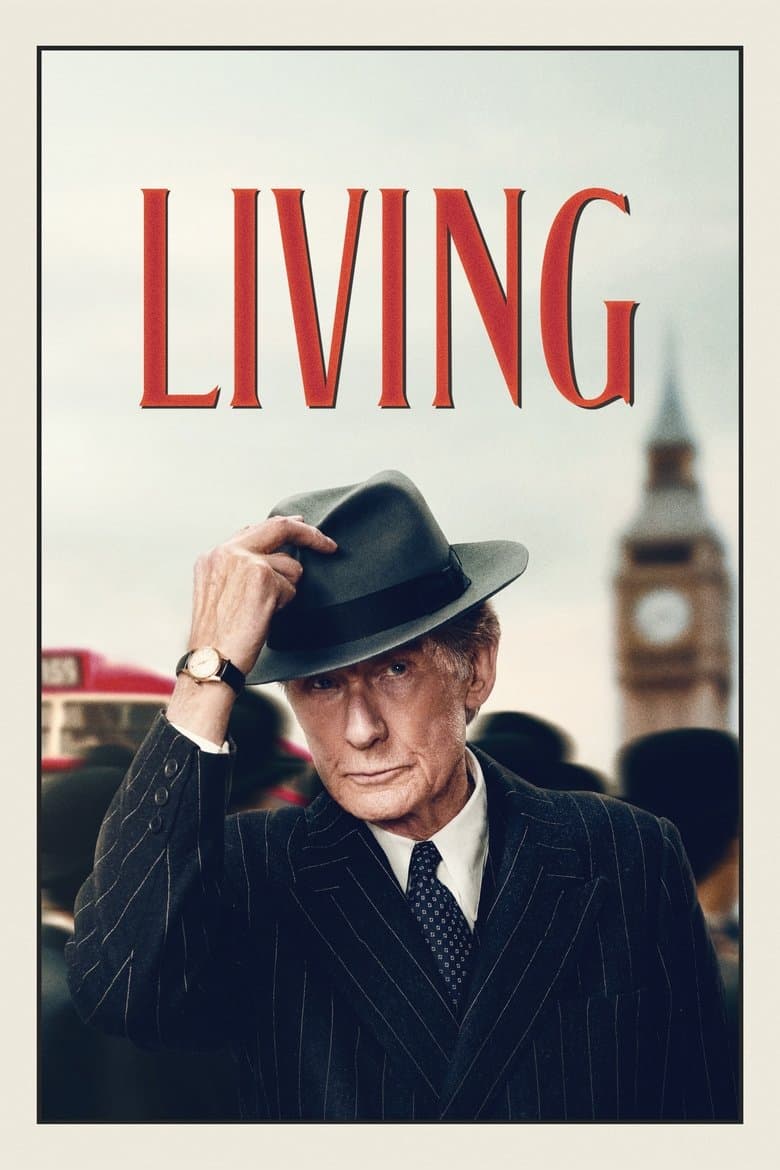
Movie · 2022
London, 1953. Mr. Williams, a veteran civil servant, is an important cog within the city's bureaucracy as it struggles to rebuild in the aftermath of World War II.

Movie · 2017
Members of the Granite Mountain Hotshots battle deadly wildfires to save an Arizona town.
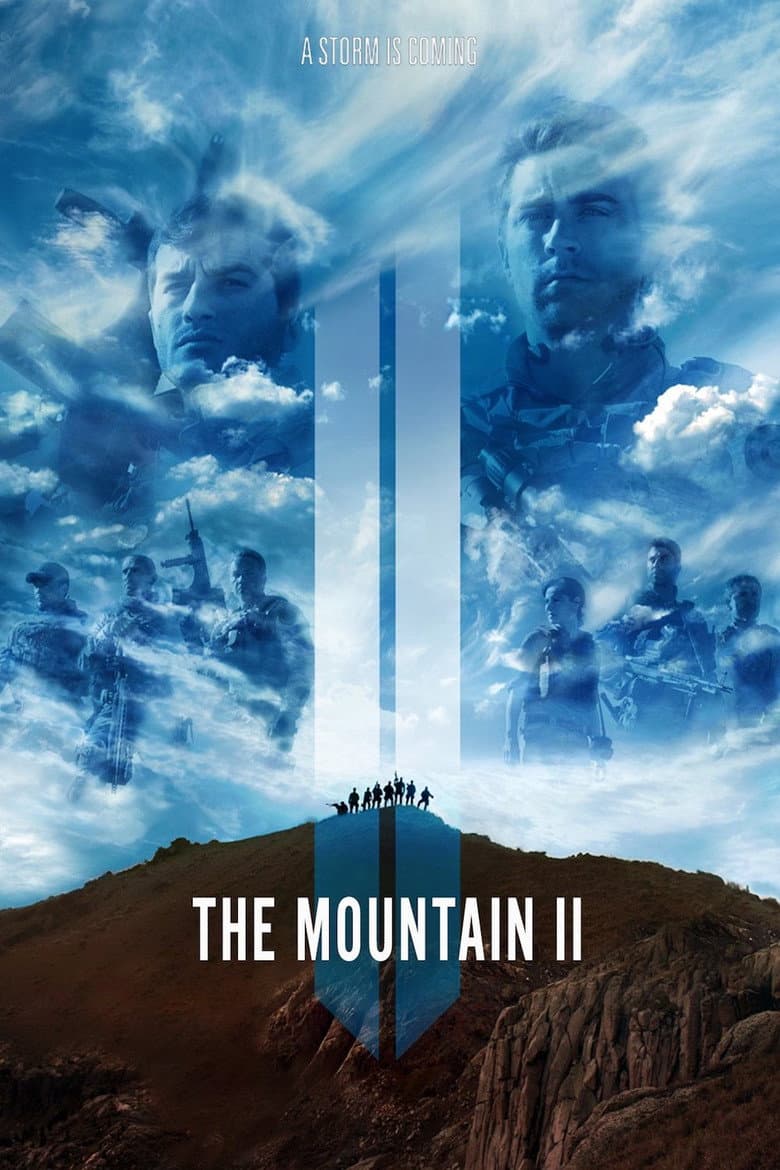
Movie · 2016
In a desolate war zone where screams of the innocent echo, on the very line between disaster and valor, 7 Maroon Berets will dance with death.
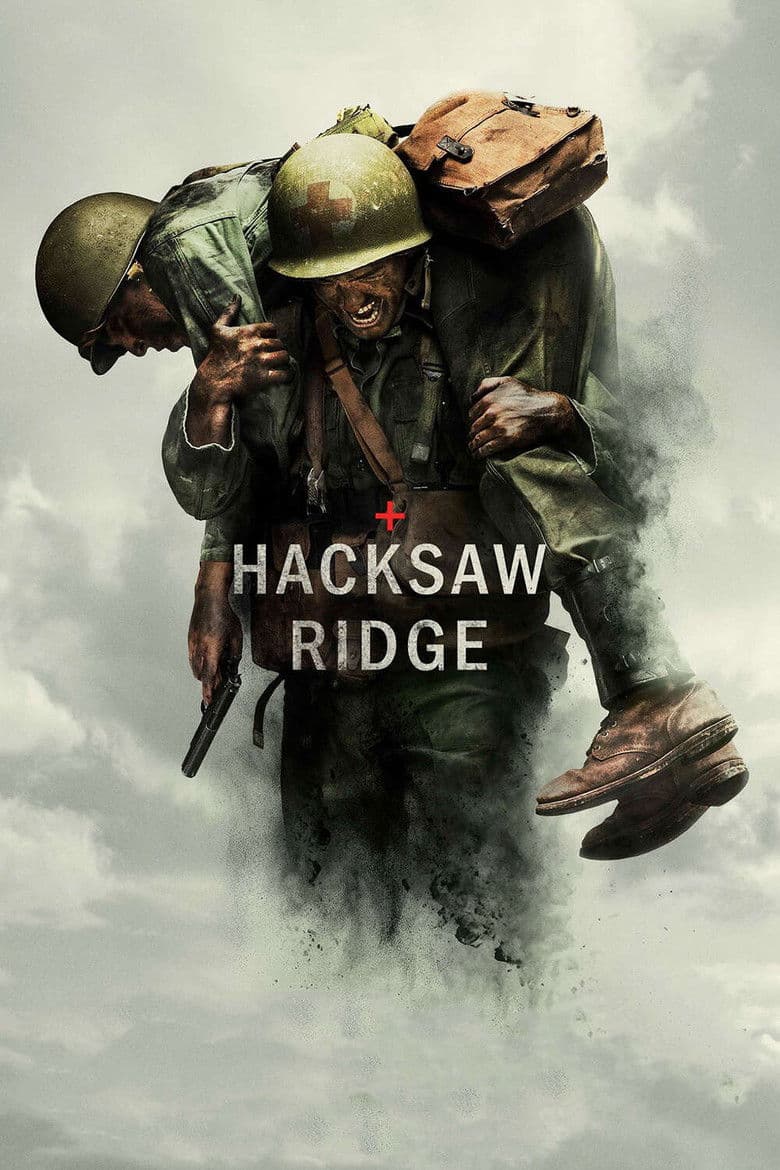
Movie · 2016
WWII American Army Medic Desmond T. Doss, who served during the Battle of Okinawa, refuses to kill people and becomes the first Conscientious Objector in American history to…
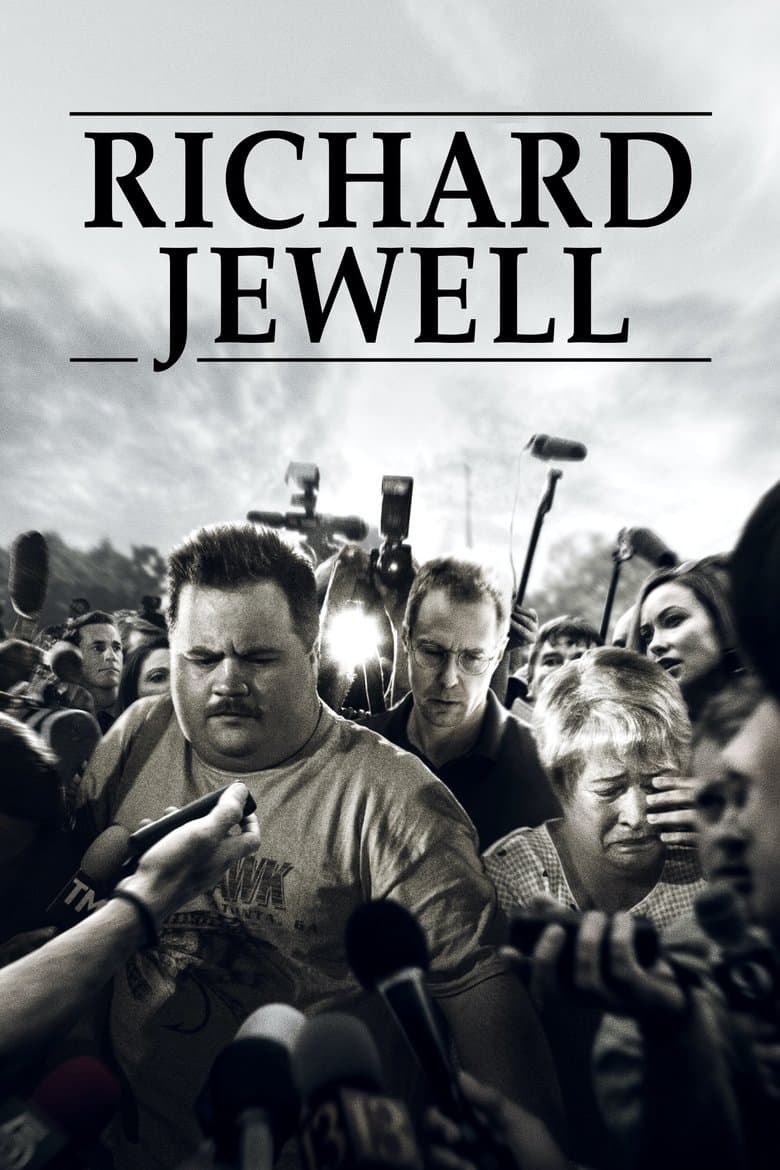
Movie · 2019
Richard Jewell thinks quick, works fast, and saves hundreds, perhaps thousands, of lives after a domestic terrorist plants several pipe bombs and they explode during a concert…
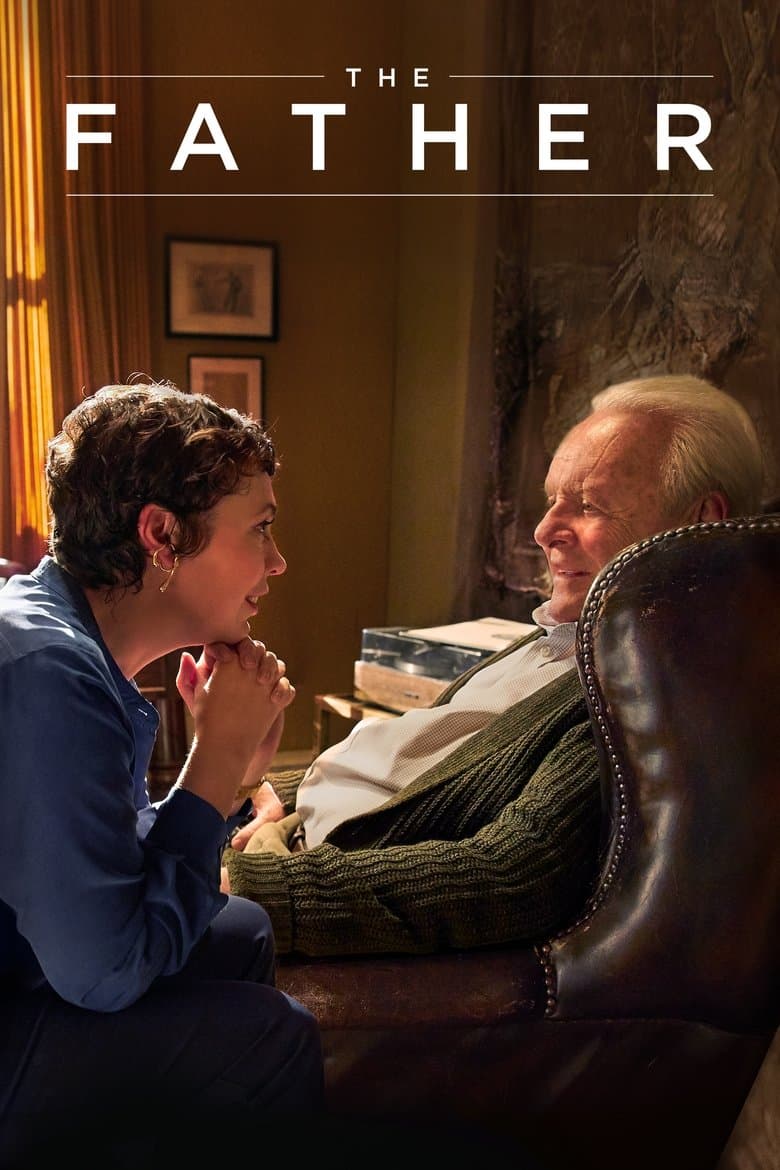
Movie · 2020
A man refuses all assistance from his daughter as he ages and, as he tries to make sense of his changing circumstances, he begins to doubt his loved ones, his own mind and even…

Movie · 2017
In 1950, amidst the ravages of the Korean War, Sergeant Süleyman stumbles upon a a half-frozen little girl, with no parents and no help in sight and he risks his own life to save…
