
Lisa Swallows is a lonely teenager living with her father, stepmother, and stepsister in 1989 Chicago. She is still hurt by her mother’s murder and feels ignored at home and school. After a lightning storm brings a dead young man back to life, Lisa hides him and helps him rebuild his body. Their strange romance becomes a bloody, colorful, and often silly fight against people who have hurt them.
The story makes female anger and sexual agency central to Lisa’s change. Lisa chooses the romance, leads the killings, and helps the Creature take body parts from people who mistreat her or stand between them. The film presents her as an outsider who wants love while also showing that revenge turns her into a violent monster. The quiet male love interest stays mostly silent, so the movie tells the romance through Lisa’s view instead of the usual story where a boy saves a girl.
Community feedback
Was our 49% Woke rating accurate?
Breakdown
These are the editorial factors and ratings behind our score for Lisa Frankenstein.
Woke representation / casting
The movie centers a white teenage girl and gives her control over the romance and violence. The male lead is a silent corpse who stays in a supporting role while Lisa makes the major choices. Zelda Williams described the role as a man playing second fiddle to a female lead. This creates a clear female-led role message, but the cast does not show a broad diversity pattern or unusual ethnic mix.
22%
Woke political dialogue
Not present. The characters do not give speeches about current politics, elections, or public causes. The film uses personal anger and revenge instead of a political debate.
0%
Identity-driven story themes
Lisa’s story centers on female anger, sexual agency, and the wish to be accepted as an outsider. Lisa responds to sexual assault and other mistreatment by helping the Creature take body parts from people who hurt or reject them. The Creature becomes more human while Lisa becomes more violent, so the film does not present every act as good. The message about a girl taking control of desire, grief, and revenge remains important from beginning to end.
50%
Western institutional / cultural critique
The film shows Lisa’s family and school treating her as a problem and pushing her to act normal. The story treats a boy’s sexual assault of Lisa as a direct reason for revenge. The film also makes the quiet male love interest support Lisa while she directs the action. These repeated choices criticize control over girls and old gender roles, but the film does not build a larger attack on government, religion, capitalism, or Western institutions.
33%
Woke character or canon changes
The film borrows Mary Shelley’s Frankenstein idea but does not retell the novel’s original plot. It moves the focus to Lisa, a teenage girl who brings the Creature back and leads the romance. This female-led rewrite changes the familiar balance between the creator, the monster, and the love interest. The change is noticeable, but the movie is a loose remix rather than a close version of the book.
23%
Anti-woke backlash and complaints
Public reaction was mostly about the film’s camp, violence, tone, and weak plot. One Reddit commenter called it a feminist brainwashing movie, treating the film’s feminist message as propaganda. That comment came from a small discussion and did not lead to a major news story or broad campaign. The available reaction is weak and fringe.
8%
Creator track record context
Diablo Cody has a cached score of 40/100 and is openly feminist, with support for Time’s Up. Her work often centers strong or difficult women but usually follows personal stories instead of broad DEI campaigns. Zelda Williams has a cached score of 15/100 and has supported LGBT people and women’s mental health. This film’s female-led and feminist framing fits Cody’s past work, while Williams adds a smaller social-justice signal.
30%
Production
Movie · 2016
A zombie outbreak has fallen upon the land in this reimagining of Jane Austen's classic tale of the tangled relationships between lovers from different social classes in 19th…
Movie · 2026
Moments after surviving an all-out attack from the Le Domas family, Grace discovers she’s reached the next level of the nightmarish game — and this time with her estranged sister…
Movie · 2018
When teenager Elle's first kiss leads to a forbidden romance with the hottest boy in high school, she risks her relationship with her best friend.
Movie · 2019
No beau? No problem! To earn money for college, a high schooler creates a dating app that lets him act as a stand-in boyfriend.
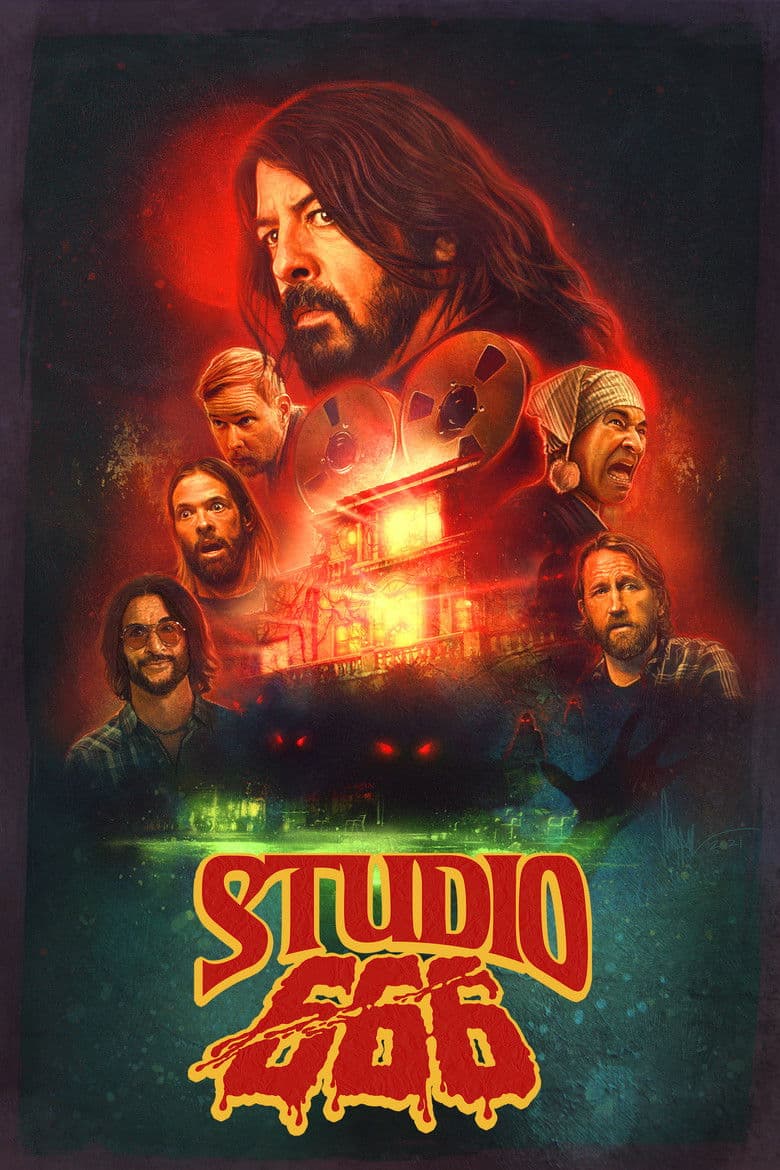
Movie · 2022
Legendary rock band Foo Fighters move into an Encino mansion steeped in grisly rock and roll history to record their much anticipated 10th album.
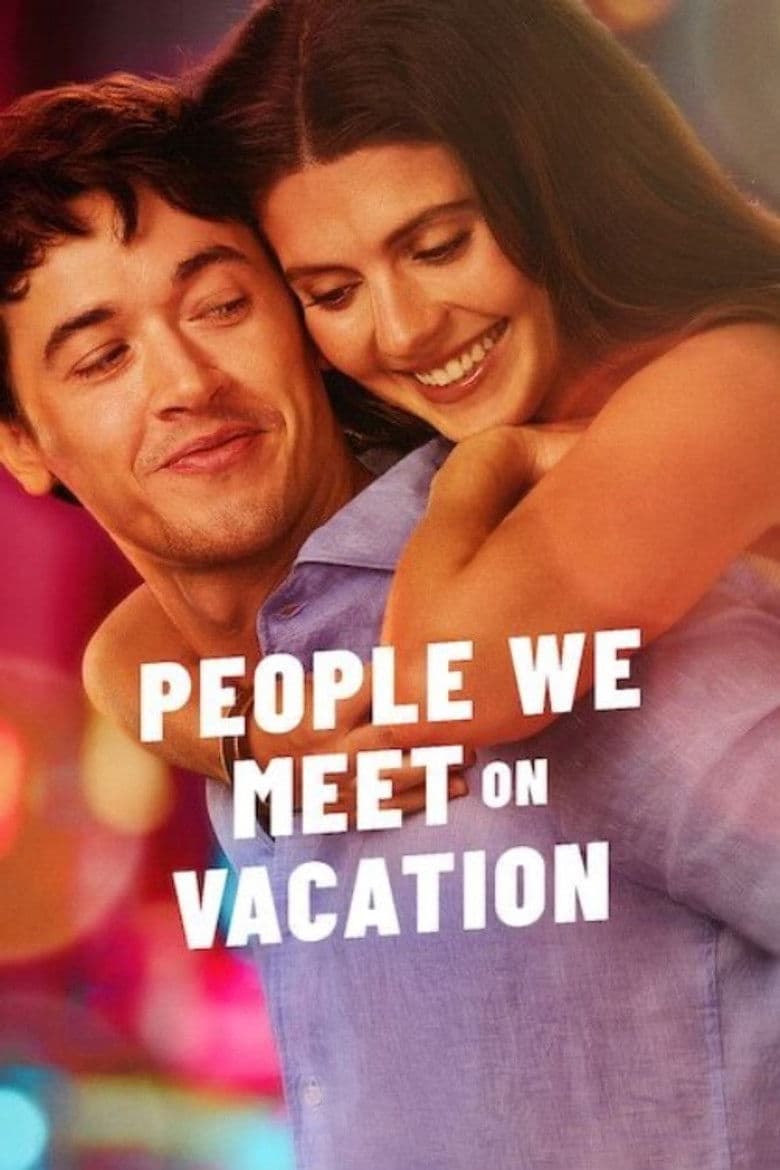
Movie · 2026
Poppy's a free spirit. Alex loves a plan. After years of summer vacations, these polar-opposite pals wonder if they could be a perfect romantic match.
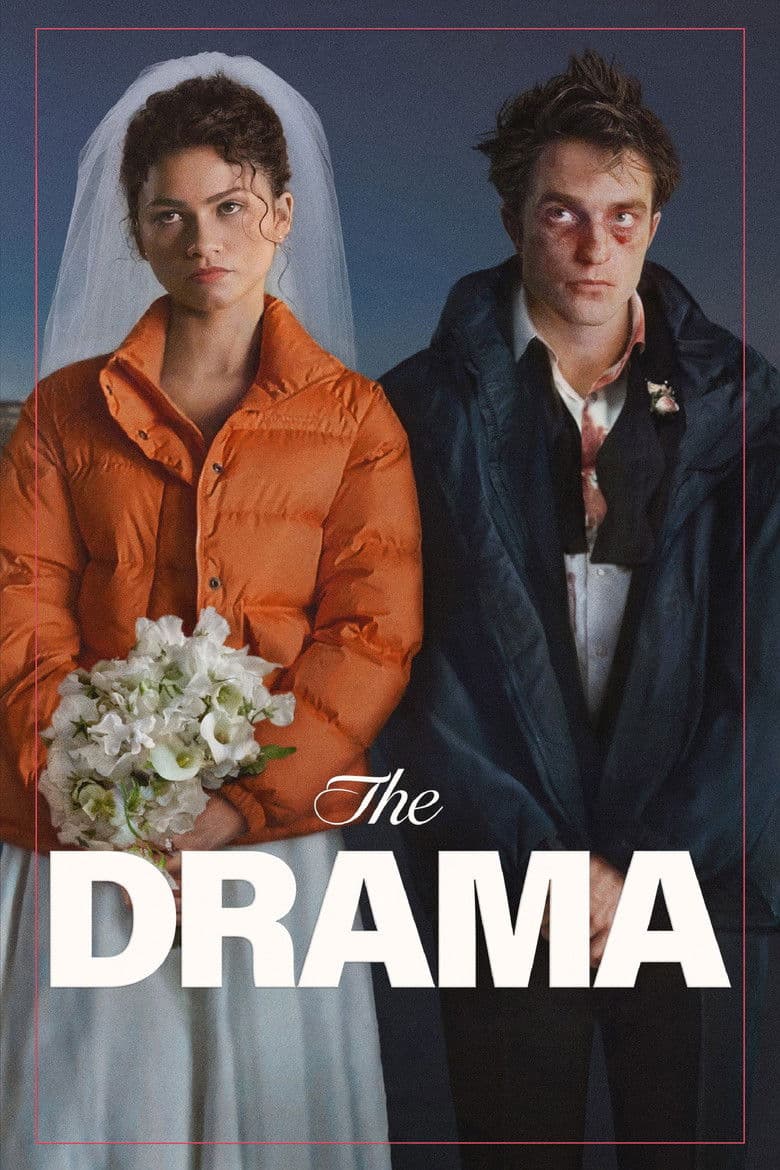
Movie · 2026
A happily engaged couple is put to the test when an unexpected turn sends their wedding week off the rails.
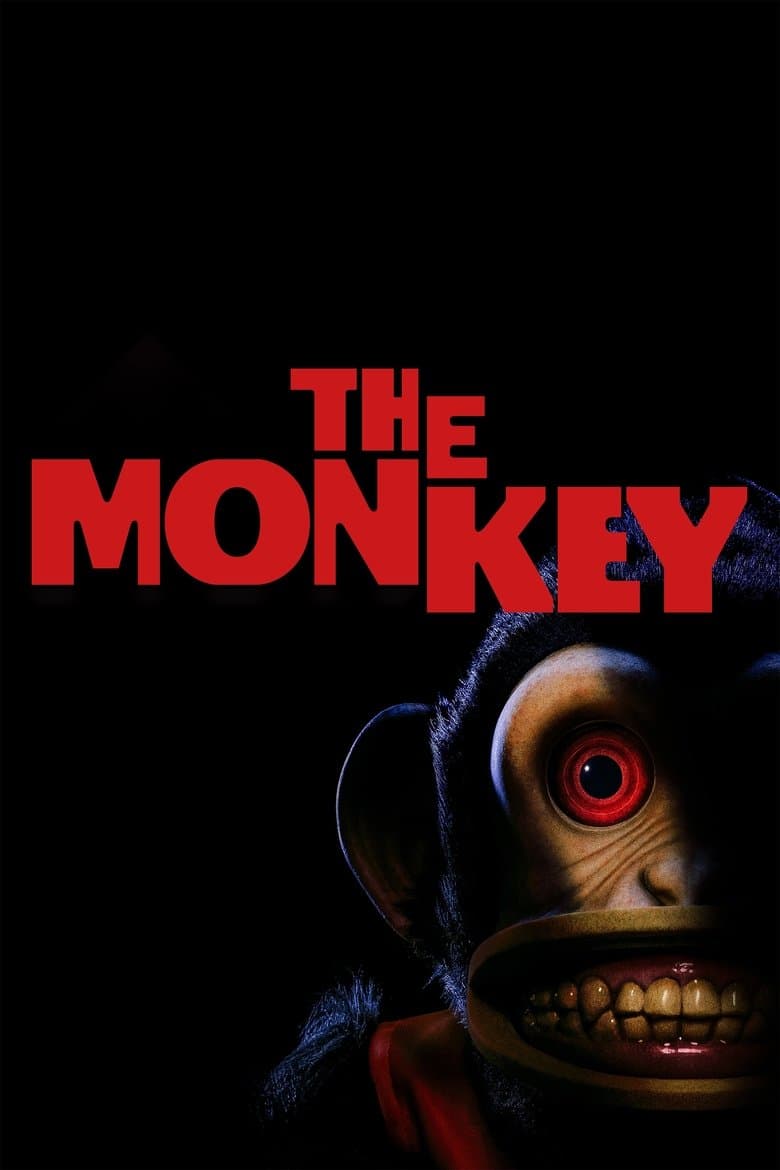
Movie · 2025
When twin brothers find a mysterious wind-up monkey, a series of outrageous deaths tear their family apart. Twenty-five years later, the monkey begins a new killing spree forcing…
