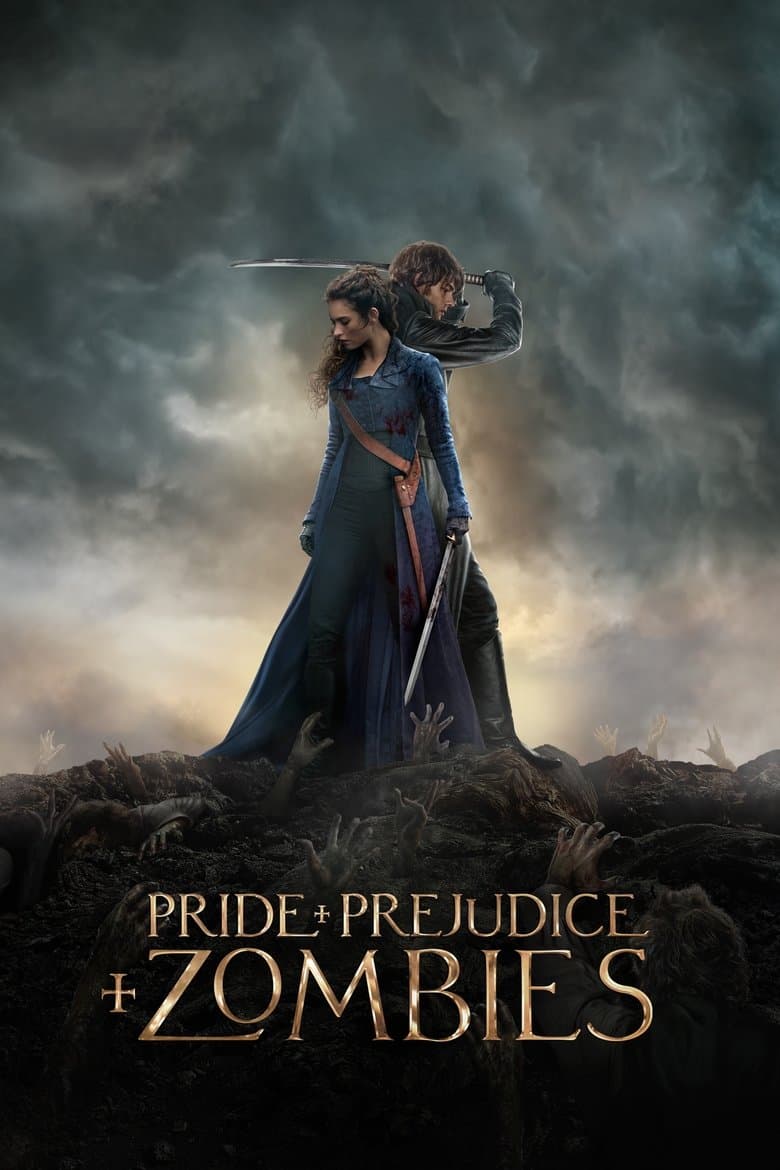
Movie review
February 4, 2016 · 108 min · PG-13 · Horror · Comedy · Thriller · Romance
A 2016 comedic horror mashup that drops a zombie apocalypse into Jane Austen's Regency England, where the Bennet sisters train as warriors to fight the undead while the core plot of pride, prejudice, class tensions, and romance plays out alongside gore and action. Elizabeth Bennet and her sisters display martial arts skills and battlefield agency in multiple fight sequences, with some 2016 reviews and cast comments highlighting this as female empowerment. The emphasis remains light and premise-driven rather than activist, with no modern political dialogue, institutional critiques, or identity messaging layered on top of the parody.
Community feedback
Was our 18% Woke rating accurate?
Breakdown
These are the editorial factors and ratings behind our score for Pride and Prejudice and Zombies.
Woke representation / casting
Casting matches the Regency English setting with British leads in period-appropriate roles and no audience-visible forced diversity, identity signaling, or mismatches with the story world.
12%
Woke political dialogue
Dialogue stays close to Austen's witty observations on manners and class, mixed with zombie combat quips for comedy; zero modern activist, political, or identity-focused speeches.
5%
Identity-driven story themes
Recurring fight scenes and character beats highlight the Bennet sisters' combat skills and independence from strict domestic expectations, creating a noticeable strong-female-warrior dynamic that viewers register amid the action and romance.
22%
Western institutional / cultural critique
Retains light Austen-era satire on marriage and class presented comically with gore; no modern activist reframing of patriarchy, traditional norms, capitalism, or Western institutions.
8%
Woke character or canon changes
Not relevant. The film adapts the 2009 parody novel without ideological alterations to Austen characters or events.
0%
Anti-woke backlash and complaints
No measurable backlash claiming the title pushes woke, activist, identity-political, or left-wing messaging; reception ignored politics entirely in favor of entertainment critiques. Evidence of such complaints is absent or extremely weak.
5%
Creator track record context
Burr Steers shows no pattern of activist or identity-driven prior work; Natalie Portman's producing credit adds negligible context given her limited role and the film's neutral content; Grahame-Smith's output is consistently entertainment-focused mashups.
5%
Production
Movie · 2016
From Jane Austen’s novella, the beautiful and cunning Lady Susan Vernon visits the estate of her in-laws to wait out colorful rumors of her dalliances and to find husbands for…
Movie · 2024
After a family tragedy, three generations of the Deetz family return home to Winter River. Still haunted by Betelgeuse, Lydia's life is turned upside down when her teenage…
Movie · 2016
Ronnie runs a Disco walking tour with his son, Brayden. When a sexy woman takes the tour, it begins a competition between father and son for her love.
Movie · 2022
Two strangers believe in love but never seem to be able to find its true meaning. In a wild twist of events, fate puts each in the other's path on one stormy New Year's Eve.
Movie · 2024
After raising an unnervingly talented spider in secret, 12-year-old Charlotte must face the truth about her pet and fight for her family's survival.
Movie · 2018
When teenager Elle's first kiss leads to a forbidden romance with the hottest boy in high school, she risks her relationship with her best friend.
Movie · 2025
Four years after defeating The Grabber, Finney Blake is struggling with life after captivity. When his younger sister Gwen begins receiving calls in her dreams from the Black…
Movie · 2019
Columbus, Tallahassee, Wichita, and Little Rock move to the American heartland as they face off against evolved zombies, fellow survivors, and the growing pains of the snarky…
