
Rachel Hamilton is a New York advertising executive who treats work as the most important part of her life. Her fiancé leaves her at the altar after she takes a business call during the wedding. Rachel then takes her planned Caribbean honeymoon cruise with Harry, the father who left when she was five. The trip mixes jokes, drinking, arguments, and sad talks as the two try to forgive each other and rebuild their family bond.
The film presents Rachel as a skilled woman who loves her career, and it does not make her give up work or find a husband to become complete. Rachel still has to learn that family and close relationships need time, so the story supports balance instead of total career focus. A gay male couple appears among the cruise tablemates, and the couple's relationship and plan to adopt are treated as normal and friendly. These identity elements are visible but secondary, while the main story stays focused on work, regret, forgiveness, and the father daughter bond.
Community feedback
Was our 28% Woke rating accurate?
Breakdown
These are the editorial factors and ratings behind our score for Like Father.
Woke representation / casting
The cruise dinner group includes an openly gay male couple, an African American couple, and an older married couple. The group appears in several short scenes and makes this range of identities visible. The main story stays with a white father and daughter, so the supporting mix does not control the plot.
20%
Woke political dialogue
The film gives one brief acceptance line when Harry says there would be nothing wrong with him being gay. Harry then explains that Gabe was his work partner. The movie has no repeated political speech.
10%
Identity-driven story themes
Rachel is shown as a capable woman who loves her career and keeps it after her wedding ends. The film does not end her story with a new husband, and Rachel learns that she can have work and family at the same time. The story returns to female independence and career-life balance throughout the cruise and in the ending. This theme shapes Rachel's arc, but the film does not turn it into a broad political campaign.
38%
Western institutional / cultural critique
Not present. The story criticizes personal workaholism, but it does not frame that lesson as an attack on capitalism, religion, conservative beliefs, or Western institutions.
0%
Woke character or canon changes
Not relevant. The film tells an original modern story and does not change a known character, book, real person, or historical event.
0%
Anti-woke backlash and complaints
Not present. No anti-woke backlash was found in the available X research or wider coverage. The reported Netflix artwork dispute criticized misleading racial targeting, not a woke message in the movie.
0%
Creator track record context
Lauren Miller Rogen's public record is mainly filmmaking, Alzheimer's advocacy, and support for more women directors. Her title-related interviews frame Rachel's career and her choice not to need a man as part of the film's point. Anders Bard and the producers have little or no documented recurring identity-politics activism.
8%
Production
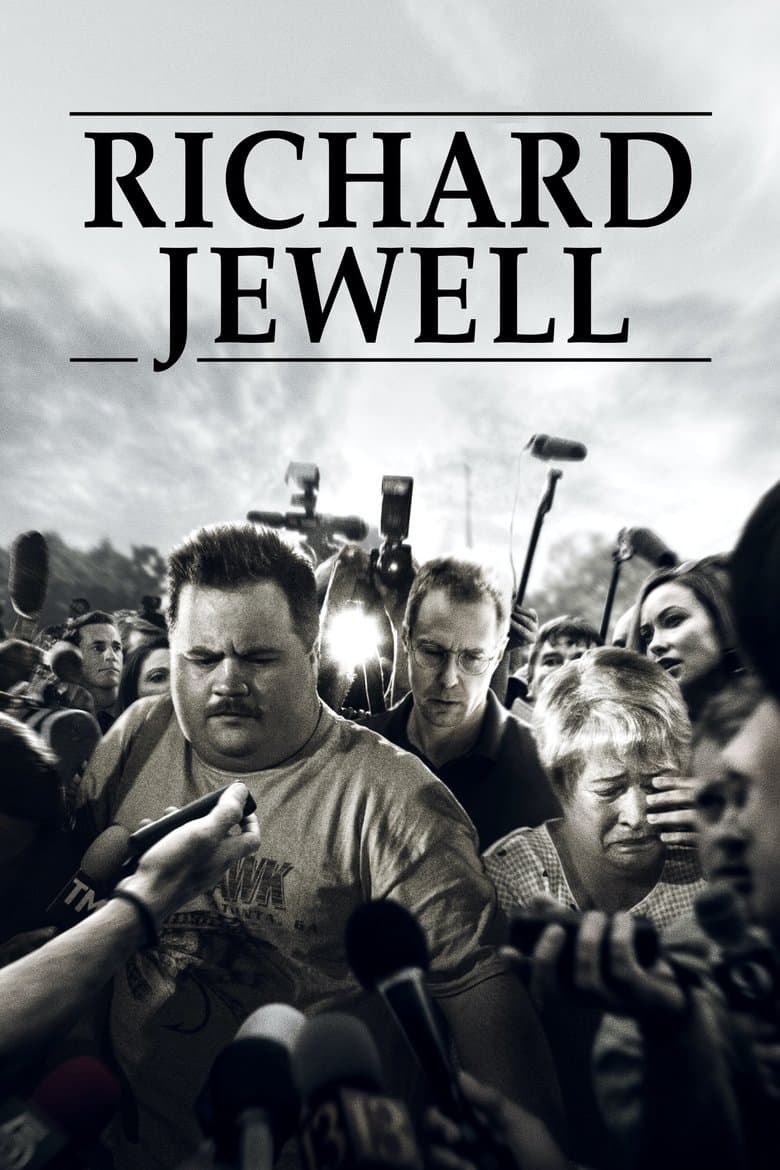
Movie · 2019
Richard Jewell thinks quick, works fast, and saves hundreds, perhaps thousands, of lives after a domestic terrorist plants several pipe bombs and they explode during a concert…

Movie · 2016
After his older brother passes away, Lee Chandler is forced to return home to care for his 16-year-old nephew.
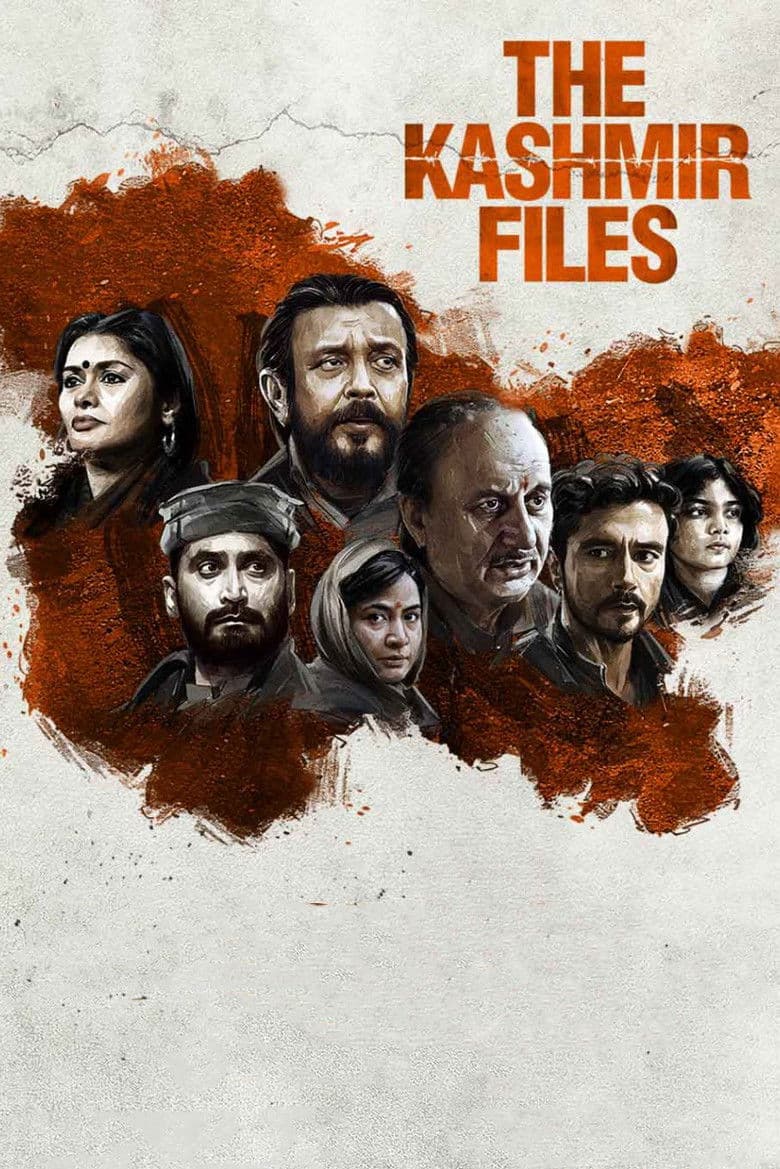
Movie · 2022
Based on a true tragedy, the emotionally triggering film sheds light on the plight of Kashmiri Pandits (Hindus), a religious minority in the 1990s Kashmir valley, who were…
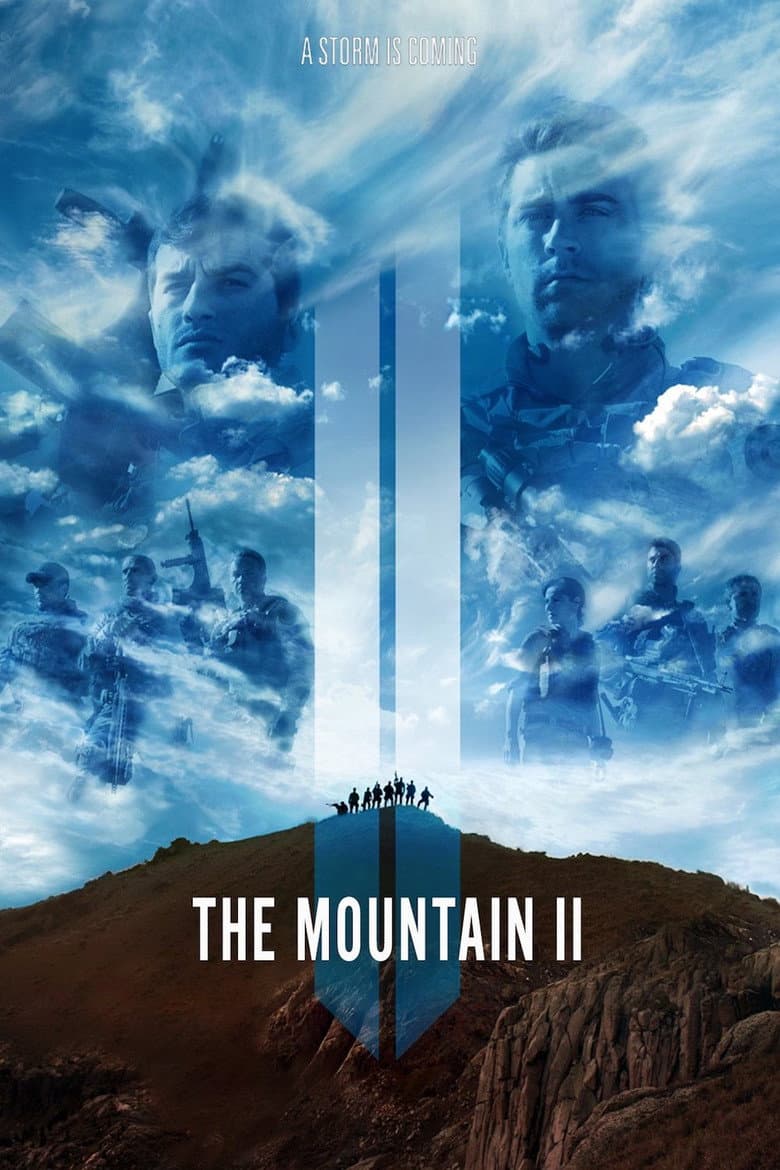
Movie · 2016
In a desolate war zone where screams of the innocent echo, on the very line between disaster and valor, 7 Maroon Berets will dance with death.
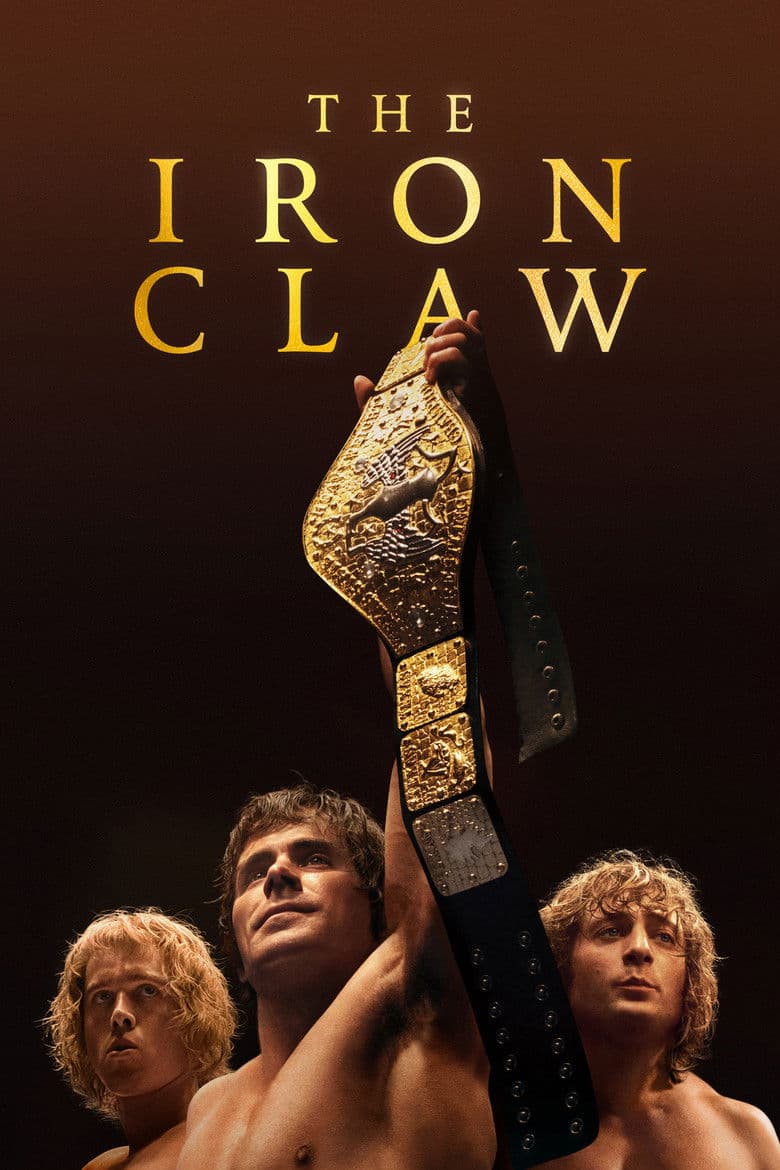
Movie · 2023
The true story of the inseparable Von Erich brothers, who made history in the intensely competitive world of professional wrestling in the early 1980s.
Movie · 2016
On 15 January 2009, the world witnessed the 'Miracle on the Hudson' when Captain 'Sully' Sullenberger glided his disabled plane onto the Hudson River, saving the lives of all 155…

Movie · 2024
On the brink of the Second World War, a young Norwegian man's drive to resist the Nazis sets a new course for his future – and the future of his country.
Movie · 2025
A logger leads a life of quiet grace as he experiences love and loss during an era of monumental change in early 20th-century America.
