
Knock Down the House follows Alexandria Ocasio-Cortez, Cori Bush, Amy Vilela, and Paula Jean Swearengin as they run in the 2018 Democratic primary campaigns. Ocasio-Cortez works as a bartender in the Bronx, while the other candidates campaign in Missouri, Nevada, and West Virginia. Each woman enters politics because of personal experiences that include family death, health problems, police violence, and harm linked to coal pollution. The film shows their door-to-door work, money problems, fear, losses, and hope. Ocasio-Cortez wins, while the other candidates lose, but the film presents all four campaigns as part of a larger movement.
The film makes women’s political power and representation central themes. The candidates and campaign workers support stronger voices for women and people of color, abortion rights, closing the wage gap, transgender soldiers, Medicare for All, abolishing ICE, a $15 minimum wage, and action on mass incarceration. The film presents grassroots organizing as a way to challenge corporate money, party leaders, wealthy donors, and political systems that favor insiders. The story connects the candidates’ identities and personal losses to a wider effort to change government. These ideas shape much of the film, but the documentary also focuses on courage, community work, political risk, and the value of a movement beyond one election.
Community feedback
Was our 86% Woke rating accurate?
Breakdown
These are the editorial factors and ratings behind our score for Knock Down the House.
Woke representation / casting
The film centers four real women who run for Congress. The film highlights Alexandria Ocasio-Cortez and Cori Bush as women of color and connects their identities to who should represent a district. The documentary presents the group as women from different regions, jobs, and life stories. The director described a casting process built around the wave of women candidates and different kinds of diversity.
52%
Woke political dialogue
The candidates and their teams often discuss modern activist causes. The film includes support for abortion rights, closing the gender wage gap, transgender soldiers, Medicare for All, abolishing ICE, a $15 minimum wage, and mass incarceration. The speakers also criticize corporate money and old party leaders. Political messages appear in campaign planning, public events, debates, and speeches, so they drive much of the film.
64%
Identity-driven story themes
The film treats women entering national politics as a major sign of social change. The candidates connect their experiences as women, working people, mothers, and women of color to the need for different leaders. The story presents personal loss and unfair treatment as reasons to fight for wider groups, not only as private problems. The repeated message says that people who have been left out should take power and change government.
74%
Western institutional / cultural critique
The film repeatedly shows established political institutions serving insiders, wealthy donors, and party machines. The candidates challenge corporate PAC money and describe Congress as disconnected from working people. The film also shows women being judged by different rules and connects that pressure to their political work. The story does not attack Christianity or ordinary family life, but it presents institutional reform as the answer to the country’s problems.
56%
Woke character or canon changes
Not relevant. The film follows real candidates and real campaigns. It does not change an established character or known event.
0%
Anti-woke backlash and complaints
Small right-leaning X accounts called the film leftist or politically stacked. Those accounts said the film presented Justice Democrats as auditioning socialist or communist candidates. A conservative review called the film a propaganda-style origin story for leftist politicians and attacked its racial identity politics and progressive policy message. Mainstream reviews and festival audiences were mostly favorable, which kept the backlash limited. No boycott, review-bombing, or coordinated anti-woke campaign was found.
34%
Creator track record context
Rachel Lears has a strong record of documentaries about grassroots activism, economic inequality, climate justice, and women of color in politics. Regina K. Scully has a long record of producing media about gender bias, representation, and social justice. The other producers mostly have issue-focused records, while writer Ryan Blotnick has no clear activist profile. The film closely matches Lears’s and Scully’s public work, so the creator track record is a strong supporting signal.
78%
Production

Movie · 2022
Using unprecedented Olympic footage and behind-the-scenes material, The Redeem Team tells the story of the US Olympic Men's Basketball Team’s quest for gold at the 2008 Olympic…

Movie · 2023
Bonded by their love of freediving, a record-setting champion and a heroic safety diver try to make history with a remarkable feat, ready to risk it all.

Movie · 2022
Does infinity exist? Can we experience the Infinite? In an animated film (created by artists from 10 countries) the world's most cutting-edge scientists and mathematicians go in…
Movie · 2024
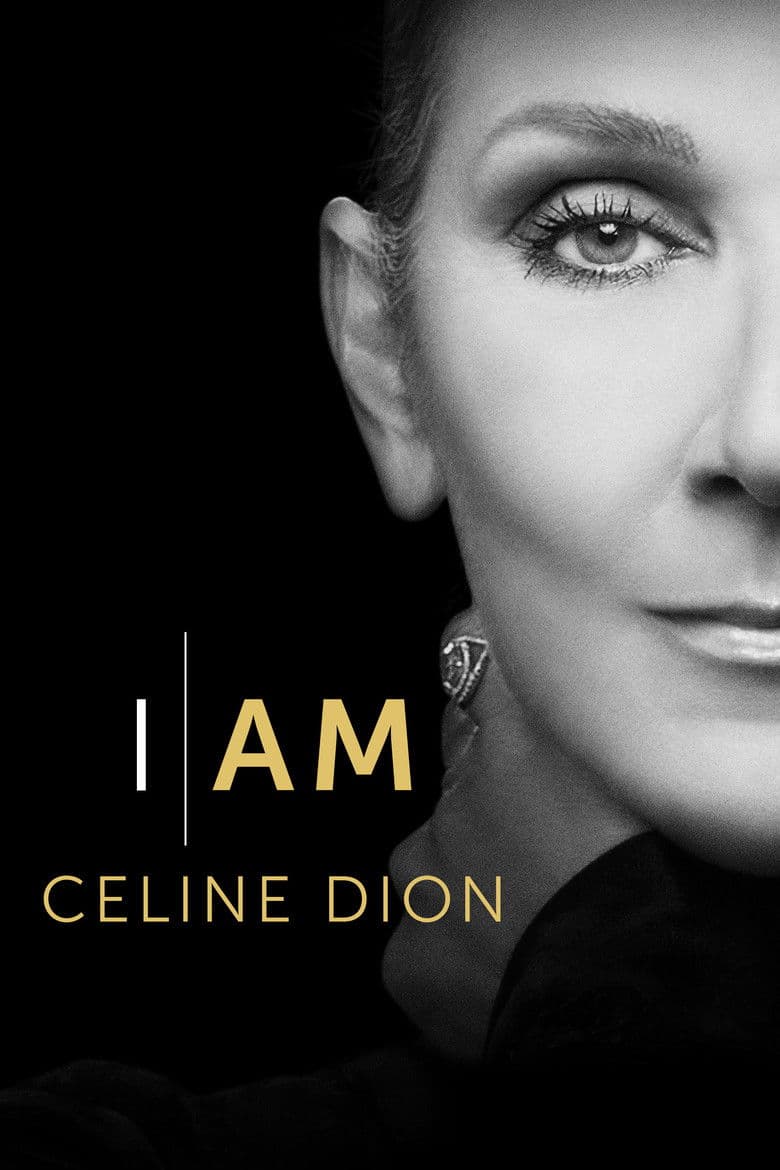
A raw and honest behind-the-scenes look at the iconic superstar's struggle with a life-altering illness. Serving as a love letter to her fans, this inspirational documentary…

Movie · 2019
He promised supermodels and yachts, but delivered tents and cheese sandwiches. How one man engineered a music festival disaster.

Movie · 2017
Coral reefs are the nursery for all life in the oceans, a remarkable ecosystem that sustains us. Yet with carbon emissions warming the seas, a phenomenon called "coral bleaching"…

Movie · 2021
Never-before-seen footage shows how our living in lockdown opened the door for nature to bounce back and thrive.

Movie · 2020
After years of swimming every day in the freezing ocean at the tip of Africa, Craig Foster meets an unlikely teacher: a young octopus who displays remarkable curiosity.
