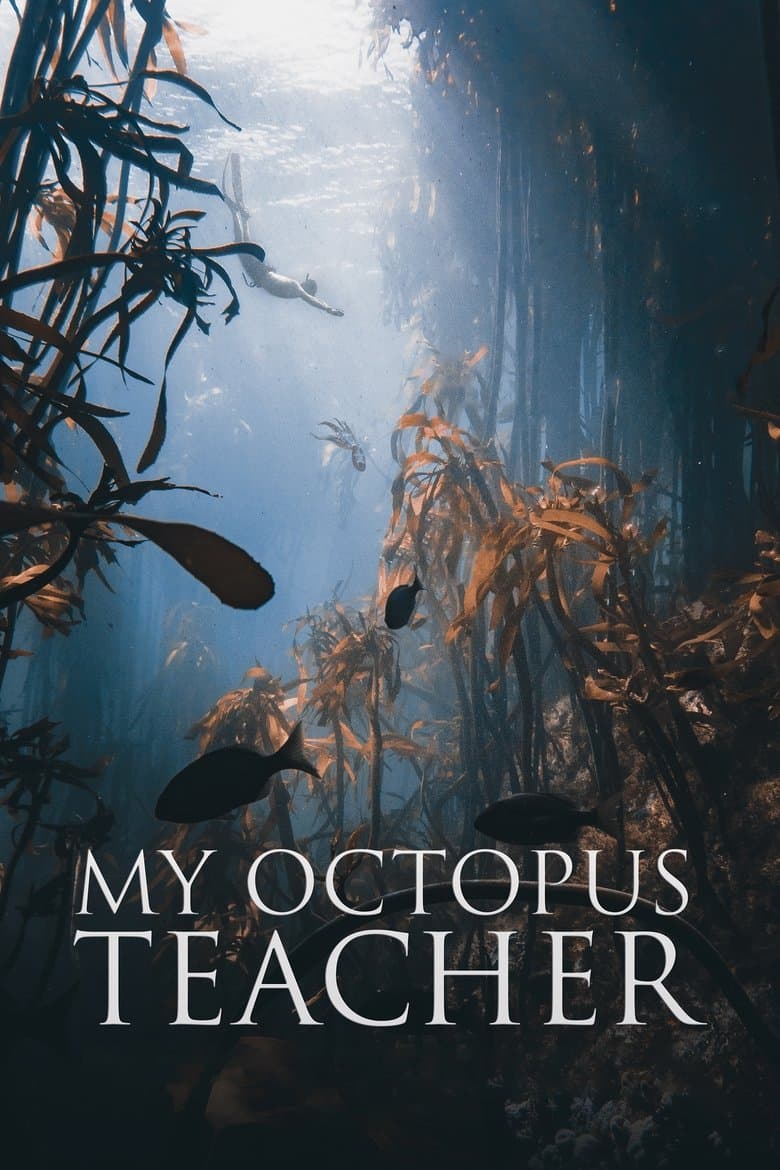
Craig Foster is a filmmaker who feels burned out and cut off from his family. He starts swimming every day in the cold kelp forest near Cape Town, South Africa. He follows a wild female octopus through hunting, danger, injury, and the last part of her short life. The film has a quiet, warm, and sometimes sad tone as Craig learns to care about the sea and rebuilds trust with his son.
The clearest identity element is a small gender-role reversal. The female octopus becomes the teacher, while Craig becomes the student who learns humility, trust, and compassion from her. The film mainly uses this setup to explore animal intelligence, grief, healing, and a man's bond with a wild creature. Its gentle message asks viewers to see humans as part of nature instead of standing above it.
Community feedback
Was our 10% Woke rating accurate?
Breakdown
These are the editorial factors and ratings behind our score for My Octopus Teacher.
Woke representation / casting
Not present. This is a documentary built around real individuals in their actual environment with no casting decisions or diversity signaling present.
0%
Woke political dialogue
Not present. The voiceover and story contain only personal reflections on nature, healing, and animal life with zero political statements or activist language.
0%
Identity-driven story themes
The octopus is female, and the film makes her the teacher while Craig becomes the student. This creates a small gender-role reversal in the central relationship. Director Pippa Ehrlich said she used Whale Rider as a guide because of its themes about the power of women and gender roles. The film mainly uses this setup to explore trust, healing, animal intelligence, and the bond between a man and a wild animal.
18%
Western institutional / cultural critique
Not present. The film offers no critiques of institutions, patriarchy, capitalism, or Western norms; it presents a positive, apolitical view of individual connection to the wild.
0%
Woke character or canon changes
Not relevant. This is an original documentary based on real events with no established characters, source material, or historical figures being altered for ideological reasons.
0%
Anti-woke backlash and complaints
Not present. No significant public complaints accuse the film of pushing woke, DEI, or identity-driven content; existing criticism stays limited to animal ethics and narrative choices.
0%
Creator track record context
James Reed is listed at 0/100 and has a record in wildlife documentaries. Pippa Ehrlich is listed at 4/100 and has worked in marine conservation. Craig Foster is listed at 7/100 and supports ocean protection and rewilding. Their mild activist focus is nature conservation, not identity politics or left-wing campaigns.
6%
Production

Movie · 2017
The ancient Chinese game of Go has long been considered a grand challenge for artificial intelligence. Yet in 2016, Google's DeepMind team announced that they would be taking on…
Movie · 2022
Cat experts dive into the mind of the feline to reveal the true capabilities of the pouncing pet in this captivating and cuddly documentary.
Movie · 2021
Never-before-seen footage shows how our living in lockdown opened the door for nature to bounce back and thrive.
Movie · 2022
A doomed love triangle between intrepid French scientists Katia and Maurice Krafft, and their beloved volcanoes.
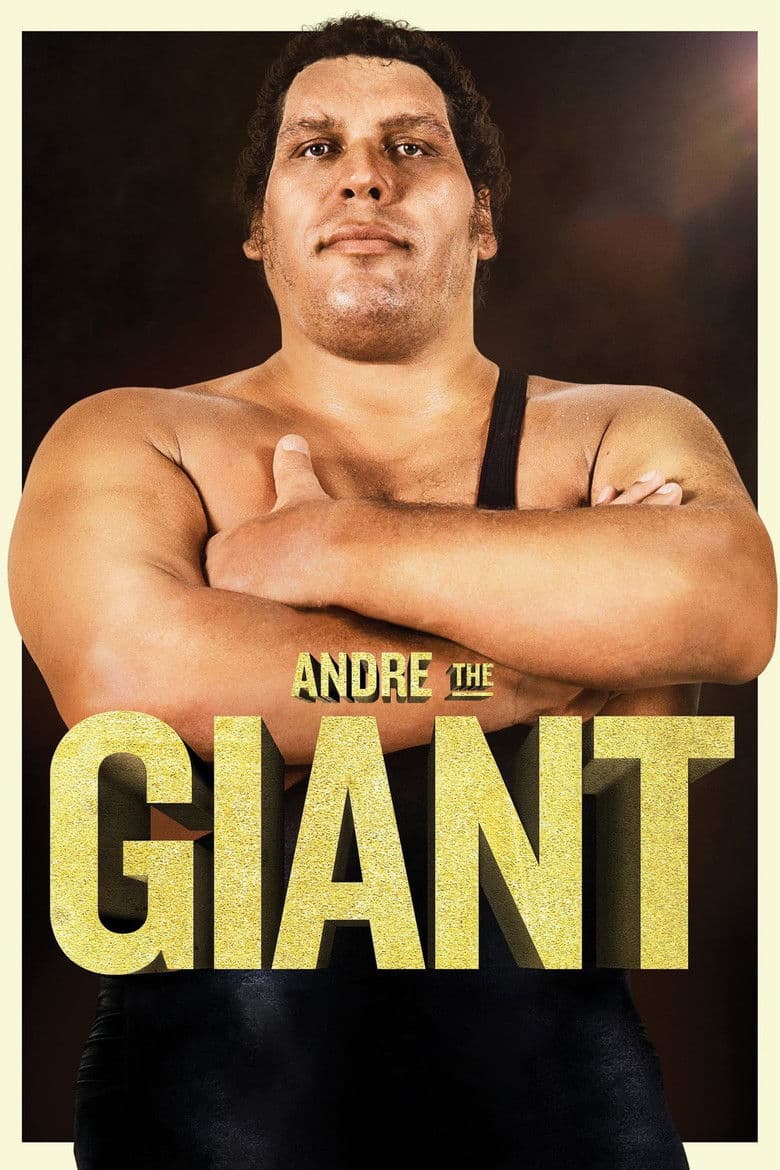
Movie · 2018
An ambitious and wide-ranging documentary exploring Andre’s upbringing in France, his celebrated career in WWE, and his forays in the entertainment world.
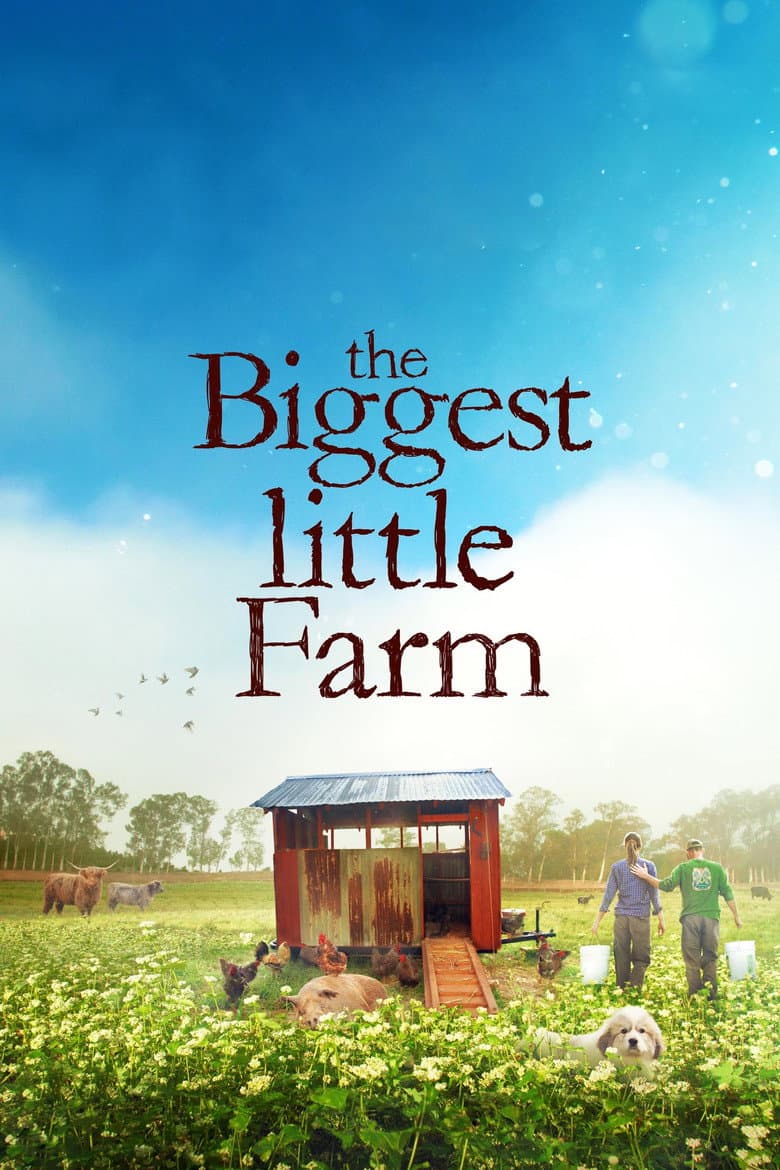
Movie · 2019
The successes and failures of a couple determined to live in harmony with nature on a farm outside of Los Angeles are lovingly chronicled by filmmaking farmer John Chester, in…
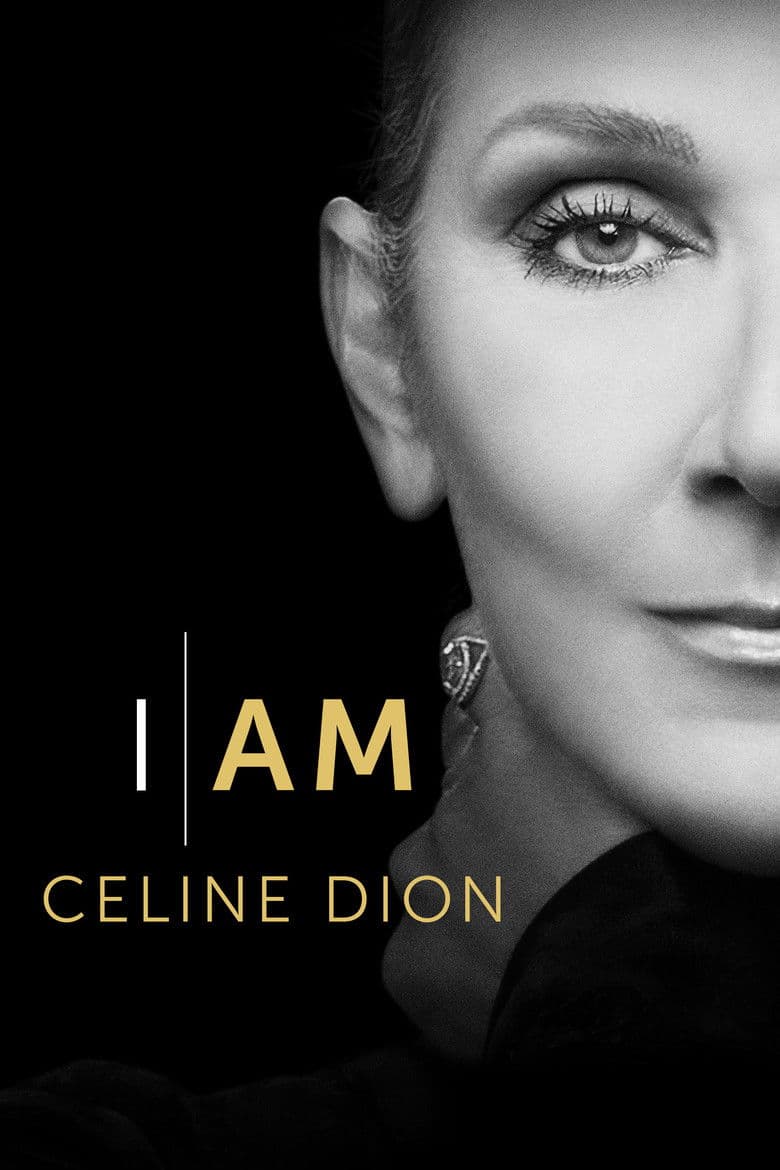
Movie · 2024
A raw and honest behind-the-scenes look at the iconic superstar's struggle with a life-altering illness. Serving as a love letter to her fans, this inspirational documentary…
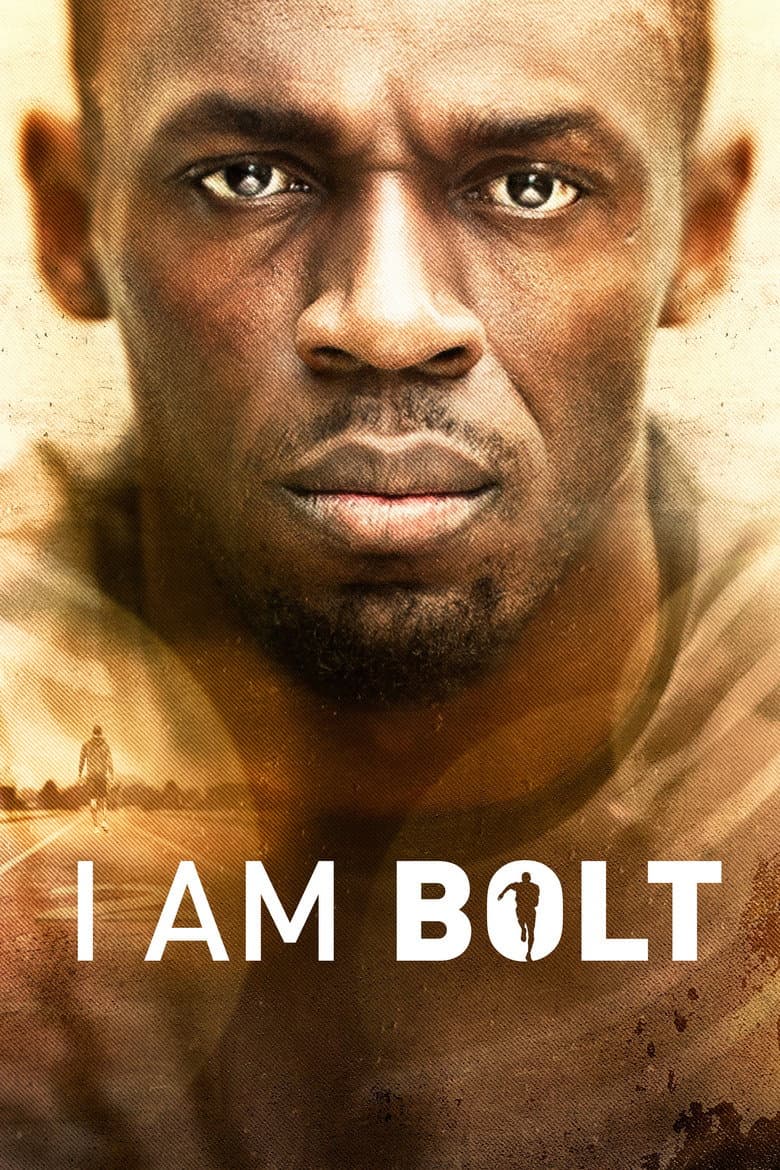
Movie · 2016
Fully authorized, access-all-areas feature doc on the hugely charismatic and globally adored Usain Bolt – officially the fastest man alive.
