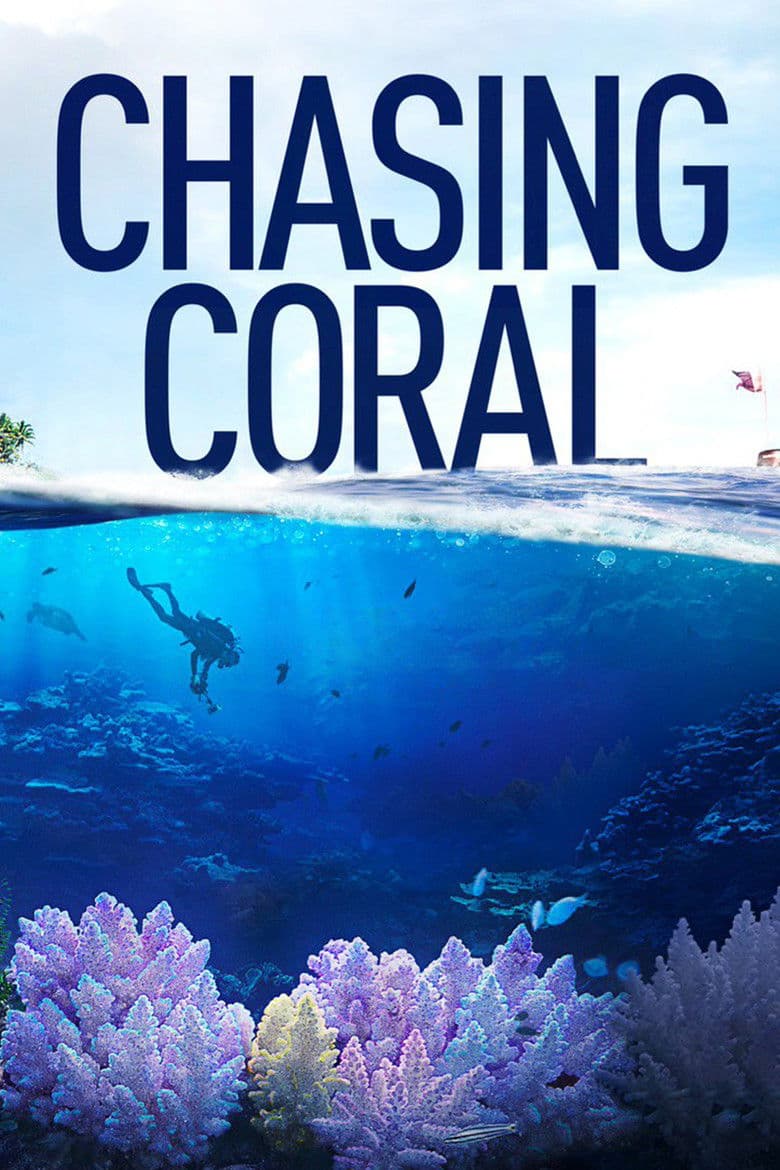
Chasing Coral follows Richard Vevers, a former advertising worker who became an underwater photographer and ocean campaigner. He joins young coral expert Zackery Rago, filmmaker Jeff Orlowski, and a group of scientists and divers. They travel through warm seas in places such as Hawaii, Australia, and the Caribbean while building cameras that can record coral bleaching over time. The team faces storms, broken equipment, poor visibility, and the pain of watching living reefs turn white and die. The film feels like a bright underwater adventure that slowly becomes sad and urgent.
The film openly argues that human carbon emissions and burning coal, oil, and gas are heating the oceans and killing coral reefs. Scientists repeat that warning, and the ending asks people to support climate action, join reef surveys, and help push change. The film also presents cleaner cities, new jobs, and shared effort as hopeful answers. These are clear environmental activist themes, but the story does not center on race, gender, sexuality, or other identity politics. The message shapes the whole documentary, while identity-driven themes are not part of the main story.
Community feedback
Was our 28% Woke rating accurate?
Breakdown
These are the editorial factors and ratings behind our score for Chasing Coral.
Woke representation / casting
Not present. The film follows real divers, photographers, and scientists chosen for their reef work. It does not present the people on screen as a diversity or identity statement.
0%
Woke political dialogue
Scientists repeatedly say that human carbon emissions and fossil fuel burning heat the oceans and cause coral bleaching. The film asks people to support climate action, join reef surveys, and help protect reefs. The ending presents climate action as a way to improve jobs, cities, and pollution. This message is frequent and central, but it is environmental activism rather than race, gender, or DEI politics.
45%
Identity-driven story themes
Not present. The story is about coral bleaching, climate change, and ocean life. It does not build its conflict around race, gender, sexuality, or group identity.
0%
Western institutional / cultural critique
Not present. The film criticizes carbon emissions and human inaction, but it does not attack Western culture, capitalism, Christianity, family life, gender roles, or other institutions.
0%
Woke character or canon changes
Not relevant. The film uses real people and real coral events rather than established fictional characters. It does not change a character’s race, sex, sexuality, or role.
0%
Anti-woke backlash and complaints
Not present. The X research found no anti-woke reaction or boycott campaign. Public reviews mainly praised the film or described it as environmental advocacy, without a clear anti-woke complaint.
0%
Creator track record context
Jeff Orlowski has a mild environmental activist record through climate films and public impact work. Vickie Curtis and Davis Coombe have mainly worked on climate and other social-issue documentaries. Larissa Rhodes has an environmental and civic record, with little public identity-politics work. The context supports a mild activist signal, not a strong identity-politics pattern.
27%
Production

Movie · 2017
The ancient Chinese game of Go has long been considered a grand challenge for artificial intelligence. Yet in 2016, Google's DeepMind team announced that they would be taking on…

Movie · 2018
A behind-the-scenes documentary about the recording of Aretha Franklin's best-selling album finally sees the light of day more than four decades after the original footage was…
Movie · 2020
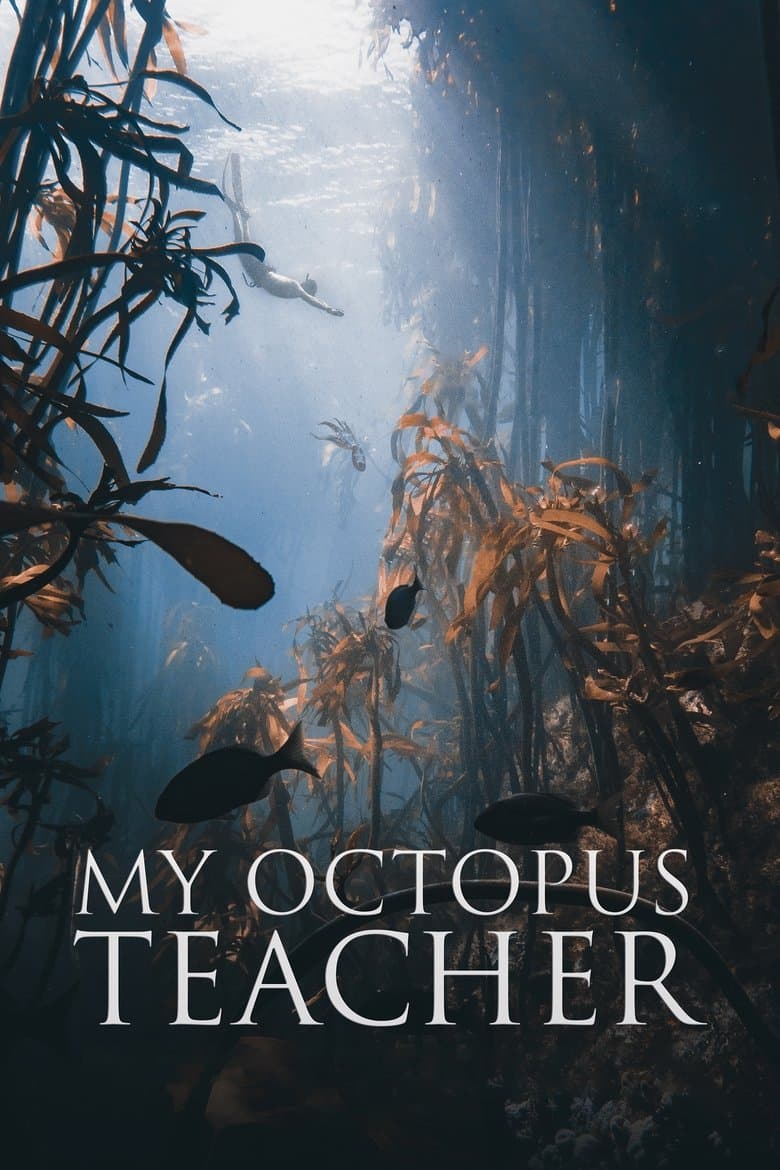
After years of swimming every day in the freezing ocean at the tip of Africa, Craig Foster meets an unlikely teacher: a young octopus who displays remarkable curiosity.

Movie · 2019
He promised supermodels and yachts, but delivered tents and cheese sandwiches. How one man engineered a music festival disaster.
Movie · 2022
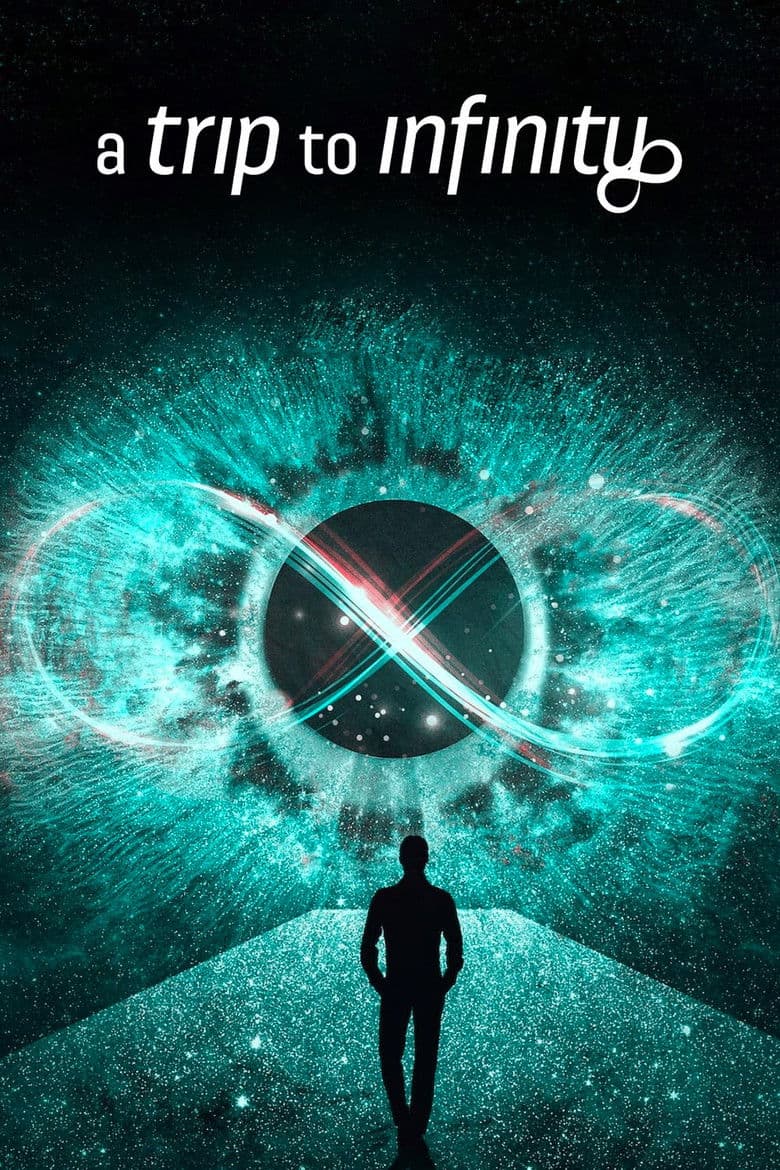
Does infinity exist? Can we experience the Infinite? In an animated film (created by artists from 10 countries) the world's most cutting-edge scientists and mathematicians go in…

Movie · 2016
Fully authorized, access-all-areas feature doc on the hugely charismatic and globally adored Usain Bolt – officially the fastest man alive.

Movie · 2019
The successes and failures of a couple determined to live in harmony with nature on a farm outside of Los Angeles are lovingly chronicled by filmmaking farmer John Chester, in…
Movie · 2023
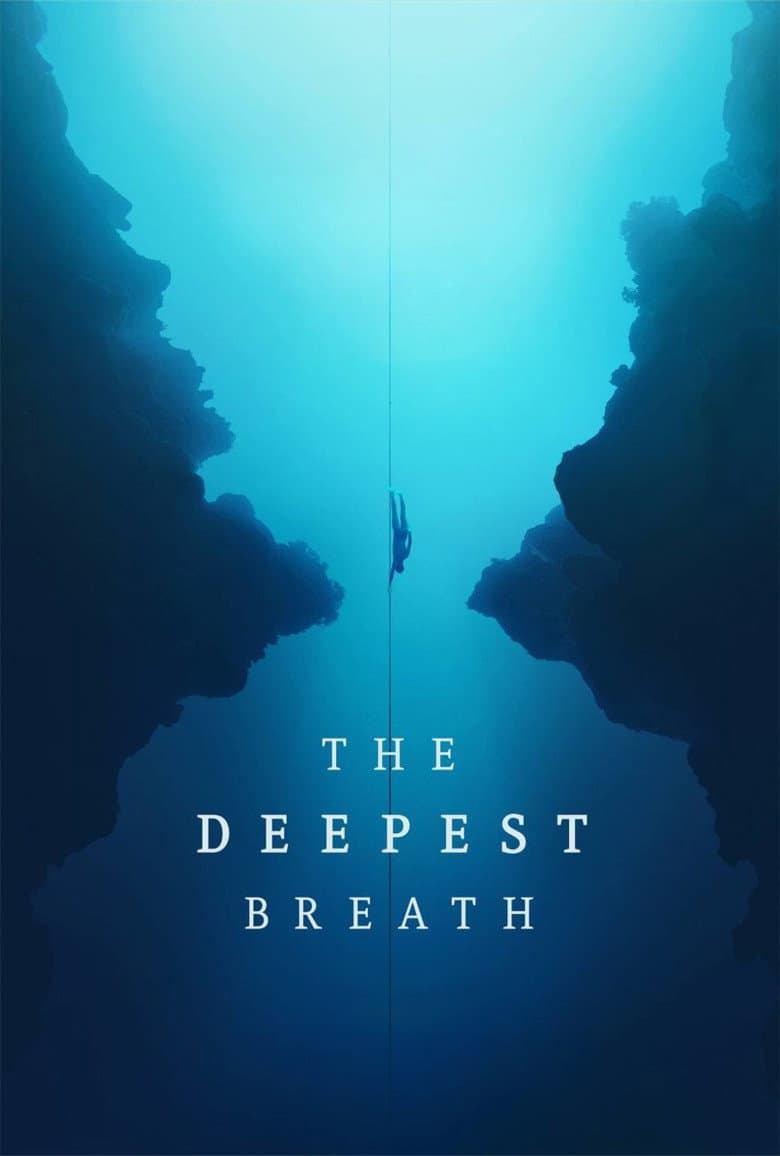
Bonded by their love of freediving, a record-setting champion and a heroic safety diver try to make history with a remarkable feat, ready to risk it all.
