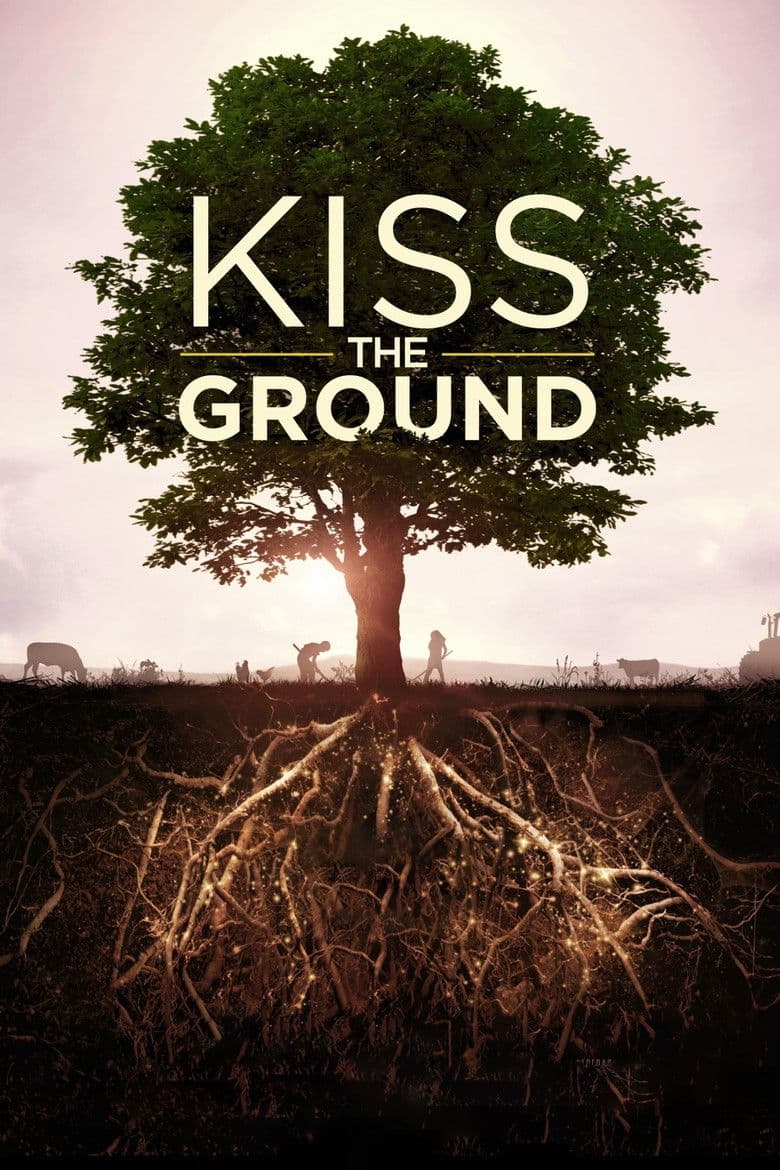
This is a 2020 nature documentary narrated by Woody Harrelson. It follows farmers, scientists, ranchers, and activists who say modern farming is hurting the soil and the climate. The film’s big idea is “regenerative agriculture”: farming that rebuilds healthy dirt so it can pull carbon from the air, hold more water, and grow more food. The tone starts worried about climate and bad soil, then turns hopeful with real farm stories and simple soil science.
Most of what a normal viewer notices is green activism, not race, gender, or queer identity politics. The film pushes climate urgency, blames tilling and farm chemicals for dead soil, and praises new old-style farming as a fix for the planet. It also hits industrial farming and big chemical companies hard, with scary talk about poisons, GMOs, and even harsh war and Nazi camp comparisons some farmers hated. There is a short Indigenous Lakota voice about older land practices, plus famous climate-minded celebrities. Viewers who want to avoid identity-first storytelling will mostly see a climate and farming lecture instead.
Community feedback
Was our 49% Woke rating accurate?
Breakdown
These are the editorial factors and ratings behind our score for Kiss the Ground.
Woke representation / casting
Talks with farmers, scientists, ranchers, and famous guests. A short Indigenous speaker appears. Not built as identity-first casting or quota-style star roles. Left-leaning critics even said it was not diverse enough. Diversity is incidental, not the sell.
8%
Woke political dialogue
Heavy climate and soil sermons, harsh lines on pesticides, GMOs, and industrial farming, plus celebrity activist soundbites. Some viewers heard warfare and Nazi-camp style comparisons. Clear political green messaging; not race or gender lectures.
38%
Identity-driven story themes
Core story is dirt, carbon, and regenerative farming, not race, gender, or queer identity arcs. Light nod that regenerative ideas echo Indigenous practice. Climate activism is the theme, not identity politics as the plot engine.
28%
Western institutional / cultural critique
Strong attack on industrial farming, chemical companies, tilling systems, feedlots, and weak climate action. Frames big ag and chemicals as harming people and planet. Noticeable activist critique of modern food industry; not a focus on faith, gender roles, or family norms.
52%
Woke character or canon changes
Not present in this title.
0%
Anti-woke backlash and complaints
Farmers and Ag Daily called it propaganda, anti-farmer, and full of scare talk. That is left-leaning climate/ag agenda pushback, not a big DEI or race-swap backlash. Classic “too woke identity” complaints are thin.
18%
Creator track record context
Key Tickell team and partners are longtime climate, clean energy, and green-story filmmakers. Cached scores sit mostly in the mild green-activist range, not identity-first DEI careers. Matches the film’s eco focus.
20%
Production
Movie · 2018
A behind-the-scenes documentary about the recording of Aretha Franklin's best-selling album finally sees the light of day more than four decades after the original footage was…
Movie · 2022
A doomed love triangle between intrepid French scientists Katia and Maurice Krafft, and their beloved volcanoes.
Movie · 2016
Andrew Dominik's One More Time With Feeling is a remarkable black and white documentary which chronicles the creation of Nick Cave & The Bad Seeds' album Skeleton Tree.
Movie · 2017
Coral reefs are the nursery for all life in the oceans, a remarkable ecosystem that sustains us. Yet with carbon emissions warming the seas, a phenomenon called "coral bleaching"…
Movie · 2021
Never-before-seen footage shows how our living in lockdown opened the door for nature to bounce back and thrive.
Movie · 2022
Cat experts dive into the mind of the feline to reveal the true capabilities of the pouncing pet in this captivating and cuddly documentary.

Movie · 2022
Does infinity exist? Can we experience the Infinite? In an animated film (created by artists from 10 countries) the world's most cutting-edge scientists and mathematicians go in…
Movie · 2022
Using unprecedented Olympic footage and behind-the-scenes material, The Redeem Team tells the story of the US Olympic Men's Basketball Team’s quest for gold at the 2008 Olympic…
