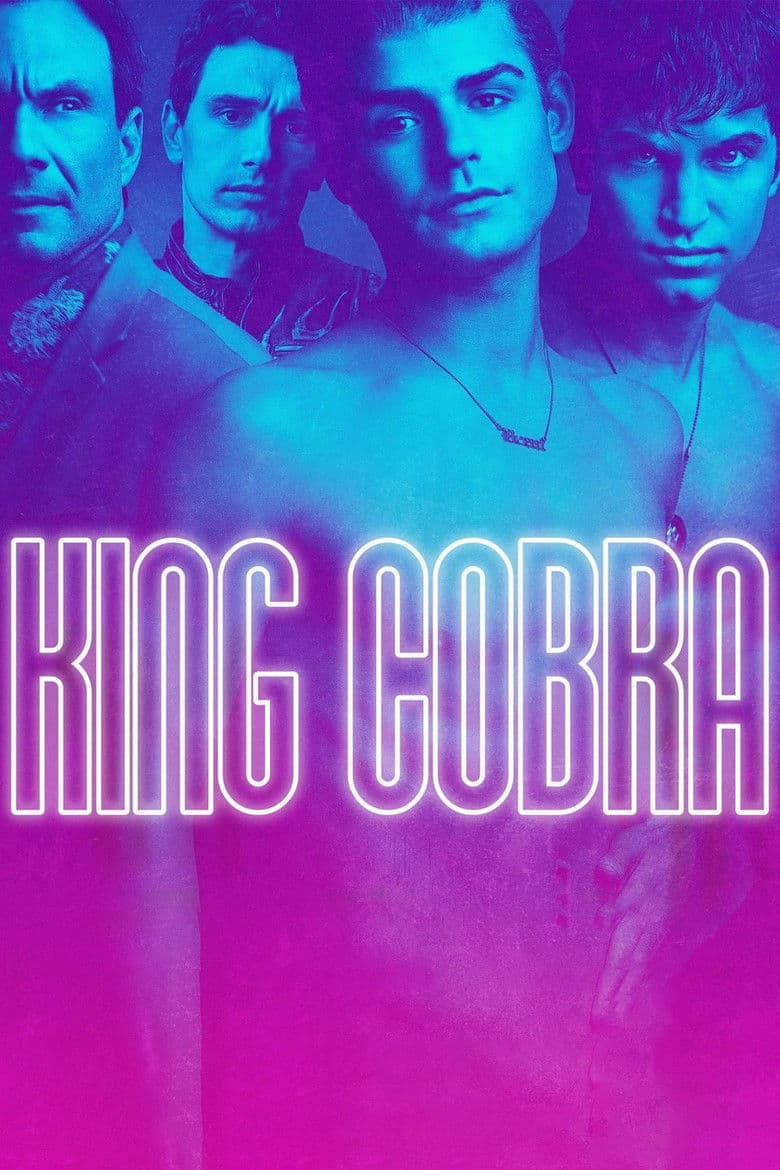
Set in Pennsylvania in 2006, the movie follows 17-year-old Sean Lockhart as he takes the name Brent Corrigan and enters gay pornography. Christian Slater plays Stephen, a closeted producer who brings Sean into his home, makes him a star, and tries to control him. James Franco and Keegan Allen play rival producers whose hunger for Brent pulls the men into a deadly fight. The movie mixes crime, dark humor, sex, jealousy, and a grim view of people chasing fame and money.
Queer life is the movie's main world, not a small side plot. Sean builds a new public identity, while Stephen and Joe treat younger men as lovers, workers, and valuable products. The story shows how contracts, money, age, desire, and fear of being unwanted drive the characters toward violence. The film presents gay relationships and sexual identity in nearly every major plot thread. It also questions shame and the pressure to appear straight, while showing the damage caused by possessive and exploitative behavior.
Community feedback
Was our 66% Woke rating accurate?
Breakdown
These are the editorial factors and ratings behind our score for King Cobra.
Woke representation / casting
Not present. The main cast is mostly white and male, and the gay roles fit the true-crime setting. The movie does not present the casting as a diversity-first statement or build a quota-style group.
0%
Woke political dialogue
Stephen asks why he should not be attracted to boys who look like Sean. The film also jokes that every top secretly wants to be a bottom. These lines touch sexual identity and gender roles, but the movie has no recurring activist speech.
15%
Identity-driven story themes
The movie centers gay men and their sexual relationships from beginning to end. Sean builds a new identity as Brent Corrigan and later fights to control that name and career. Stephen and Joe use younger men as lovers and products, while jealousy and fear of aging drive the plot. Queer relationships and identity are not a side issue; they are the whole setting and main conflict.
90%
Western institutional / cultural critique
Stephen hides his gay life behind a plain suburban image. His sister tries to set him up with women, so the movie shows pressure to look straight. The story also shows male control, jealousy, and the use of younger men for money and status. These ideas recur in the relationships, but the film does not attack Christianity, capitalism, or Western institutions in a broad activist way.
24%
Woke character or canon changes
Not relevant. The movie changes names and compresses a real case, but it does not change a character’s race, gender, sexuality, or heroic role.
0%
Anti-woke backlash and complaints
Not present. No anti-woke backlash found. Brent Corrigan objected that the movie was inaccurate and mocked queer culture, which is not a complaint that the film is too woke. The X research also found no anti-woke posts, boycotts, or review-bombing.
0%
Creator track record context
Justin Kelly’s work often centers queer identity, sexuality, and self-definition. His earlier film I Am Michael followed a gay activist who rejected homosexuality and became a Christian pastor. In interviews, Kelly described King Cobra as a queer story that does not need an uplifting ending. The other listed producers have much lower or limited public records for political or identity-driven work.
64%
Production
Movie · 2016
A divorced dad and his ex-con brother resort to a desperate scheme in order to save their family's farm in West Texas.

Movie · 2018
In 1991, a sheltered teenager comes of age during a wild summer on Cape Cod, getting rich from selling pot to gangsters, falling in love for the first time, partying, and…
Movie · 2017
A middle-aged Irish farmer, who still lives at home with his mother, sets off on a mission of revenge when the old lady is murdered.

Movie · 2023
When his aging mob boss is whacked, Charlie Swift, a loyal friend and hired gun, will stop at nothing to destroy the upcoming crew that took him out.
Movie · 2024
A middle-class bank clerk who longs to trade stability for adventure gets more than he bargained for when he unexpectedly becomes a wealthy man.
Movie · 2019
A chronicle of the crimes of Ted Bundy, from the perspective of his longtime girlfriend, Elizabeth Kloepfer, who refused to believe the truth about him for years.
Movie · 2019
After a mass shooting at a police funeral, reclusive ex-cop Gannon finds himself unwittingly forced out of retirement when he realizes that the killer belongs to the same militia…

Movie · 2018
Earl Stone, a man in his eighties, is broke, alone, and facing foreclosure of his business when he is offered a job that simply requires him to drive.
