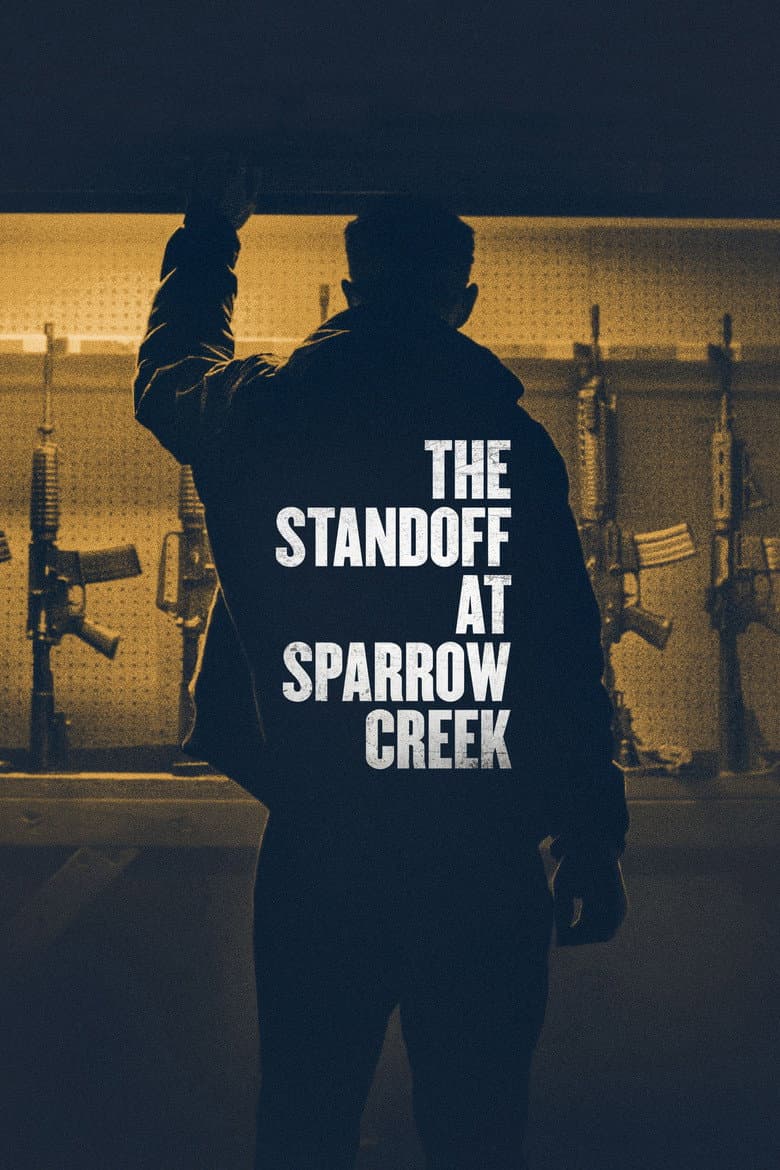
The film follows Gannon, a former police officer who has joined a private militia in Michigan. After a gunman attacks a police funeral, Gannon hears that the killer used a rifle from the militia’s hidden stockpile. He brings the other members into a dark lumber warehouse and questions them before the police arrive. The night turns into a tense search for a traitor, with fear, threats, and sudden violence replacing open action.
The film puts a group of armed men at the center and shows how pride, suspicion, and loyalty can trap them. The story gives most of its attention to male anger, gun culture, extremist beliefs, and distrust of police power. The story uses a former cop, an undercover officer, a neo-Nazi, and a militia leader to test whether order or loyalty can survive a crisis. The movie treats the need to belong as a dark human problem that drives the thriller.
Community feedback
Was our 0% Woke rating accurate?
Breakdown
These are the editorial factors and ratings behind our score for The Standoff at Sparrow Creek.
Woke representation / casting
Not present. The film centers on a mostly male militia group in a modern Michigan setting. The cast and story do not present diversity as a message.
0%
Woke political dialogue
Not present. The characters talk about guns, police violence, militia plans, and government distrust. The dialogue does not push modern identity, gender-role, DEI, or activist ideas.
0%
Identity-driven story themes
Not present. The story examines group loyalty, male anger, white supremacy, gun culture, and extremist violence. It does not make race, gender, sexuality, or another current identity struggle the main character arc.
0%
Western institutional / cultural critique
Not present. The story includes corrupt police and a government trap against the militia. That is an anti-authority thriller conflict, not a modern activist critique of patriarchy, capitalism, whiteness, Christianity, or family life.
0%
Woke character or canon changes
Not relevant. The film is an original story with no established characters or source canon. It does not retell a real event or change a known character’s identity.
0%
Anti-woke backlash and complaints
Not present. The available reviews and audience posts do not accuse the film of pushing woke, DEI, or identity politics. Negative posts focus on the plot logic, slow pace, or ending.
0%
Creator track record context
Not present. Dunham and the listed producers have no strong public record of identity-driven activism or DEI campaigning tied to this film. Dunham described the project as a human story about connection and isolation.
0%
Production
Movie · 2017
A middle-aged Irish farmer, who still lives at home with his mother, sets off on a mission of revenge when the old lady is murdered.
Movie · 2024
While awaiting the next fuel truck at a middle-of-nowhere Arizona rest stop, a traveling young knife salesman is thrust into a high-stakes hostage situation by the arrival of two…
Movie · 2019
A charismatic New York City jeweler always on the lookout for the next big score makes a series of high-stakes bets that could lead to the windfall of a lifetime.
Movie · 2016
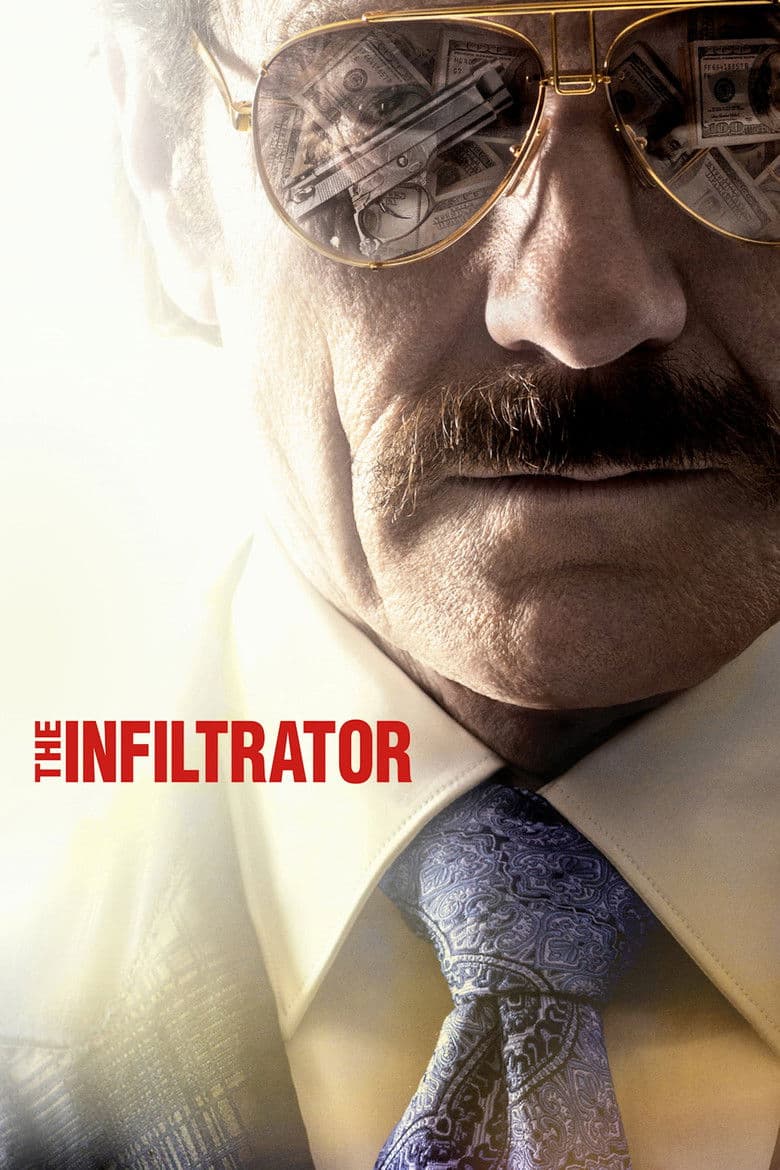
A U.S Customs official uncovers a massive money laundering scheme involving Pablo Escobar.
Movie · 2023
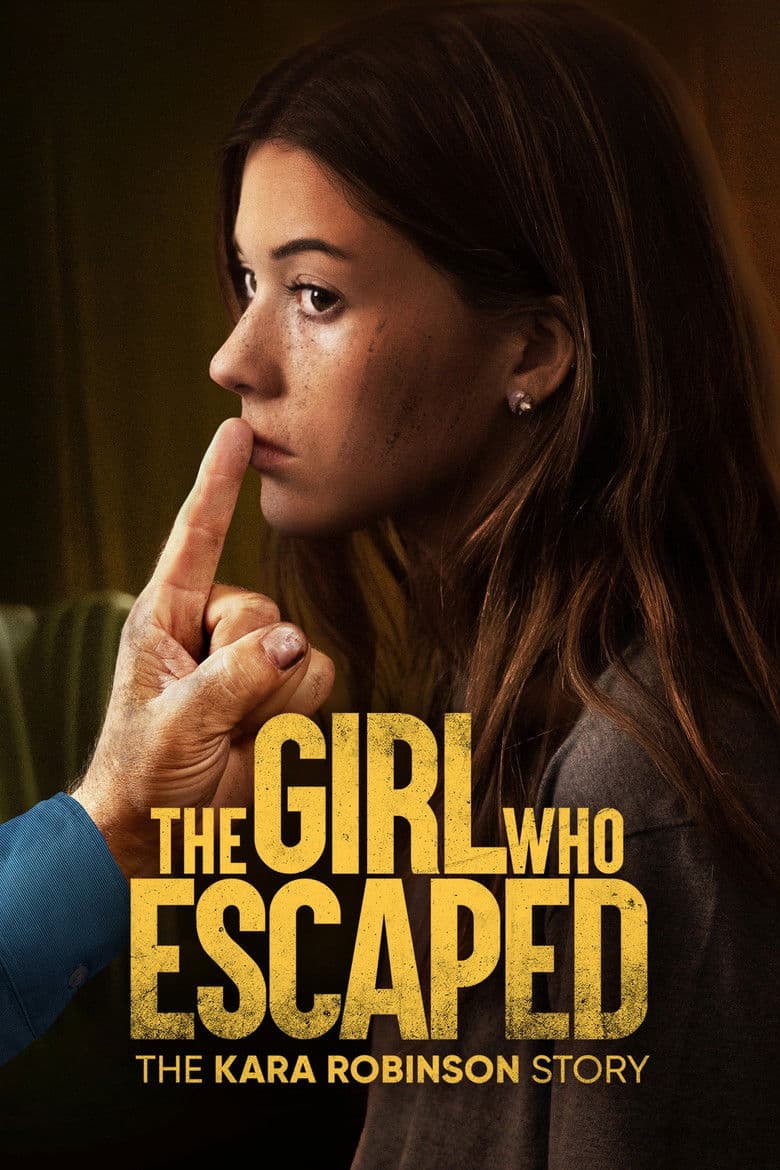
Based on a true story. 15-year-old Kara Robinson was kidnapped, assaulted and held captive for 18 hours. With her survival instincts kicking in, she plots a daring escape from the…
Movie · 2024
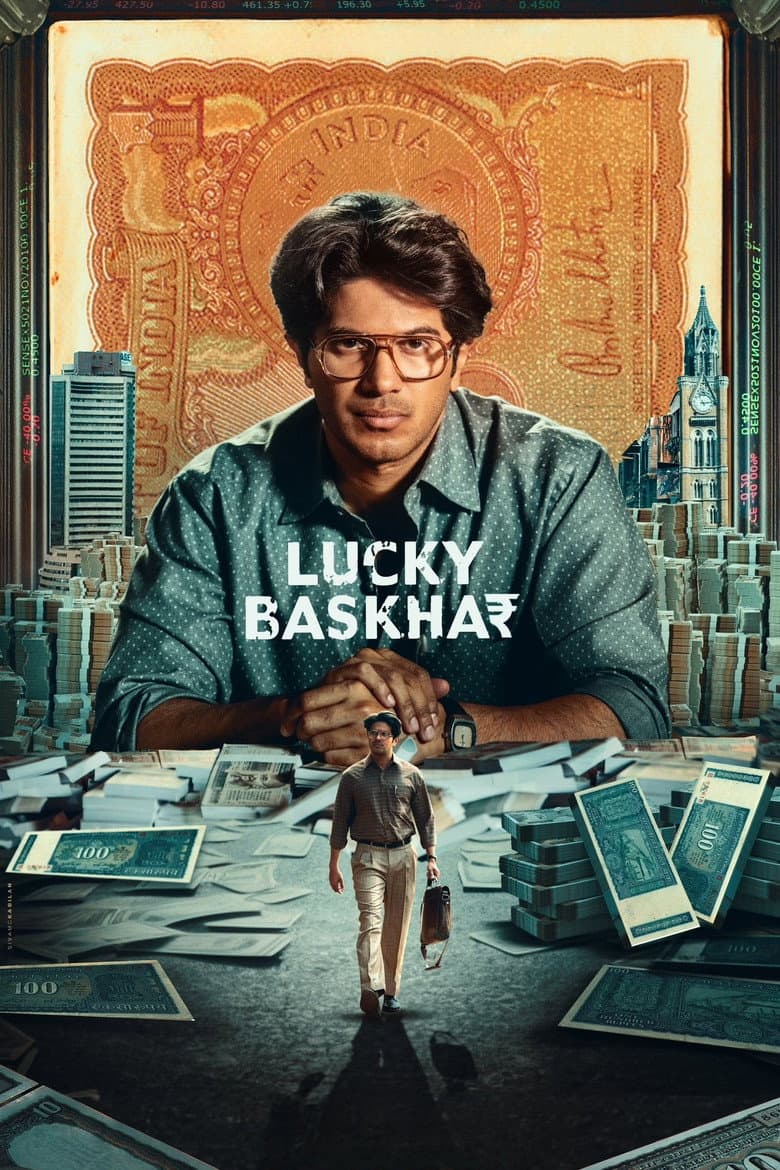
A middle-class bank clerk who longs to trade stability for adventure gets more than he bargained for when he unexpectedly becomes a wealthy man.
Movie · 2021
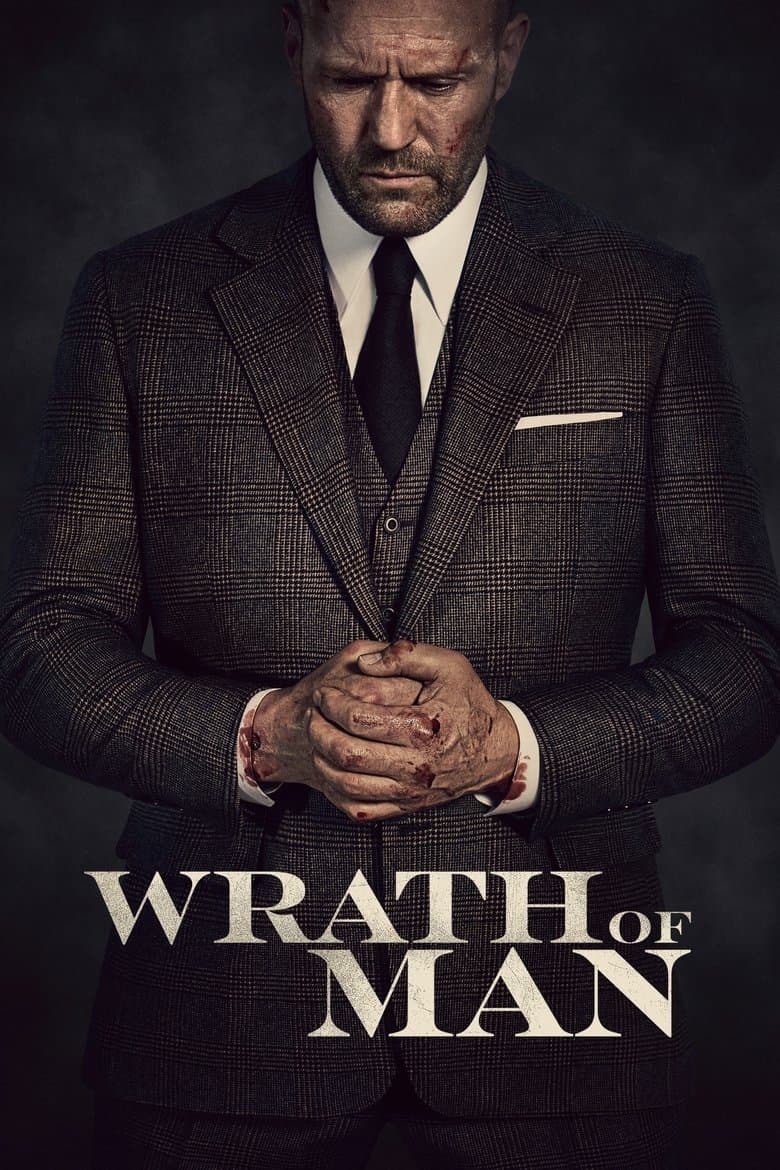
A cold and mysterious new security guard for a Los Angeles cash truck company surprises his co-workers when he unleashes precision skills during a heist.
Movie · 2021
The seemingly casual reunion of three old friends at an out-of-the-way repair shop masks a hidden agenda fuelled by the arrival of a privileged young yuppie.
