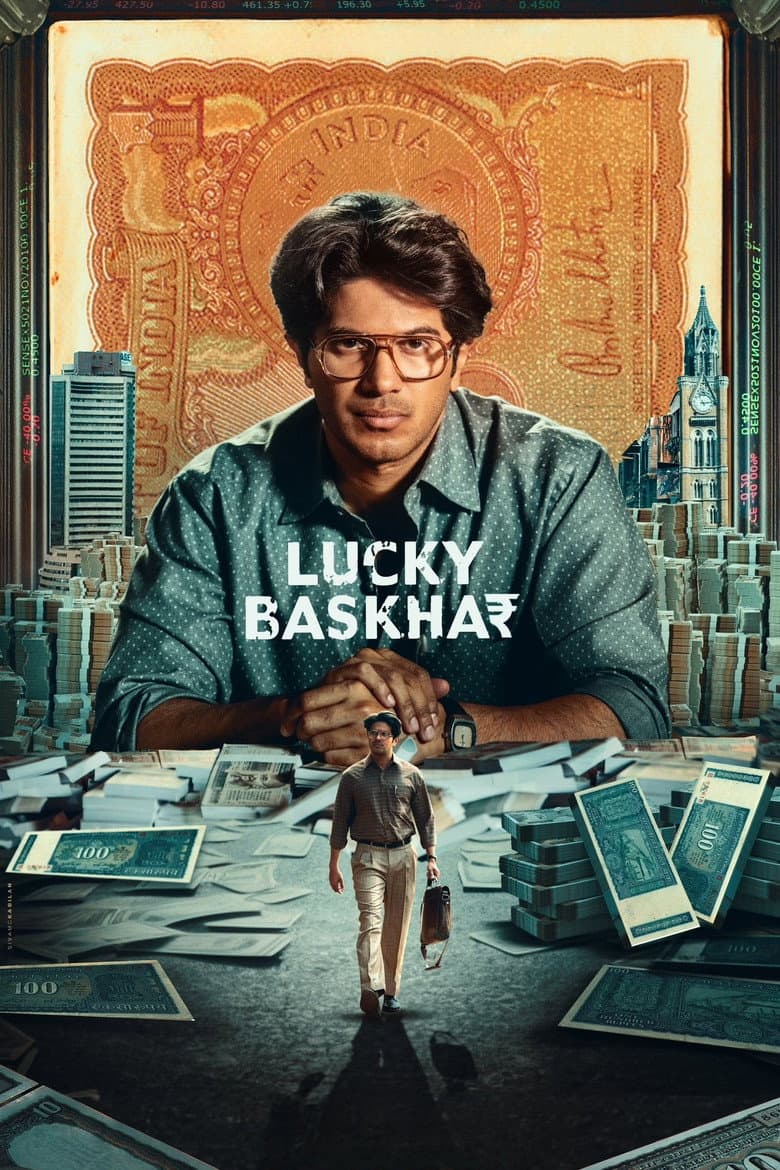
Lucky Baskhar follows Baskhar Kumar, a poorly paid bank cashier in late 1980s and early 1990s Bombay. He supports his wife Sumathi, their young son, his brother and sister, and his ailing father while debt and family shame press on him. After losing a promotion, he uses a bank loophole to help a smuggler and then enters a much larger stock market scam. The film mixes crime, family drama, humor, suspense, and a bright period look at Bombay.
One short workplace dispute raises Baskhar’s claim that caste and region affected a promotion, but his manager rejects it and points to job results. Sumathi is a wife and mother who starts a home food business and challenges Baskhar when money makes him cruel. Baskhar’s rise is tied to debt, greed, family duty, and corrupt banking, not to modern identity politics. The ending leaves a mixed picture of a clever criminal who protects his family while escaping with wealth.
Community feedback
Was our 3% Woke rating accurate?
Breakdown
These are the editorial factors and ratings behind our score for Lucky Baskhar.
Woke representation / casting
Not present. The cast presents Indian characters in a 1989 to 1992 Bombay banking story. The film does not use a diversity-first group or identity-framed casting.
0%
Woke political dialogue
Not present. A short promotion argument mentions caste and region, but the manager rejects the claim and points to job results. The scene does not become a modern activist message.
0%
Identity-driven story themes
Not present. The story centers on debt, fraud, greed, family duty, and personal pride. Sumathi questions Baskhar’s conduct, but the marriage conflict is not framed as a campaign about gender or identity.
0%
Western institutional / cultural critique
Not present. The film shows corrupt bank managers, stock market fraud, and rich people exploiting a middle-class worker. These events drive the crime plot and are not turned into a modern activist attack on capitalism or Western institutions.
0%
Woke character or canon changes
Not relevant. The film uses fictional characters in a story loosely inspired by a real financial scandal. It does not change a known character’s race, gender, or sexuality.
0%
Anti-woke backlash and complaints
Not present. No anti-woke complaints were reported in the reviewed coverage, and the provided X pass found none. Public reaction was mainly praise, while the reported dispute concerned alleged borrowing from Scam 1992 rather than woke content.
0%
Creator track record context
Venky Atluri has a stored score of 15/100. His record is mostly romance, family drama, and commercial storytelling, with Vaathi/Sir as a socially focused film about education access. The stored producer scores are 0/100, with no known pattern of DEI advocacy or identity-driven campaigning.
15%
Production
Movie · 2024
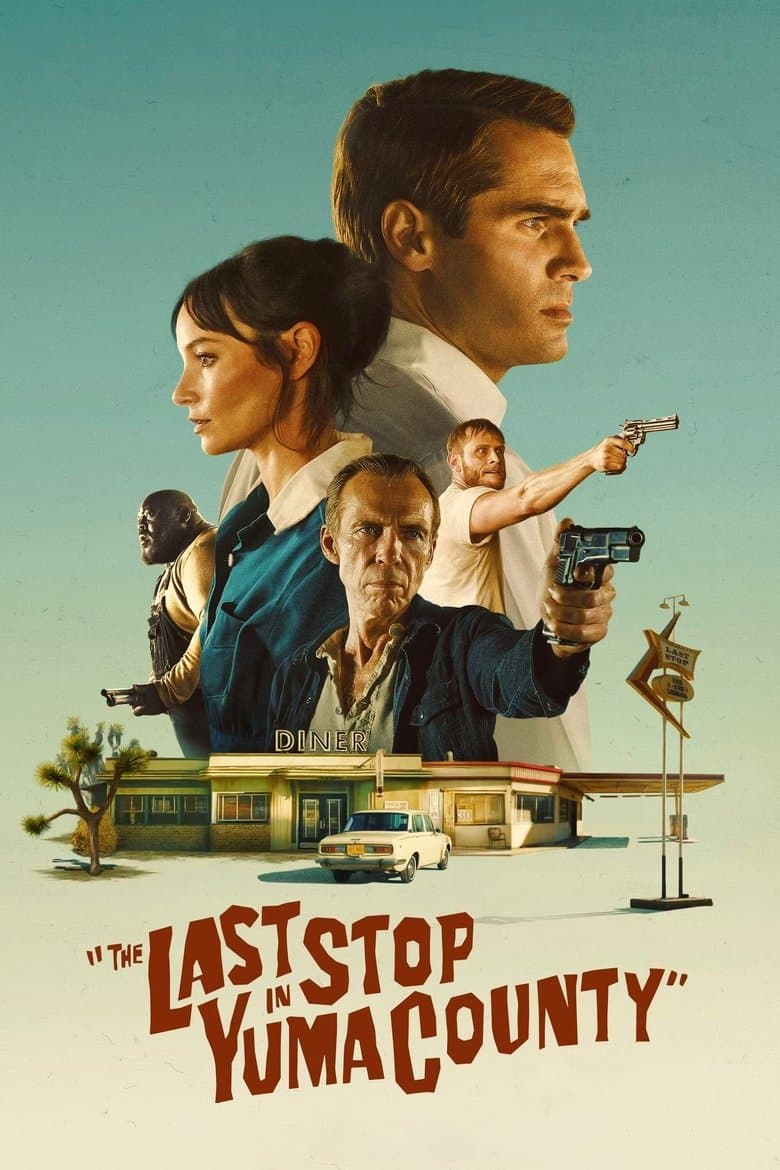
While awaiting the next fuel truck at a middle-of-nowhere Arizona rest stop, a traveling young knife salesman is thrust into a high-stakes hostage situation by the arrival of two…
Movie · 2019
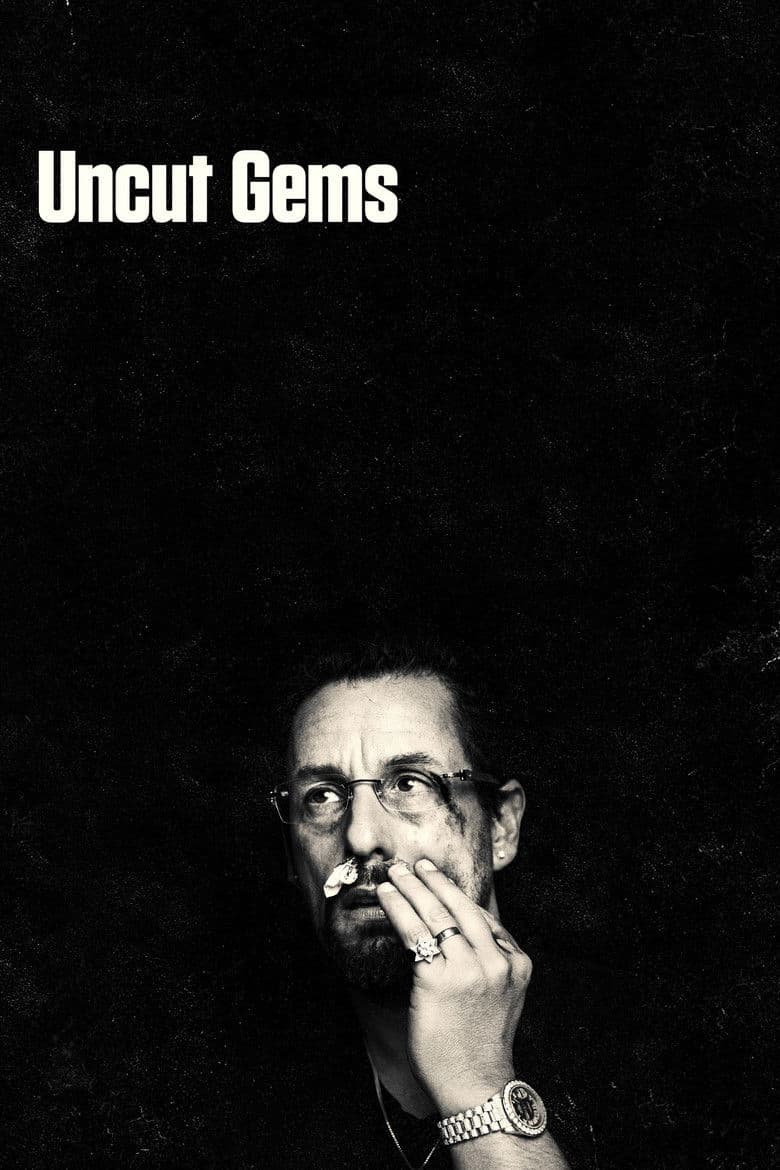
A charismatic New York City jeweler always on the lookout for the next big score makes a series of high-stakes bets that could lead to the windfall of a lifetime.
Movie · 2021
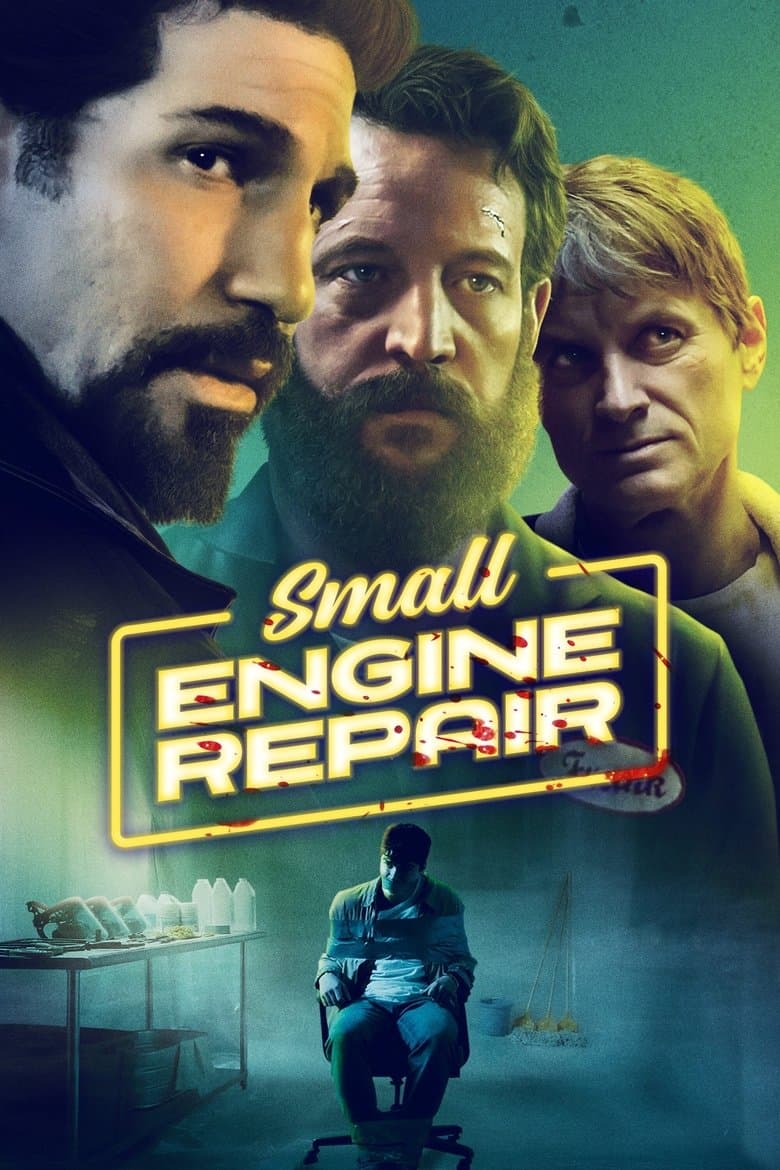
The seemingly casual reunion of three old friends at an out-of-the-way repair shop masks a hidden agenda fuelled by the arrival of a privileged young yuppie.
Movie · 2019
In the wake of his dramatic escape from captivity, Jesse Pinkman must come to terms with his past in order to forge some kind of future.
Movie · 2016
A naval officer is devastated to learn about his wife's extramarital affair with a rich businessman while he was away.
Movie · 2016
A U.S Customs official uncovers a massive money laundering scheme involving Pablo Escobar.
Movie · 2019
In 1934, Frank Hamer and Manny Gault, two former Texas Rangers, are commissioned to put an end to the wave of vicious crimes perpetrated by Bonnie Parker and Clyde Barrow, a…

Movie · 2023
A tormented father witnesses his young son die when caught in a gang's crossfire on Christmas Eve. While recovering from a wound that costs him his voice, he makes vengeance his…
