
Elizabeth Smart is the main voice in this true-crime documentary about her 2002 abduction at age 14. Brian David Mitchell and Wanda Barzee abduct her from her Salt Lake City home and hold her for nine months. Smart, her family, police, reporters, and local witnesses rebuild the search through interviews, home videos, police recordings, old news clips, and reenactments. The tone is painful and serious, but it ends with Smart describing her recovery and strength.
The film gives strong attention to a survivor's right to speak, the shame she carried, and the message that abuse is never the victim's fault. Smart says that lessons about sex before marriage did not prepare her to understand rape, and she explains how her faith changed after the crime. The film shows her present-day work to help other survivors and her effort to overcome shame. These messages about personal strength and religious teaching are clear, but they grow directly from her real experience and do not become a broad political campaign.
Community feedback
Was our 24% Woke rating accurate?
Breakdown
These are the editorial factors and ratings behind our score for Kidnapped: Elizabeth Smart.
Woke representation / casting
Not present. The film follows real people tied to the case, including Smart, her family, investigators, reporters, and local witnesses. Their identities come from the real event, and the documentary does not present the group as a diversity statement.
0%
Woke political dialogue
Not present. The film includes discussion of abuse, shame, faith, and survivor support. It does not build its story around current party politics, laws, or a political movement.
0%
Identity-driven story themes
The film centers Smart's experience as a teenage girl who survived sexual violence and later speaks for other survivors. Smart says victims should not carry shame or blame for abuse. She connects recovery with control over her own choices, body safety, and helping other survivors feel less alone. These identity-driven and activist themes recur in the later part of the film, but they come from her real case rather than a broad campaign about group power.
30%
Western institutional / cultural critique
The film questions parts of Smart's religious upbringing by showing that repeated lessons about sex before marriage did not teach her the difference between consent and rape. Smart also recalls feeling trapped when male religious interviewers asked about the abuse after her rescue. The film shows how Mitchell used religious claims to control her. This creates a recurring critique of religious teaching and male authority, but it stays tied to her trauma instead of becoming a general attack on society.
27%
Woke character or canon changes
Not relevant. The documentary covers a real kidnapping through the testimony of the people involved. It does not change a known person or event to promote an identity message.
0%
Anti-woke backlash and complaints
Not present. The supplied X research found no anti-woke reaction, campaign, or review-bombing. Web coverage and reviewed audience comments found no clear complaint that the film pushes DEI, identity politics, or left-wing messaging.
0%
Creator track record context
The stored context rates Benedict Sanderson at 0/100 and shows no clear activist record. It rates Sophie Jones, Claire Goodlass, and Morgan Matthews from 8/100 to 15/100. Their past work includes disability, health, mental health, community, war trauma, and survivor stories. This gives mild social-issue context, but it is not strong evidence of identity politics in this film.
10%
Production
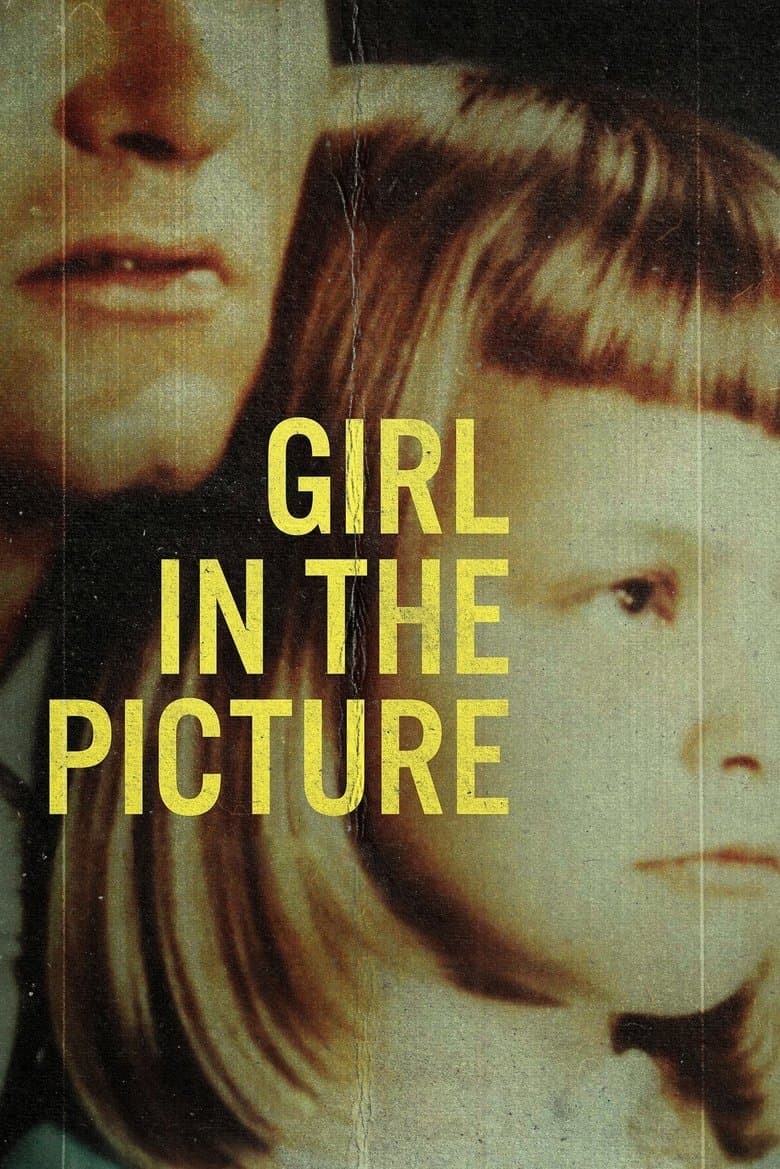
Movie · 2022
A young mother’s mysterious death and her son’s subsequent kidnapping blow open a decades-long mystery about the woman’s true identity, and the murderous federal fugitive at the…
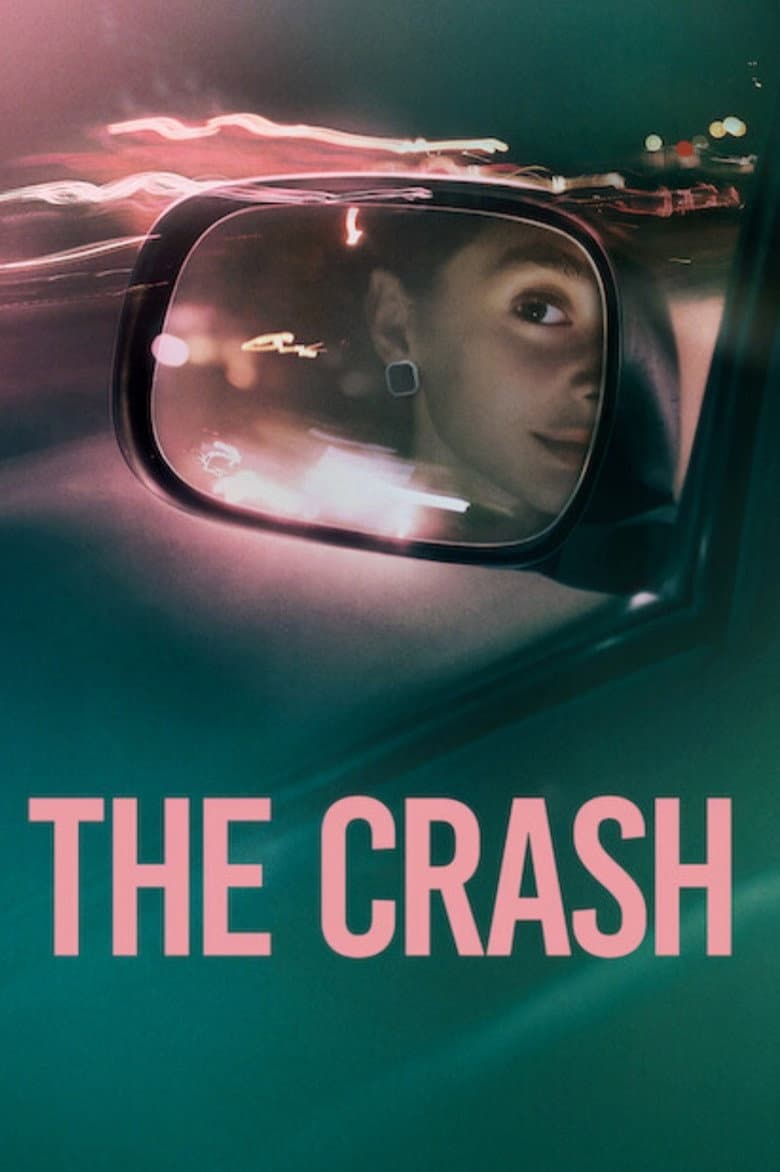
Movie · 2026
A teen slams her car into a building, killing her boyfriend and his friend. What seems like a tragic accident becomes a murder case.
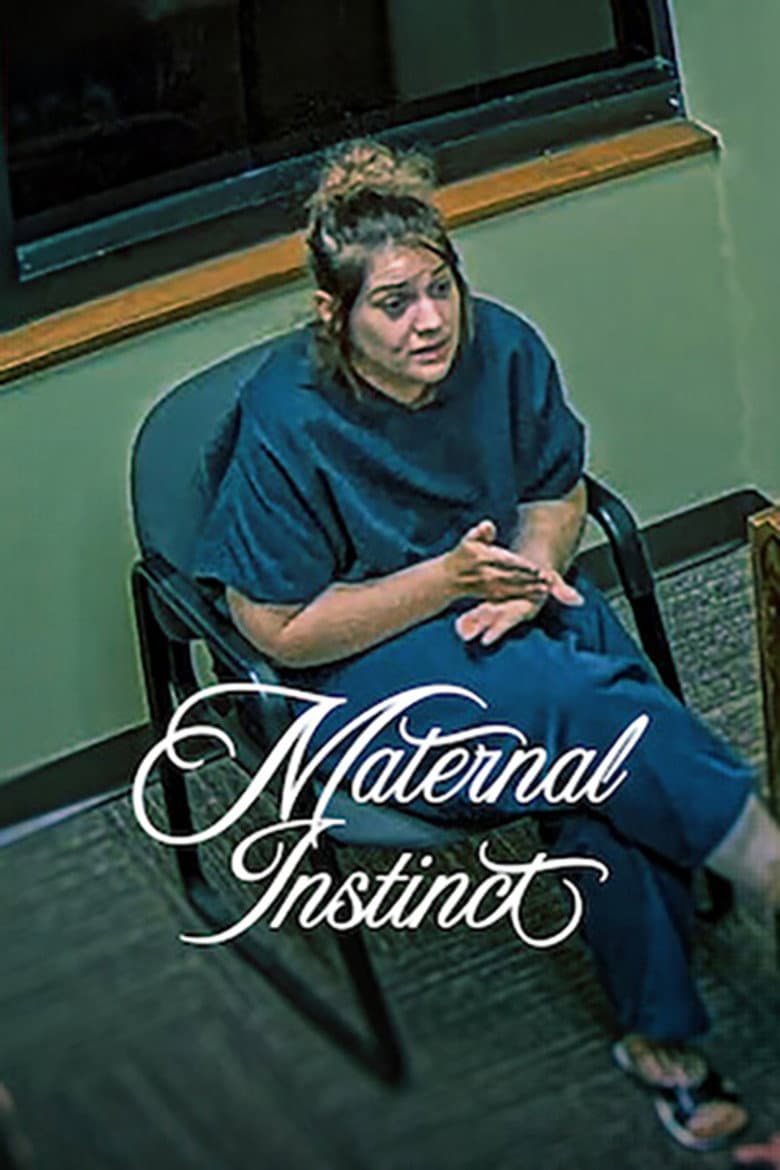
Movie · 2026
Police pull over a woman who claims she just gave birth. But the baby — and the blood — aren't hers. Twisted lies unravel in this true-crime documentary.
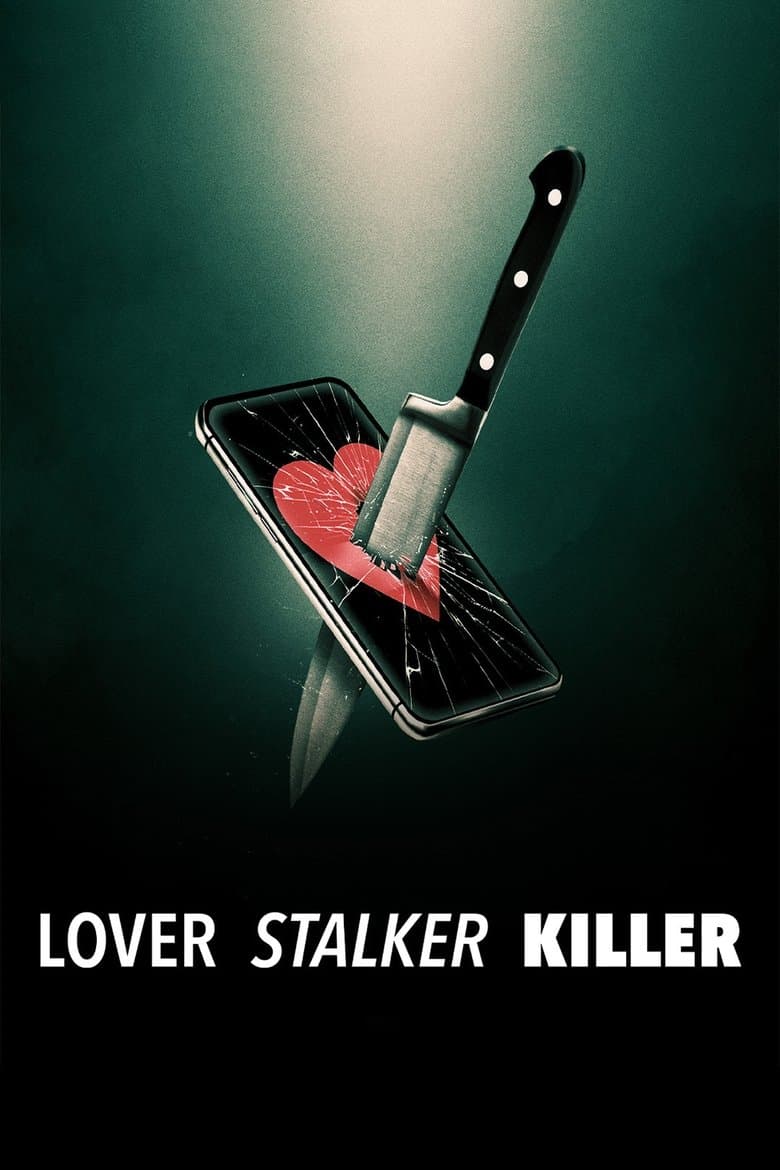
Movie · 2024
In this twisting documentary, a mechanic tries online dating for the first time and meets a woman who takes romantic obsession to a deadly extreme.
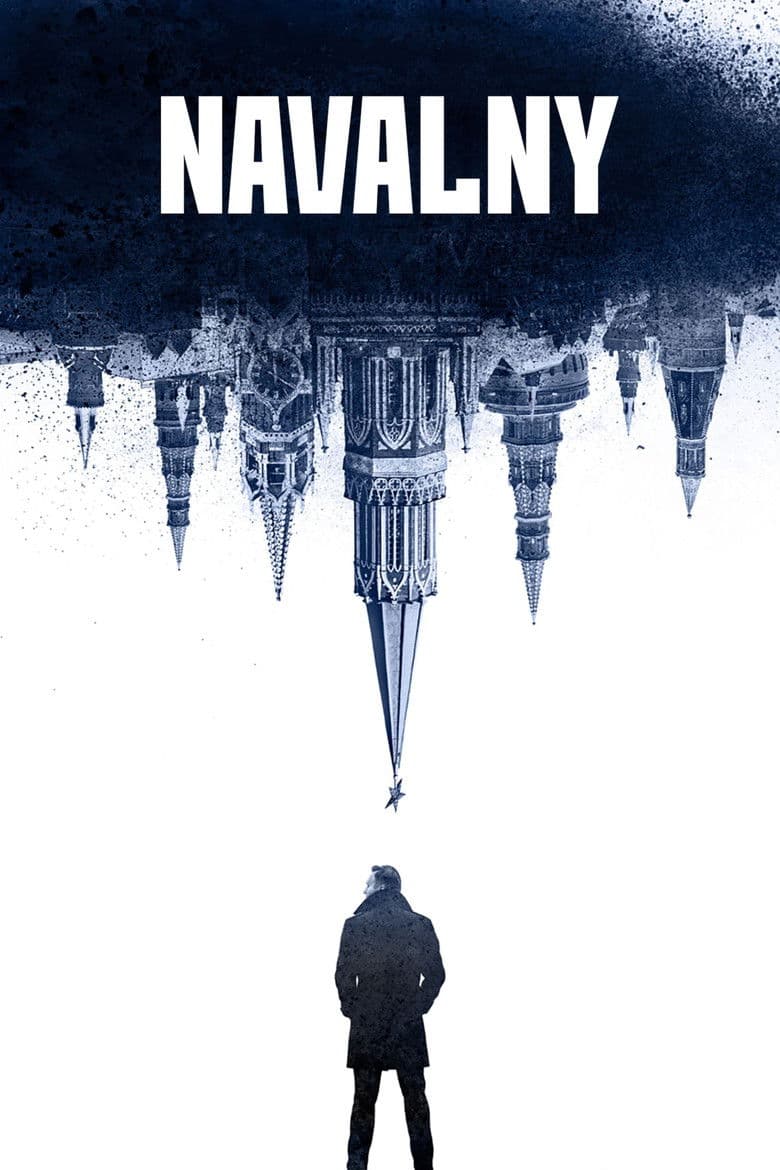
Movie · 2022
Follows the man who survived an assassination attempt by poisoning with a lethal nerve agent in August 2020. During his months-long recovery, he makes shocking discoveries about…
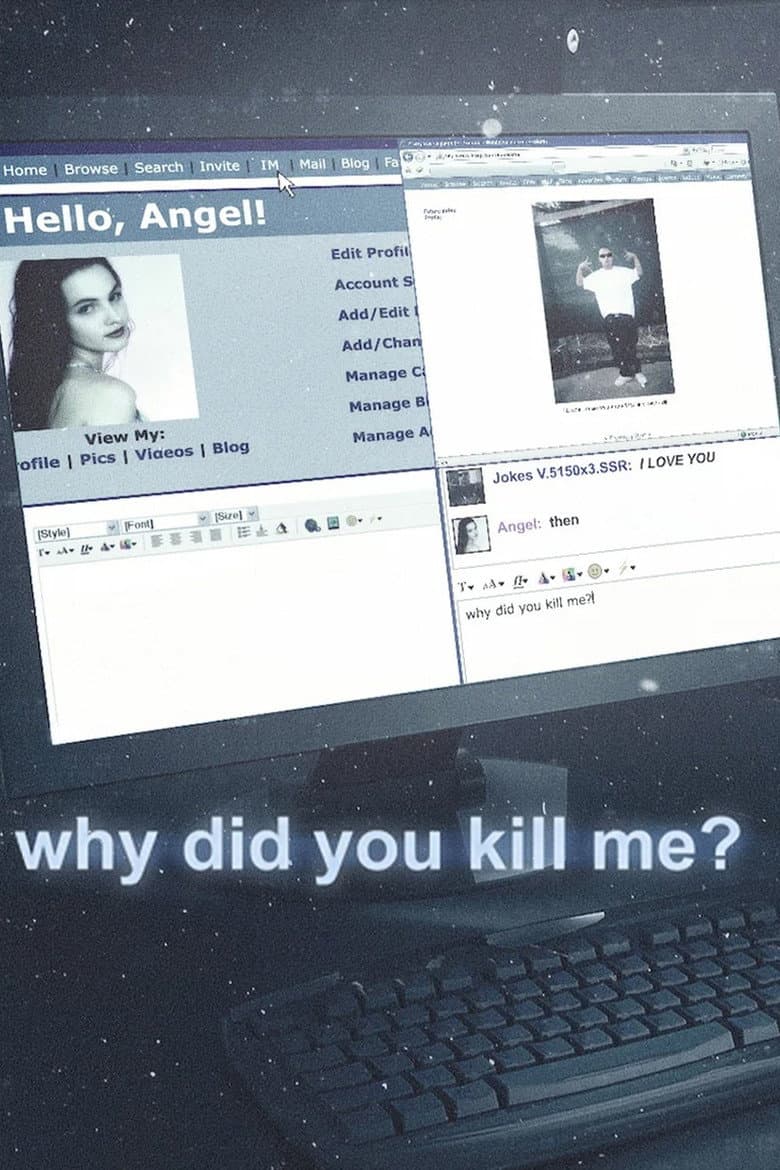
Movie · 2021
The line between justice and revenge blurs when a devastated family uses social media to track down the people who killed 24-year-old Crystal Theobald.
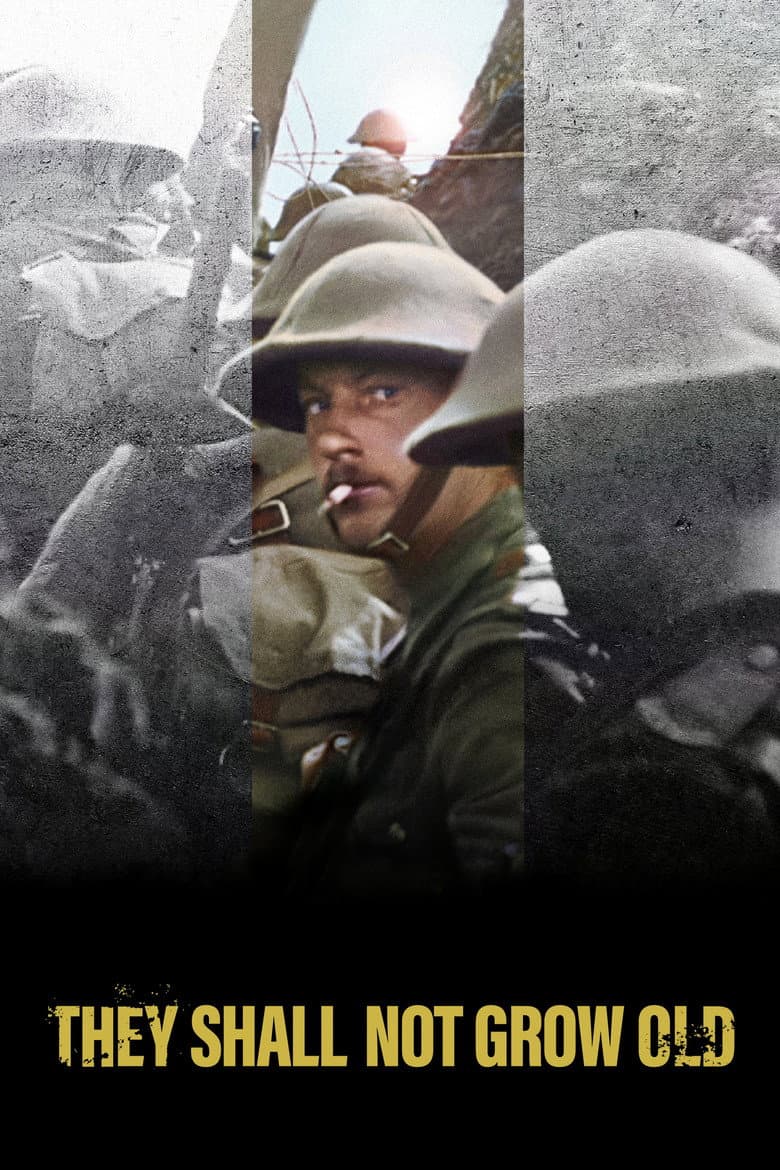
Movie · 2018
A documentary about World War I with never-before-seen footage to commemorate the centennial of Armistice Day, and the end of the war.
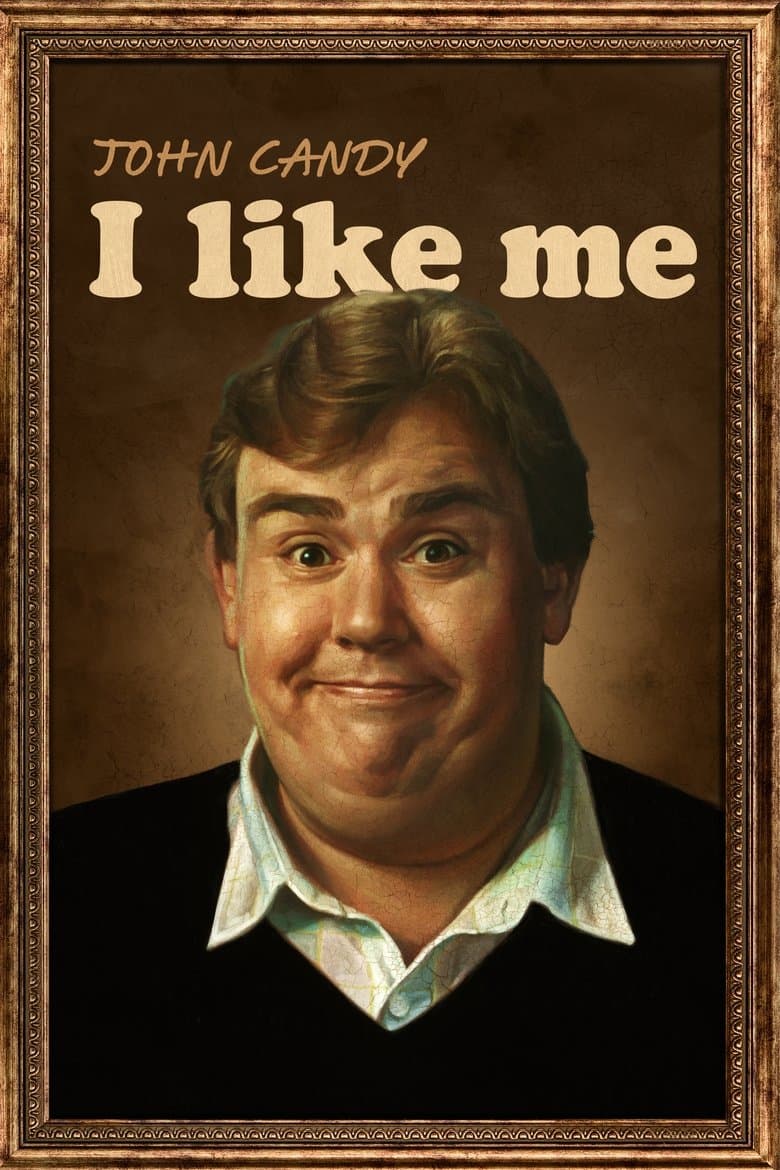
Movie · 2025
Those who knew iconic funnyman John Candy best share his story, in their own words, through never-before-seen archival footage, imagery, and interviews.
