
Stanley Kaminsky manages his younger brother Lion, a bare-knuckle boxer in Fall River, Massachusetts. After a bad fight leaves them deep in debt, Stanley accepts a dangerous job from crime boss Pepper. The brothers must take Sky across the country while they race toward a $100,000 fight in San Francisco. The bleak road trip mixes crime, violence, dark humor, and a sad story about family, money, and hope.
The film’s mild woke-leaning material comes from its focus on men who cannot show love without fighting or controlling each other. Stanley and Lion must face the harm caused by hard masculine roles and by a family bond that has become unhealthy. Sky pushes back when the men guess that she is a sex worker and treat her like cargo for sale. Her fight for freedom and the brothers’ struggle to change shape the film’s main ideas about trust, choice, and escape.
Community feedback
Was our 15% Woke rating accurate?
Breakdown
These are the editorial factors and ratings behind our score for Jungleland.
Woke representation / casting
Not present. The main roles are working-class white brothers, a white young woman, and a black crime boss in a modern American setting. The film does not frame its casting as a diversity or identity statement.
0%
Woke political dialogue
Not present. The dialogue centers on debt, boxing, family, survival, and the American dream. It does not push DEI, identity politics, or activist ideas.
0%
Identity-driven story themes
The film follows two brothers who struggle to show love while living inside rough masculine roles. The story treats emotional silence and control inside the family as serious problems. Sky pushes back when the men assume she is a sex worker and try to move her as cargo. These gender and relationship themes stay inside the personal drama.
18%
Western institutional / cultural critique
The film questions whether the American dream is open to poor people. The story shows debt, low-paid work, crime bosses, and a violent fight system trapping the brothers. The story does not attack Western culture, religion, or the economic system with a modern activist message. This gives the title a mild class-critique signal.
12%
Woke character or canon changes
Not relevant. The film is an original story about fictional characters. It does not change an established character, source, or real event.
0%
Anti-woke backlash and complaints
Not present. No anti-woke complaint about the film’s politics, casting, identity themes, or messaging was found. Online discussion focused on quality, performances, and the British cast.
0%
Creator track record context
Max Winkler has no known activist or diversity-focused record. Theodore Bressman has made political satire about modern American politics, elections, and labor issues. David Branson Smith and the listed producers have little public activist or identity-focused record. The title uses those ideas only in a mild way.
15%
Production
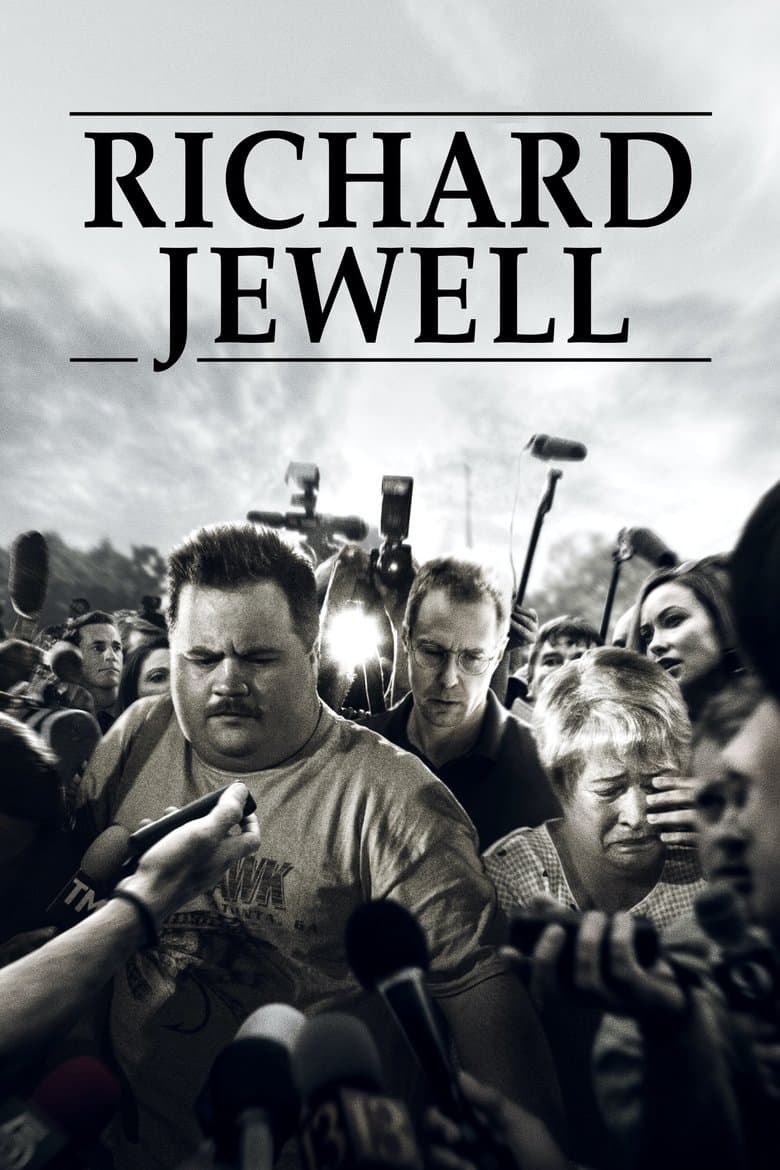
Movie · 2019
Richard Jewell thinks quick, works fast, and saves hundreds, perhaps thousands, of lives after a domestic terrorist plants several pipe bombs and they explode during a concert…
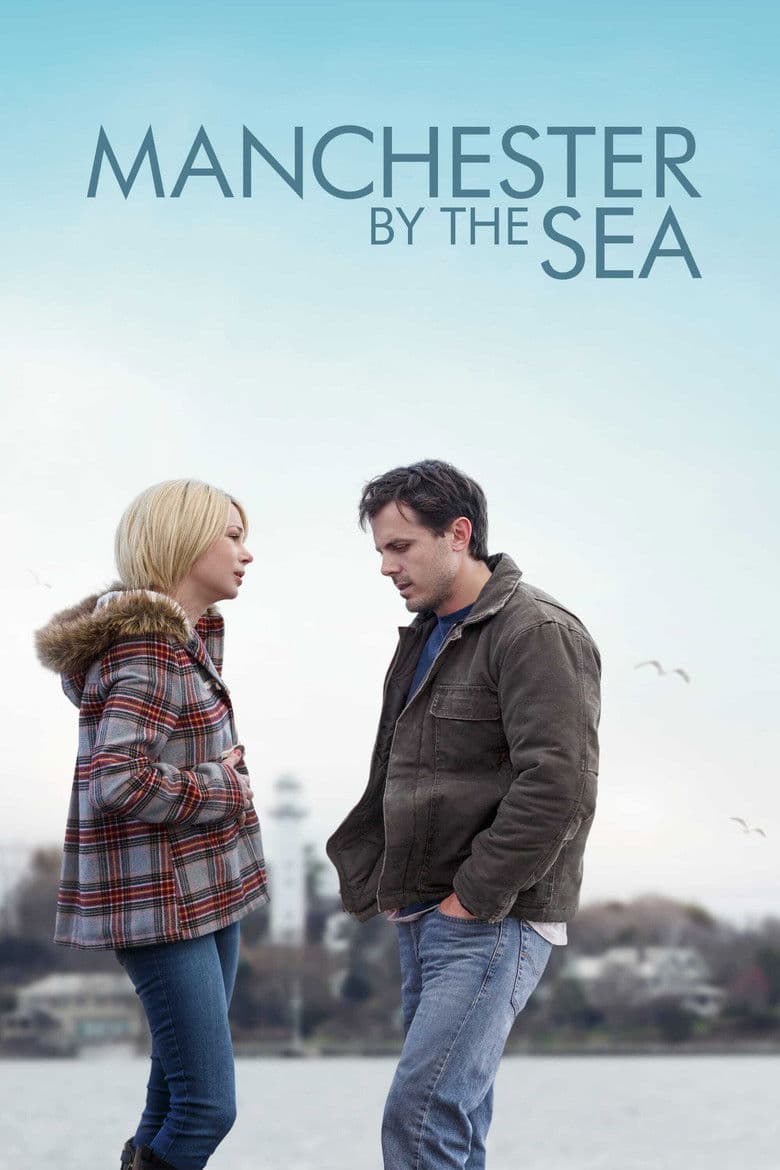
Movie · 2016
After his older brother passes away, Lee Chandler is forced to return home to care for his 16-year-old nephew.
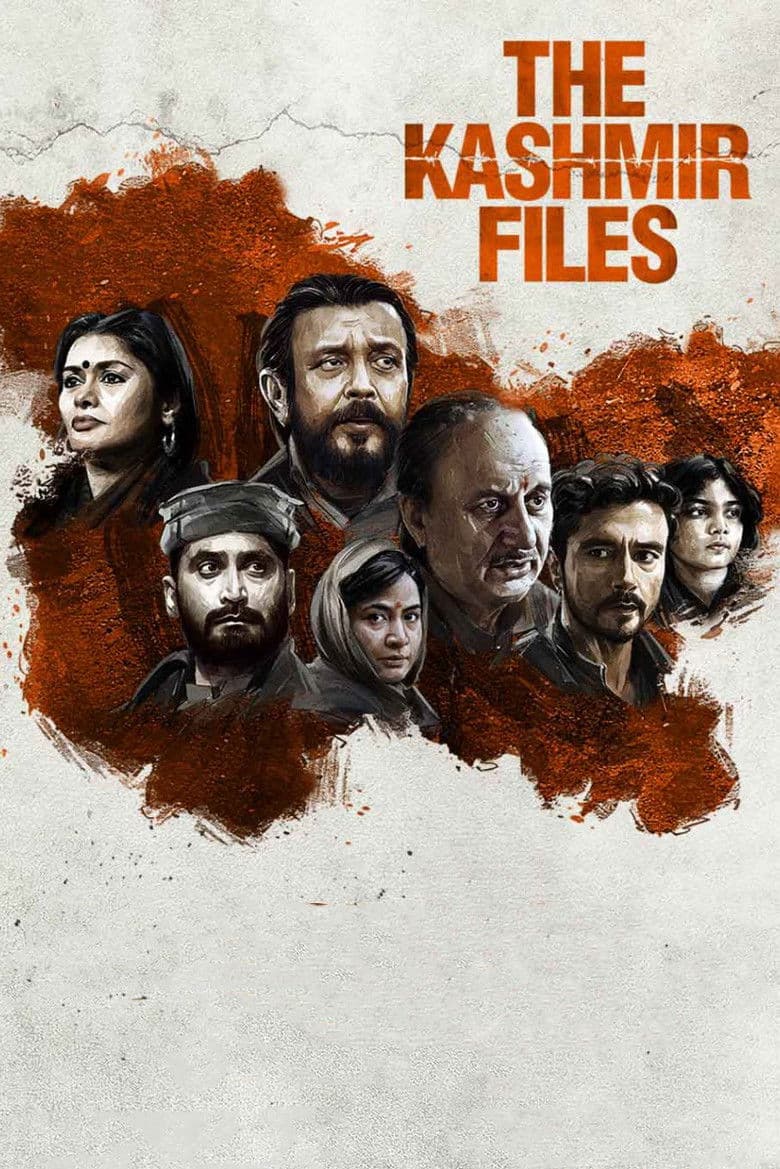
Movie · 2022
Based on a true tragedy, the emotionally triggering film sheds light on the plight of Kashmiri Pandits (Hindus), a religious minority in the 1990s Kashmir valley, who were…
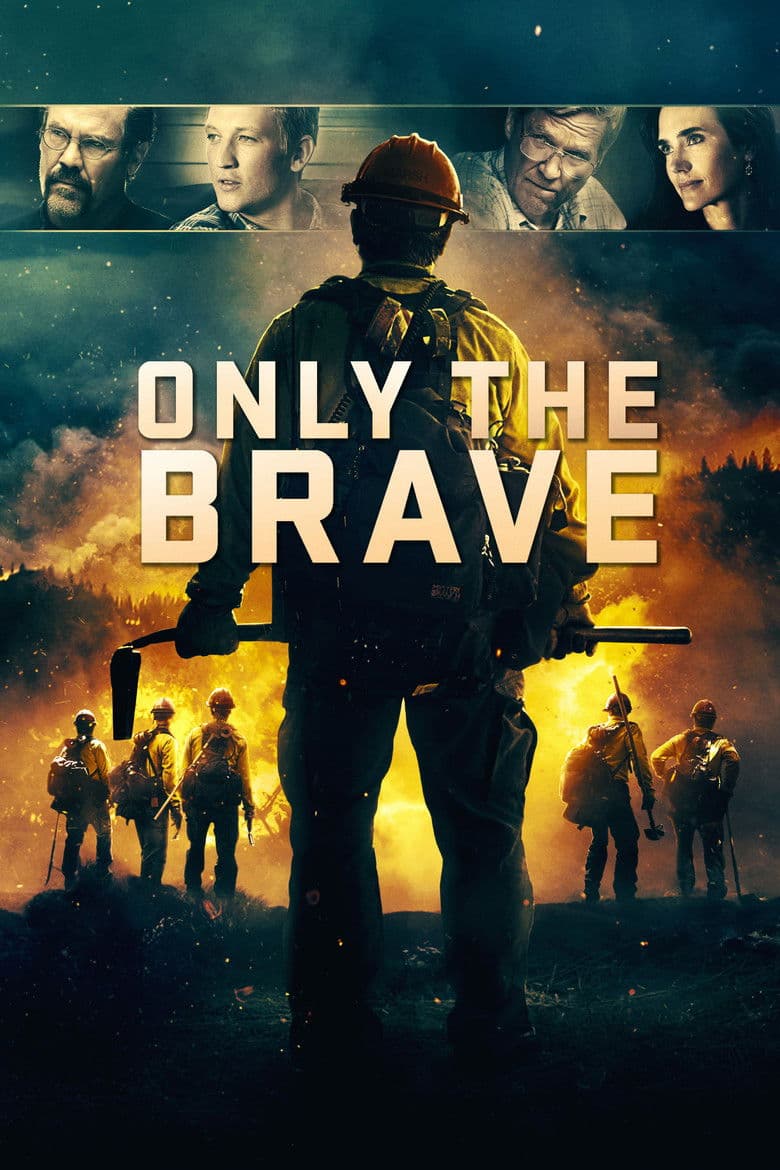
Movie · 2017
Members of the Granite Mountain Hotshots battle deadly wildfires to save an Arizona town.
Movie · 2016
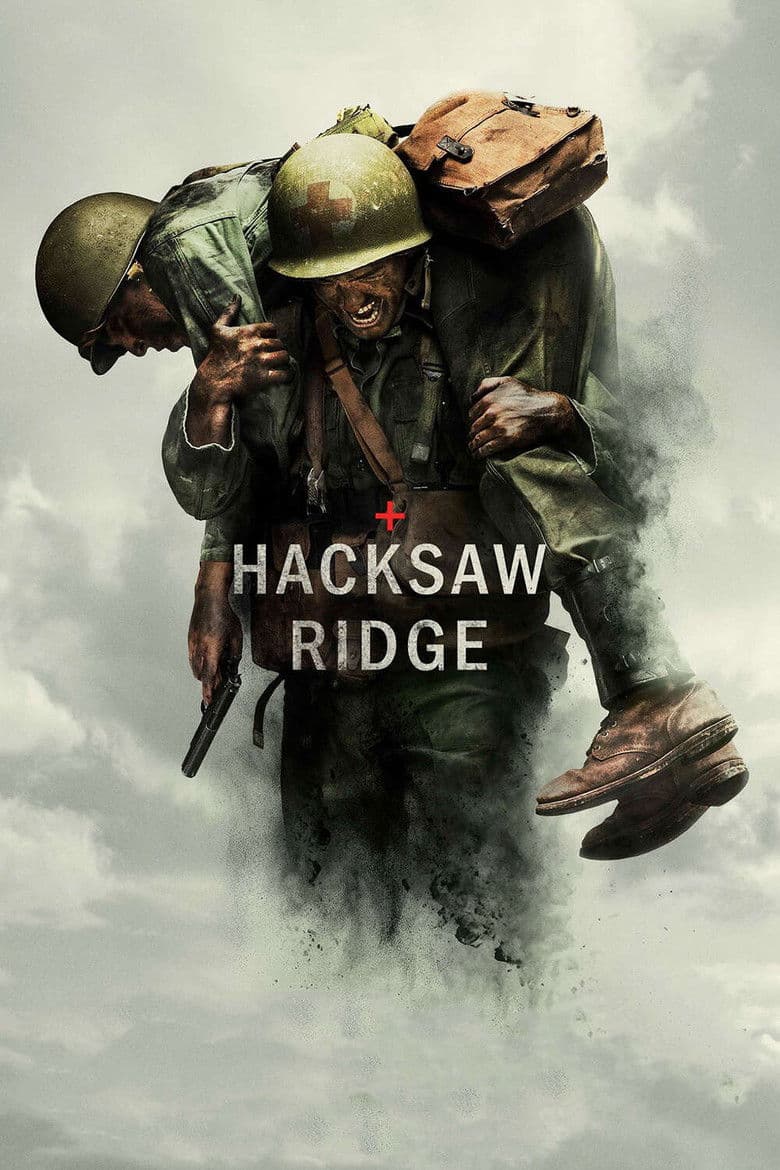
WWII American Army Medic Desmond T. Doss, who served during the Battle of Okinawa, refuses to kill people and becomes the first Conscientious Objector in American history to…
Movie · 2023
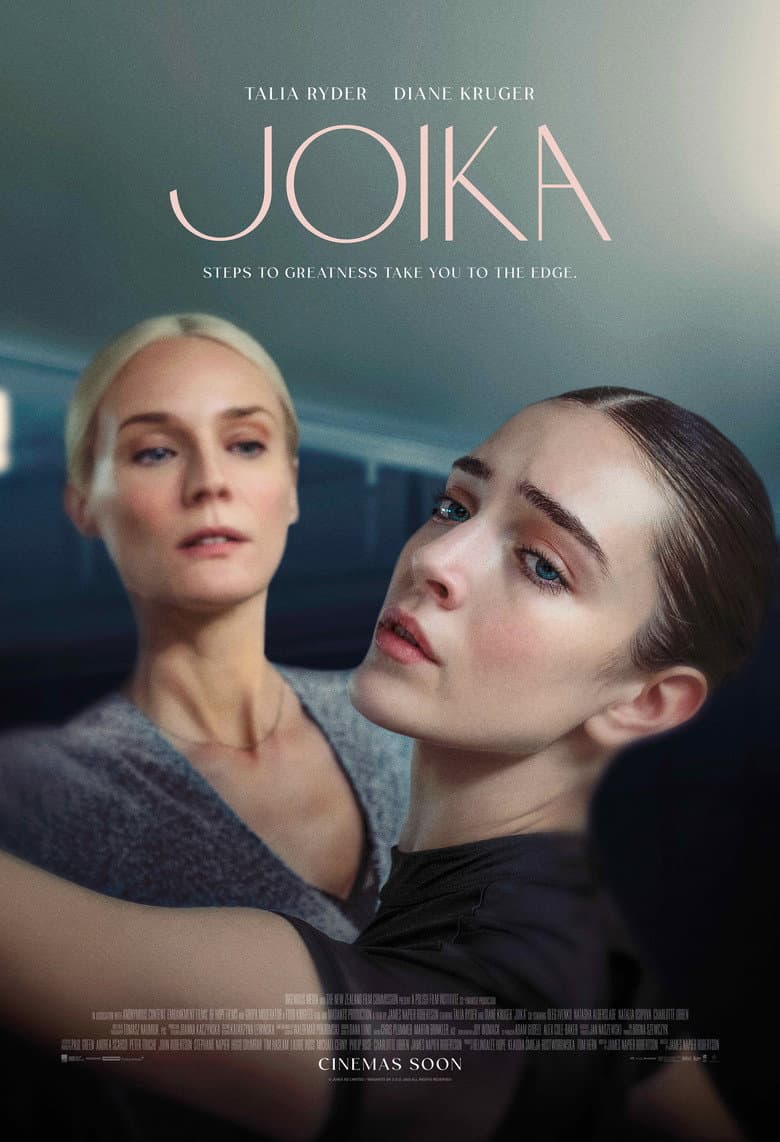
American ballet dancer Joy Womack is accepted into Moscow's infamously tough Bolshoi Ballet Academy, with the dream of becoming a great ballerina.
Movie · 2016
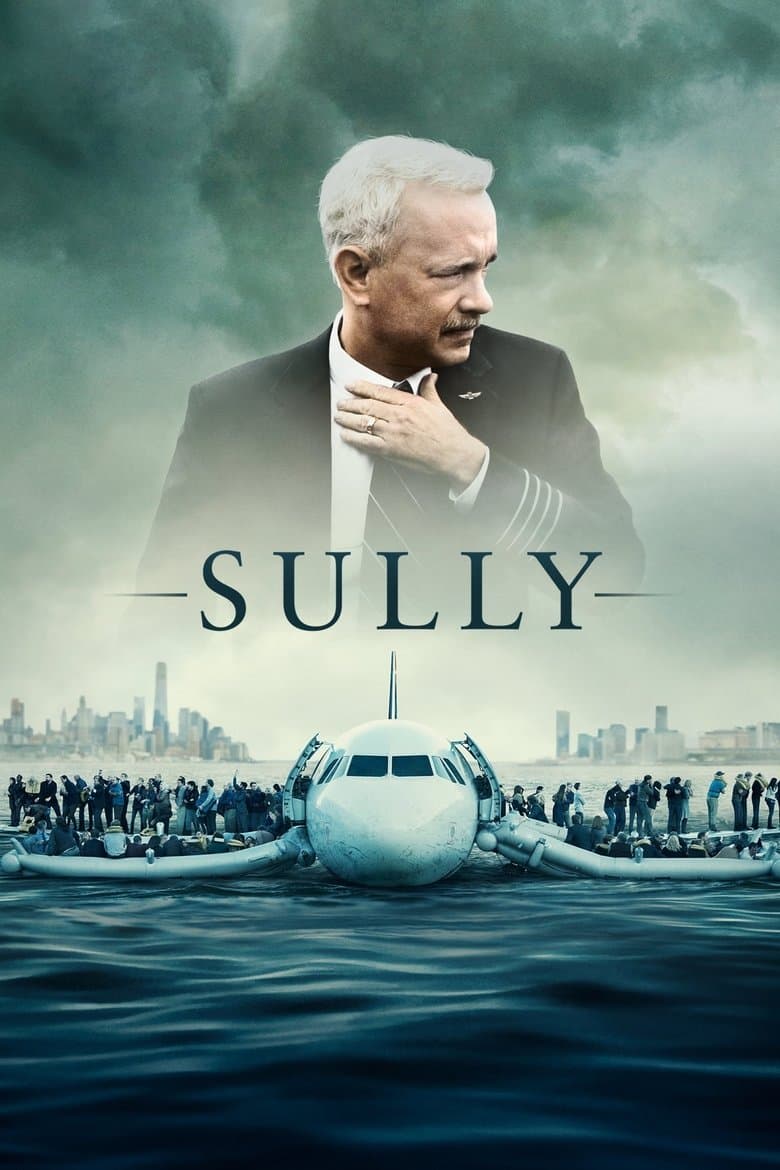
On 15 January 2009, the world witnessed the 'Miracle on the Hudson' when Captain 'Sully' Sullenberger glided his disabled plane onto the Hudson River, saving the lives of all 155…
Movie · 2026
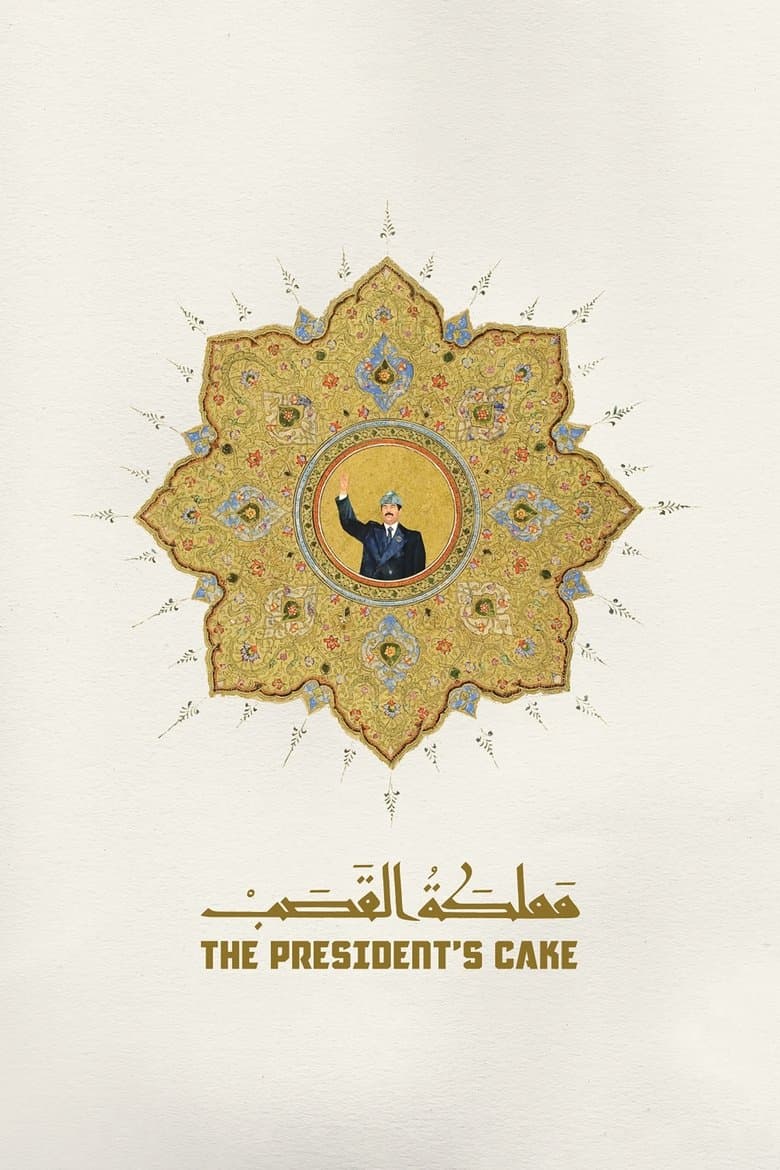
While people across 1990s Iraq struggle to survive the war and food shortages, Saddam Hussein requires each school in the country to prepare a cake to celebrate his birthday.
