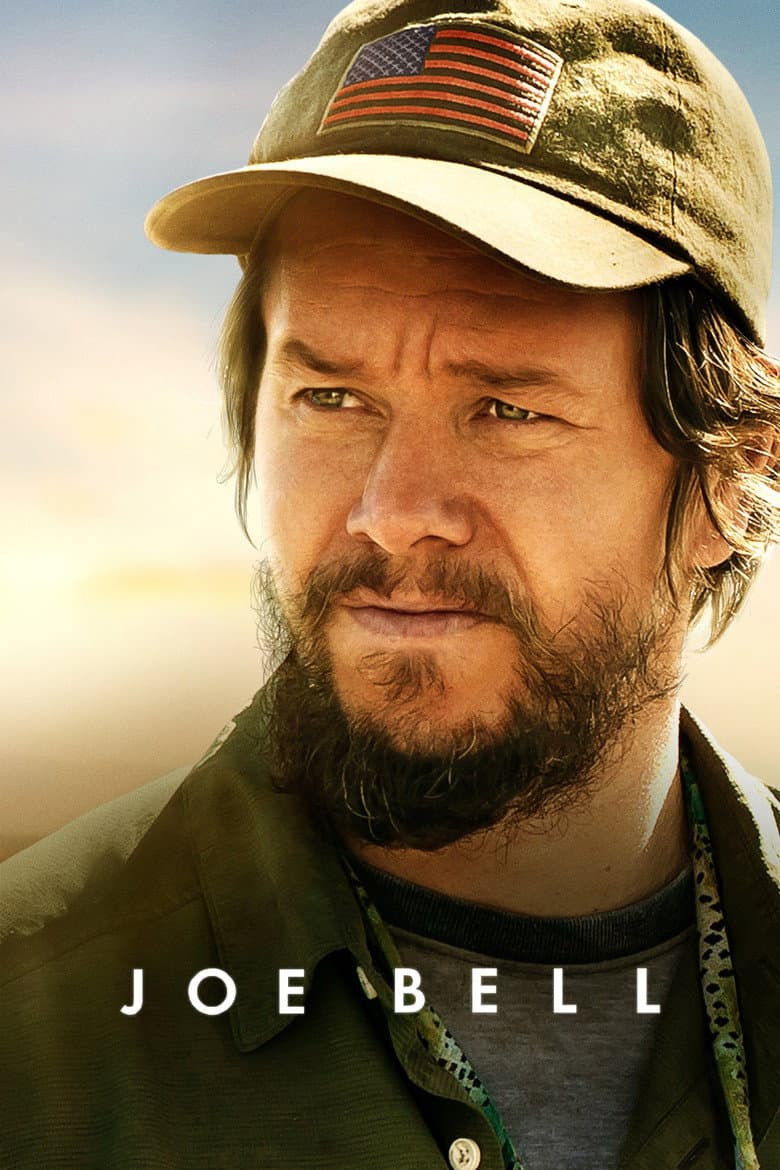
Joe Bell follows a working-class father from a small Oregon town who walks across America after his gay teenage son, Jadin, dies by suicide following severe bullying at school. Joe says he wants to warn people about bullying, but he also carries guilt because he did not fully stand beside Jadin when the boy came out and asked for help. The journey moves through roads, diners, schools, family memories, and a gay bar as Joe tries to face what happened. The tone is sad, serious, and openly emotional.
The film makes gay identity, anti-gay bullying, and parental acceptance the center of its story. Jadin joins a cheerleading squad, kisses a boy, and faces abuse from classmates and adults who treat his identity as shameful. Joe gives repeated talks about tolerance, says parents must support their children, and learns that his tough ideas about manhood hurt his family. The story also criticizes school inaction and church voices that condemn homosexuality, so its message is a direct call for LGBTQ acceptance rather than a small side theme.
Community feedback
Was our 80% Woke rating accurate?
Breakdown
These are the editorial factors and ratings behind our score for Joe Bell.
Woke representation / casting
The film makes Jadin a prominent gay teenager and the only male cheerleader at his school. That unusual gender role is highly visible to viewers. The real story explains why the film uses this identity and activity, so the casting does not look like a made-up diversity pattern. The main family is otherwise shown as a mostly ordinary white Oregon family.
18%
Woke political dialogue
Joe gives repeated talks at schools, community groups, diners, and other stops about bullying, tolerance, and parents accepting gay children. The film has characters directly discuss hate toward gay people, same-sex marriage, and the need to support LGBTQ youth. A gay bar scene also attacks church hypocrisy and says social progress has not reached many small towns. The message is central to Joe’s walk, but it focuses on LGBTQ acceptance rather than party politics.
60%
Identity-driven story themes
Jadin’s gay identity drives the entire plot. The film follows his coming out, his cheerleading, his romance with a boy, the abuse he faces, and his suicide after months of bullying. Joe’s walk becomes a lesson in parental acceptance, public tolerance, and the harm caused by shame. The film clearly asks viewers to support LGBTQ youth and treats that message as its main purpose.
88%
Western institutional / cultural critique
The film shows Joe’s rough ideas about manhood as part of the harm he causes. The school fails to protect Jadin and suggests a transfer or therapy instead of stopping the bullies. A church service tells gay people to repent, and Joe attacks Catholic leaders for ignoring abuse while condemning gay people. These scenes support a recurring critique of rigid manhood, school failure, and parts of organized religion.
48%
Woke character or canon changes
Not relevant. The film is a standalone dramatization of a real family story, not a franchise with established fictional canon. The story changes some details for drama, but it does not recast the real people to make an identity or DEI point.
0%
Anti-woke backlash and complaints
Movieguide called the film politically correct and objected to its support for accepting gay teenagers. The review also criticized what it called anti-Christian material, including the film’s treatment of church prejudice. The X check found no anti-woke reaction, no named complaints, and no campaign around the film. The evidence for this factor is therefore limited to a niche conservative review.
18%
Creator track record context
The director has made films about race, police violence, anti-gay bullying, and identity. Writer Diana Ossana co-wrote Brokeback Mountain, while Larry McMurtry had a much lower activist profile. Several producers have credits tied to LGBTQ stories, race, or other social issues, but many others have little public political record. This background supports the film’s social focus, but the title’s own story remains the strongest evidence.
44%
Production
Movie · 2024
On the brink of the Second World War, a young Norwegian man's drive to resist the Nazis sets a new course for his future – and the future of his country.
Movie · 2023
The true story of the inseparable Von Erich brothers, who made history in the intensely competitive world of professional wrestling in the early 1980s.
Movie · 2019
Richard Jewell thinks quick, works fast, and saves hundreds, perhaps thousands, of lives after a domestic terrorist plants several pipe bombs and they explode during a concert…
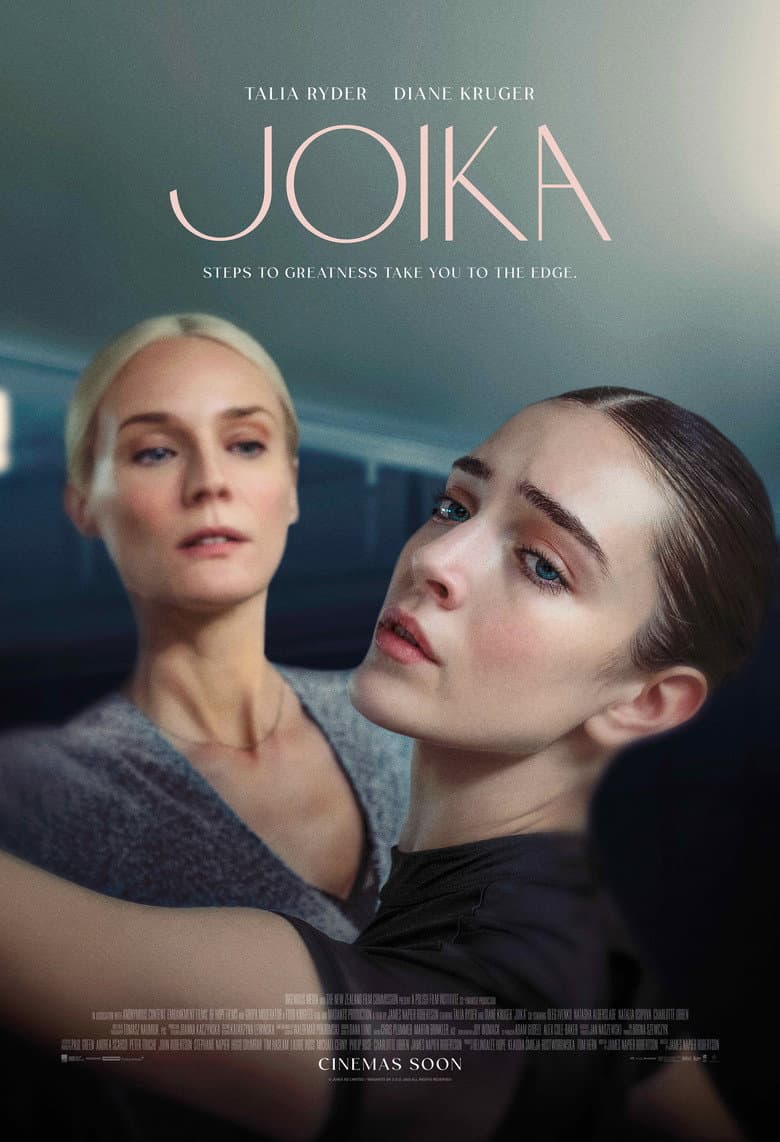
Movie · 2023
American ballet dancer Joy Womack is accepted into Moscow's infamously tough Bolshoi Ballet Academy, with the dream of becoming a great ballerina.
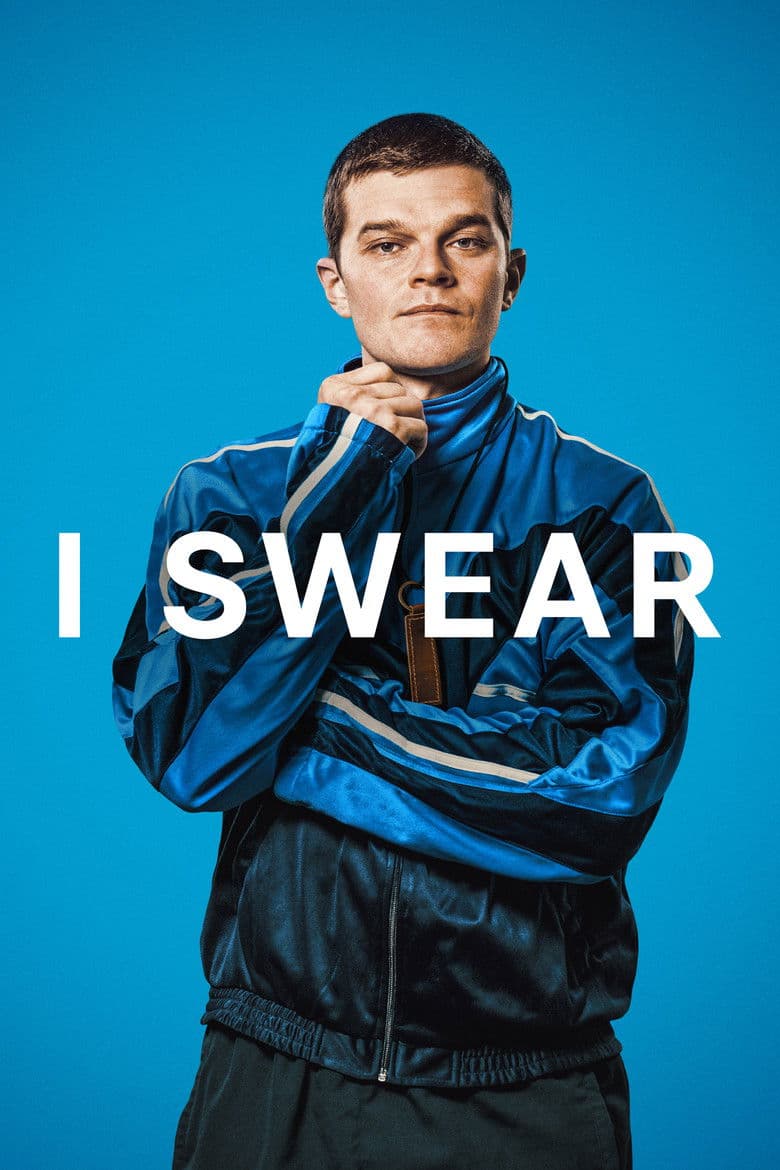
Movie · 2025
Diagnosed with Tourette Syndrome at 15, John Davidson navigates his way against the odds through troubled teenage years and into adulthood, finding inspiration in the kindness of…
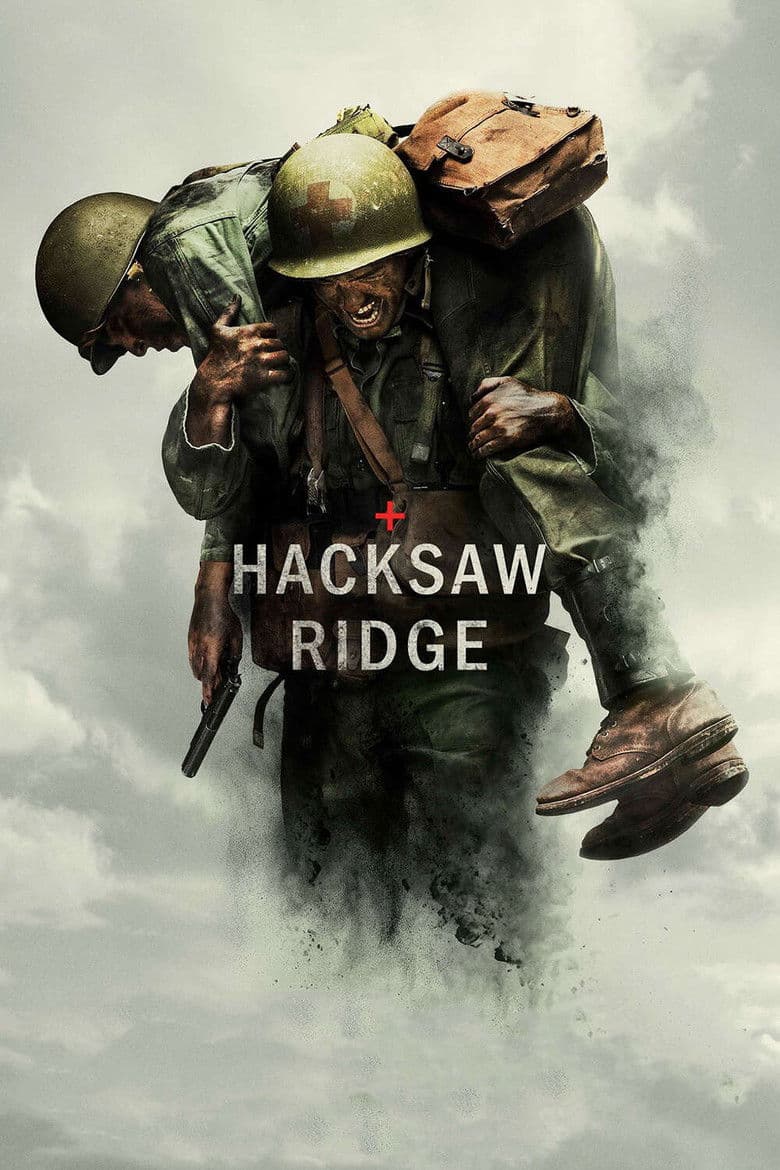
Movie · 2016
WWII American Army Medic Desmond T. Doss, who served during the Battle of Okinawa, refuses to kill people and becomes the first Conscientious Objector in American history to…
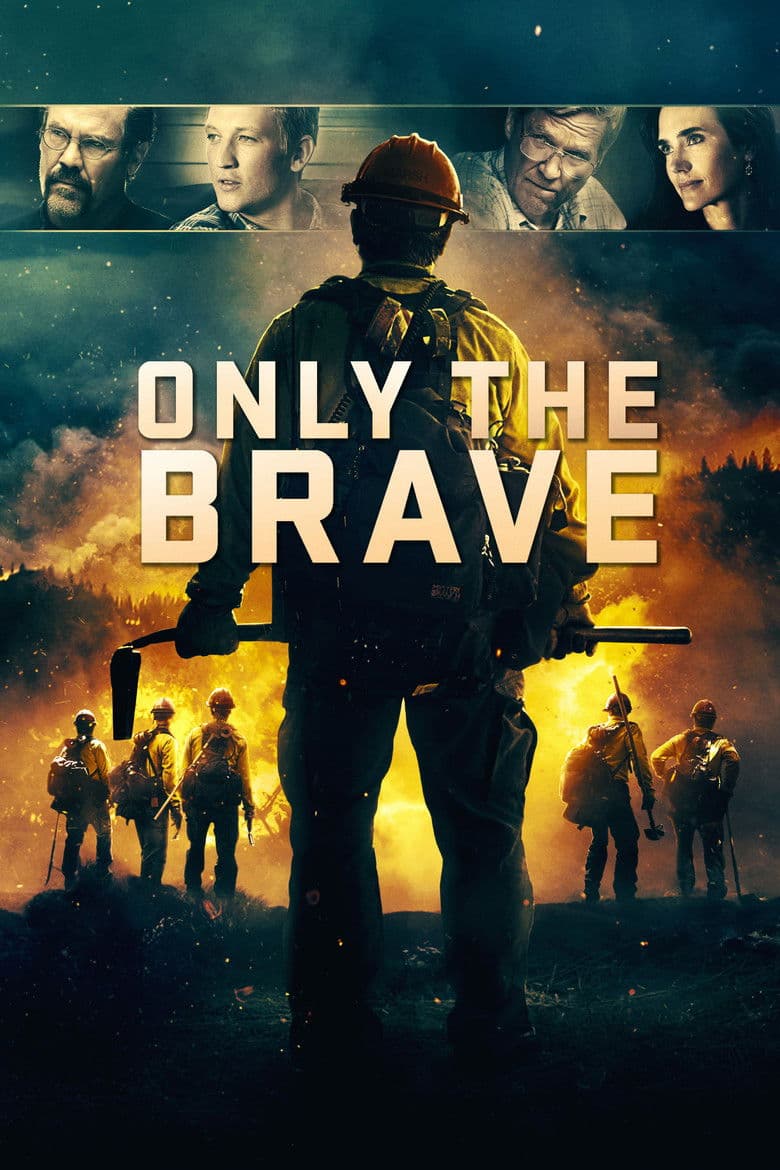
Movie · 2017
Members of the Granite Mountain Hotshots battle deadly wildfires to save an Arizona town.
Movie · 2016
After his older brother passes away, Lee Chandler is forced to return home to care for his 16-year-old nephew.
