Movie review
September 1, 2018 · 108 min · G · Japanese · Animation · Romance · Drama
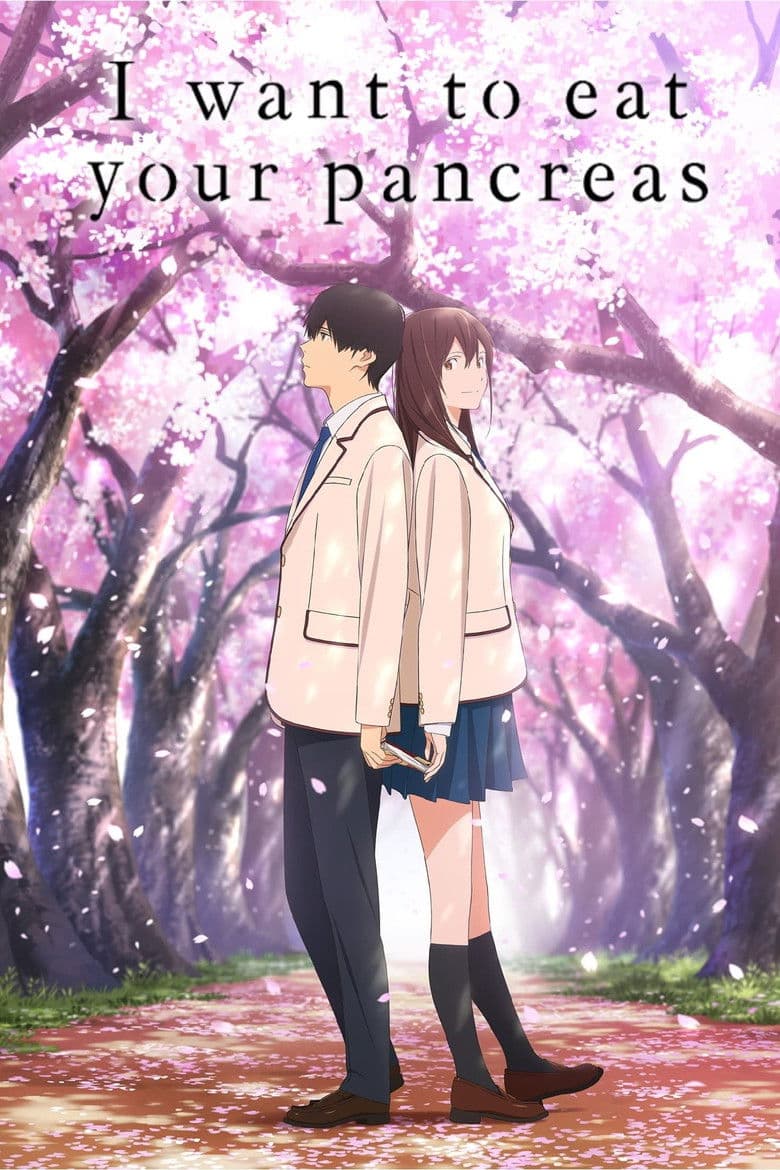
I Want to Eat Your Pancreas is set in modern Japan and follows a quiet high school boy who spends most of his time reading alone. At a hospital, he finds the private diary of Sakura, a bright and popular classmate who has a serious illness in her pancreas. Sakura asks him to keep her secret and pulls him into small trips and everyday plans as she tries to enjoy the time she has left. The film moves from gentle school romance to grief, with calm scenes, sudden danger, and a deeply sad ending.
The story centers on two very different teenagers learning to trust each other. Sakura is outgoing in public, but she also hides fear and sadness, while the boy slowly learns that staying apart from people cannot protect him from pain. Their bond is framed as a close friendship that may include love, and the phrase in the title becomes a way for each person to carry part of the other forward. The ending stresses that death can arrive in an unexpected way and that a person’s choices can change someone long after they are gone.
Community feedback
Was our 0% Woke rating accurate?
Breakdown
These are the editorial factors and ratings behind our score for I Want to Eat Your Pancreas.
Woke representation / casting
Not present. The film presents Japanese high school students in modern Japan, which fits the story. The cast is not used as an identity message.
0%
Woke political dialogue
Not present. The dialogue focuses on illness, friendship, fear, grief, and limited time. It does not push modern identity, DEI, or activist ideas.
0%
Identity-driven story themes
Not present. Sakura and the boy learn to trust each other despite different personalities. The main themes are mortality, friendship, grief, and personal change.
0%
Western institutional / cultural critique
Not present. The film does not attack Western institutions, capitalism, Christianity, family life, or traditional social norms. Its conflicts come from illness, school gossip, grief, and a random killing.
0%
Woke character or canon changes
Not relevant. The movie adapts Yoru Sumino’s novel and keeps its main character setup and relationships. No identity-based change to an established character or real person is part of the film.
0%
Anti-woke backlash and complaints
Not present. The separate X research found no anti-woke complaints. Other audience discussion focuses on sadness, romance, and the ending, with no sustained claim that the film pushes woke, DEI, or identity-politics ideas.
0%
Creator track record context
Not present. The cached creator profiles show work centered on anime craft, youth relationships, and production. They do not show a clear activist, DEI, or identity-politics pattern connected to this movie.
0%
Production
Movie · 2016
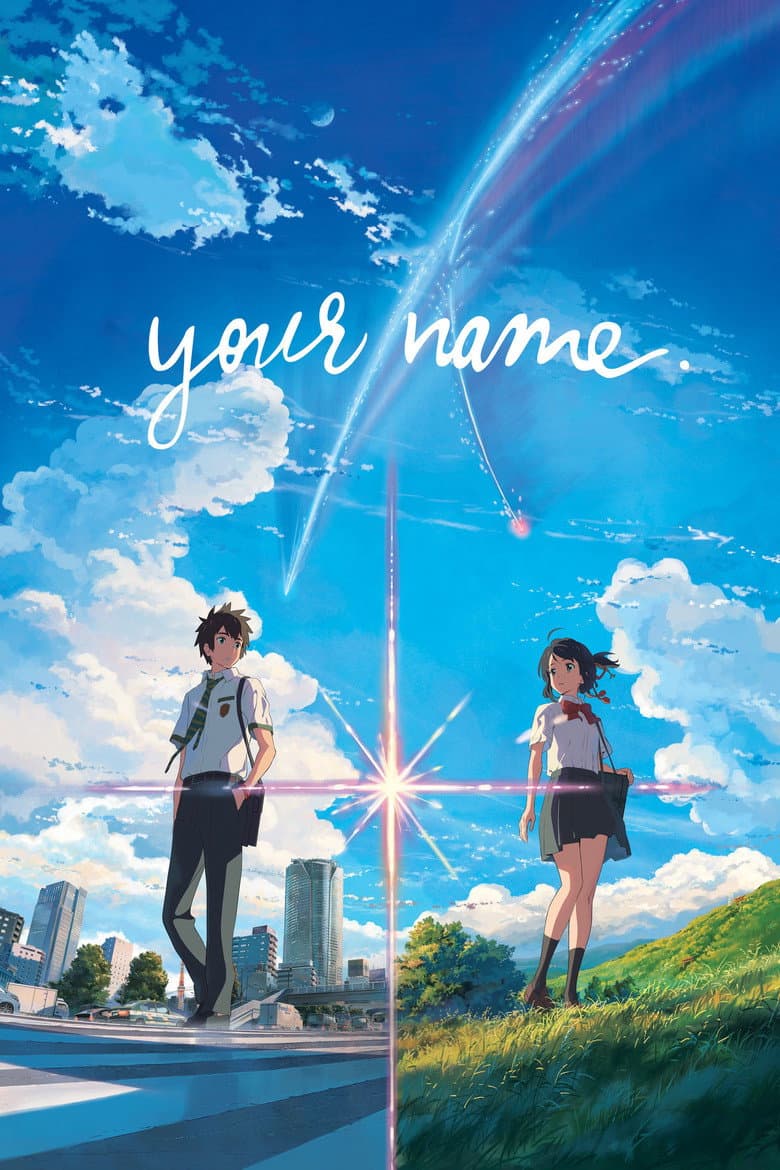
High schoolers Mitsuha and Taki are complete strangers living separate lives. But one night, they suddenly switch places. Mitsuha wakes up in Taki’s body, and he in hers.
Movie · 2018
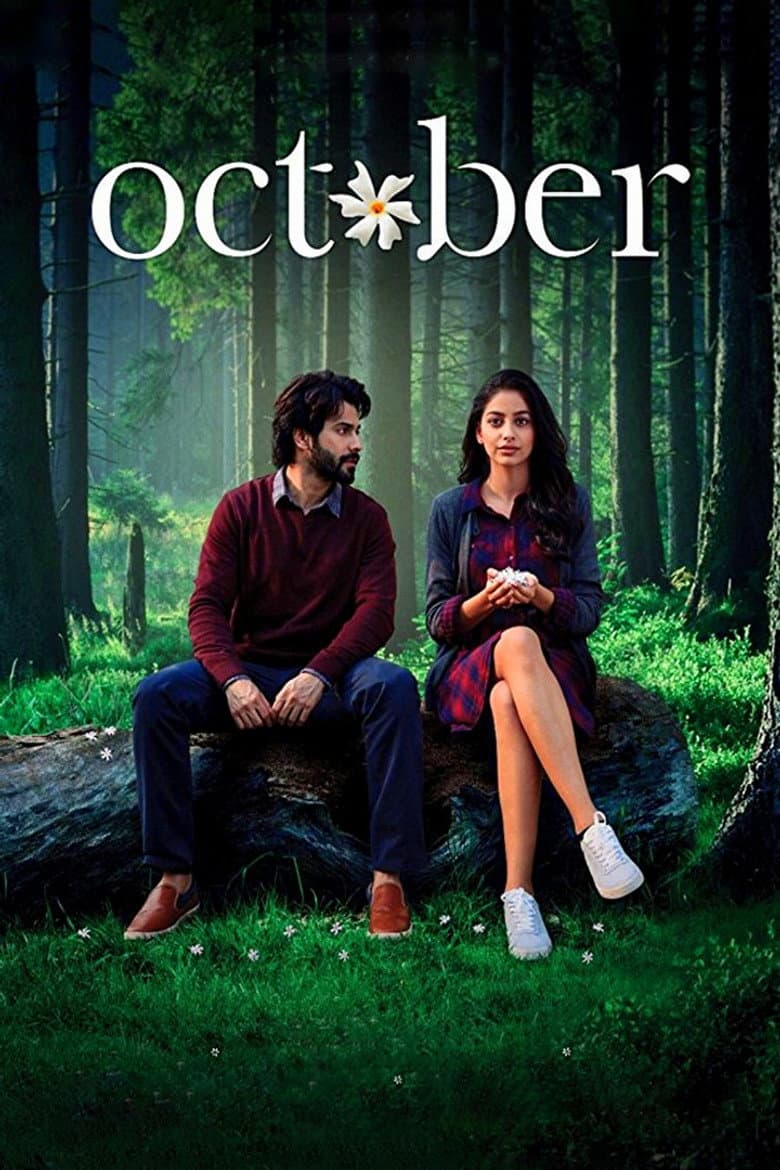
Dan, a 21-year-old carefree boy is always surrounded by a bunch of friends and fellow hotel interns who feed off each other's everyday moments, their ups and downs.
Movie · 2016
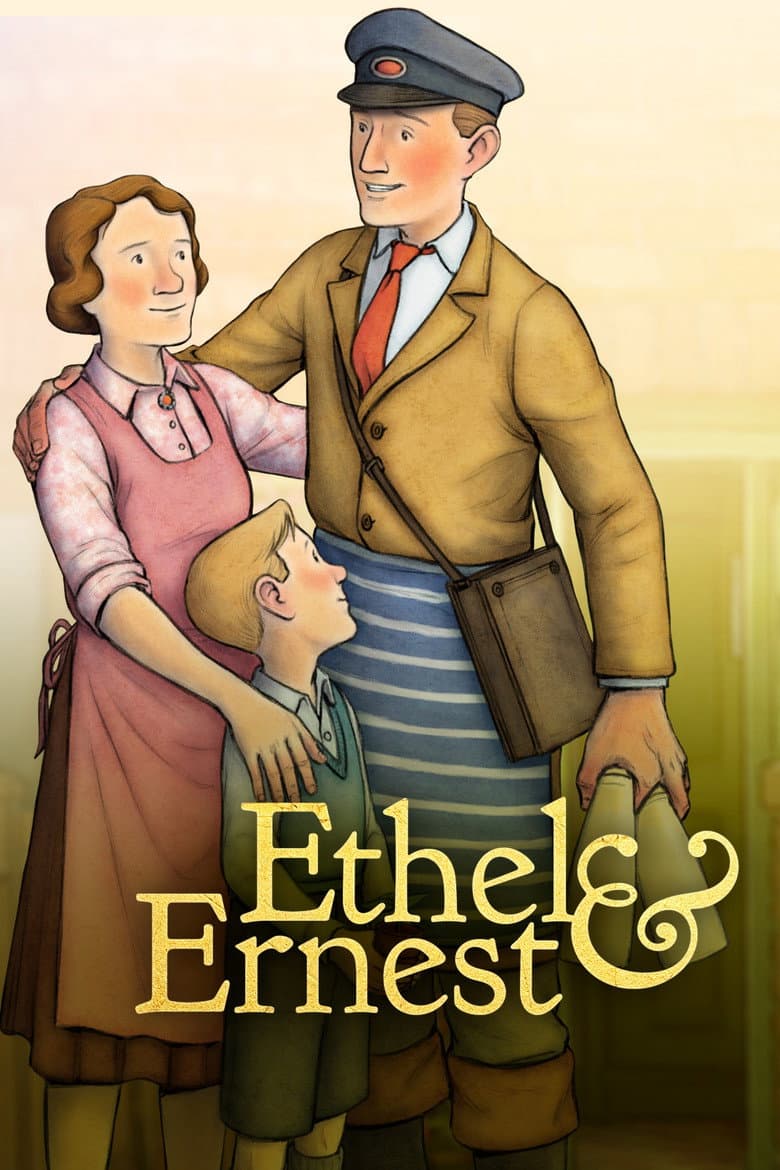
This hand drawn animated film, based on the award winning graphic novel by Raymond Briggs, is an intimate and affectionate depiction of the life and times of his parents, two…
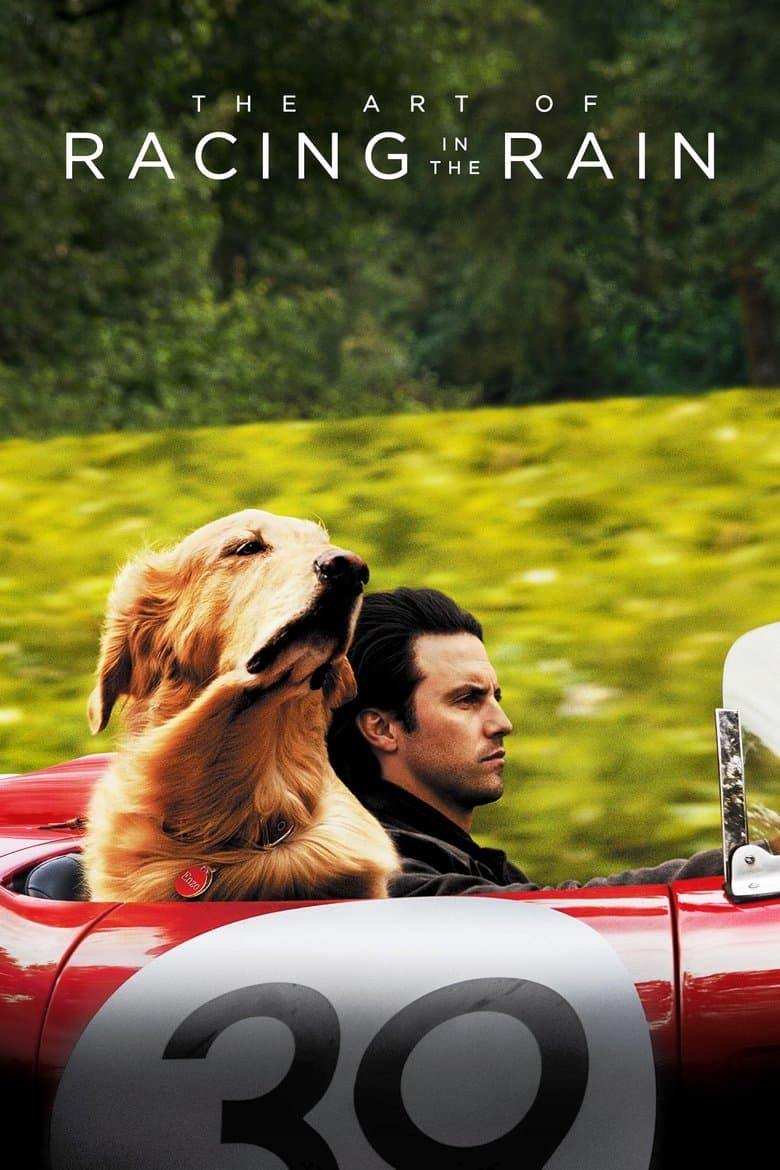
Movie · 2019
A family dog – with a near-human soul and a philosopher's mind – evaluates his life through the lessons learned by his human owner, a race-car driver.
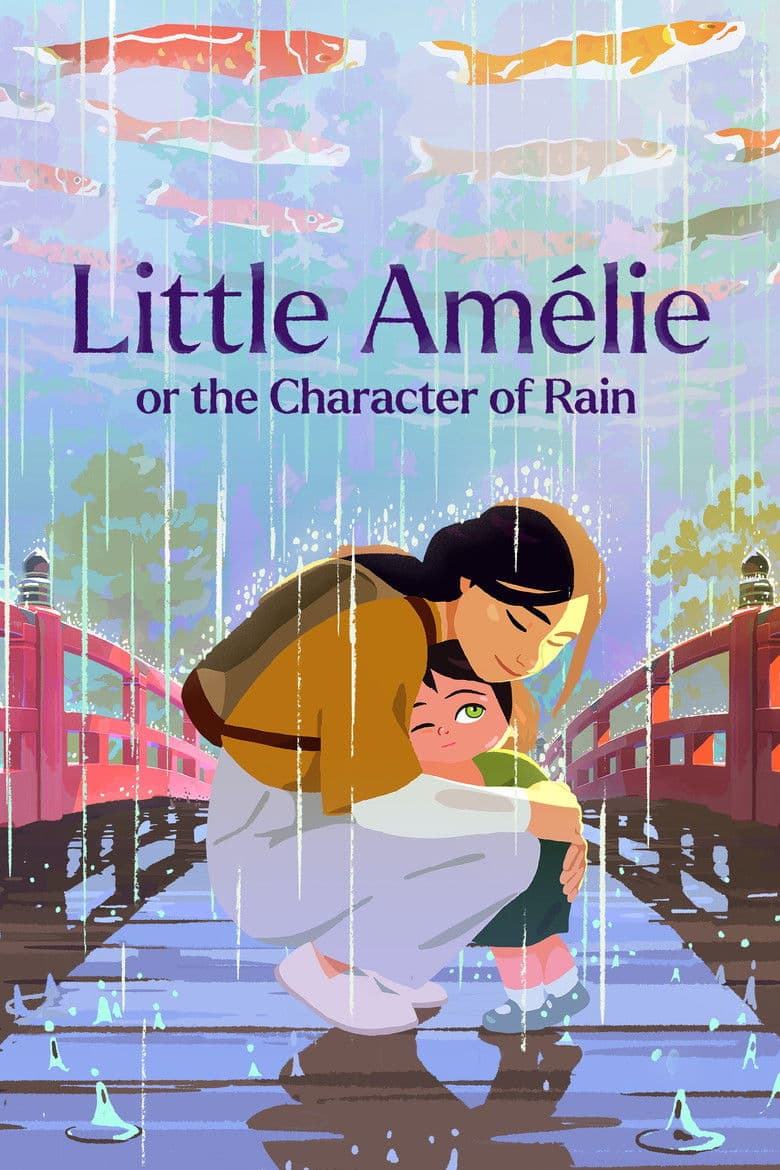
Movie · 2025
The world is a perplexing, peaceful mystery to Amélie until a miraculous encounter with chocolate ignites her wild sense of curiosity.

Movie · 2020
The true-life story of Christian music star Jeremy Camp and his journey of love and loss that looks to prove there is always hope.
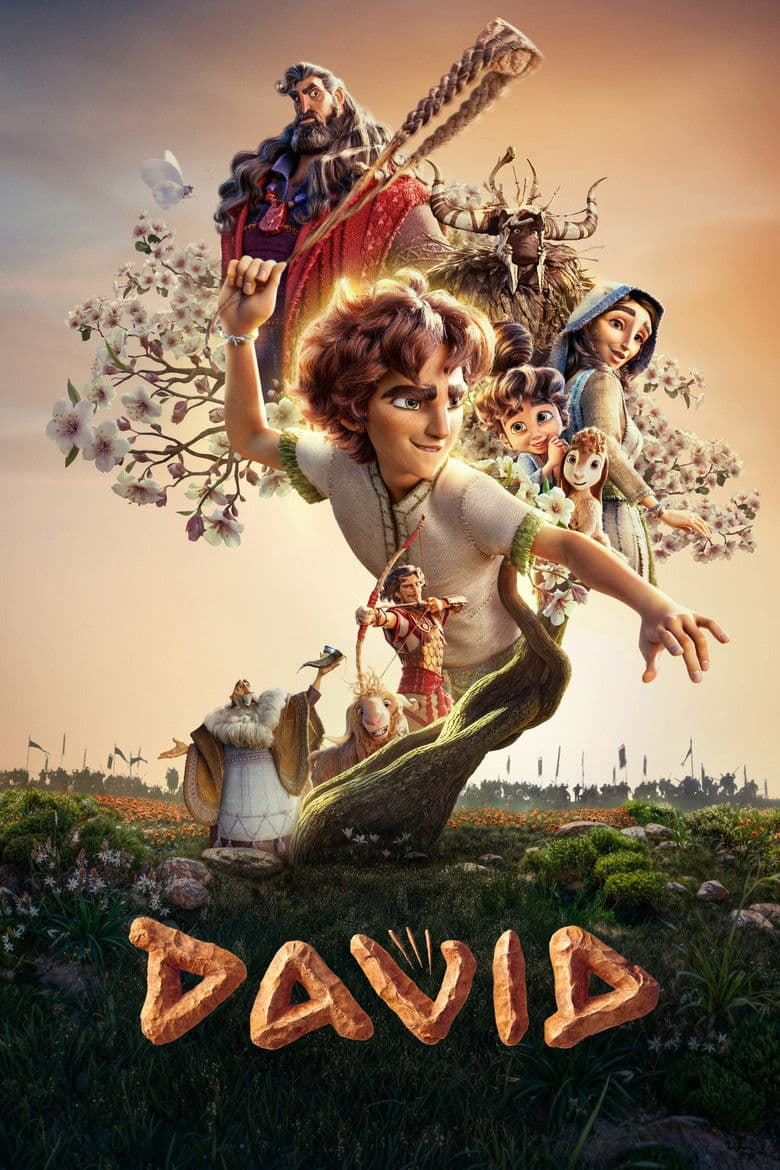
Movie · 2025
From the songs of his mother’s heart to the whispers of a faithful God, David’s story begins in quiet devotion.
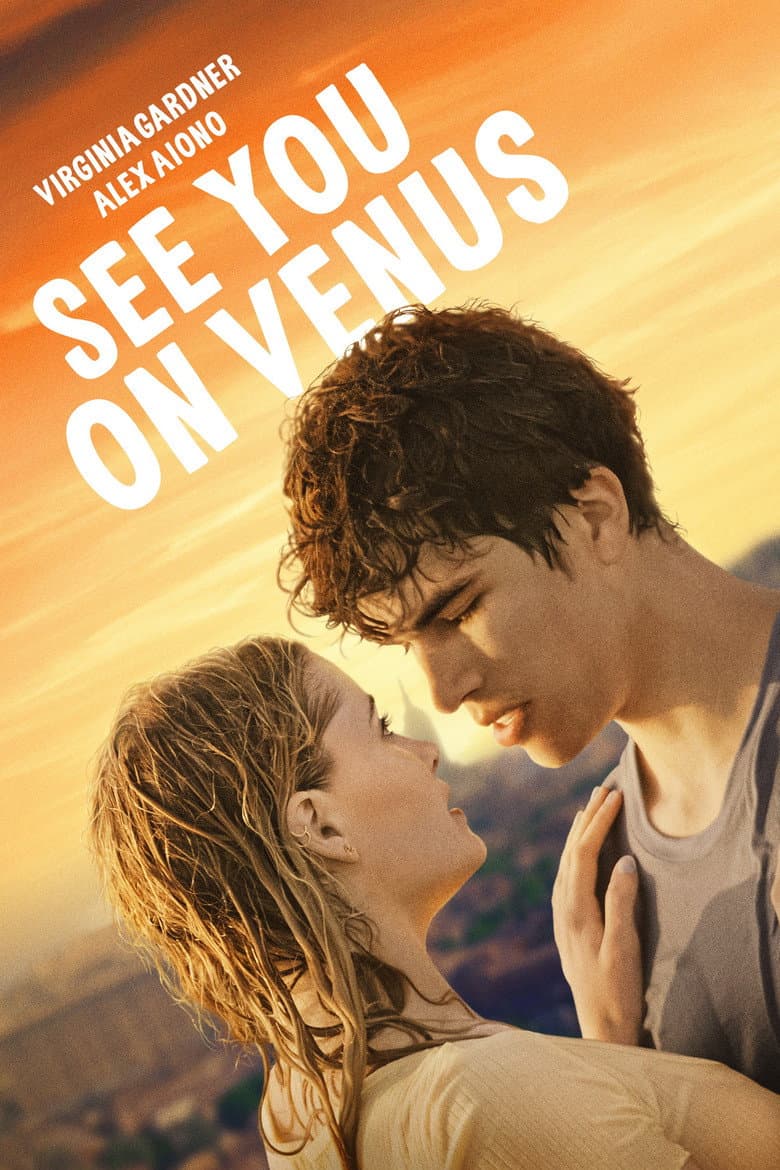
Movie · 2023
Mia and Kyle, two misfit American teens, travel to Spain in search of Mia's birth mother. As the pair road trip through the picturesque cities of Andalusia and fall in love, they…
