
See You on Venus follows Mia, an 18-year-old foster teen with a serious heart defect, and Kyle, a grieving boy who feels responsible for a deadly car crash. Mia stops Kyle from killing himself and pressures him to travel with her from California to Spain. She wants to find the birth mother who left her before she must face risky surgery. The pair crosses Andalusia while grief, illness, and a growing romance turn the trip into a soft but heavy coming-of-age drama.
The film makes Mia’s search for her birth mother the main story, but it slowly shifts toward the family she finds with Kyle and her foster family. Kyle must face the truth about the crash, apologize to Josh, and stop treating his own life as a punishment. Mia must decide whether meeting her birth mother matters more than living through surgery. The movie presents love, forgiveness, and daily choices as answers to grief.
Community feedback
Was our 2% Woke rating accurate?
Breakdown
These are the editorial factors and ratings behind our score for See You on Venus.
Woke representation / casting
Not present. The movie uses a mixed cast for a present-day American and Spanish story, but it does not frame the casting as an identity statement. The story does not build a diversity-first group or link success to race, sex, or sexuality.
0%
Woke political dialogue
Not present. The dialogue discusses grief, suicide, illness, birth family, forgiveness, and personal choice. It does not push current party politics, DEI language, or activist demands.
0%
Identity-driven story themes
Not present. The story follows a foster teen with a heart defect and a boy facing guilt after a crash. It treats these as personal struggles and does not turn them into a message about race, gender, sexuality, or group power.
0%
Western institutional / cultural critique
Not present. The foster system and family problems create Mia’s backstory, but the film does not make a wider attack on Western institutions or traditional family life. Its main lesson is about care, forgiveness, and choosing to live.
0%
Woke character or canon changes
Not relevant. The movie adapts a recent YA novel and does not change a famous character, established canon, or historical figure for identity reasons.
0%
Anti-woke backlash and complaints
Not present. Public complaints focus on weak writing, rushed scenes, and the unlikely road trip. The available posts do not accuse the movie of pushing woke, DEI, or identity politics.
0%
Creator track record context
Victoria Vinuesa and Joaquín Llamas have no well-documented activist or identity-driven record in the cached research. Most of the other producers also have little or no such public record. Virginia Gardner has described herself as feminist and has played a gay Marvel superhero, which gives limited supporting context. The available title interviews focus on optimism, grief, family, and emotional work rather than activism.
8%
Production

Movie · 2016
Set against the backdrop of a beautiful garden in the heart of London, this contemporary fairy tale revolves around the unlikely friendship between a reclusive young woman and a…

Movie · 2020
The true-life story of Christian music star Jeremy Camp and his journey of love and loss that looks to prove there is always hope.

Movie · 2019
A family dog – with a near-human soul and a philosopher's mind – evaluates his life through the lessons learned by his human owner, a race-car driver.

Movie · 2018
An astronomer becomes obsessed with searching the cosmos for signs of life beyond Earth which leads to a shocking discovery.

Movie · 2020
A widow with three children hires a handyman to fix her house during a major storm. When not doing home repairs, he shares his philosophy of believing in the power of the universe…
Movie · 2021
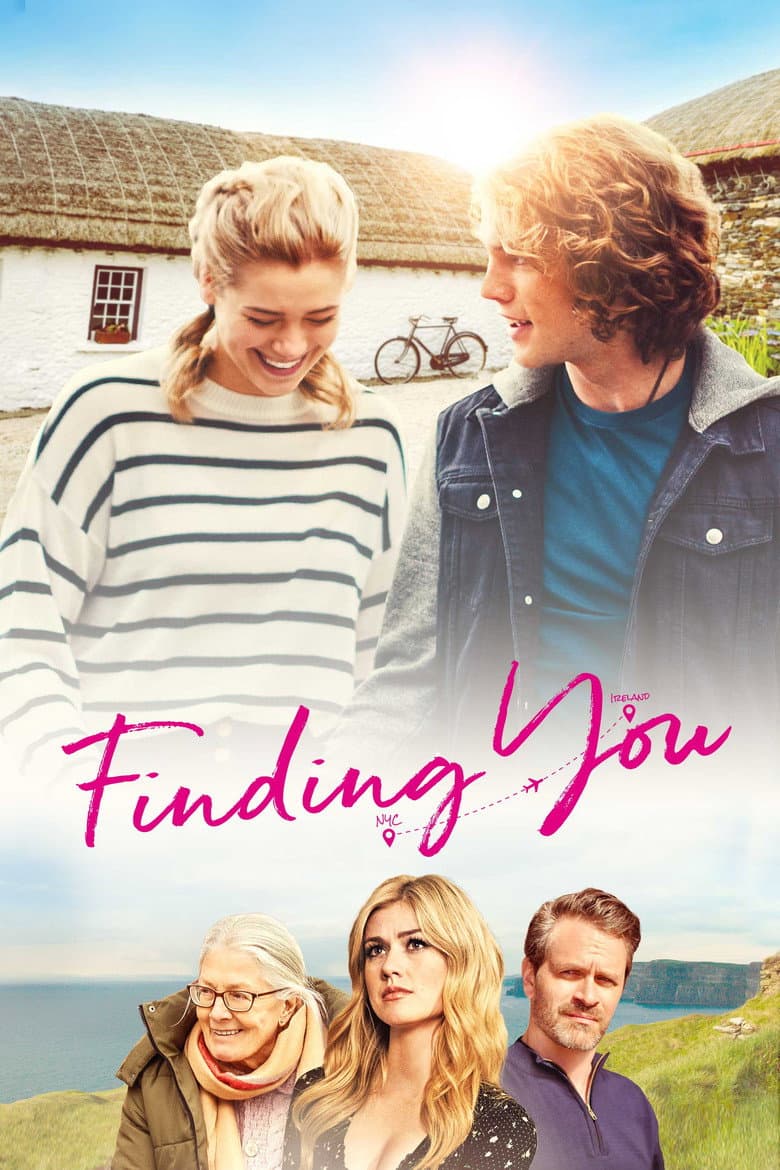
Finley, a talented aspiring violinist, meets Beckett, a famous young movie star, on the way to her college semester abroad program in a small coastal village in Ireland.

Movie · 2018
Years after leaving his fiancée at the altar to pursue fame and fortune, country music star Liam Page returns home hoping to win her back.
Movie · 2022
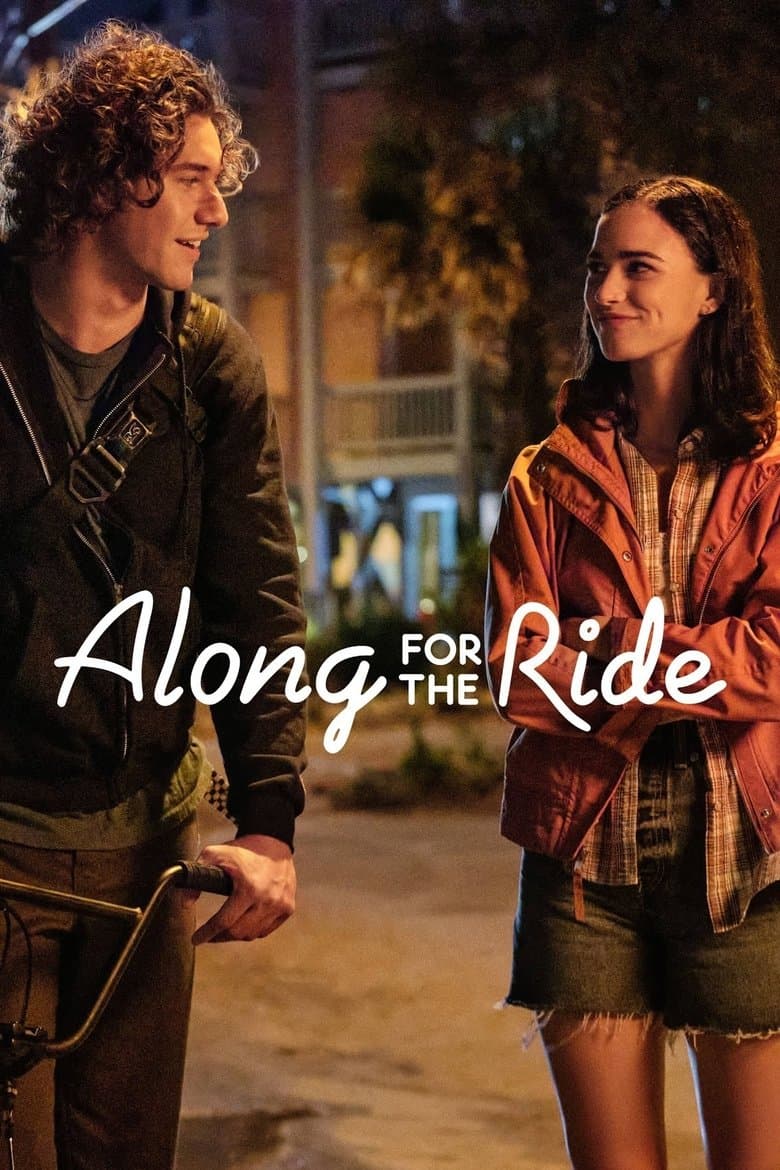
The summer before college, Auden meets the mysterious Eli, a fellow insomniac. While the seaside town of Colby sleeps, the two embark on nightly quests to help Auden experience…
