Movie review
June 25, 2025 · 78 min · PG · French · Kids · Animation · Family · Drama
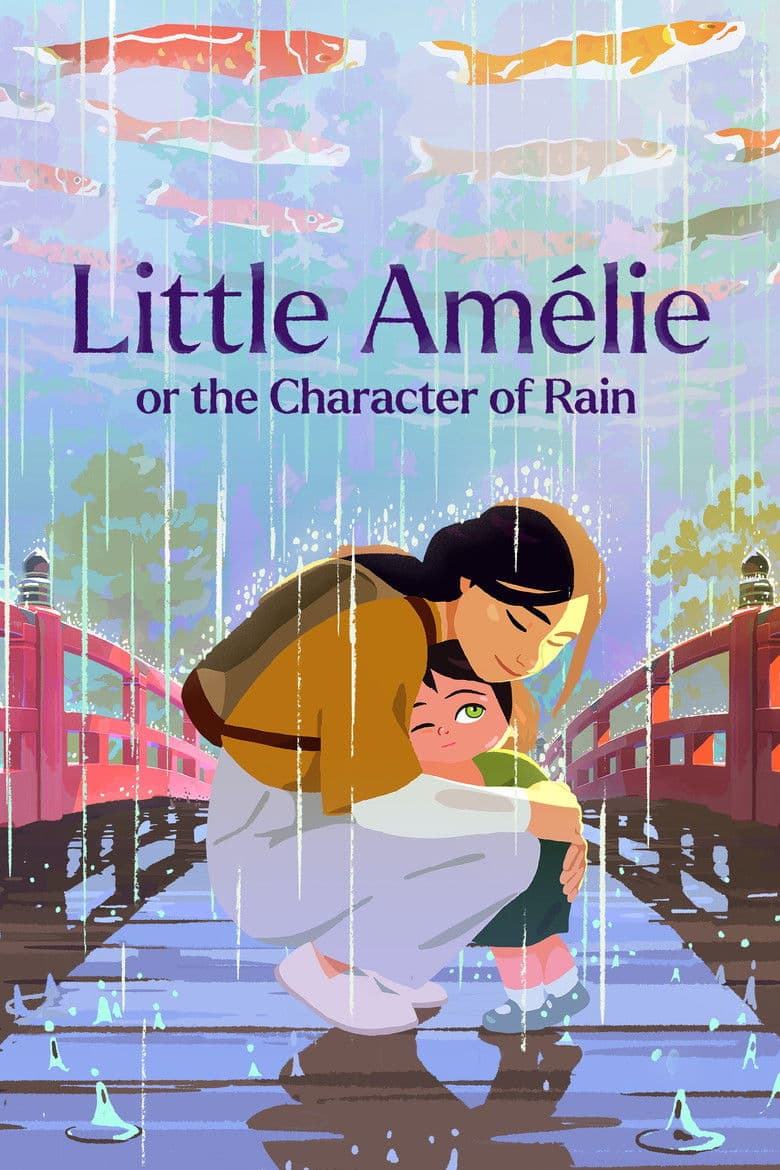
Little Amélie is a Belgian girl born to a family living in Japan in the late 1960s. She seems trapped inside herself until an earthquake and a taste of Belgian white chocolate awaken her speech, feelings, and curiosity. She spends her days exploring nature and family life with Nishio-san, the Japanese housekeeper who becomes her closest friend. The warm, colorful story later turns sad as Amélie faces war memories, loss, separation, and the truth that she is not a god.
The film’s strongest social element is its bond between a Belgian child and a Japanese caregiver. Amélie believes she is Japanese because Japan is the only home she knows, so her later confusion becomes a personal story about belonging. The film briefly asks why a boys’ festival has no matching place for girls, but the joke does not grow into a larger political message. Its main ideas are childhood wonder, grief, memory, language, and human connection.
Community feedback
Was our 6% Woke rating accurate?
Breakdown
These are the editorial factors and ratings behind our score for Little Amélie or the Character of Rain.
Woke representation / casting
Not present. The Belgian family and Japanese household staff fit the story’s setting and source material. The film does not show a diversity-first casting pattern or a prominent identity mismatch.
0%
Woke political dialogue
Amélie asks why a Japanese boys’ festival has no matching month or symbol for girls. Her father gives no strong answer, and the moment plays as a child’s joke about an unequal custom. The film does not repeat this point as an activist speech or political debate.
8%
Identity-driven story themes
Not present. Amélie’s confusion about being Belgian or Japanese comes from where she was raised and from her bond with Nishio-san. The film treats this as a child’s personal question about home and belonging, not as modern identity politics.
0%
Western institutional / cultural critique
Not present. The story shows a Japanese landlady’s wartime anger, a housekeeper’s hard work, and one question about a boys’ festival. It does not attack Western family life, men, religion, or modern social institutions.
0%
Woke character or canon changes
Not relevant. The film adapts Amélie Nothomb’s autobiographical novel. Reported changes focus the story on Amélie, Nishio-san, death, and Japanese culture without identity-based rewriting.
0%
Anti-woke backlash and complaints
Not present in this title.
0%
Creator track record context
Amélie Nothomb has links to an anti-bullfighting group and has shown sympathy for an anti-sexism group. Henri Magalon has described seeking unusual female characters for animation. The other named creators show little public political or identity activism. The film does not turn these mild signals into a clear activist message.
8%
Production
Movie · 2025
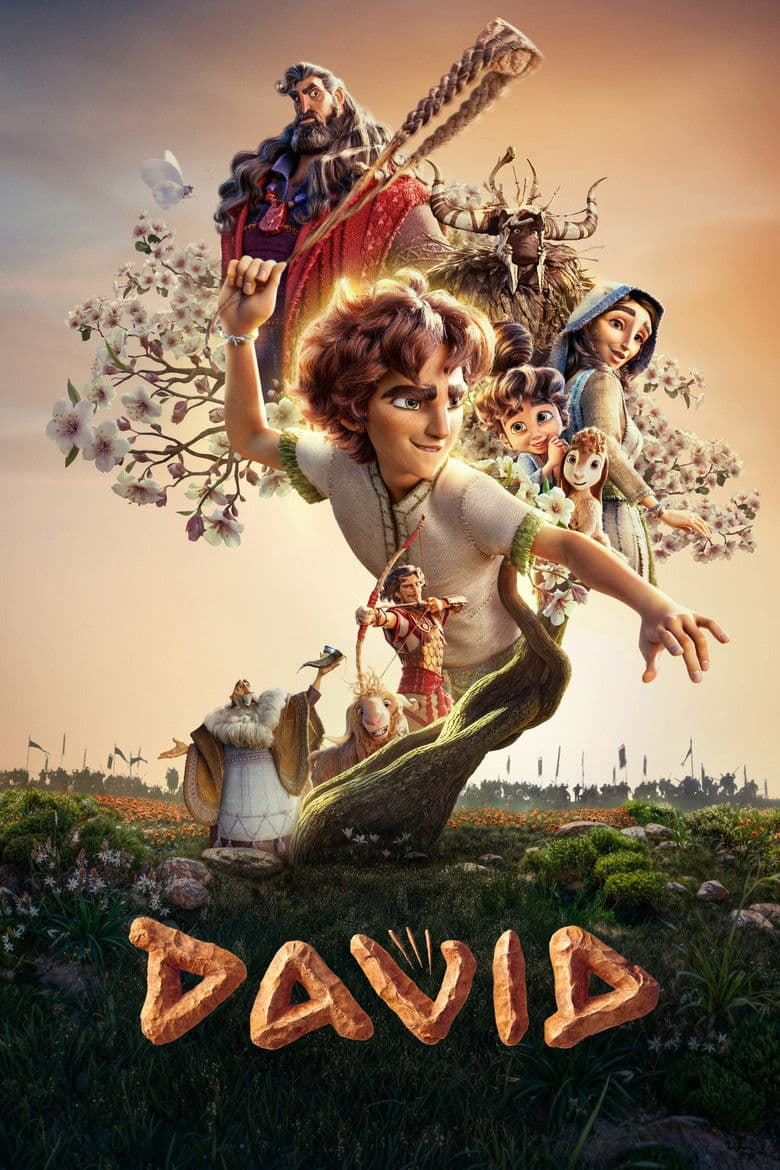
From the songs of his mother’s heart to the whispers of a faithful God, David’s story begins in quiet devotion.
Movie · 2016
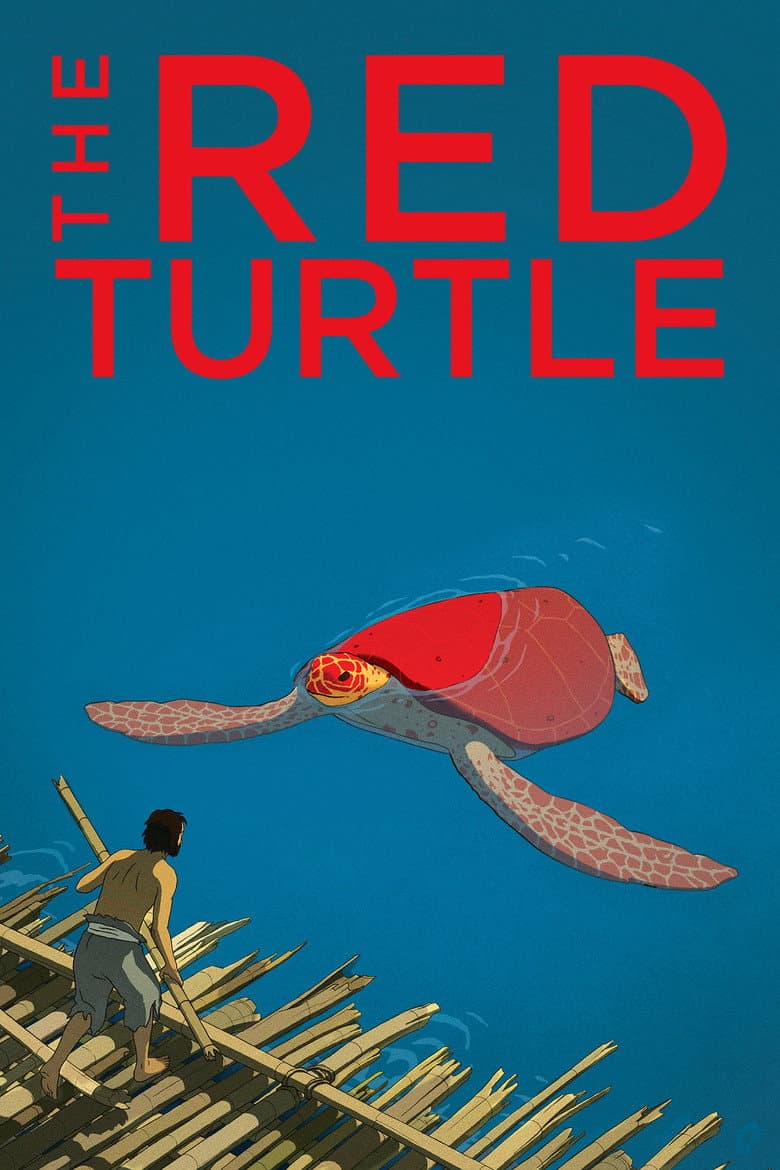
The dialogue-less film follows the major life stages of a castaway on a deserted tropical island populated by turtles, crabs and birds.
Movie · 2022
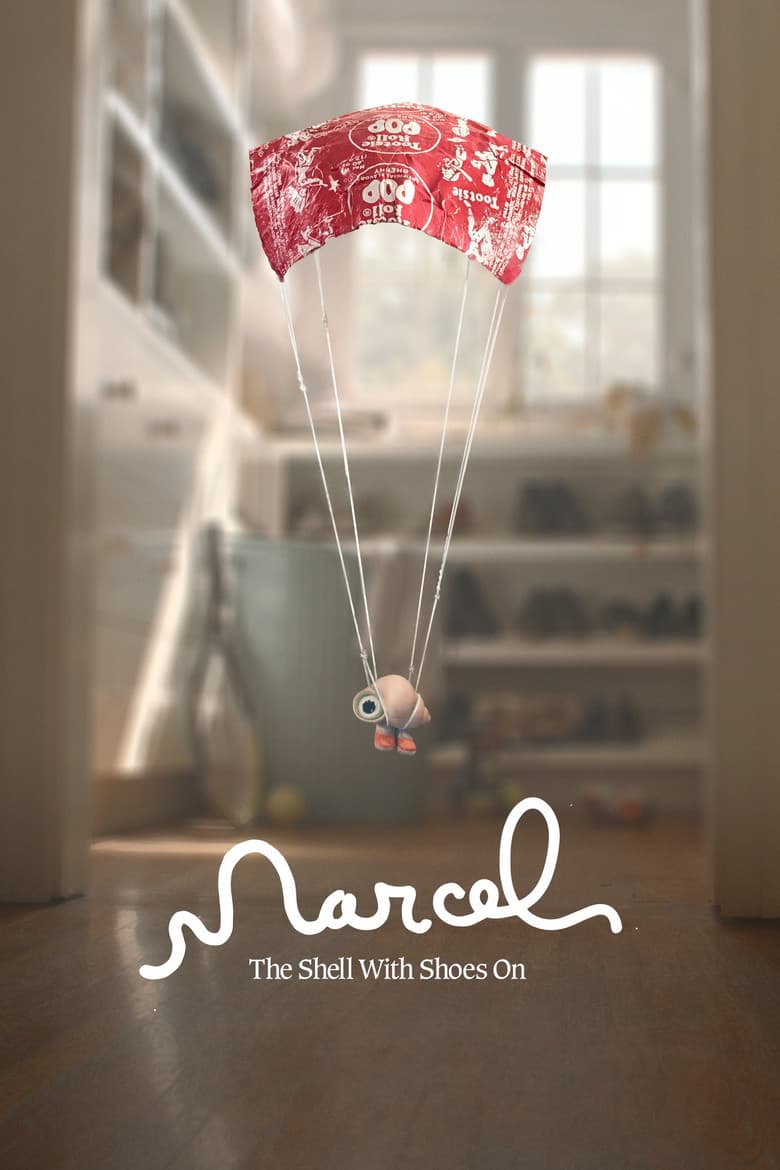
Marcel is an adorable one-inch-tall shell who ekes out a colorful existence with his grandmother Connie and their pet lint, Alan.
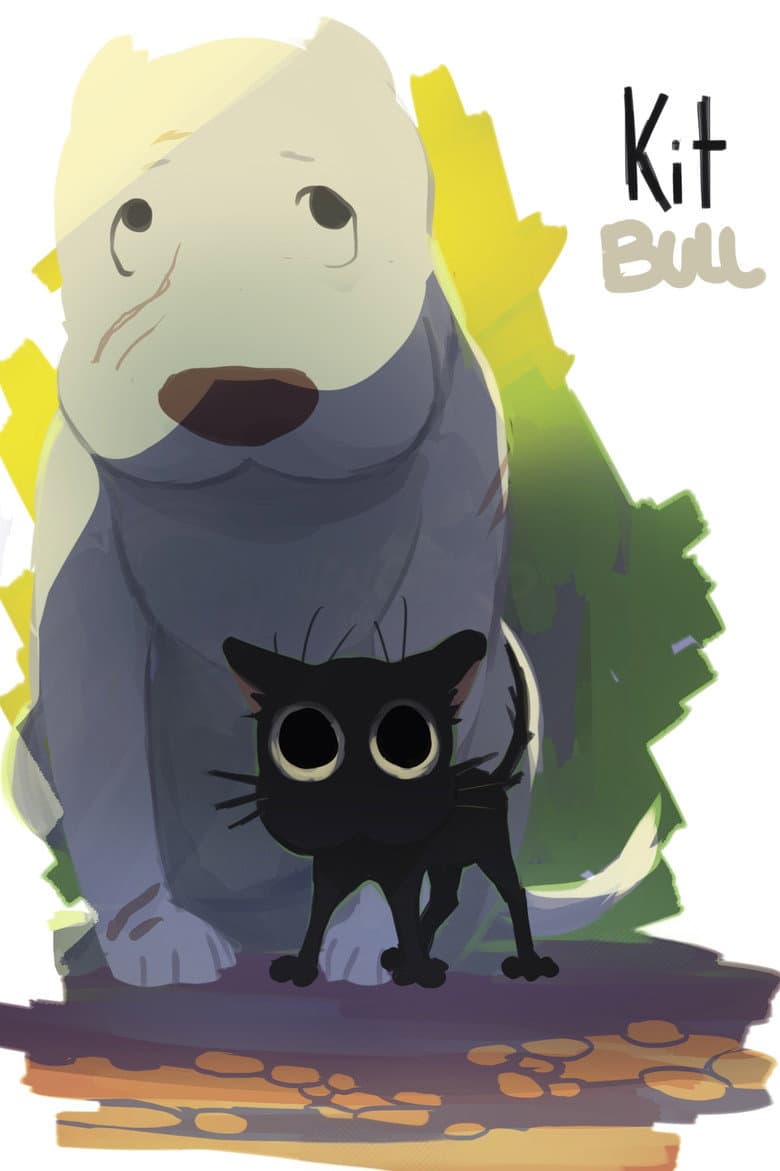
Movie · 2019
An unlikely connection sparks between two creatures: a fiercely independent stray kitten and a pit bull. Together, they experience friendship for the first time.

Movie · 2016
The incredible true story of the greatest walk-on in the history of college football.
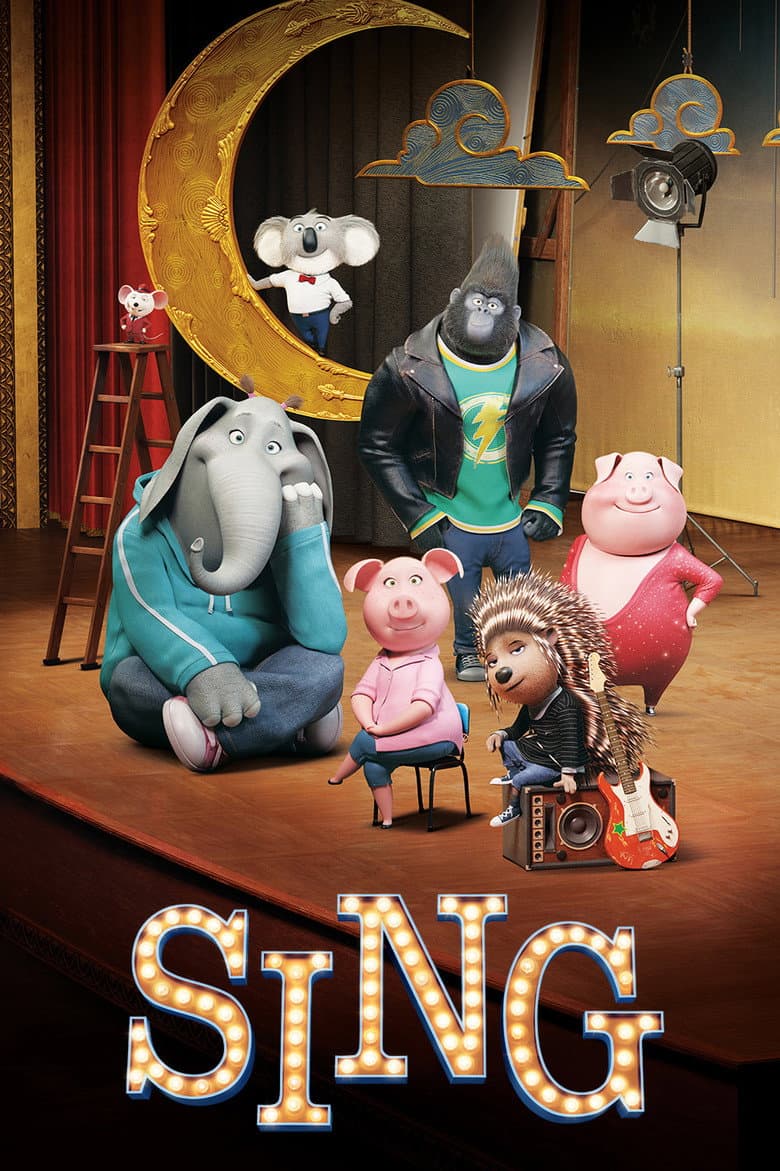
Movie · 2016
A koala named Buster recruits his best friend to help him drum up business for his theater by hosting a singing competition.
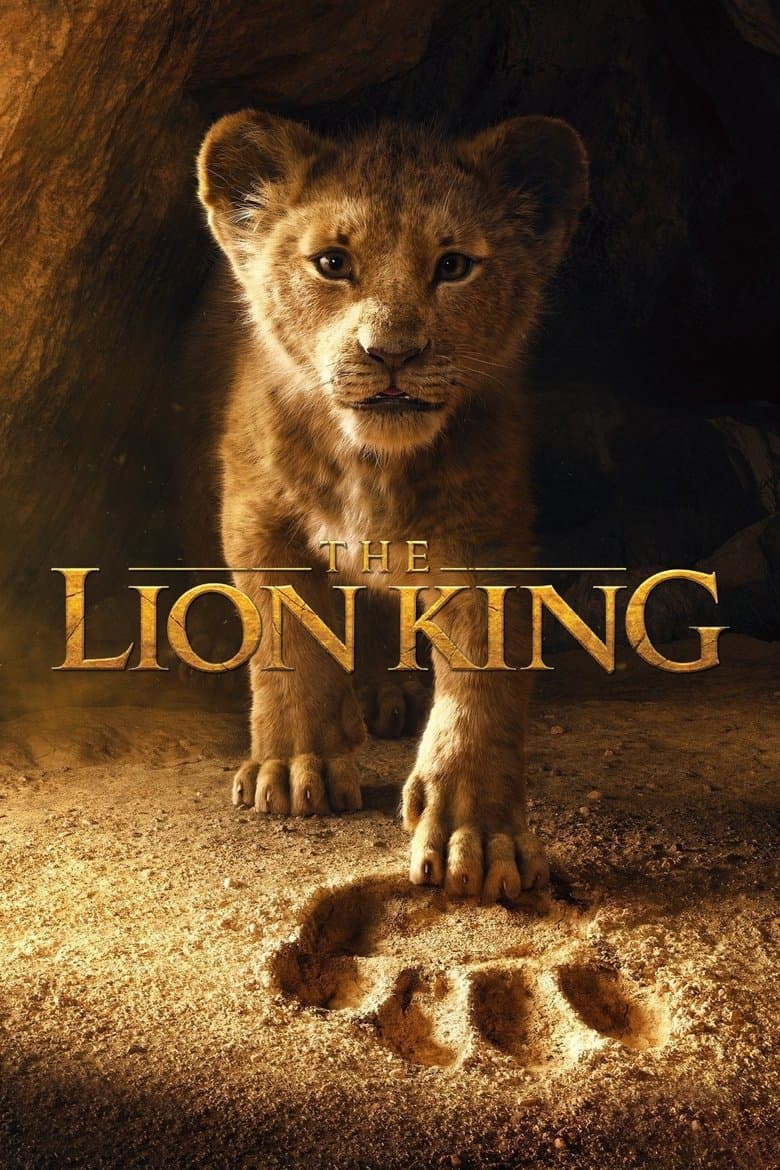
Movie · 2019
Simba idolizes his father, King Mufasa, and takes to heart his own royal destiny. But not everyone in the kingdom celebrates the new cub's arrival.
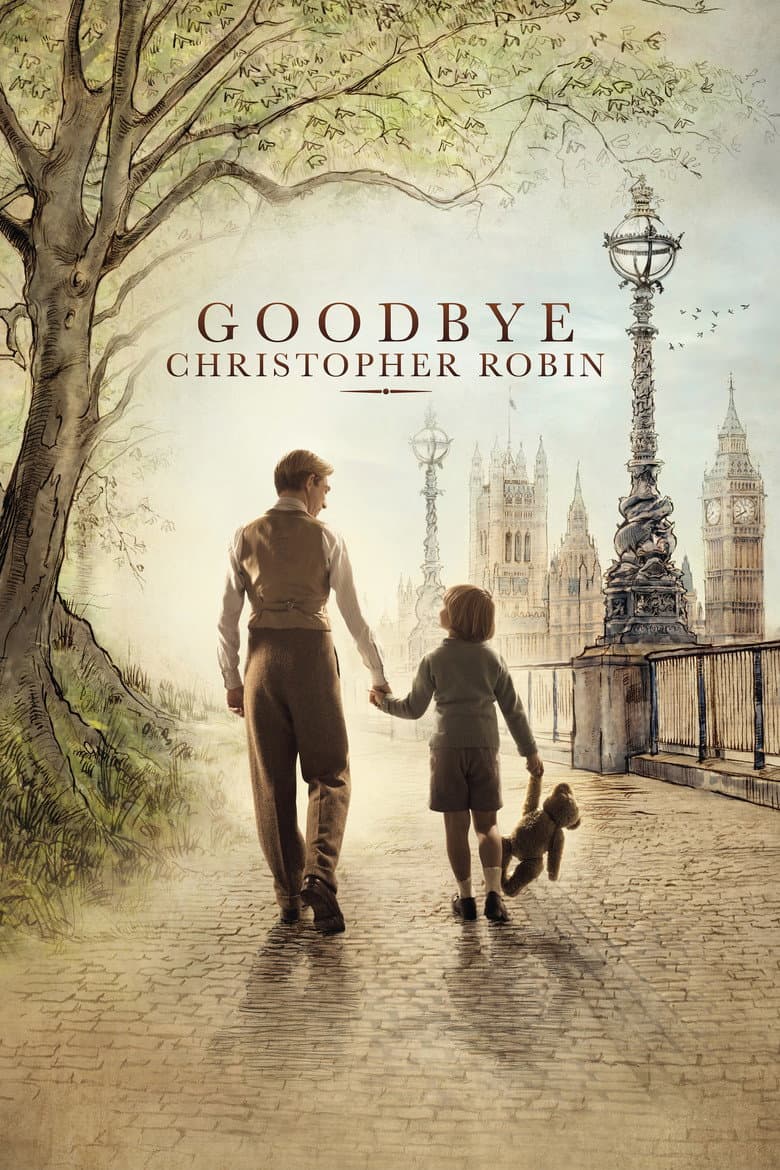
Movie · 2017
The behind the scenes story of the life of A.A. Milne and the creation of the Winnie the Pooh stories inspired by his son Christopher Robin.
