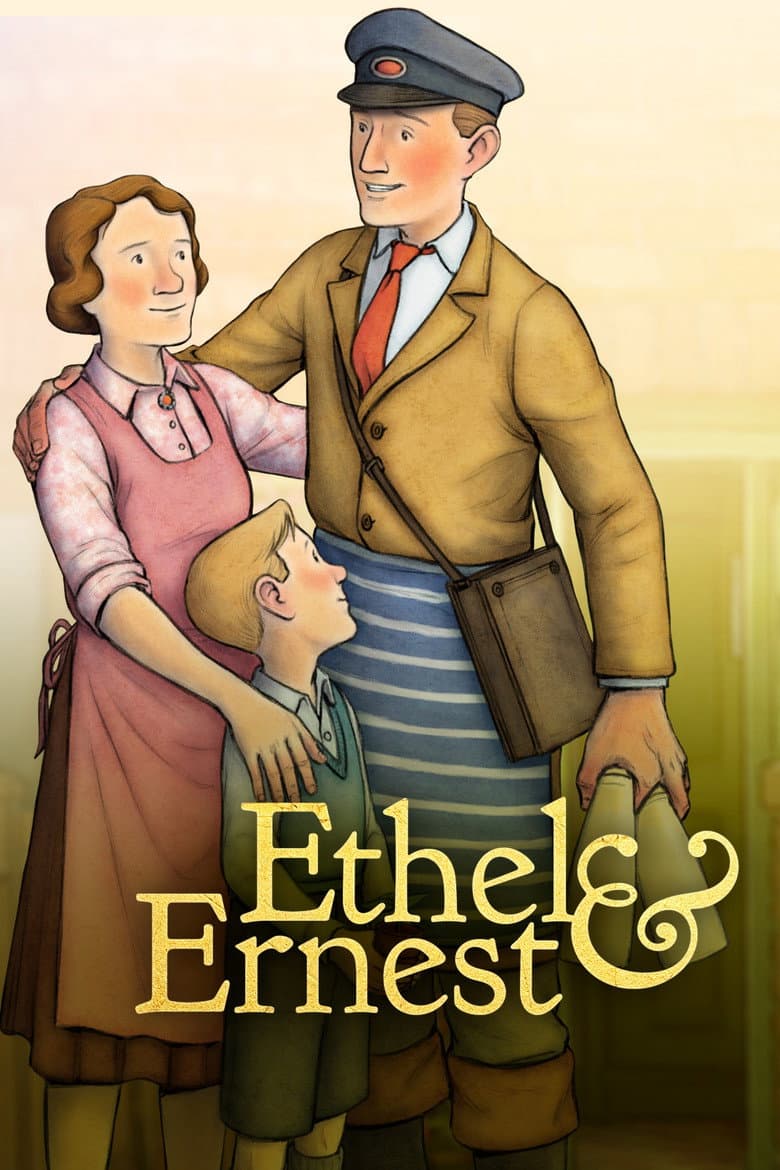
Ethel & Ernest follows two ordinary Londoners who meet in 1928 and build a home together. Ernest works as a milkman and later serves as a firefighter, while Ethel works as a lady's maid before becoming a wife and mother. Their son Raymond grows up as the family lives through the Depression, World War II, postwar Britain, new technology, and the social changes of the 1960s. The film uses warm hand-drawn pictures, gentle jokes, and a sad but loving tone as the couple grow old and die within months of each other.
The film includes repeated but small political arguments because Ernest supports Labour and the welfare state while Ethel prefers Churchill and more traditional ideas. A later scene talks about a young female Tory candidate and says that women can work, hold office, serve in the Army, and fly planes. These moments give the film a mild left-wing and gender-equality signal, but they stay inside the history of the period. The main story remains a family biography about marriage, work, war, aging, illness, memory, and the lasting bond between parents and their son.
Community feedback
Was our 16% Woke rating accurate?
Breakdown
These are the editorial factors and ratings behind our score for Ethel & Ernest.
Woke representation / casting
Not present. The film uses hand-drawn versions of Raymond Briggs's real white London family and a mainly British voice cast. The casting fits the people and time shown, and the film does not frame it as a diversity statement.
0%
Woke political dialogue
Ernest repeatedly praises Labour, the working man, state-owned coal, and the welfare state. Ethel argues for Churchill and traditional respectability. One later exchange discusses a young woman standing for office and lists work, military service, and flying as things women can do. These are historical political and gender-role ideas, not a modern activist campaign.
18%
Identity-driven story themes
A short scene questions old limits on women by discussing a young female Tory candidate and saying that women can work, hold office, join the Army, and fly planes. The film presents this as part of a 1960s family argument rather than a larger identity story. The female candidate does not lead the plot or carry a repeated empowerment arc.
12%
Western institutional / cultural critique
Not present. The film shows old-fashioned family roles and disagreements about class, politics, and change. It does not turn those details into a modern attack on men, Christianity, family life, or Western institutions.
0%
Woke character or canon changes
Not relevant. The film adapts Briggs's family memoir and keeps its real people, time period, and main events. No identity swap or activist rewrite of an established character is shown.
0%
Anti-woke backlash and complaints
Not present. Public comments mainly call the film moving, warm, and true to family life. No meaningful anti-woke complaints about DEI, identity politics, or an agenda were found, and the supplied X pass reports no anti-woke reaction.
0%
Creator track record context
Most listed creators have low cached scores and no clear record of identity activism. Raymond Briggs has a mild left-wing and anti-war record, while Roger Mainwood has no clear identity-activist record. Stéphan Roelants has the strongest context signal because his cached score is 65 and his work often supports social and educational animation. This film's own interviews present a family history rather than a diversity-led project.
19%
Production

Movie · 2016
High schoolers Mitsuha and Taki are complete strangers living separate lives. But one night, they suddenly switch places. Mitsuha wakes up in Taki’s body, and he in hers.
Movie · 2025
The world is a perplexing, peaceful mystery to Amélie until a miraculous encounter with chocolate ignites her wild sense of curiosity.
Movie · 2025
From the songs of his mother’s heart to the whispers of a faithful God, David’s story begins in quiet devotion.

Movie · 2018
After his classmate and crush is diagnosed with a pancreatic disease, an average high schooler sets out to make the most of her final days.
Movie · 2019
An unlikely connection sparks between two creatures: a fiercely independent stray kitten and a pit bull. Together, they experience friendship for the first time.

Movie · 2018
Earth is peaceful following the Tournament of Power. Realizing that the universes still hold many more strong people yet to see, Goku spends all his days training to reach even…
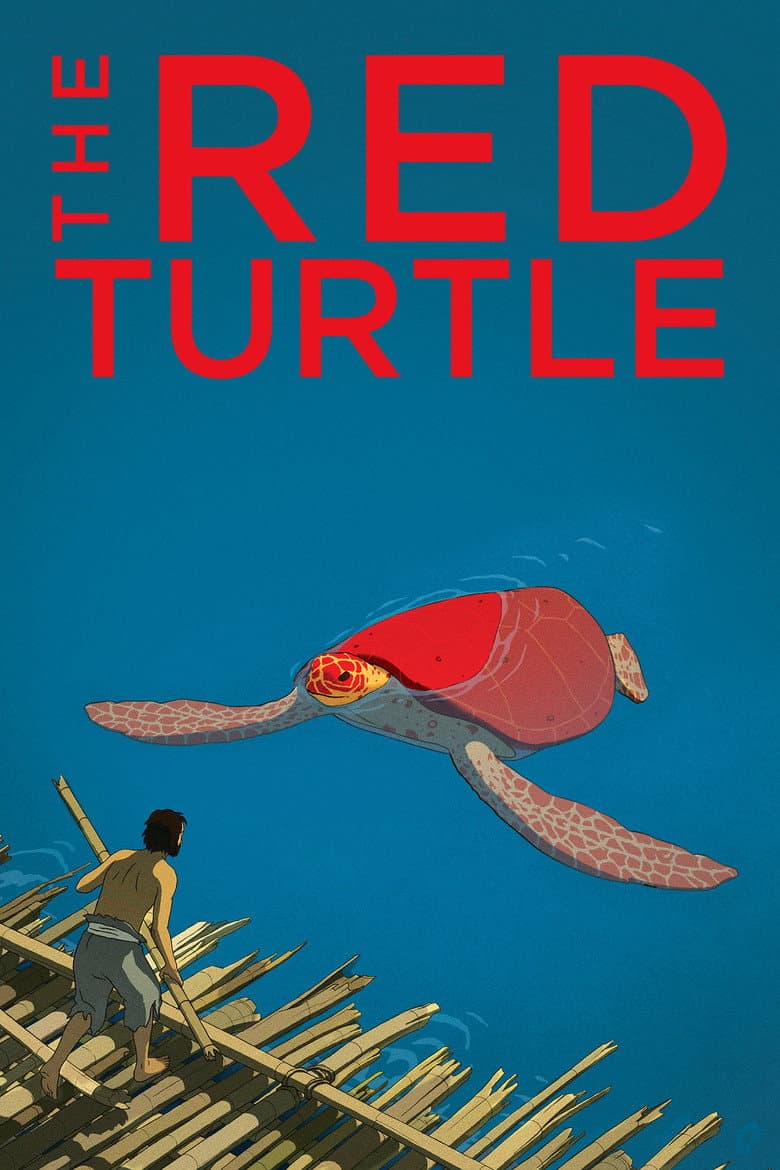
Movie · 2016
The dialogue-less film follows the major life stages of a castaway on a deserted tropical island populated by turtles, crabs and birds.
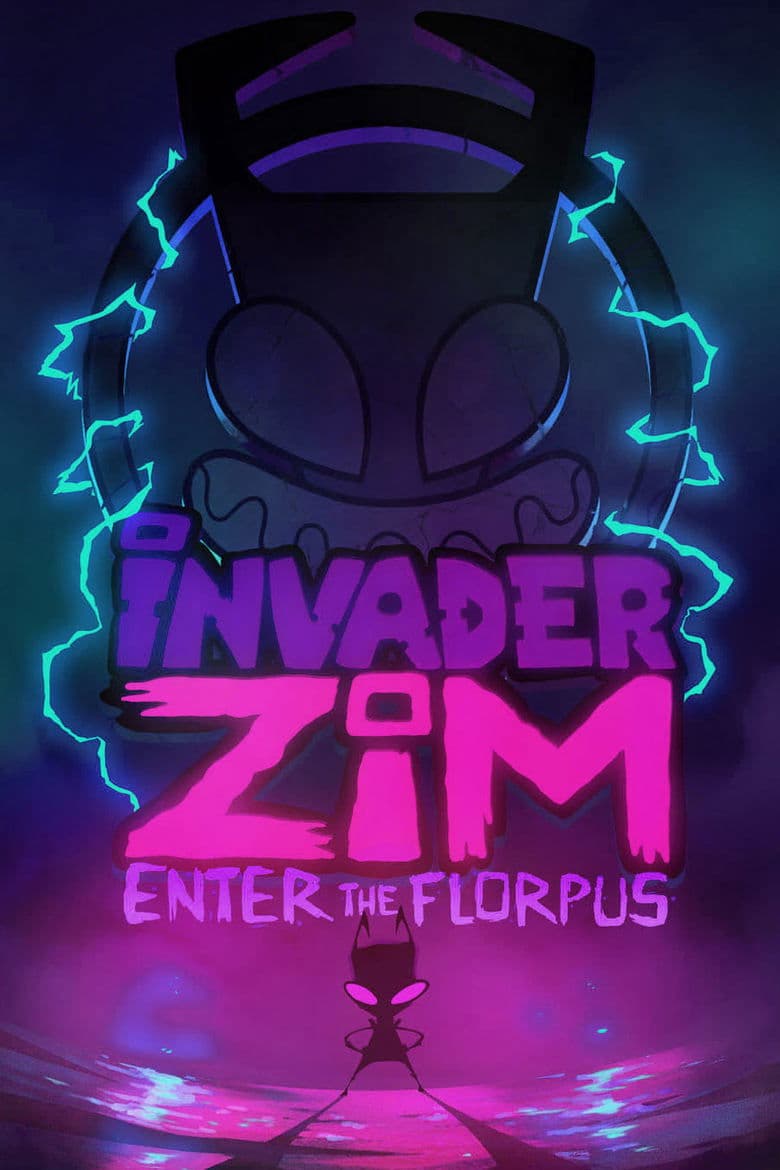
Movie · 2019
ZIM discovers his almighty leaders never had any intention of coming to Earth and he loses confidence in himself for the first time in his life, which is the big break his human…
