
I Still Believe follows Jeremy Camp, a young Christian musician who leaves Indiana for college in California. He meets Melissa Henning, falls in love with her, and learns that she has life-threatening ovarian cancer. Their short marriage is tested by pain, prayer, and grief, while Jeremy tries to build a music career. The movie moves between college life, church events, hospitals, and concert stages. The film has a serious, emotional, and hopeful tone.
The story says Christian faith gives people hope during suffering. Jeremy asks God to heal Melissa, then struggles when her illness gets worse. Melissa keeps trusting God, and her journal helps Jeremy face her death. Jeremy turns his grief into music and carries her message of hope into his later life.
Community feedback
Was our 0% Woke rating accurate?
Breakdown
These are the editorial factors and ratings behind our score for I Still Believe.
Woke representation / casting
Not present. Casting uses actors in roles that align with the real individuals depicted, with no audience-visible emphasis on diversity quotas, identity signaling, or representation priorities in the story, marketing, or production choices.
0%
Woke political dialogue
Not present. Dialogue focuses on romance, music, family, illness, and personal questions about faith and God’s purposes, with no activist language, identity terms, or political messaging present.
0%
Identity-driven story themes
Not present. The core narrative follows a real couple’s journey of love, marriage, terminal illness, and Christian faith tested by loss, centered on hope in Jesus rather than any race, gender, sexuality, or social-justice themes.
0%
Western institutional / cultural critique
Not present. The film affirms traditional Christian faith, marriage, and personal responsibility to God; it portrays spiritual struggles as individual and redemptive without activist critiques of institutions, patriarchy, masculinity, or Western culture.
0%
Woke character or canon changes
Not relevant. This is a dramatized biopic of specific real historical figures with no established fictional canon or ideological reinterpretations of identity or history.
0%
Anti-woke backlash and complaints
Not present. No notable anti-woke or right-leaning complaints exist that accuse the film of promoting woke, DEI, or identity politics content; public discussion instead centers on its religious themes or general storytelling.
0%
Creator track record context
The Erwins have said their studio wants to make more inclusive spiritual messages for wider audiences. That wording gives a weak creator-context signal, but it does not name identity politics or activist goals. The cached scores for the key creatives are very low, from 0 to 7, and their work centers on Christian faith and redemption.
2%
Production

Movie · 2019
A family dog – with a near-human soul and a philosopher's mind – evaluates his life through the lessons learned by his human owner, a race-car driver.

Movie · 2018
Years after leaving his fiancée at the altar to pursue fame and fortune, country music star Liam Page returns home hoping to win her back.

Movie · 2018
An astronomer becomes obsessed with searching the cosmos for signs of life beyond Earth which leads to a shocking discovery.
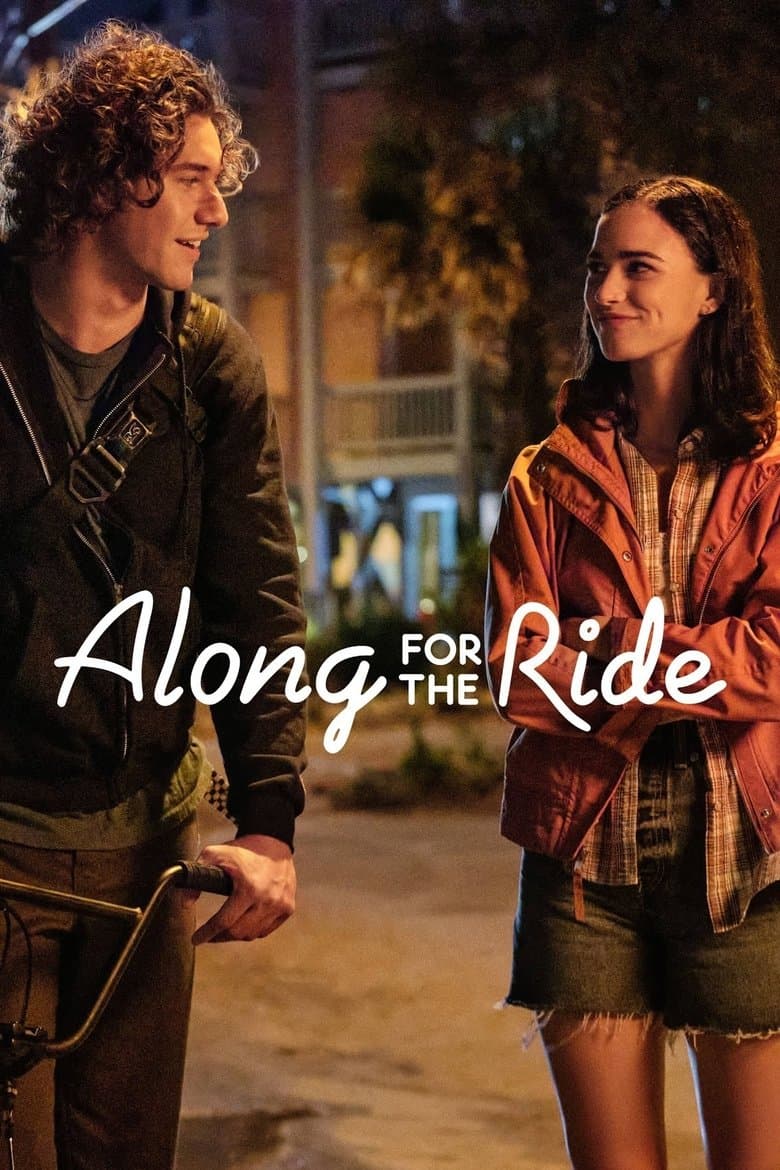
Movie · 2022
The summer before college, Auden meets the mysterious Eli, a fellow insomniac. While the seaside town of Colby sleeps, the two embark on nightly quests to help Auden experience…

Movie · 2021
Finley, a talented aspiring violinist, meets Beckett, a famous young movie star, on the way to her college semester abroad program in a small coastal village in Ireland.

Movie · 2016
Pop superstar Jordan Jaye has a big dream he just wants to live like a regular teenager. When he's chased down by some excited female fans, he finds a perfect hideout and a…

Movie · 2023
Mia and Kyle, two misfit American teens, travel to Spain in search of Mia's birth mother. As the pair road trip through the picturesque cities of Andalusia and fall in love, they…
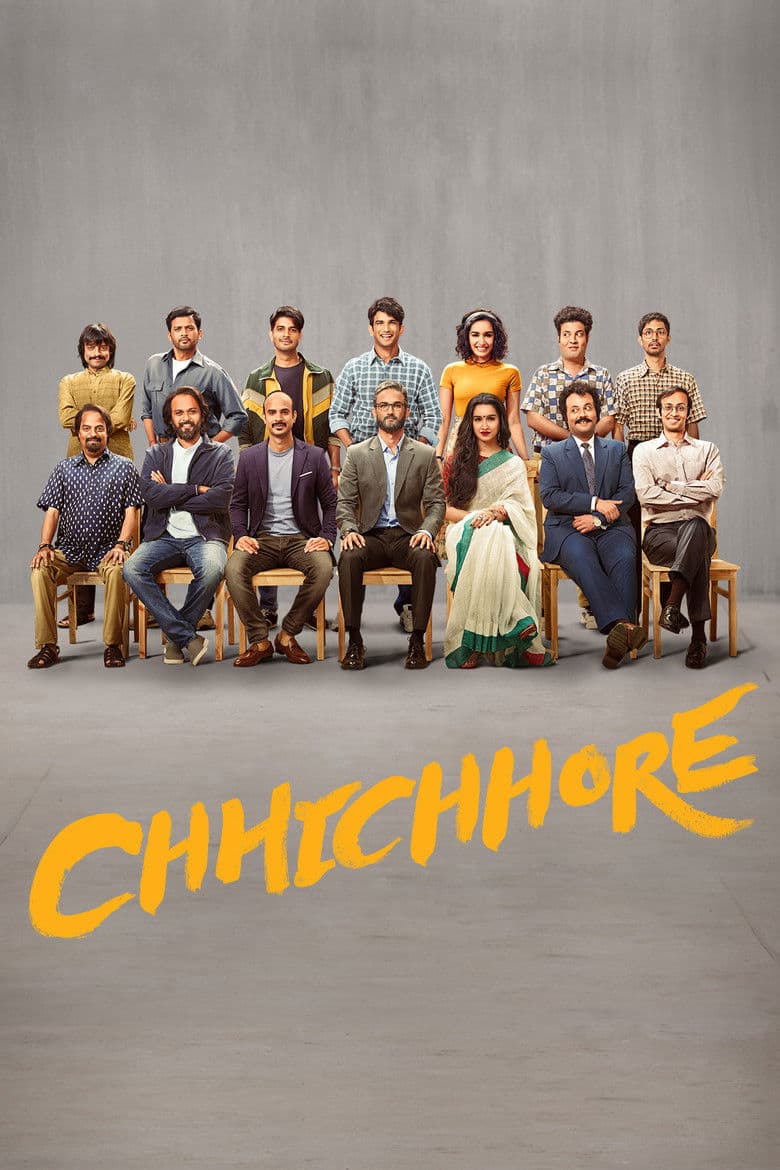
Movie · 2019
Following a group of friends from university as they progress into middle-age life and go their own separate ways.
