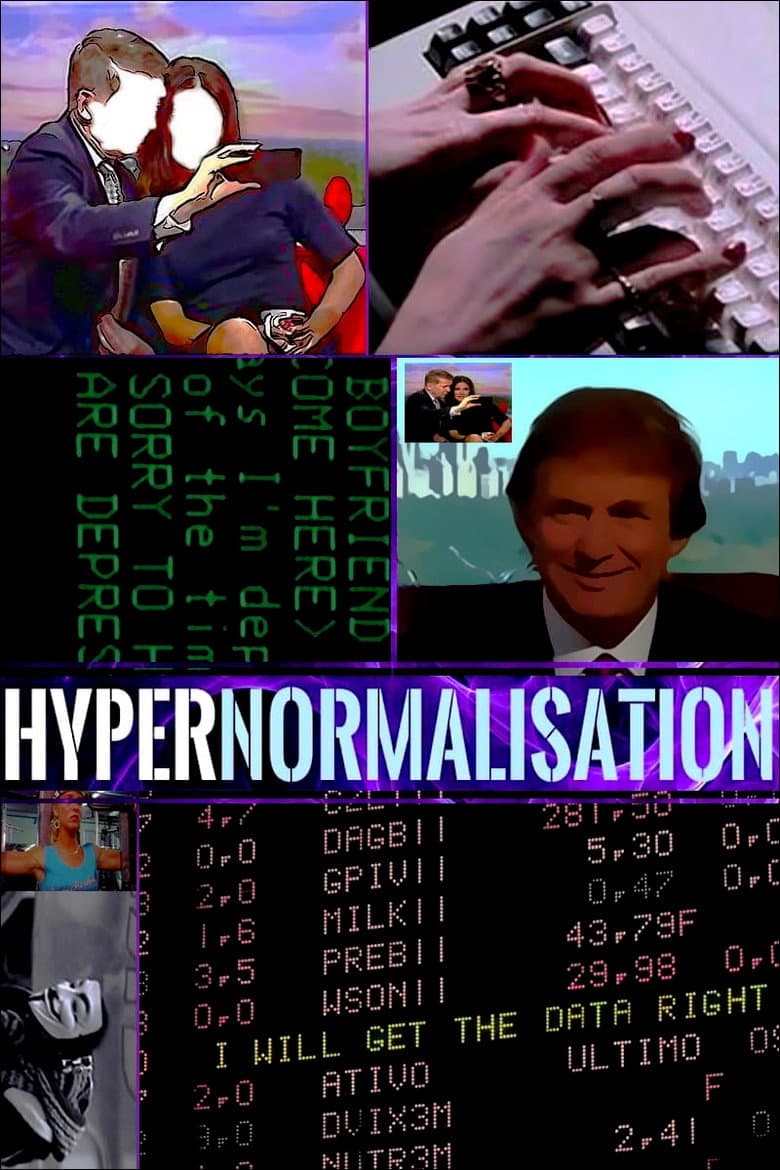
Adam Curtis guides the film as its narrator, using old news clips, interviews, music, and strange images to tell a long story about power. The story begins in New York and Damascus in 1975, then moves through the Soviet Union, Lebanon, Libya, America, Russia, Egypt, Syria, and the internet age. Curtis argues that politicians, banks, technology companies, and rulers stopped trying to solve hard problems and built simple stories that people accepted as real. The tone is dark, tense, and often dreamlike, with Trump, Putin, Assad, Gaddafi, Henry Kissinger, and Patti Smith appearing in the larger story.
The film’s main woke signal is repeated Western institutional / cultural critique of banks, finance, corporate power, Western foreign policy, media, and social media systems. It treats the loss of collective politics and the failure of left-wing movements, Occupy, and the Arab Spring as major parts of the story, while often questioning those movements instead of praising them. A short section mentions oppressed people, black Americans, and white America while describing Gaddafi’s propaganda, but that point is not the film’s main subject. The film’s identity material is brief compared with its larger argument about power, money, technology, and public fear.
Community feedback
Was our 53% Woke rating accurate?
Breakdown
These are the editorial factors and ratings behind our score for HyperNormalisation.
Woke representation / casting
Not present. The film uses archival footage of real political figures, activists, workers, and civilians rather than a cast chosen to signal diversity. The title does not frame any identity choice as a message.
0%
Woke political dialogue
The narrator repeatedly says that banks, finance, corporations, politicians, and technology systems took power away from ordinary people. The film calls these systems not answerable to voters and says they create fear, fake stories, and public confusion. The film also criticizes Western foreign policy, the Iraq and Libya wars, social media companies, and the failure of the political left. The language is sustained and openly activist, but it is about power and economics rather than race, gender, or DEI.
55%
Identity-driven story themes
Not present. The film’s main story follows money, political power, war, technology, and public fear. It does not make race, gender, sexuality, or DEI an ongoing story concern.
0%
Western institutional / cultural critique
The film repeatedly says that banks and finance took power away from elected politicians after New York’s 1975 debt crisis. It links Western governments, media, intelligence agencies, and technology companies to fake stories, fear, spying, and public confusion. The film also presents the Iraq and Libya wars as results of simple Western stories and treats Trump and Putin as products of this broken system. This critique drives the film from its opening argument to its final sections.
68%
Woke character or canon changes
Not relevant. The title is an original documentary essay, not an adaptation. It does not recast or rewrite an established fictional character or historical person.
0%
Anti-woke backlash and complaints
The separate X research found no anti-woke reaction, and no organized backlash appears in the sources reviewed. One forum critic called the film left-wing and objected to its anti-Trump and anti-Brexit framing. Other audience comments focused on its loose argument, conspiracy feel, or editing, which do not count as woke complaints. The available criticism is fringe and mixed.
15%
Creator track record context
Adam Curtis has a stored woke score of 12/100. His work often attacks political power, propaganda, capitalism, technology, and Western foreign policy. His record is strongly political and often against powerful institutions, but it does not show a lasting DEI, race, gender, or sexuality activist focus. The producers have stored scores of 0/100 and add no known identity-focused signal.
12%
Production

Movie · 2018
New York, 1980. Three complete strangers accidentally discover that they're identical triplets, separated at birth.
Movie · 2025
Those who knew iconic funnyman John Candy best share his story, in their own words, through never-before-seen archival footage, imagery, and interviews.

Movie · 2016
With never-before seen home video, this film recounts the paranoid downward spiral of John E. du Pont and the murder of Olympic wrestler Dave Schultz.
Movie · 2023
A courageous pastor uses his underground network to rescue and aid North Korean families as they risk their lives to embrace freedom.
Movie · 2024
Christopher Reeve portrayed the Man of Steel in four Superman films and played dozens of other roles that displayed his talent and range as an actor, before being injured in a…
Movie · 2021
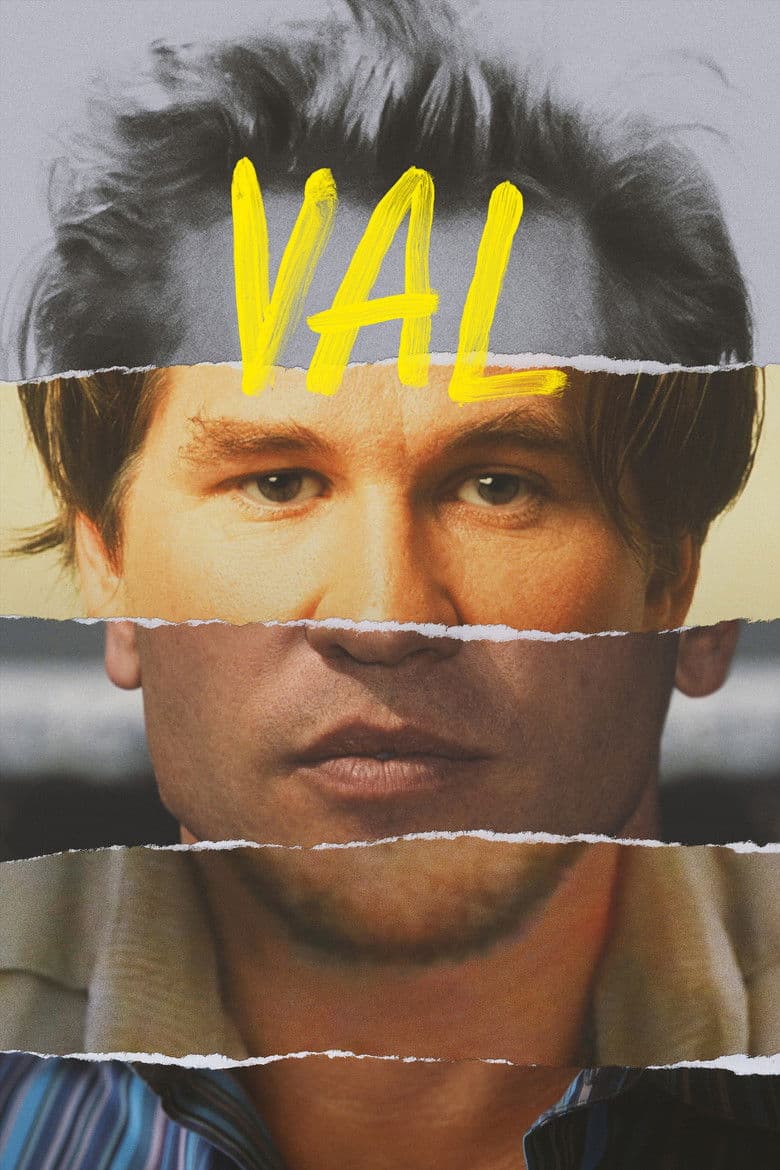
For over 40 years Val Kilmer, one of Hollywood’s most mercurial and/or misunderstood actors has been documenting his own life and craft through film and video.

Movie · 2018
A documentary about World War I with never-before-seen footage to commemorate the centennial of Armistice Day, and the end of the war.

Movie · 2023
The remarkable coming-of-age story of Stephen Curry—one of the most influential, dynamic, and unexpected players in basketball history—and his rise from an undersized college…
