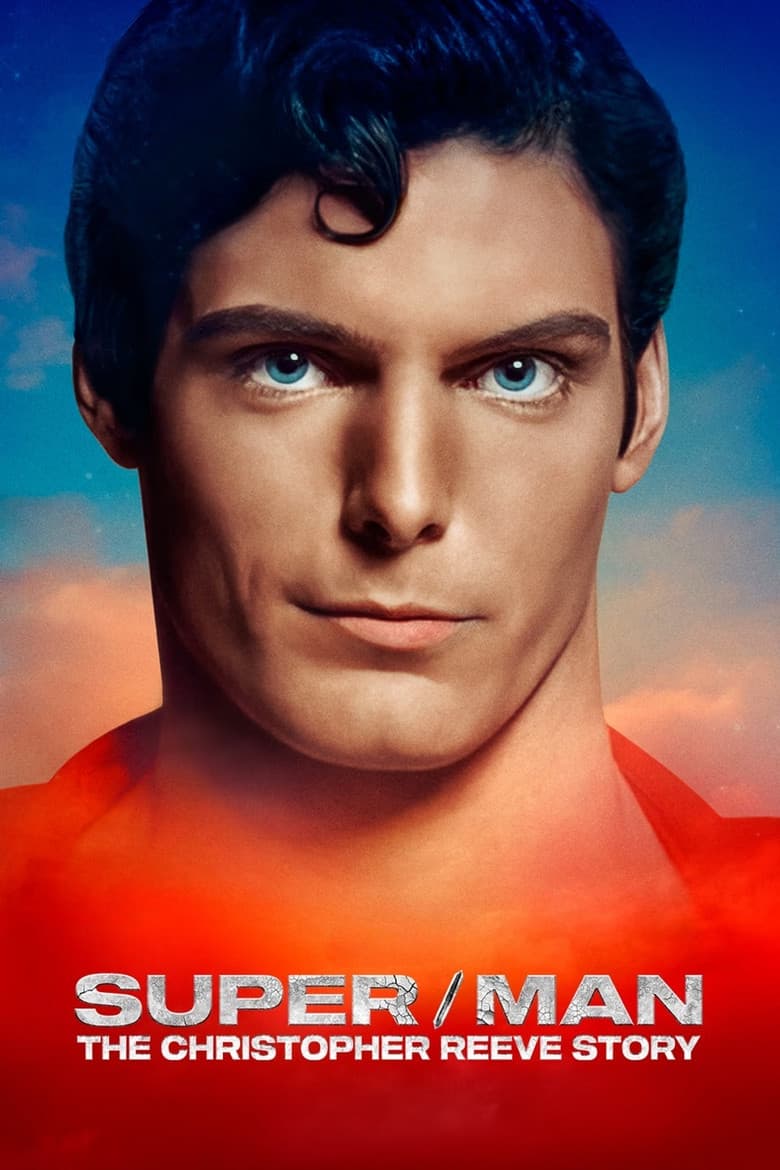
Movie review
September 21, 2024 · 104 min · PG-13 · Documentary
Christopher Reeve becomes a world-famous actor after he is chosen to play Superman in the 1978 film and its sequels. His difficult childhood, rise to fame, and close friendship with Robin Williams shape the first part of his story. A horse-riding accident in 1995 leaves Reeve paralyzed from the neck down and unable to breathe without help. The story moves between Hollywood, hospitals, family homes, and public events as Reeve faces the loss of movement, privacy, and his old career. The film follows his marriage to Dana, his children, his return to work, and the losses that change the family in a loving but painful tone.
After the accident, Reeve turns his public life toward people with disabilities and research into spinal cord injuries. He speaks about the value of disabled people, asks lawmakers for more research money, and helps build a foundation that supports daily care and the search for a cure. The film also shows the debate over whether a cure message can make disabled people feel that their lives need to be fixed. It presents these themes through Reeve’s personal choices, family love, and hope for medical progress rather than through a broad modern political campaign.
Community feedback
Was our 26% Woke rating accurate?
Breakdown
These are the editorial factors and ratings behind our score for Super/Man: The Christopher Reeve Story.
Woke representation / casting
Not present. The film uses real footage of Reeve, his mostly white family, and people who knew him. The documentary does not create a chosen diversity mix or present its subjects as a representation goal.
0%
Woke political dialogue
Christopher Reeve gives a speech at the 1996 Democratic National Convention about family values and the value of disabled people. The film shows him meeting President Clinton and seeking more money for spinal cord research. Other clips show him asking for better care and treatment. The material comes from his real 1990s advocacy, not new partisan lectures from the filmmakers.
24%
Identity-driven story themes
Reeve’s life after paralysis becomes the film’s main story. He speaks for people with spinal cord injuries and works to make disability more visible. The film shows his foundation balancing daily care with research for a cure and includes debate inside the disability community about the word cure. A brief old clip shows Reeve playing a man in a same-sex relationship, but that part concerns his acting career. The main message supports disability rights and wider public inclusion while staying tied to Reeve’s real life rather than a broad modern identity-politics campaign.
32%
Western institutional / cultural critique
Susan Sarandon says Reeve’s strong Superman image could have led to “toxic masculinity,” but she calls him gentle. The film also discusses his weak relationship with his first children and his effort to change family patterns. It does not attack men, marriage, Christianity, capitalism, or Western culture. The critique is a brief comment inside a family biography.
12%
Woke character or canon changes
Not relevant. The documentary uses archival footage and interviews to tell Reeve’s documented life. It does not rewrite a fictional character or alter a real event for identity messaging.
0%
Anti-woke backlash and complaints
Not present. The separate X pass found no anti-woke reaction or specific complaint. Wider news and reviews focused on the biography, family, and disability debate rather than woke, DEI, or left-wing messaging.
0%
Creator track record context
The key creators have mostly made biographical documentaries, sports films, and human stories. Ian Bonhôte and Peter Ettedgui also made Rising Phoenix about Paralympic athletes. Erin Sayder has worked on films about immigration, modern slavery, and women in creative work. The wider record shows mild social concerns but no strong pattern of activist or identity-driven public work.
10%
Production
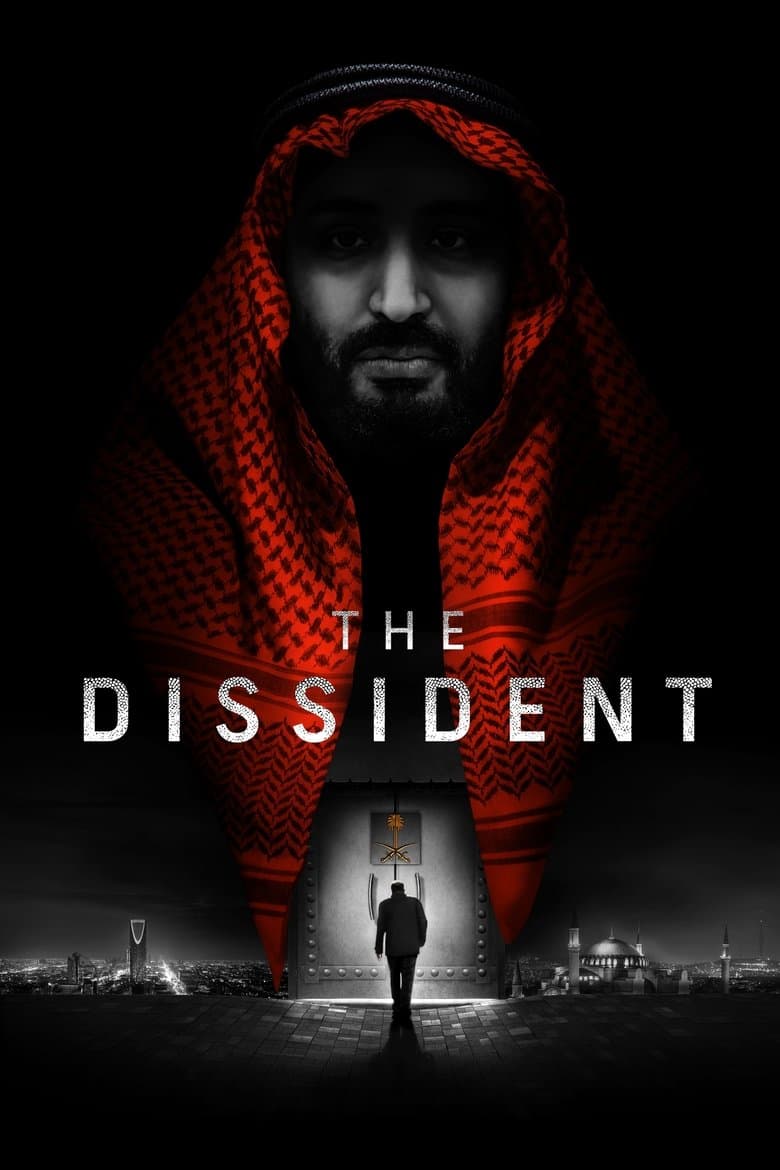
Movie · 2020
When Washington Post journalist Jamal Khashoggi disappears after entering Saudi Arabia’s consulate in Istanbul, his fiancée and dissidents around the world are left to piece…
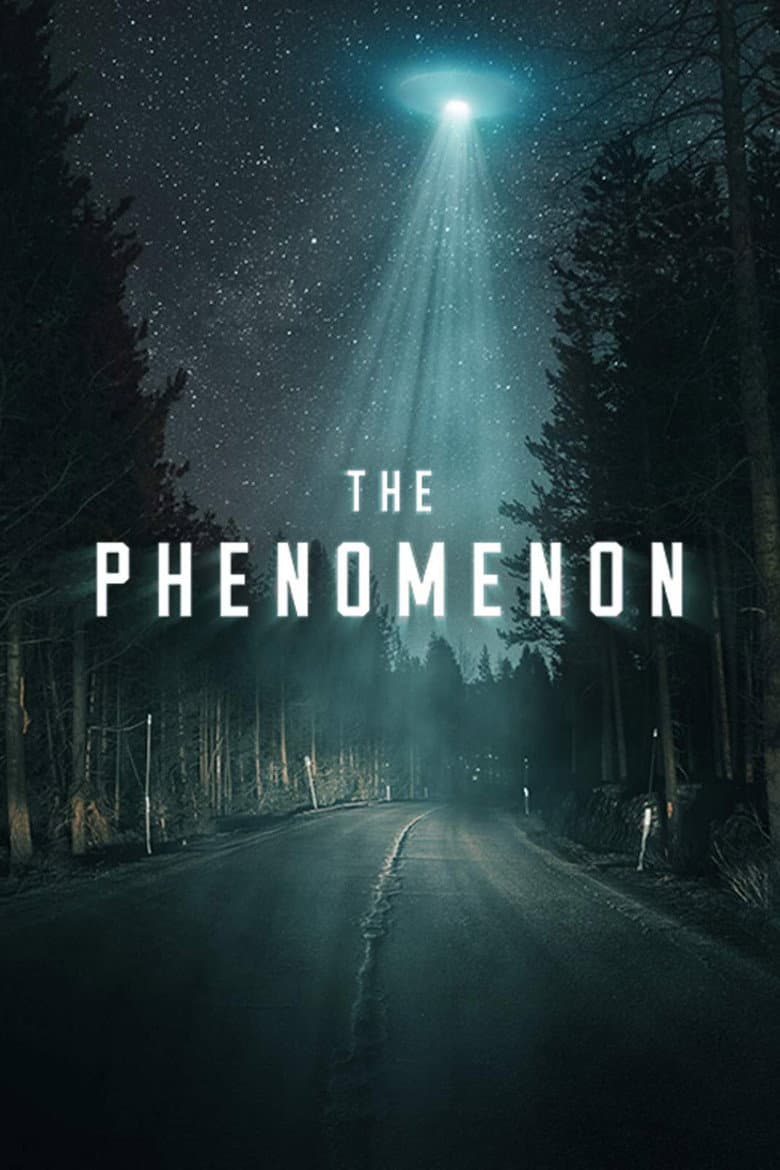
Movie · 2020
This documentary examines unidentified aerial phenomenon. With testimony from high-ranking government officials and NASA Astronauts, Senator Harry Reid says it "makes the…
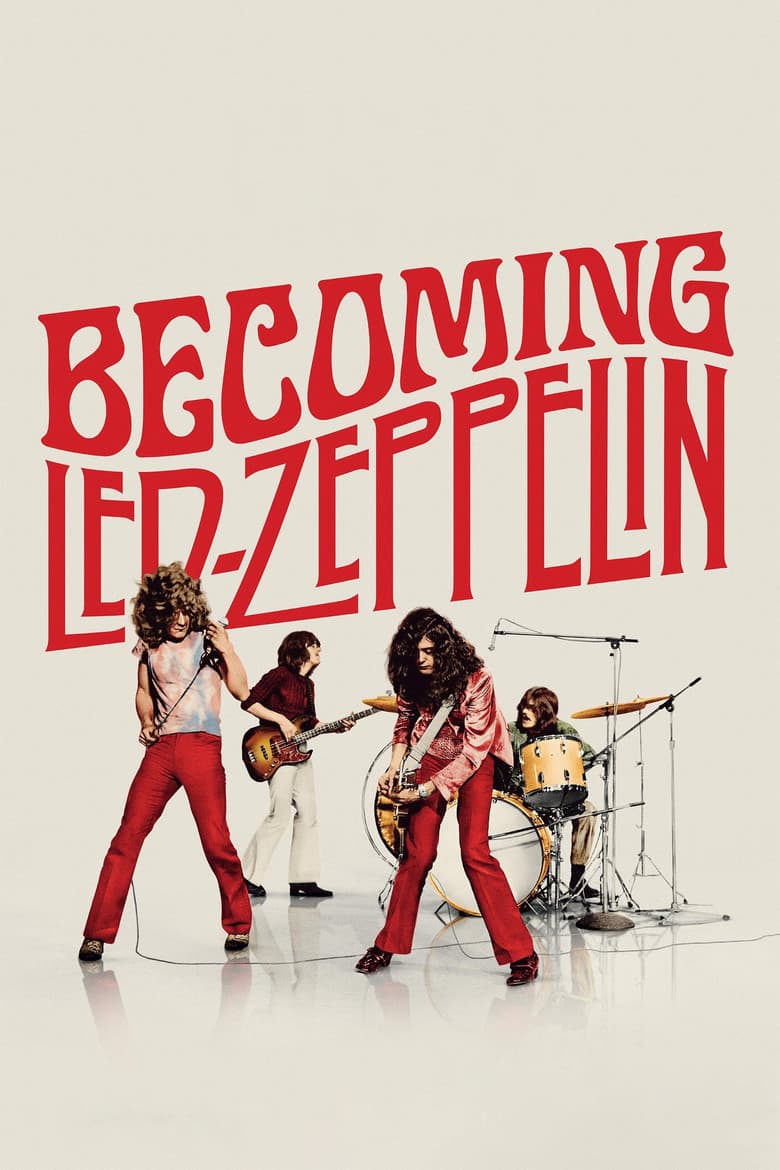
Movie · 2025
The individual journeys of the four members of the band, as they move through the music scene of the 1960s, playing small clubs throughout Britain and performing some of the…
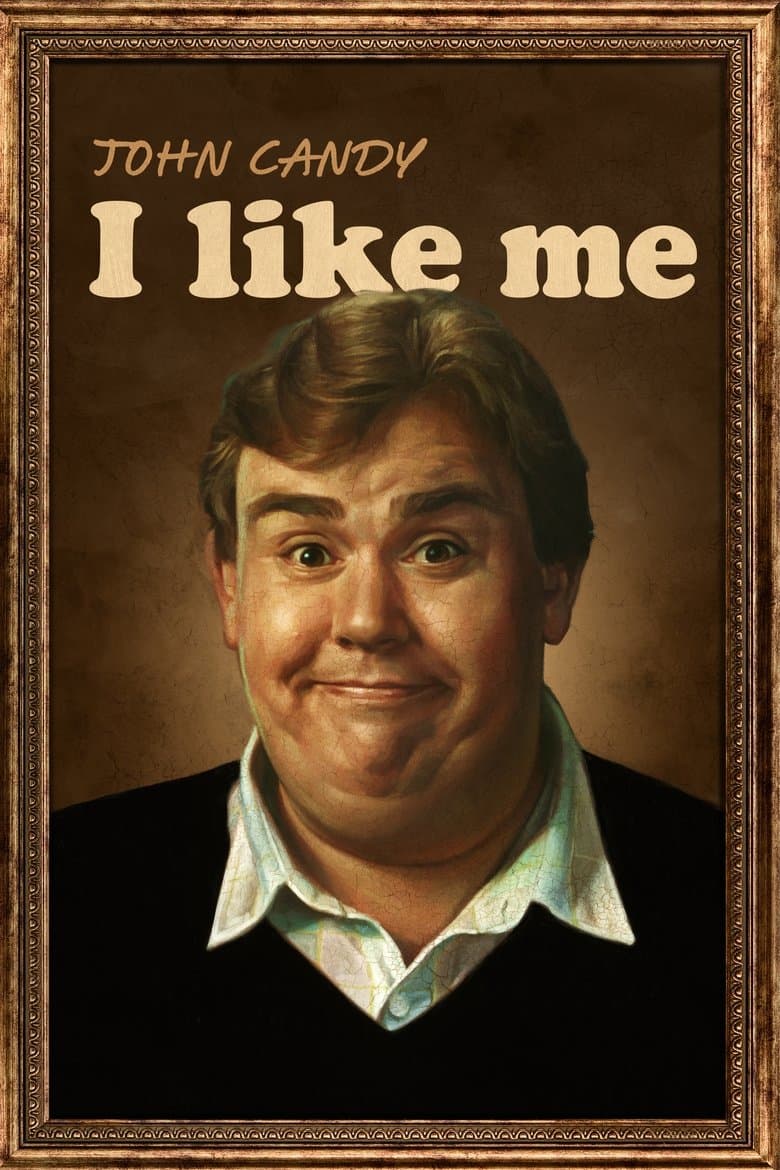
Movie · 2025
Those who knew iconic funnyman John Candy best share his story, in their own words, through never-before-seen archival footage, imagery, and interviews.
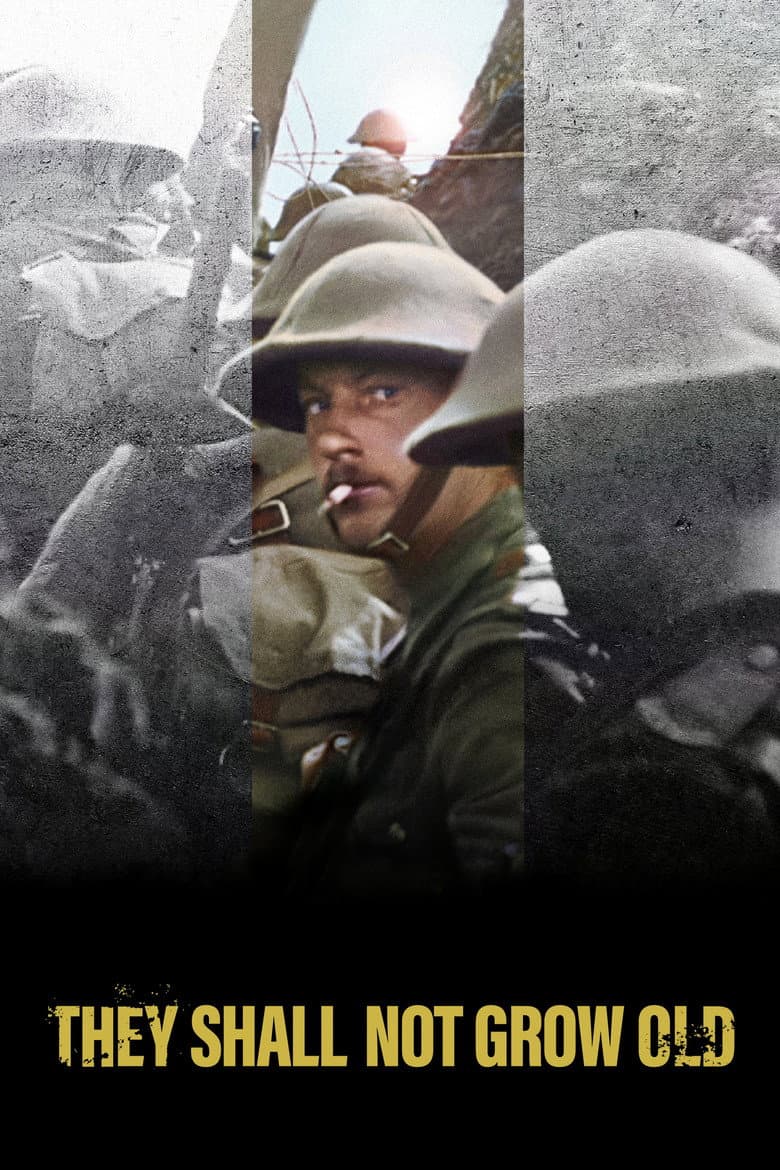
Movie · 2018
A documentary about World War I with never-before-seen footage to commemorate the centennial of Armistice Day, and the end of the war.
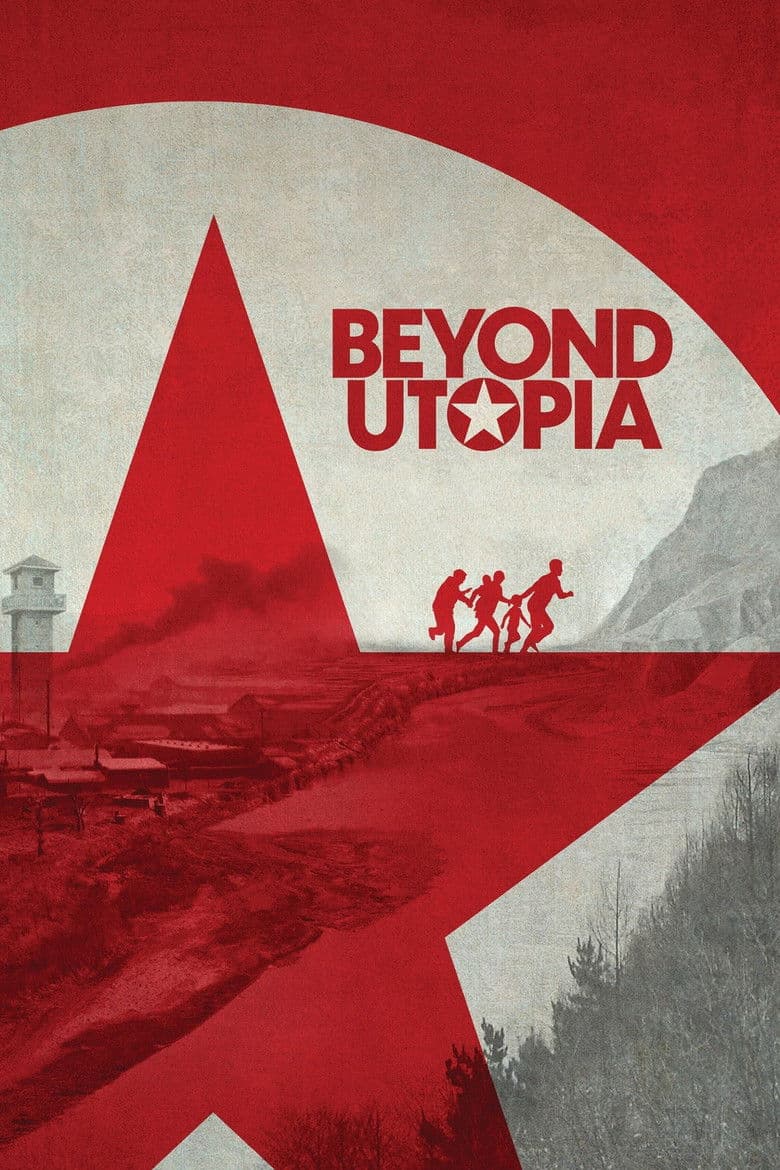
Movie · 2023
A courageous pastor uses his underground network to rescue and aid North Korean families as they risk their lives to embrace freedom.
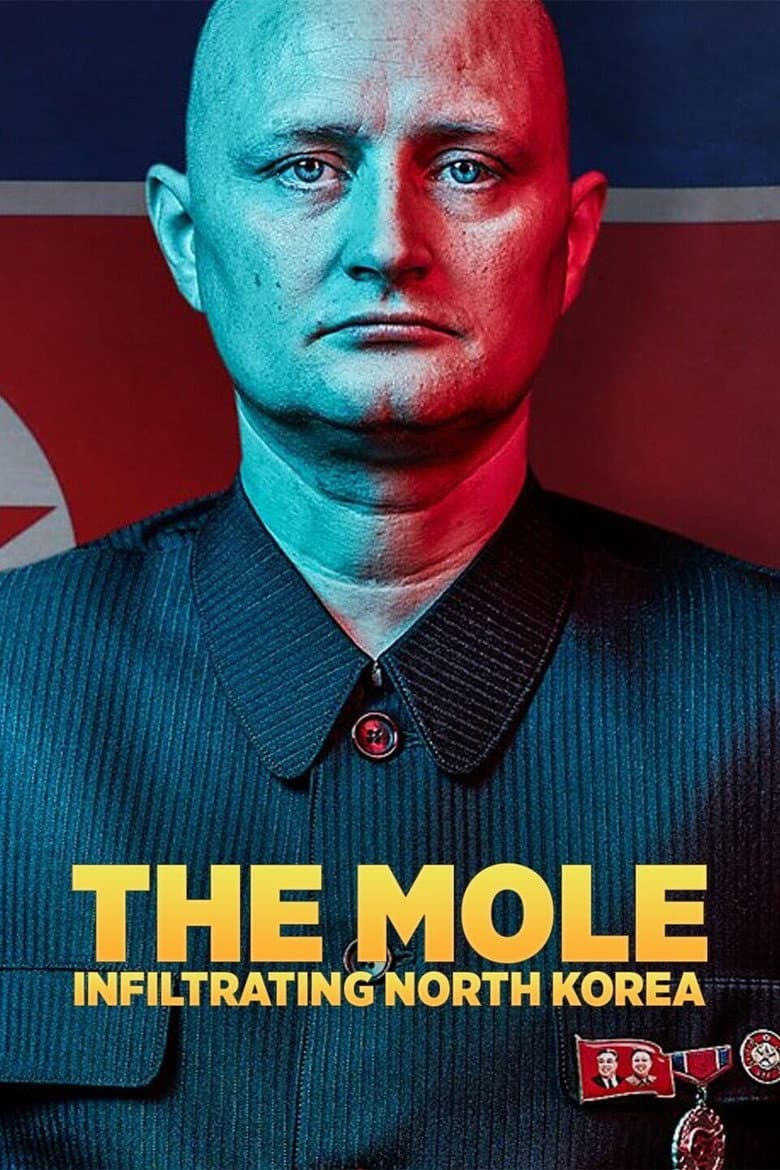
Movie · 2020
A real-life undercover thriller about two ordinary men who embark on an outrageously dangerous ten-year mission to penetrate the world's most secretive and brutal dictatorship…
Movie · 2016
With stunning views of eruptions and lava flows, Werner Herzog captures the raw power of volcanoes and their ties to indigenous spiritual practices.
