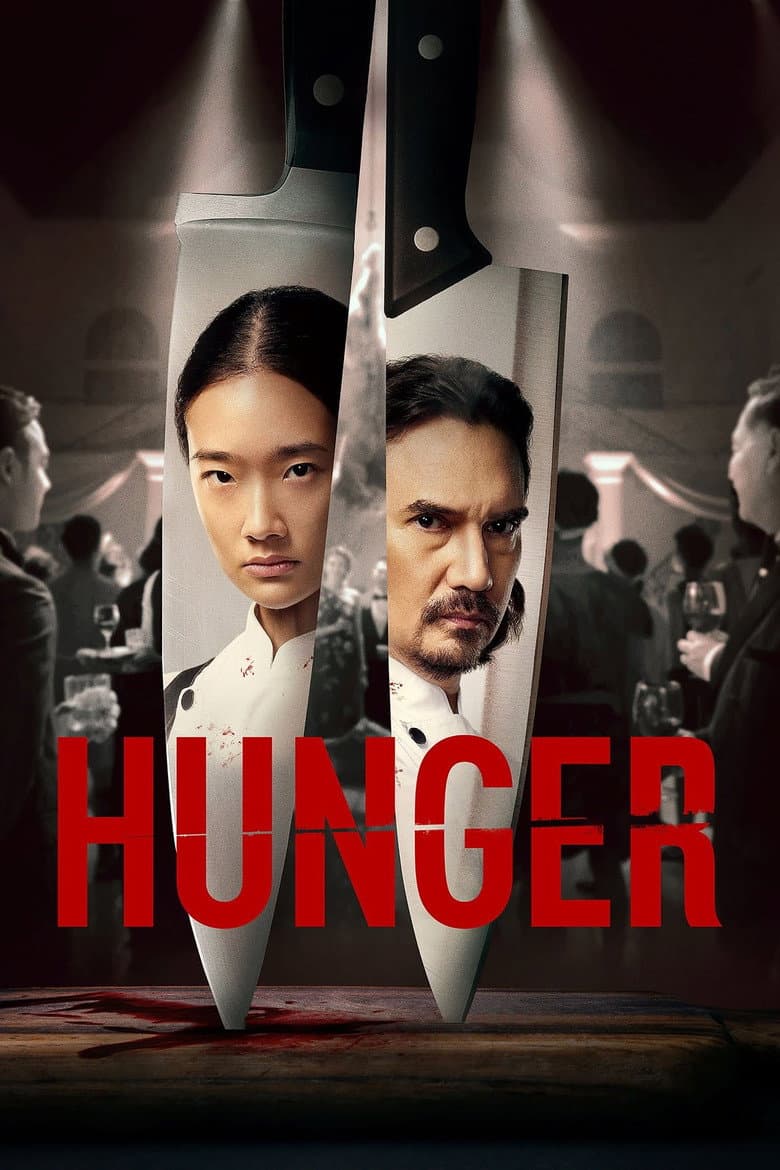
Aoy is a talented young cook who works at her family’s fried noodle shop in Bangkok. She wants a bigger life, so she joins Hunger, a private chef team led by the famous and cruel Chef Paul. Paul trains her to cook costly meals for generals, celebrities, rich business people, and other powerful guests. Aoy must choose between his harsh road to fame and the family, care, and honest food that she left behind. The film uses a dark, tense style with shocking food images, violence, and a few grim turns.
The film makes class inequality and elite privilege its main social message. It contrasts cheap street food with luxury meals and says that rich customers often buy status, fame, and the chef’s name rather than food alone. The story also shows poor people waiting for hospital care while powerful customers hunt a protected hornbill and expect to escape the law. Aoy becomes successful when she copies Paul’s cold methods, then rejects that world and returns to her family, which gives the film a clear warning about greed, status, and work that destroys personal ties.
Community feedback
Was our 55% Woke rating accurate?
Breakdown
These are the editorial factors and ratings behind our score for Hunger.
Woke representation / casting
Not present. The main cast is Thai in a Thai setting, and the film does not frame casting as a diversity statement. Aoy’s skill comes from her shown cooking ability and training, not from an identity message.
0%
Woke political dialogue
The friends say that people without money have little chance to succeed. Paul says that food shows social status and that rich customers hunger for approval and exclusive experiences. The film shows Paul claiming that powerful people can stand above the law. These lines make class, privilege, and power a repeated spoken message, but the film does not give a long political speech.
55%
Identity-driven story themes
The story makes class inequality and elite privilege its central conflict. Aoy leaves a family street-food shop and enters a luxury kitchen where rich guests buy status as much as food. The film shows workers being used, poor patients waiting for care, and powerful customers breaking the law. Aoy rejects Paul’s cruel model and returns to family cooking, so the ending favors love and honest work over wealth and fame.
63%
Western institutional / cultural critique
Not present. The story targets Thai class divisions, wealthy diners, and abuse inside one food business. It does not attack Christianity, Western institutions, traditional family life, or conservative relationship values.
0%
Woke character or canon changes
Not relevant. The film is an original story with no established character, canon, or real historical figure being changed.
0%
Anti-woke backlash and complaints
Not present. No anti-woke complaints were found on X or in major coverage. An anti-woke Greek outlet praised the film’s personal-responsibility message instead of attacking it as woke. Other viewers argued about plot logic, chef realism, and length, not identity politics.
0%
Creator track record context
The director often tells stories about social rank, abuse, and people pushed to the edge. The writer often explores class, identity, sexuality, and political pressure. The producer has backed independent films about power, history, and social change. This record fits Hunger’s class message, but the creators do not show a major public culture-war or campaign role.
52%
Production
Movie · 2019
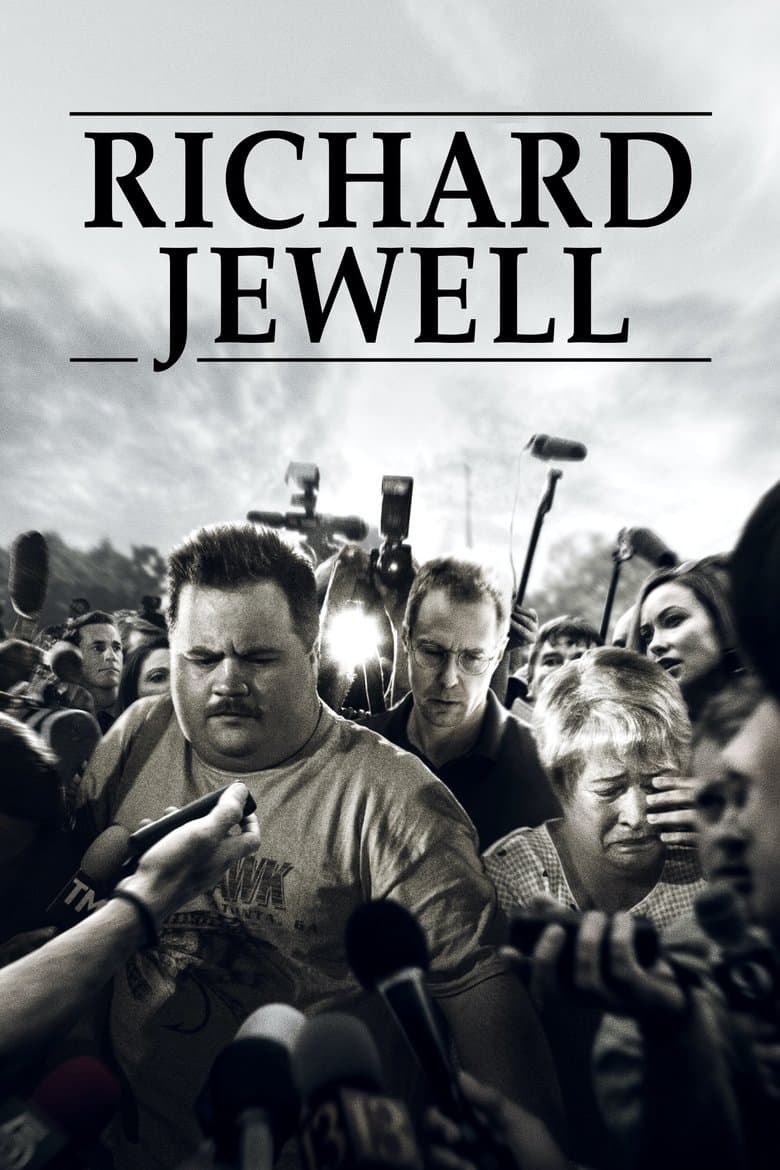
Richard Jewell thinks quick, works fast, and saves hundreds, perhaps thousands, of lives after a domestic terrorist plants several pipe bombs and they explode during a concert…

Movie · 2026
While people across 1990s Iraq struggle to survive the war and food shortages, Saddam Hussein requires each school in the country to prepare a cake to celebrate his birthday.

Movie · 2023
The true story of the inseparable Von Erich brothers, who made history in the intensely competitive world of professional wrestling in the early 1980s.

Movie · 2016
WWII American Army Medic Desmond T. Doss, who served during the Battle of Okinawa, refuses to kill people and becomes the first Conscientious Objector in American history to…

Movie · 2024
On the brink of the Second World War, a young Norwegian man's drive to resist the Nazis sets a new course for his future – and the future of his country.

Movie · 2022
A quiet, neglected girl is sent away from her dysfunctional family to live with relatives for the summer. She blossoms in their care, but in this house where there are meant to be…

Movie · 2017
Members of the Granite Mountain Hotshots battle deadly wildfires to save an Arizona town.

Movie · 2016
After his older brother passes away, Lee Chandler is forced to return home to care for his 16-year-old nephew.
