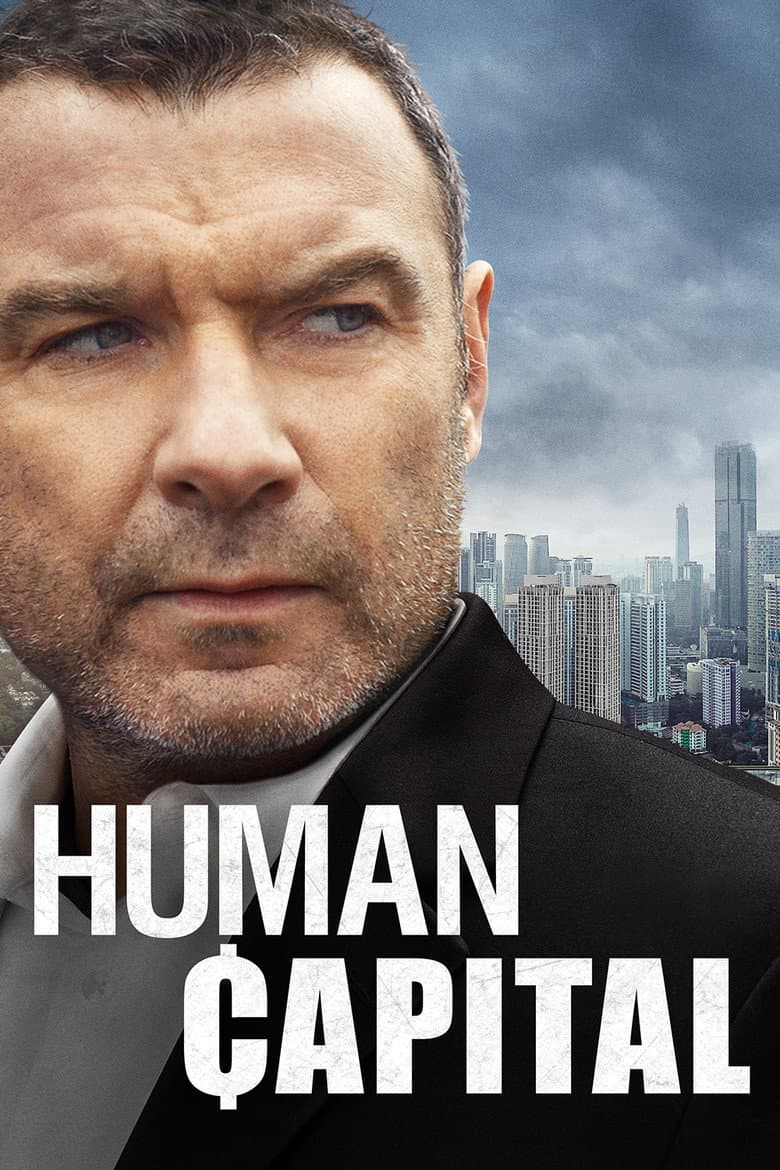
Human Capital is a grim crime drama set among wealthy and middle-class families in an affluent American suburb. Drew Hagel is a struggling real-estate agent who borrows money to enter the hedge-fund world of Quint Manning, a rich and powerful investor. Drew's daughter Shannon dates Quint's son Jamie, but Jamie is hiding that he is gay and asks her to keep up the appearance of a couple. After a hit-and-run badly injures a waiter, the families face a choice between telling the truth and saving their money, names, and freedom.
The film gives Jamie a clear coming-out story, and his fear of his father affects his relationship with Shannon. It also puts a black female therapist and pregnant stepmother, Ronnie, in a central family role, although the movie does not build a wider diversity message around her. Its strongest social message attacks the way rich people and finance can treat workers and even human lives as money values. The message is repeated through the family deals and the hit-and-run, but the story stays focused on guilt, class pressure, selfishness, and family damage.
Community feedback
Was our 54% Woke rating accurate?
Breakdown
These are the editorial factors and ratings behind our score for Human Capital.
Woke representation / casting
Betty Gabriel plays Ronnie, a black therapist and pregnant wife in a central family role. Her marriage to Drew makes an interracial couple part of the main family story. Aasif Mandvi also appears in a smaller supporting role. The mostly white cast and lack of diversity-first framing keep this as a slight casting signal rather than a major theme.
16%
Woke political dialogue
Jamie tells his mother that he thinks he likes boys. He says he cannot simply sleep off being gay, and she answers that the family will love him. The exchange is brief and personal rather than a political speech. No repeated DEI or activist language drives the dialogue.
22%
Identity-driven story themes
The film gives Jamie a coming-out story that changes his relationship with Shannon. His fear of his father’s anger makes him use their relationship as cover. The story also follows Shannon’s anger and risky choices, but it does not present her as a feminist hero. Most of the film remains about money, guilt, family pressure, and class.
28%
Western institutional / cultural critique
The film repeatedly shows wealthy finance as a system that turns people and work into money values. Drew borrows far too much to enter Quint’s hedge fund, while the injured waiter receives little attention from the wealthy people tied to the crash. The story links class distance and self-protection to the families’ moral failures. Its message is a broad anti-capitalist and anti-rich critique, not a story about race, patriarchy, or a modern activist movement.
55%
Woke character or canon changes
The 2020 movie changes Jamie from the teenage boyfriend in the source story and 2013 Italian film into a teenager who says he is gay. The change creates a clear coming-out story and explains why he asks Shannon to keep pretending they are together. His sexuality affects the family drama, but the main plot still follows the accident, money, and blackmail. This is an important identity change, but it is not the movie’s only or main subject.
48%
Anti-woke backlash and complaints
Not present. The supplied X pass found no anti-woke reaction, and searches of news, Reddit, and audience reviews found no clear anti-woke complaint. Online discussion mainly covered the plot, pacing, ending, and class themes.
0%
Creator track record context
The cached profile of Marc Meyers is mostly character drama, with an LGBT-related signal from My Friend Dahmer. The cached profile of Oren Moverman shows progressive social dramas and political subjects, but more classical progressive politics than DEI branding. Nicole Ihasz has several socially conscious and identity-adjacent credits. Most other listed producers have commercial, humanitarian, environmental, or low-profile records, so the overall context is mixed and moderate.
26%
Production
Movie · 2022
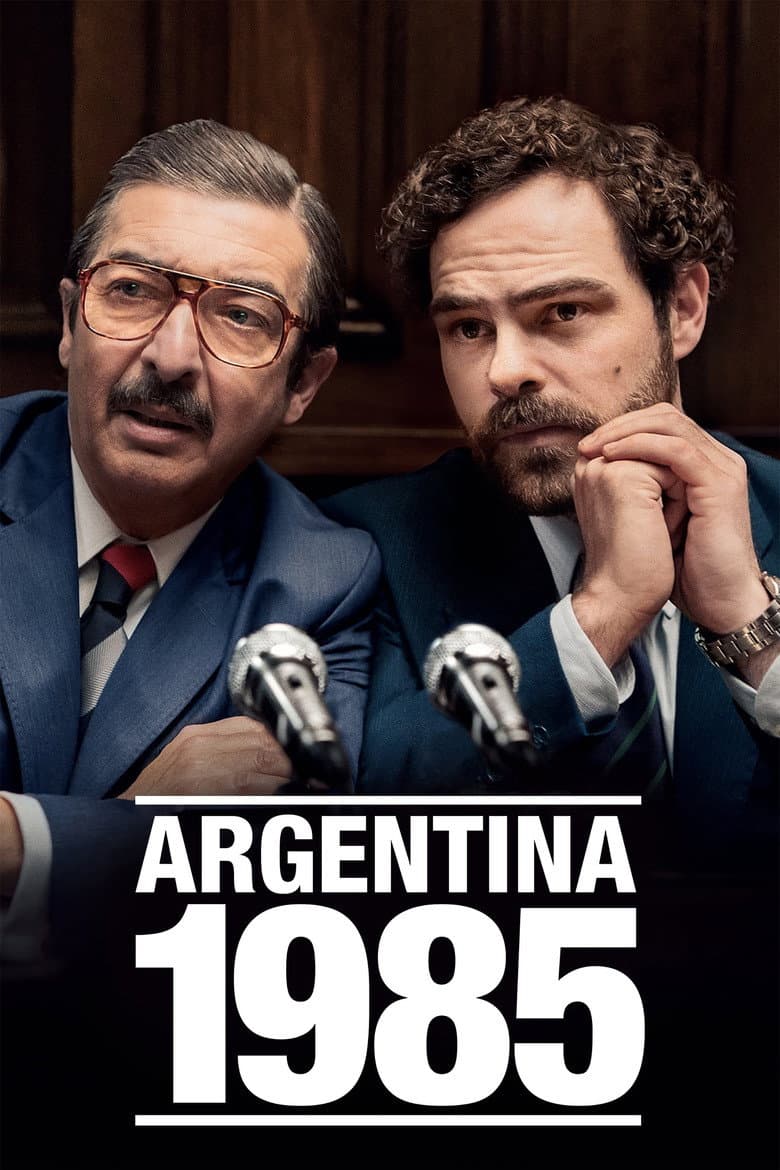
In the 1980s, a team of lawyers takes on the heads of Argentina's bloody military dictatorship in a battle against odds and a race against time.

Movie · 2017
After seven months have passed without a culprit in her daughter's murder case, Mildred Hayes makes a bold move, painting three signs leading into her town with a controversial…

Movie · 2018
Earl Stone, a man in his eighties, is broke, alone, and facing foreclosure of his business when he is offered a job that simply requires him to drive.

Movie · 1994
Imprisoned in the 1940s for the double murder of his wife and her lover, upstanding banker Andy Dufresne begins a new life at the Shawshank prison, where he puts his accounting…
Movie · 2024
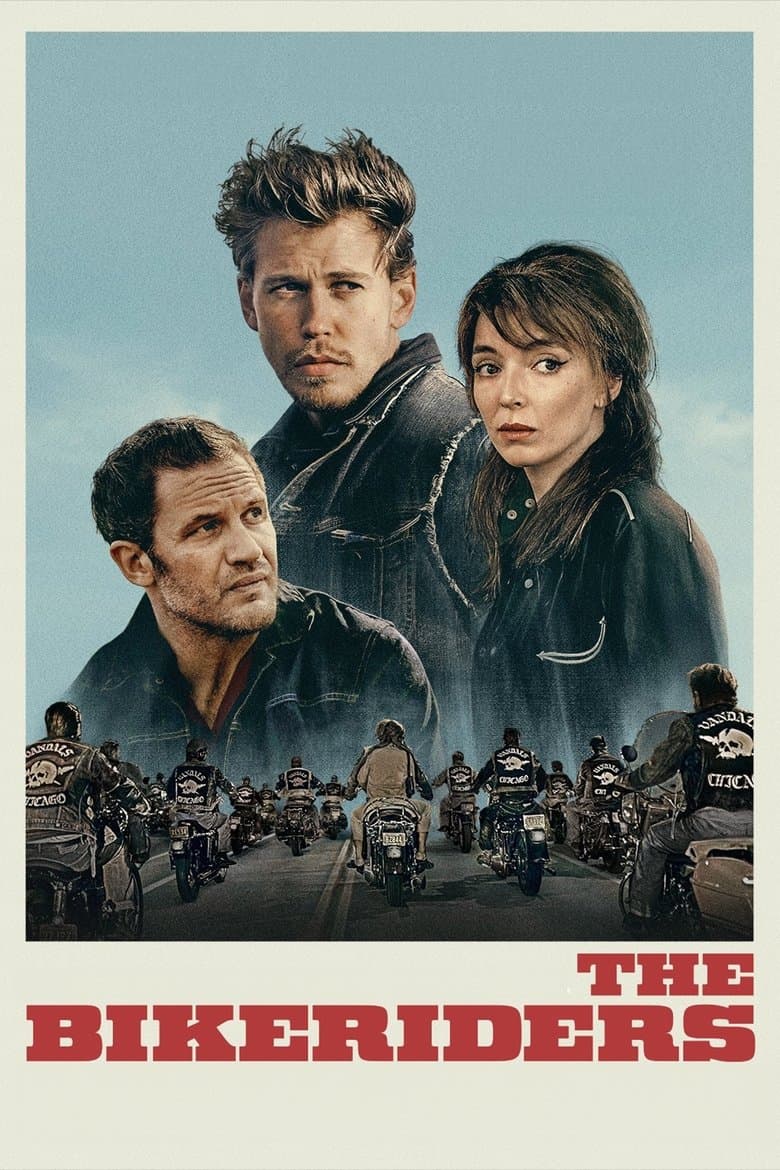
After a chance encounter, headstrong Kathy is drawn to Benny, member of Midwestern motorcycle club the Vandals.
Movie · 2021
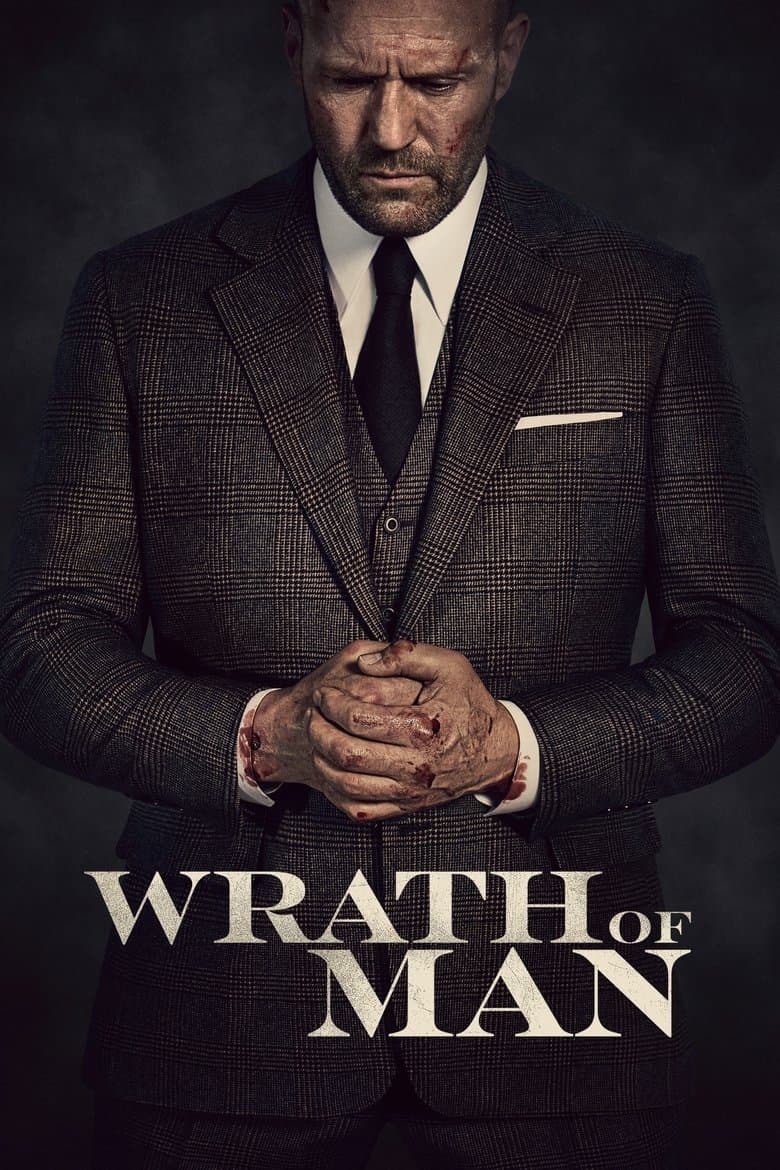
A cold and mysterious new security guard for a Los Angeles cash truck company surprises his co-workers when he unleashes precision skills during a heist.

Movie · 2024
While awaiting the next fuel truck at a middle-of-nowhere Arizona rest stop, a traveling young knife salesman is thrust into a high-stakes hostage situation by the arrival of two…
Movie · 2025
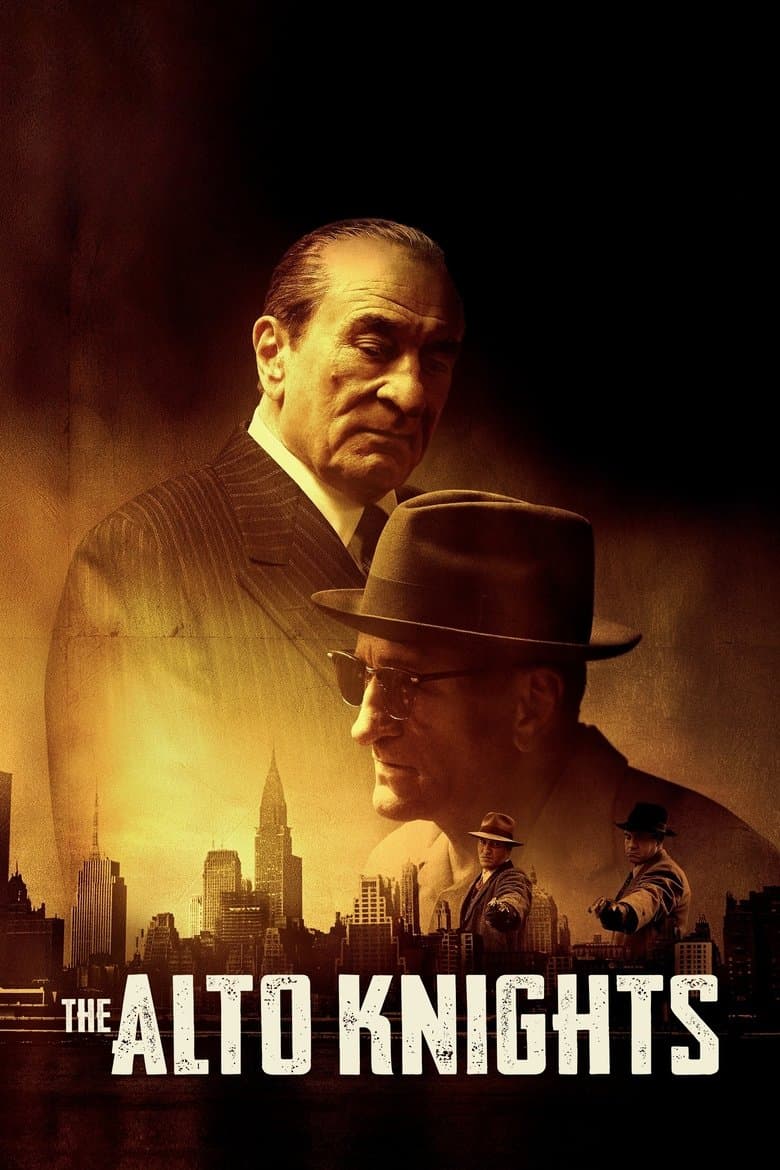
Two of New York's most notorious organized crime bosses, Frank Costello and Vito Genovese, vie for control of the city's streets.
