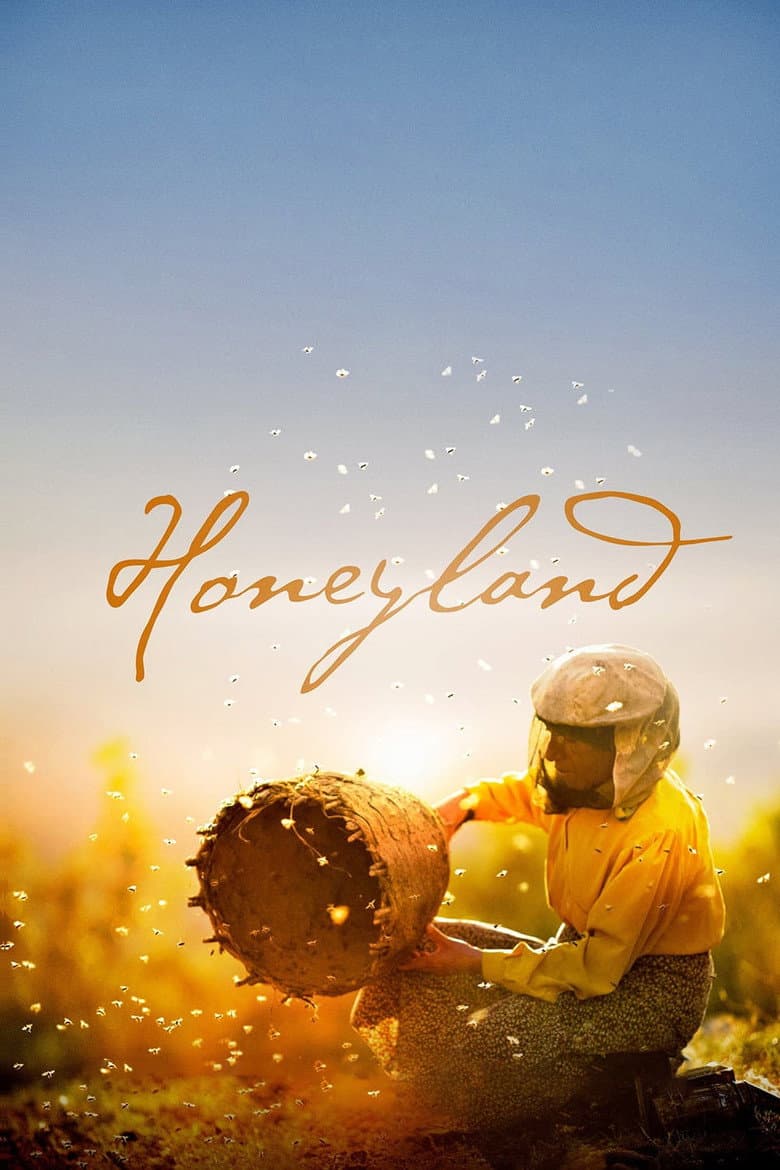
Honeyland follows Hatidze Muratova, a skilled wild beekeeper who lives with her sick, elderly mother in a remote mountain village in North Macedonia. She earns a small living by taking only half of the honey from each hive and leaving the rest for the bees. A large traveling family arrives with cattle, children, and a plan to make more money from beekeeping. Hatidze welcomes them, but their careless harvesting damages her bees and breaks the quiet life she has built. The film feels patient and intimate at first, then becomes tense, sad, and sometimes darkly funny.
The strongest social message concerns balance between people and nature. The story treats Hatidze’s careful method as the right answer and shows the family’s effort to produce more honey as a warning about greed and waste. The film also makes a woman the central expert, worker, and moral guide, while the main male neighbor ignores her advice and causes much of the damage. These ideas matter throughout the conflict, but the film does not turn them into speeches about race, gender politics, or modern identity.
Community feedback
Was our 35% Woke rating accurate?
Breakdown
These are the editorial factors and ratings behind our score for Honeyland.
Woke representation / casting
Not present. The documentary records Hatidze Muratova and the Sam family as real people. The film does not use actors in identity-based roles or present a diversity-first cast.
0%
Woke political dialogue
Not present. The film uses a repeated beekeeping rule about leaving half the honey for the bees. The rule is practical and environmental, not modern identity, DEI, or political dialogue.
0%
Identity-driven story themes
The film makes care for nature and fair use of resources central to its story. Hatidze’s careful method protects the bees, while the family’s push for more honey damages both their hives and hers. The story presents profit pressure and overuse as causes of suffering and loss. The film centers a highly skilled woman, but it does not make a direct argument about gender or identity politics.
40%
Western institutional / cultural critique
The film shows a local buyer pushing the Sam family to supply more honey. The family’s need for money leads them to ignore a rule that protects the bees. The story treats profit-first use of nature as destructive and favors a small, shared way of living. It does not attack governments, Christianity, or Western culture, so the critique stays limited to the local market conflict.
32%
Woke character or canon changes
Not relevant. The film does not adapt a franchise, novel, or known character. It follows real people without changing their identity or role.
0%
Anti-woke backlash and complaints
Not present. The supplied X pass found no anti-woke complaints, and broad coverage shows mostly praise. Reported criticism focused on documentary ethics and possible romanticizing of poverty, not woke or identity-politics messaging.
0%
Creator track record context
Kotevska has a 65/100 creator score because her work often centers environmental damage, poverty, migration, and profit-driven systems. Stefanov has an 18/100 score and is mainly linked to conservation and human development. Georgiev has a 24/100 score and a socially engaged record without a strong identity-politics focus. Their combined track record gives this film a moderate creator-context signal.
36%
Production
Movie · 2020
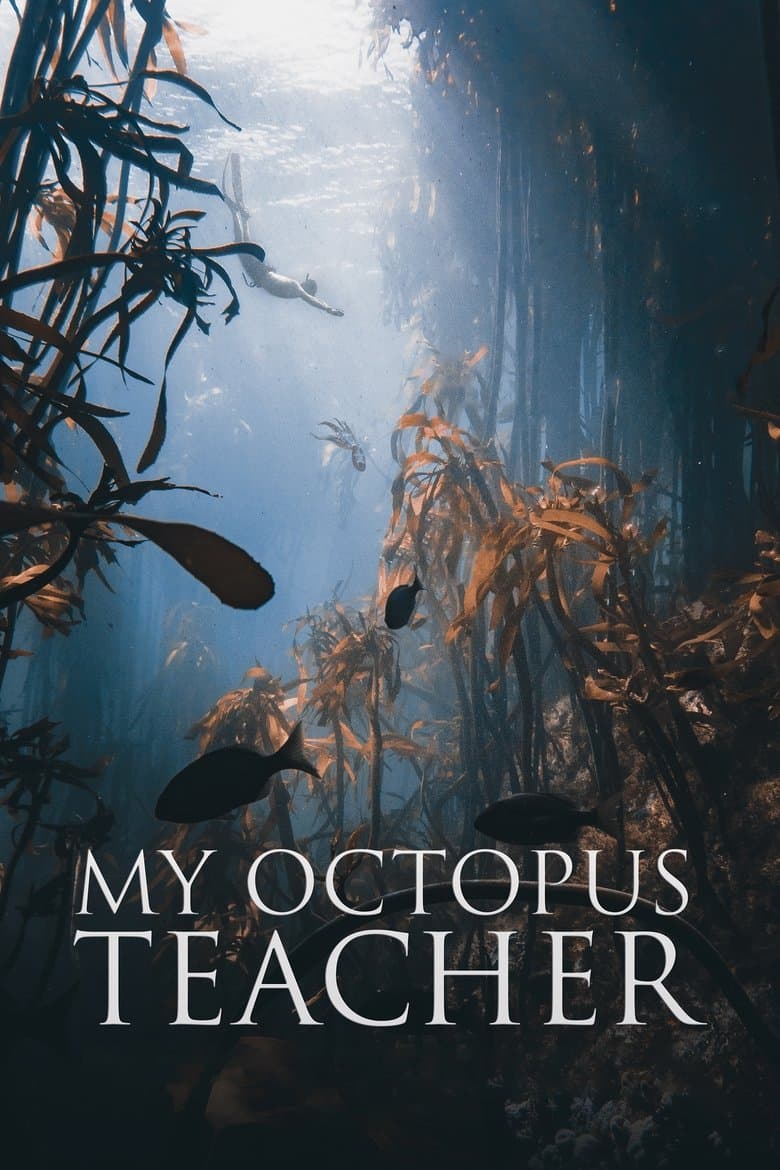
After years of swimming every day in the freezing ocean at the tip of Africa, Craig Foster meets an unlikely teacher: a young octopus who displays remarkable curiosity.
Movie · 2018
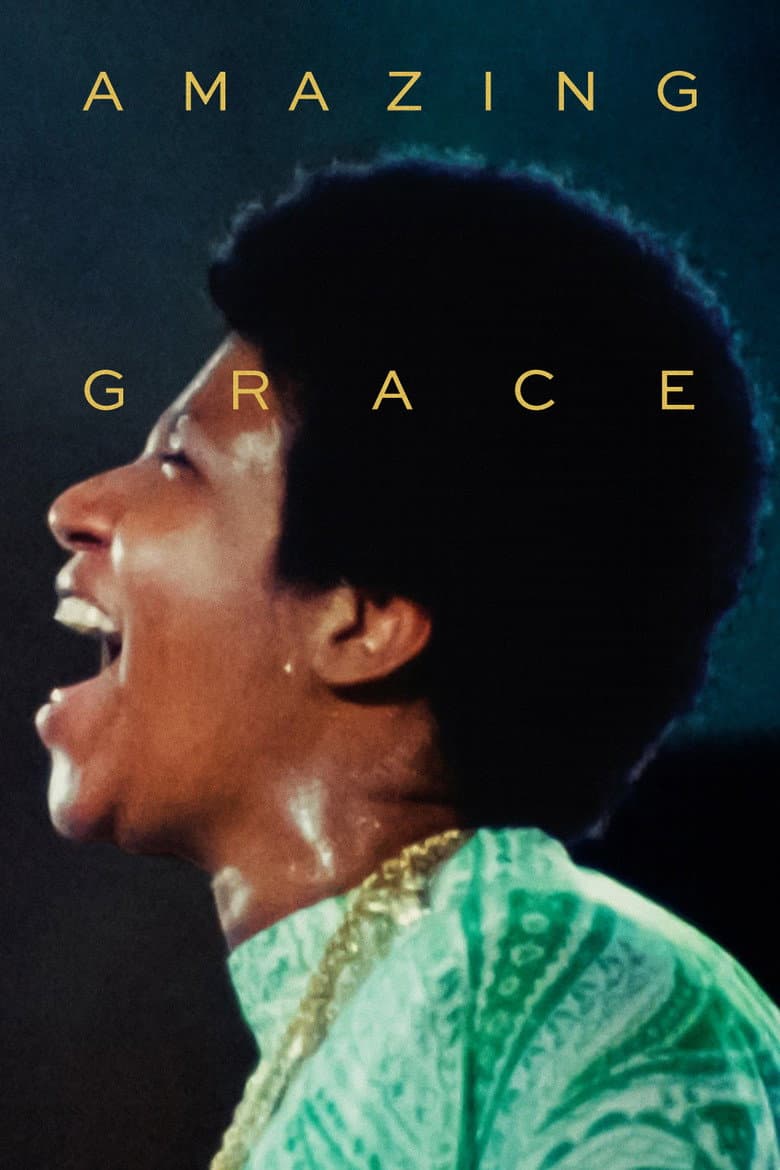
A behind-the-scenes documentary about the recording of Aretha Franklin's best-selling album finally sees the light of day more than four decades after the original footage was…
Movie · 2021
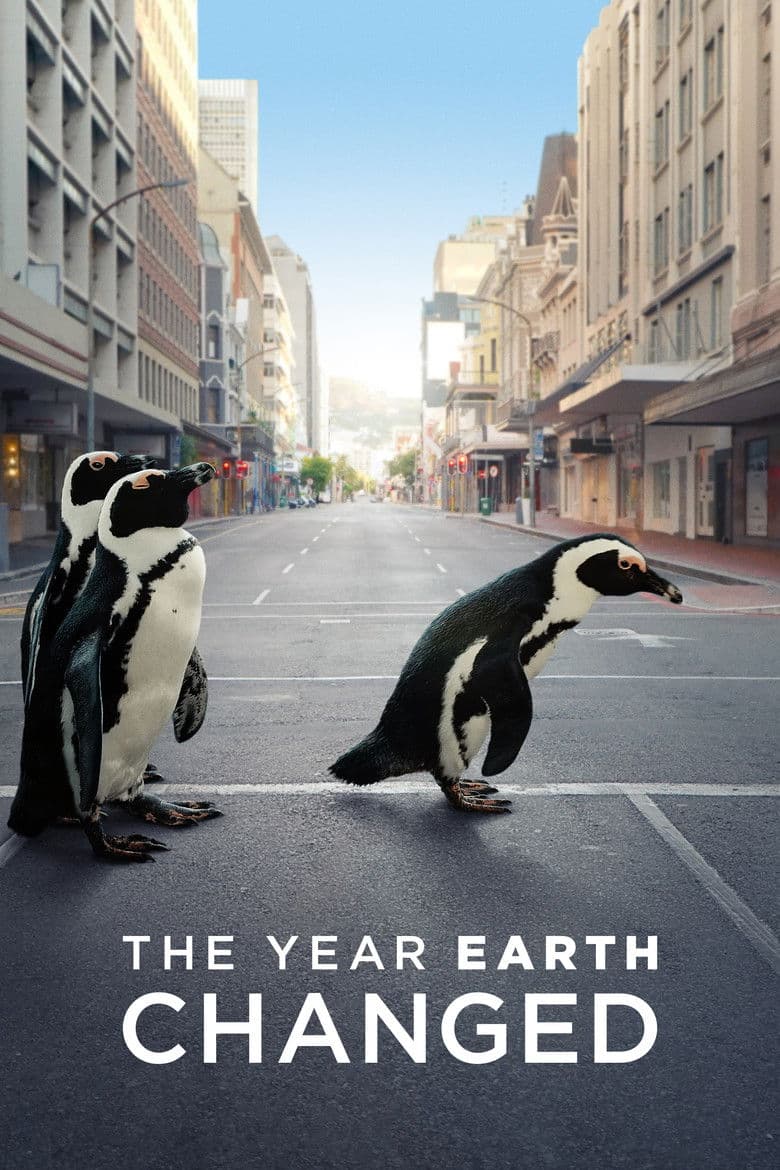
Never-before-seen footage shows how our living in lockdown opened the door for nature to bounce back and thrive.
Movie · 2016
Andrew Dominik's One More Time With Feeling is a remarkable black and white documentary which chronicles the creation of Nick Cave & The Bad Seeds' album Skeleton Tree.
Movie · 2022
A doomed love triangle between intrepid French scientists Katia and Maurice Krafft, and their beloved volcanoes.

Movie · 2019
He promised supermodels and yachts, but delivered tents and cheese sandwiches. How one man engineered a music festival disaster.
Movie · 2017
The ancient Chinese game of Go has long been considered a grand challenge for artificial intelligence. Yet in 2016, Google's DeepMind team announced that they would be taking on…
Movie · 2024
A raw and honest behind-the-scenes look at the iconic superstar's struggle with a life-altering illness. Serving as a love letter to her fans, this inspirational documentary…
