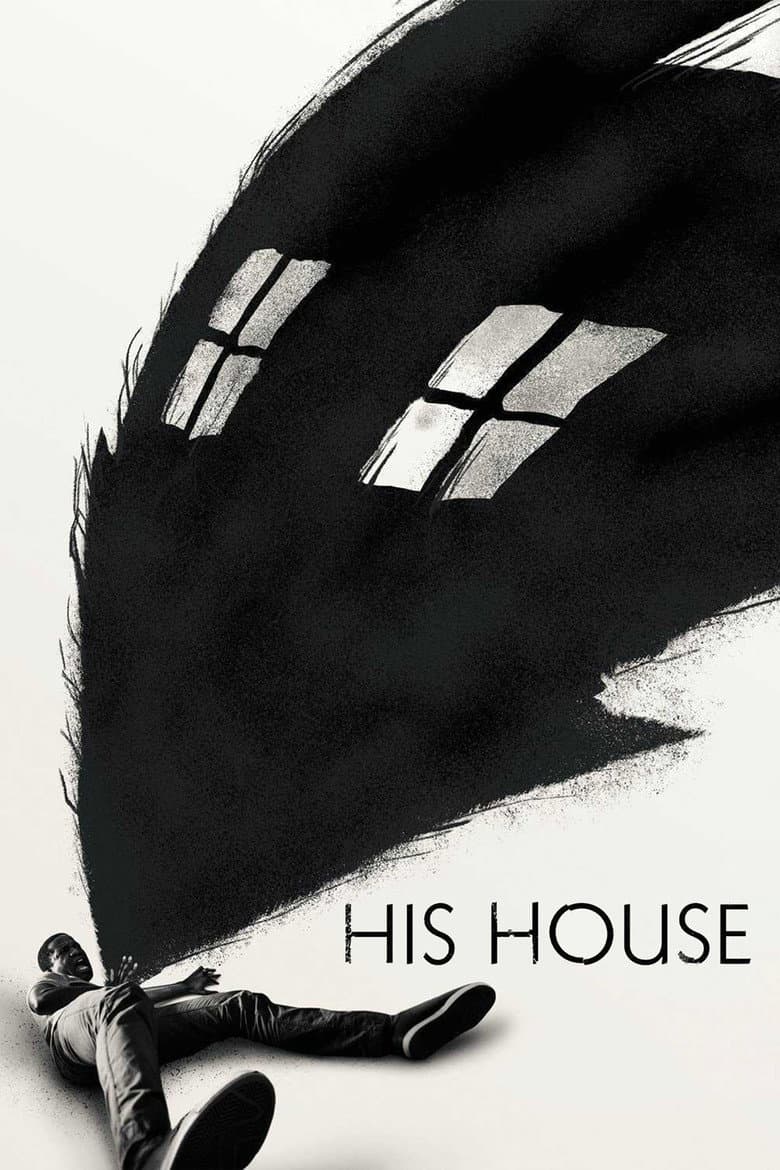
Bol and Rial Majur are a married couple who flee war in South Sudan and survive a deadly sea crossing to England. The British government gives them a shabby house while it reviews their asylum claim, and it warns them not to leave. The couple faces cold officials, hostile neighbors, and a spirit that follows them into the house. The film uses frightening images, grief, and marriage tension to create a dark story about survival and guilt.
The story makes refugee life, racism, and the pressure to fit into British culture central to the horror. Bol tries to become one of the good ones, while Rial holds on to her past and the stories from home that explain the haunting. The film treats the couple’s loss and fear with sympathy and presents British rejection as part of the danger around them. Rial is the stronger and more fearless partner, while Bol fears showing pain, so the movie also turns common horror gender roles around.
Community feedback
Was our 65% Woke rating accurate?
Breakdown
These are the editorial factors and ratings behind our score for His House.
Woke representation / casting
Not present. The main couple are black South Sudanese refugees, which fits the story world. The film does not show a diversity-first casting pattern.
0%
Woke political dialogue
The film repeatedly uses dialogue about asylum rules, being sent back, and having to adapt. The case worker calls them “the good ones,” and a neighbor warns that they will be kicked out. The film also shows racial insults and the idea that Bol must prove he deserves help. These lines add clear political pressure to the story, but they do not become long political speeches.
35%
Identity-driven story themes
The movie makes a South Sudanese couple’s refugee experience the main source of its fear. Bol tries to hide his past and become “one of the good ones,” while Rial keeps facing the loss of their daughter and the pull of home. The story links racism, forced movement, and pressure to fit in with the ghost haunting their house. These identity-driven themes shape the couple’s choices and ending.
74%
Western institutional / cultural critique
The asylum office controls where the couple lives, limits their money and work, and warns that breaking rules could send them back. The case worker and some neighbors treat them as unwanted outsiders who must adapt. The film makes this cold British system and local racism part of the danger around the house. Rial is more willing to face the past than Bol, which pushes against the usual image of a frightened woman and a strong man.
56%
Woke character or canon changes
Not relevant. The film uses an original couple and an original ghost story. It does not change a known character, franchise, or real historical figure.
0%
Anti-woke backlash and complaints
Not present. The supplied X pass found no anti-woke reaction or specific complaints. Wider audience comments criticized pace, tone, or the ending instead of woke or DEI content.
0%
Creator track record context
The supplied creator record rates Remi Weekes at 45/100 and links him to discussions of race, assimilation, and racism. Eva Yates has a known record of supporting underrepresented filmmakers. Most other listed creators have little or no known activist record, so the combined creator context is moderate.
43%
Production
Movie · 2018
When Simon brings his twelve year-old son, Finn, to rural Vermont to help flip an old farmhouse, they encounter the malicious spirit of Lydia, a previous owner.
Movie · 2019
Dealing with a girlfriend suddenly leaving is tough enough. But for Hank, heartbreak couldn’t have come at a worse time.

Movie · 2020
At the height of the Cold War, a Soviet spacecraft crash lands after a mission gone awry, leaving the commander as its only survivor.

Movie · 2018
A filmmaker discovers a box of video tapes depicting two students' disturbing film project featuring a local horror legend, The Peeping Tom.
Movie · 2021
While exploring the neighboring woods, 13-year-old John discovers an unfinished bunker — a deep hole in the ground.
Movie · 2018
After suspecting that their police officer neighbor is a serial killer, a group of teenage friends spend their summer spying on him and gathering evidence, but as they get closer…
Movie · 2020
After a tragic turn of events at the new home he's fixing up, Daniel hears a ghostly plea for help, spurring him to seek out a famous paranormal expert.

Movie · 2016
A struggling painter is possessed by satanic forces after he and his young family move into their dream home in rural Texas.
