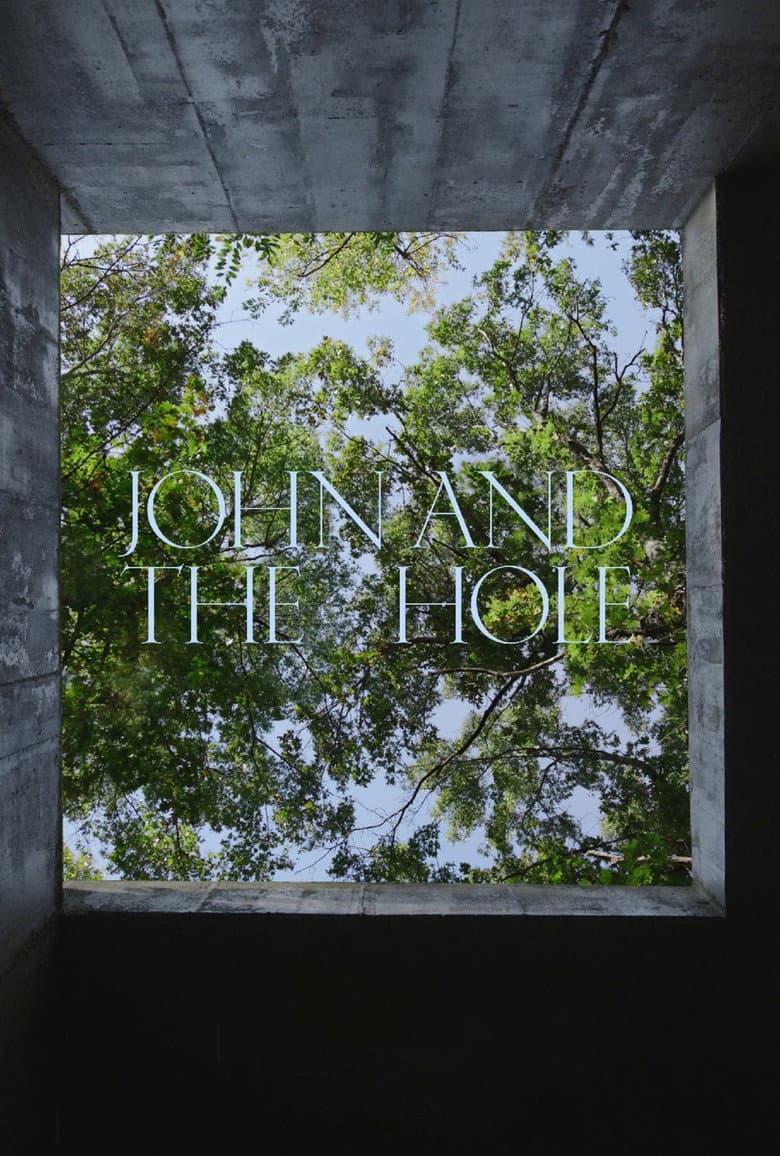
John is a quiet 13-year-old boy who lives with his parents and older sister in a wealthy home near the woods. He finds an unfinished underground bunker and secretly drugs his family before putting them inside it. John then drives their car, spends their money, and tries to live as if he were an adult. The film uses long silences, flat faces, and strange events to create a cold and uneasy tone.
The story follows John’s wish to control his life and the family distance that lets him act without a clear reason. The hole becomes a picture of his fear of growing up, while the trapped parents face hunger, fear, and each other. A second story shows a mother telling a young girl about John before leaving the girl alone, which makes the film feel like a dark fable. The film asks what freedom means when a child gets power without the care and duties that come with being an adult.
Community feedback
Was our 2% Woke rating accurate?
Breakdown
These are the editorial factors and ratings behind our score for John and the Hole.
Woke representation / casting
Not present. The film centers on a small white, affluent family and nearby adults in a modern New England setting. The film does not frame its casting as a diversity or identity statement.
0%
Woke political dialogue
Not present. The dialogue covers family tension, adulthood, school, money, and John’s unexplained plan. No character gives lines about DEI, gender politics, or activist causes.
0%
Identity-driven story themes
Not present. The film explores a boy’s isolation, control, and fear of growing up. The story does not build its conflict around race, sexuality, gender identity, or modern identity politics.
0%
Western institutional / cultural critique
Not present. The film shows a wealthy family, weak parental control, and a boy testing adult power. It does not attack capitalism, religion, Western institutions, or traditional family roles.
0%
Woke character or canon changes
Not relevant. The movie adapts the short story “El Pozo,” but it does not change a known character or real person around race, gender, or sexuality.
0%
Anti-woke backlash and complaints
Not present. Reddit and audience reviews mainly complain about the slow pace, confusing ending, and lack of consequences. The supplied X research found no anti-woke reaction, and reviewed coverage found no DEI or identity-politics complaint.
0%
Creator track record context
Pascual Sisto and Nicolás Giacobone have no clear public record of activist or representation-first work. Producer Alex Orlovsky produced Never Rarely Sometimes Always, an abortion-access drama. Casting director Heather Whitty worked on Daddy Mode, a project meant to create opportunities for black filmmakers. These are limited crew links, and this film does not use those themes in its story or marketing.
10%
Production

Movie · 2016
A struggling painter is possessed by satanic forces after he and his young family move into their dream home in rural Texas.
Movie · 2017
Liam wakes from a car crash with no memory of who he is. As he makes his way into town to look for help, he finds only dead bodies, all with strange pale eyes.
Movie · 2018
A thief makes a disturbing discovery in the house where he breaks in. Later, when he returns to the same house with his partner in crime, things are no longer how he expected.
Movie · 2025
A couple and their children move into a seemingly normal suburban home. When strange events occur, they begin to believe there is something else in the house with them.
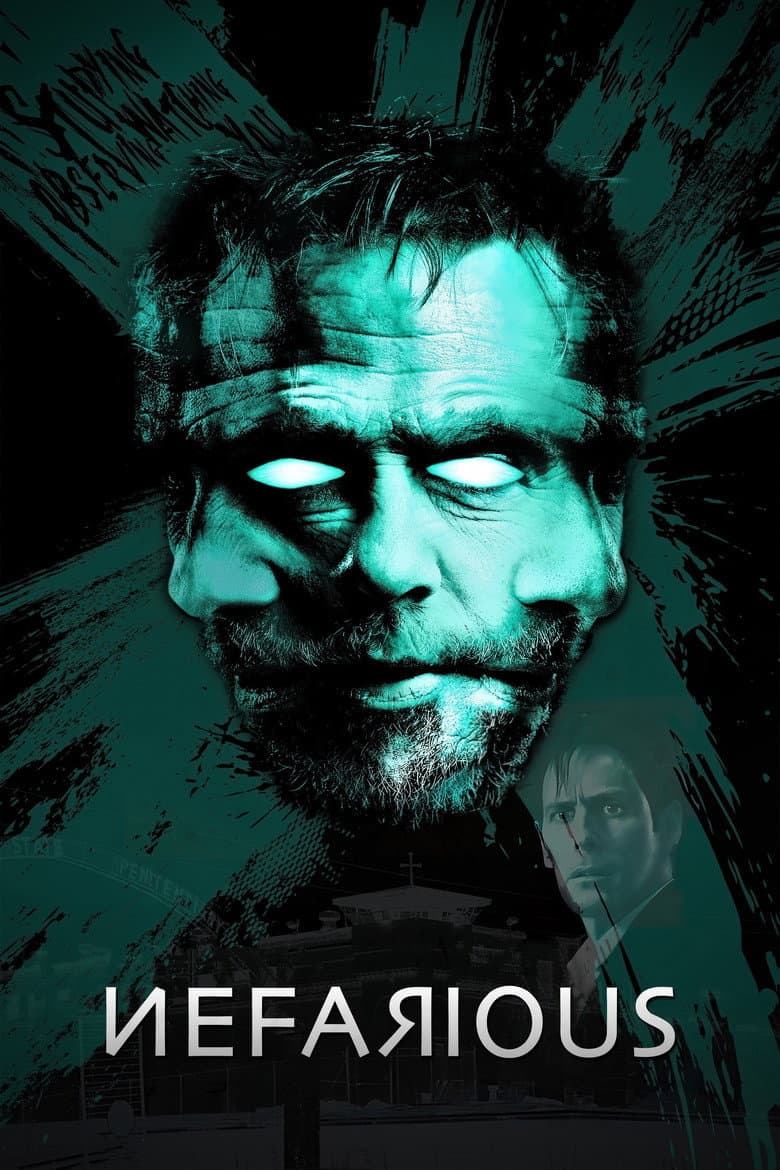
Movie · 2023
On the day of his scheduled execution, a convicted serial killer gets a psychiatric evaluation during which he claims he is a demon, and further claims that before their time is…
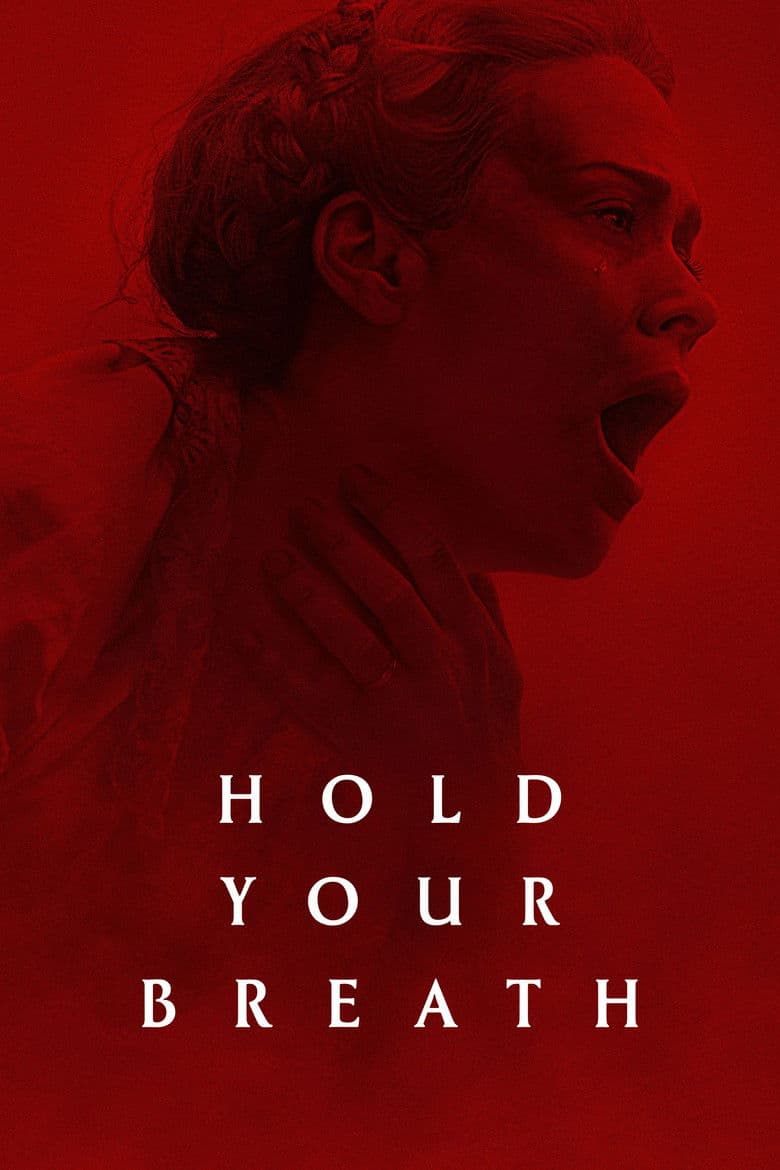
Movie · 2024
In 1930s Oklahoma amid the region's horrific dust storms, a woman is convinced that a sinister presence is threatening her family.
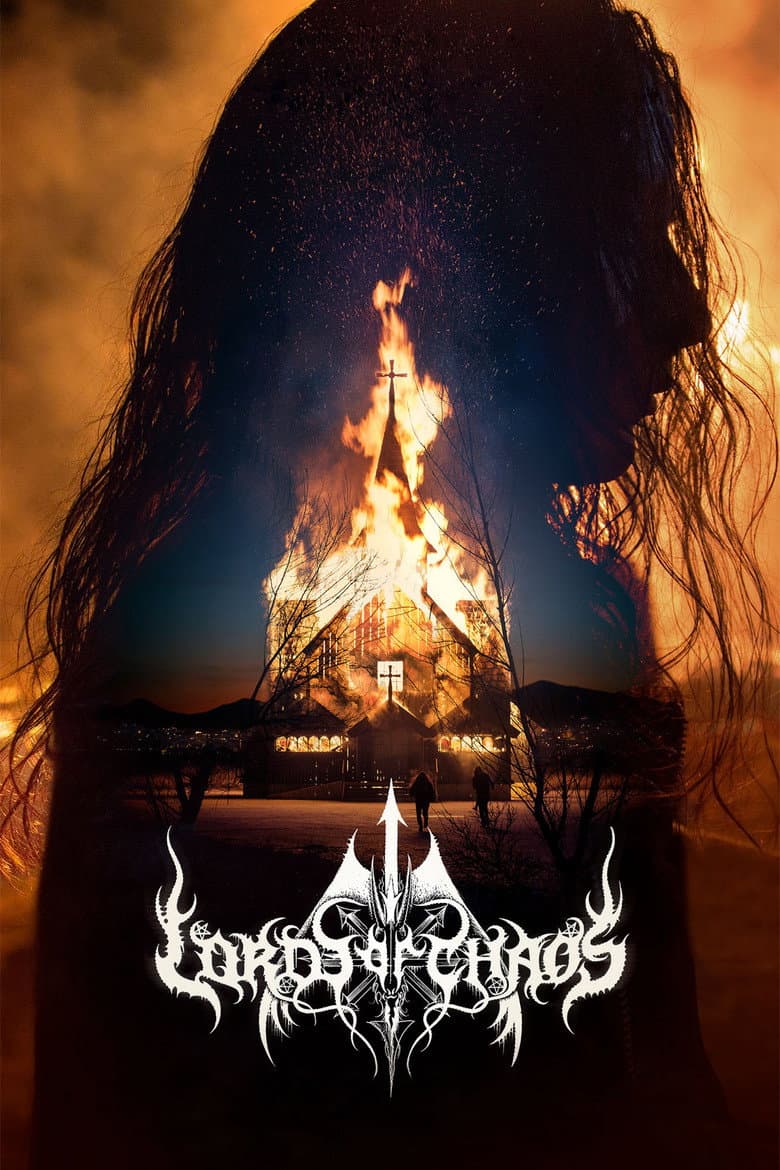
Movie · 2018
A teenager's quest to launch Norwegian Black Metal in Oslo in the 1990s results in a very violent outcome.
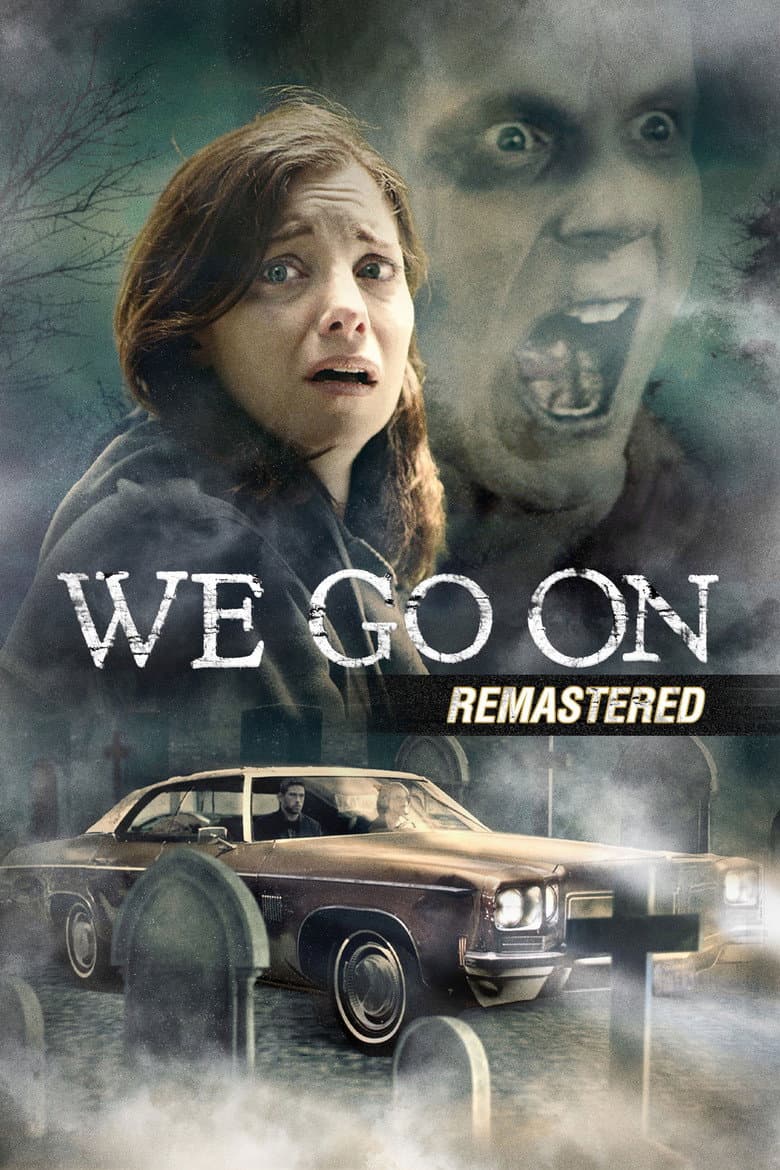
Movie · 2016
Paralyzed by his fear of dying, Miles Grissom takes out an advert offering $30,000 in reward money to the first person who can show him evidence of an angel, a demon, or prove…
