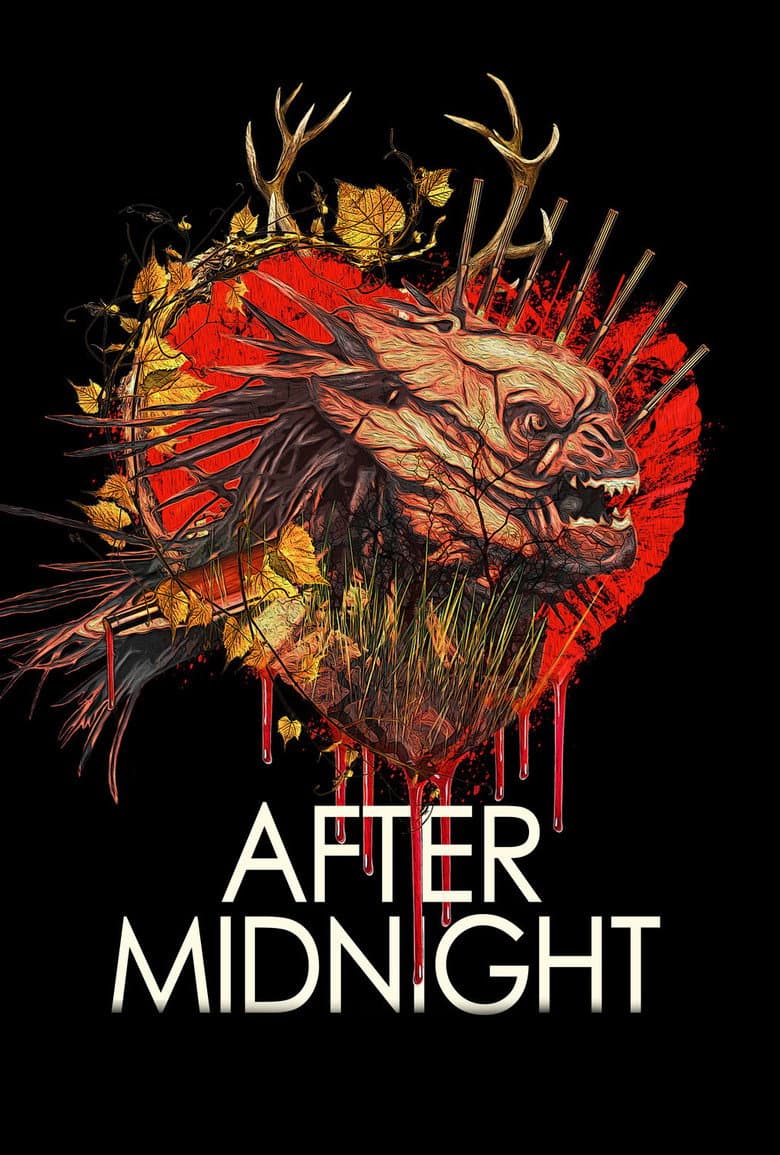
Hank owns a small bar and lives with Abby in a quiet rural home. After ten years together, Abby leaves a note and goes away because she wants a different life and Hank keeps delaying big decisions. Hank drinks with his friend Wade by day and guards the front door with a shotgun at night because a strange creature attacks the house. The film moves between warm memories and lonely nights, so the tone shifts from funny romance to slow monster horror.
The main identity-related element is Abby's decision to leave a man who has taken her hopes for granted. She says she has given up the city, marriage, children, and other parts of her life while Hank stayed comfortable. The film also presents Hank as immature and self-focused, then makes him admit that he ignored what made Abby happy. These ideas are part of the main relationship conflict, but the movie does not turn them into a wider campaign about race, sexuality, politics, or social groups.
Community feedback
Was our 14% Woke rating accurate?
Breakdown
These are the editorial factors and ratings behind our score for After Midnight.
Woke representation / casting
Not present. The cast centers on a white man and white woman with a small group of local friends. The film does not present its casting as a diversity or identity statement.
0%
Woke political dialogue
Not present. The dialogue focuses on commitment, children, moving away, and Hank’s fear of change. The film has no modern identity, DEI, or activist speech.
0%
Identity-driven story themes
The film gives Abby a full inner life and lets her leave when Hank will not move forward with her. Abby says she has given up the city, marriage, children, and other goals while Hank stayed comfortable. The story treats her anger as valid, but the conflict stays focused on one troubled relationship.
18%
Western institutional / cultural critique
The film criticizes a man who expects a woman to stay while he avoids marriage and keeps her in his small hometown. Abby calls out Hank’s interest in other women and his habit of treating the relationship as enough for him. The story frames his comfort and selfishness as part of the breakup, but it does not attack men, religion, family, or Western institutions in general.
12%
Woke character or canon changes
Not relevant. The film is an original relationship and monster story, not an adaptation of established characters or real events. No race, gender, or sexuality change is part of the plot.
0%
Anti-woke backlash and complaints
Not present. Audience discussion focused on the monster, the ending, pacing, and the long relationship scene. The X research pass found no anti-woke reaction, boycott, or review-bombing.
0%
Creator track record context
The available creator summaries describe the two directors as craft-focused filmmakers with no reported activist or DEI pattern. The producer summaries are also low and show no clear identity-politics record. Interviews about this film focus on personal relationships and genre storytelling.
8%
Production
Movie · 2023
On the day of his scheduled execution, a convicted serial killer gets a psychiatric evaluation during which he claims he is a demon, and further claims that before their time is…
Movie · 2022
A young couple's relationship clashes with the harsh realities of the California Gold Rush of 1850. Angel, experiencing love for the first time and facing demons unsurmountable…

Movie · 2018
A man and a woman meet in the ruins of post-war Poland. With vastly different backgrounds and temperaments, they are fatally mismatched and yet drawn to each other.
Movie · 2018
A filmmaker discovers a box of video tapes depicting two students' disturbing film project featuring a local horror legend, The Peeping Tom.

Movie · 2025
Two artistic souls find harmony through music despite their contrasting worlds. As feelings deepen, age and circumstances challenge their undeniable bond.
Movie · 2016
A young, lonely woman is consumed by her deepest and darkest desires after tragedy strikes her quiet country life.

Movie · 2020
A teenager lives out the hilarious and often tragic consequences of being lethally attractive, until he meets a girl with a congenital defect.

Movie · 2016
A struggling painter is possessed by satanic forces after he and his young family move into their dream home in rural Texas.
