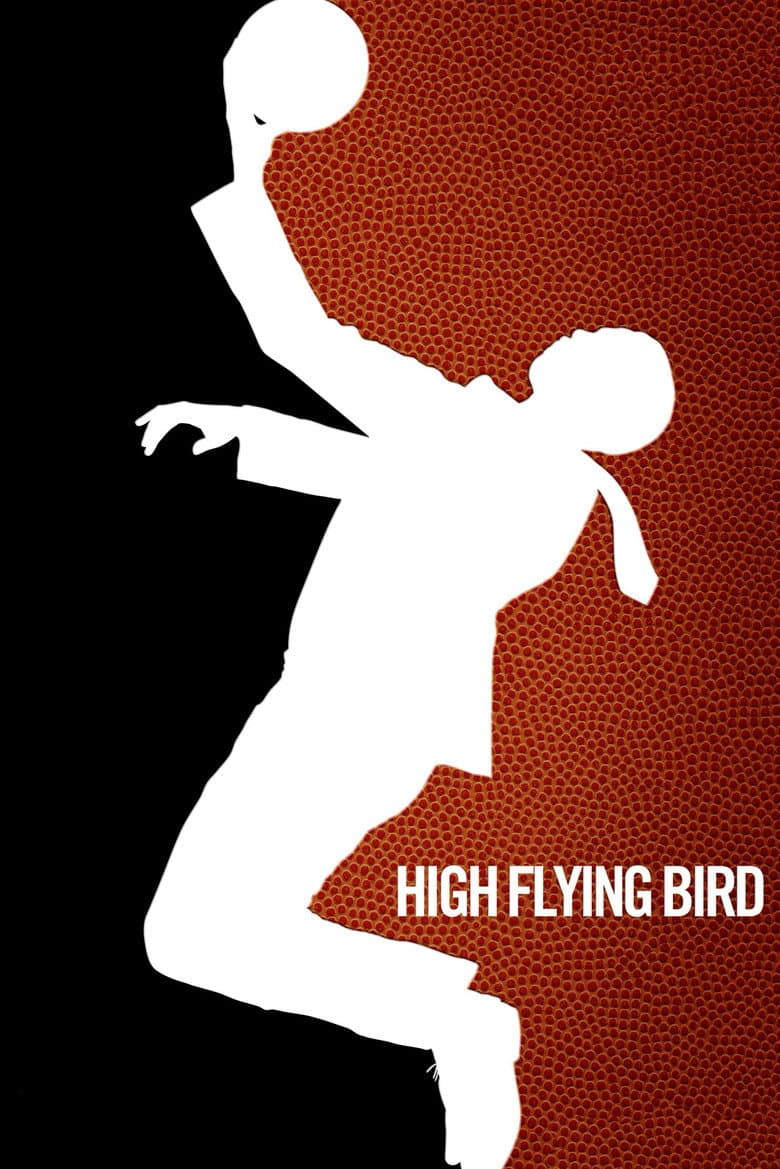
Ray Burke is a sharp New York sports agent whose company is caught in an NBA lockout. His rookie client Erick Scott cannot get paid while owners and players fight over money and control. Ray joins his former assistant Sam and player union leader Myra to find a way through the deadlock. The movie is a fast, talk-heavy drama with dry jokes and almost no game action.
The story treats Black players as workers whose talent and public image are controlled by wealthy owners. Ray and his mentors compare the league’s business system with slavery and call for players to control their own labor and media rights. The film also includes a hidden gay cousin whose life shapes Ray’s guilt, along with talks about queer athletes. Women such as Sam, Myra, and Emera hold important business power, so race, sexuality, and representation shape the main ideas.
Community feedback
Was our 76% Woke rating accurate?
Breakdown
These are the editorial factors and ratings behind our score for High Flying Bird.
Woke representation / casting
The film gives major roles to Black athletes, a black agent, and several black women with business power. The cast fits the modern NBA story, where most players are black and many owners are white. McCraney also described the film as making black, women, and queer viewpoints visible. That public identity framing adds a noticeable representation element without making the cast look like a random quota group.
32%
Woke political dialogue
Ray and Spence repeatedly say that white owners built a second game on top of the one Black players play. Characters compare player contracts and image rights to slavery and an auction. Ray and Sam discuss the pressure on gay athletes to hide their identity. The dialogue ties race, labor, social media, and player control to a call for major change.
62%
Identity-driven story themes
The main conflict asks Black players to stop being treated as products and seize control of the league. Ray’s plan is framed as a fight for player agency and a fairer system. The story makes a gay cousin’s hidden life part of Ray’s guilt and his view of the sport. The ending points to a new player-led system instead of a return to the old one.
68%
Western institutional / cultural critique
The film presents the NBA as a system run by wealthy white owners who profit from Black athletes. The characters say the league’s business model grew from control and old power structures. The story supports players owning more of their media rights, money, and work. Its criticism targets capitalism and corporate power more than family, religion, or ordinary social customs.
63%
Woke character or canon changes
Not relevant. The film uses fictional agents and players during a real-world NBA lockout. It does not change an established character or a real person’s identity.
0%
Anti-woke backlash and complaints
A Washington Post opinion writer called Netflix’s effort to present the film as a fight for underrepresented voices “woke-washing.” The comment targeted Netflix’s self-promotion more than the story. The supplied X search found no anti-woke reaction, and no broad boycott or review-bombing was reported.
8%
Creator track record context
Steven Soderbergh has a moderate record of progressive views and social criticism. Tarell Alvin McCraney has a strong record of black queer storytelling. André Holland often chooses work about black history, identity, sexuality, and representation. Those patterns support the film’s themes, while Soderbergh’s record remains broader than activist work.
63%
Production
Movie · 2016
WWII American Army Medic Desmond T. Doss, who served during the Battle of Okinawa, refuses to kill people and becomes the first Conscientious Objector in American history to…
Movie · 2024
On the brink of the Second World War, a young Norwegian man's drive to resist the Nazis sets a new course for his future – and the future of his country.
Movie · 2025
A logger leads a life of quiet grace as he experiences love and loss during an era of monumental change in early 20th-century America.
Movie · 2023
The true story of the inseparable Von Erich brothers, who made history in the intensely competitive world of professional wrestling in the early 1980s.
Movie · 2019
Richard Jewell thinks quick, works fast, and saves hundreds, perhaps thousands, of lives after a domestic terrorist plants several pipe bombs and they explode during a concert…
Movie · 2017
In 1950, amidst the ravages of the Korean War, Sergeant Süleyman stumbles upon a a half-frozen little girl, with no parents and no help in sight and he risks his own life to save…
Movie · 2025
Diagnosed with Tourette Syndrome at 15, John Davidson navigates his way against the odds through troubled teenage years and into adulthood, finding inspiration in the kindness of…
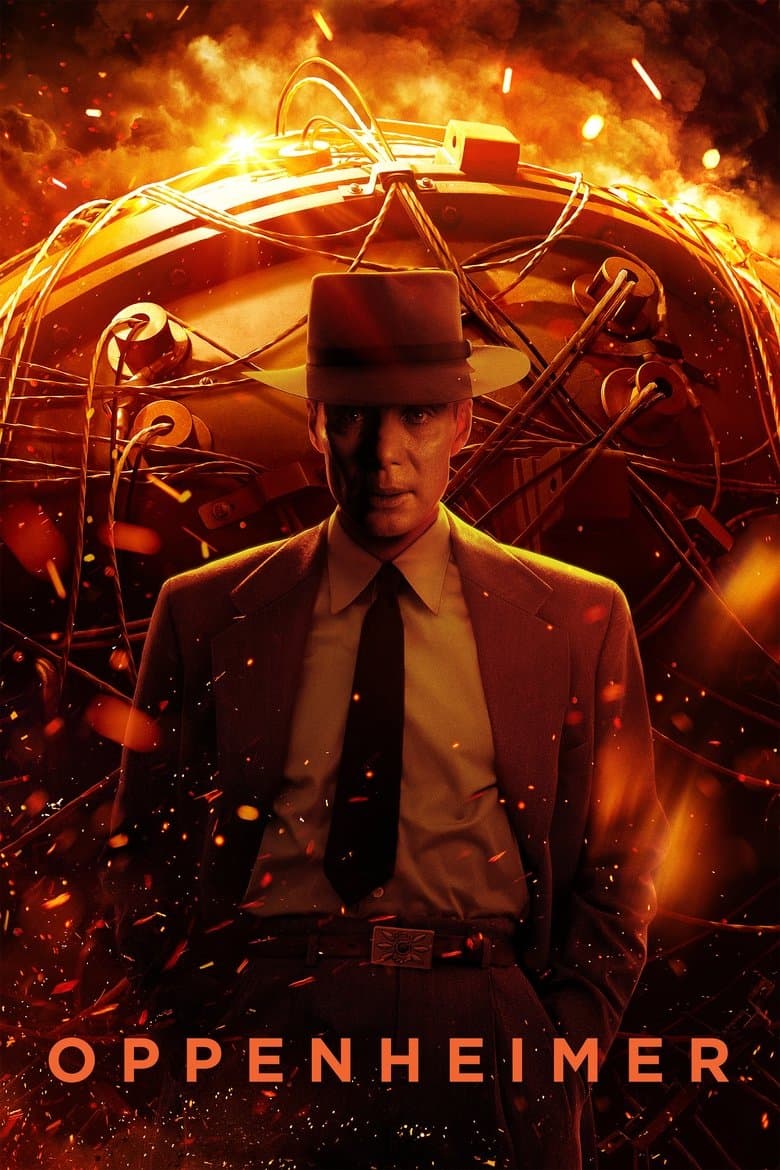
Movie · 2023
The story of J. Robert Oppenheimer's role in the development of the atomic bomb during World War II.
