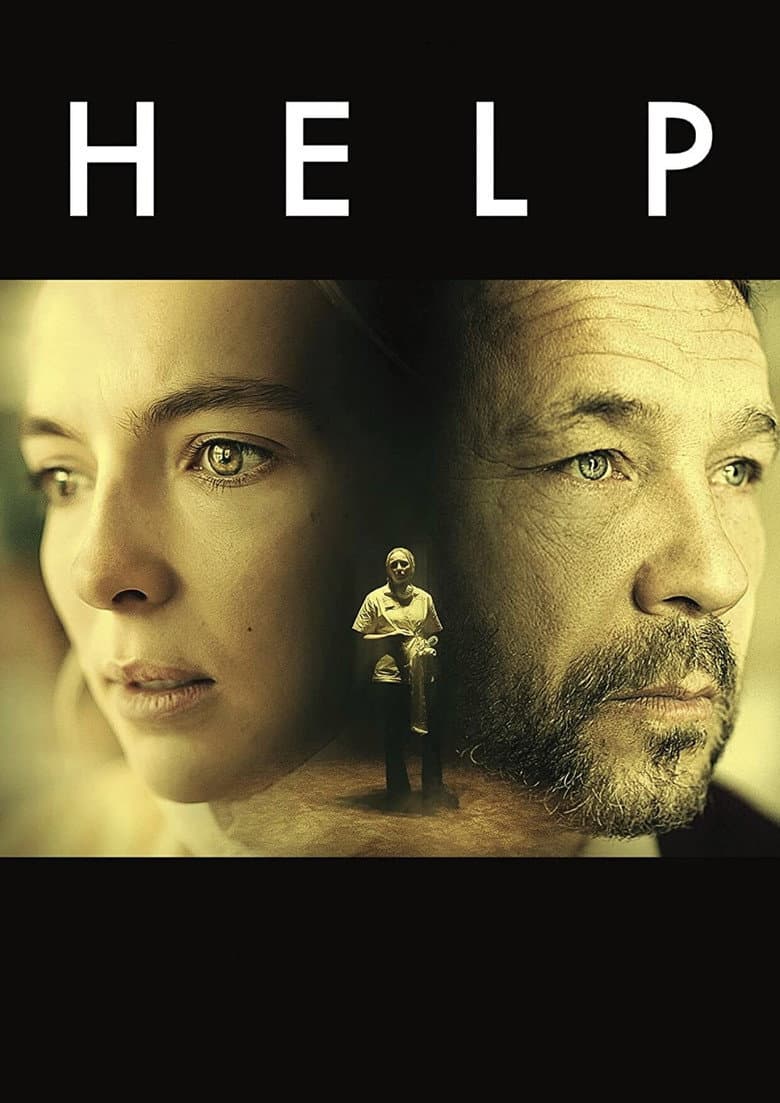
Help follows Sarah, a young woman who starts work as a carer at a Liverpool care home. She quickly bonds with Tony, a middle-aged resident with early-onset Alzheimer’s, and discovers that she is good at calming and helping people. When Covid reaches the home in spring 2020, staff shortages, missing protective gear, illness, and death push Sarah into a desperate fight to protect the residents. The film is sad, tense, angry, and sometimes frightening, with warm jokes and friendship before the crisis turns the home into a trap.
The strongest woke element is the film’s direct attack on government and public failure during the care-home crisis. Sarah’s final speech links the suffering of residents to food banks, people sleeping outside, disabled people being left to die, and the Conservative government. The story repeatedly treats care work as badly paid labor that society ignores and insists that vulnerable lives should count equally. The message clearly blames government and public systems from a left-leaning view, but the film does not build its story around race, sexuality, or diversity casting.
Community feedback
Was our 60% Woke rating accurate?
Breakdown
These are the editorial factors and ratings behind our score for Help.
Woke representation / casting
Not present. The main cast shows local British care workers and residents in Liverpool. The film does not frame race, gender, sexuality, religion, or diversity as a casting message.
0%
Woke political dialogue
Sarah directly blames public choices for leaving care workers and vulnerable people without help. Sarah names food banks, people sleeping outside, disabled people left to die, and the Tories in her final speech. The film also contrasts a government claim about protecting care homes with the home’s lack of masks and ambulances. These lines are concentrated near the end but give the film a clear left-leaning political message.
46%
Identity-driven story themes
The story centers residents with dementia and other disabilities whose dignity is treated as important. Sarah’s growth comes from protecting residents and rejecting the idea that they can be treated as numbers. The plot also presents low-paid care work as an ignored burden placed on ordinary workers. This is a recurring social-justice message, but it is framed around care and Covid rather than race or sexuality.
38%
Western institutional / cultural critique
The care home lacks masks, staff, medical help, and enough money when Covid arrives. The story blames government planning and public neglect for making residents and workers face the crisis alone. Sarah’s final speech widens the attack to food banks, homelessness, disabled people, and the Conservative government. The film treats this failure as a major moral and political problem, not just bad luck.
70%
Woke character or canon changes
Not relevant. The film is an original story written for television. It draws on real care-home experiences but does not alter known characters or a source story.
0%
Anti-woke backlash and complaints
Not present. The supplied X pass found no anti-woke reaction, and web coverage mainly praised the film. Some reviews disliked the final act or called the speech preachy, but they did not say the film was pushing woke or DEI ideas.
0%
Creator track record context
Cached notes place Jack Thorne and Jodie Comer higher than Marc Munden and Stephen Graham for social and identity-related work. Thorne has a strong record of social stories and support for disabled talent. The film’s anger about care homes matches his public comments about giving carers a voice. The wider production team has mixed and often low stored scores, so the context is moderate rather than dominant.
38%
Production

Movie · 2016
After his older brother passes away, Lee Chandler is forced to return home to care for his 16-year-old nephew.

Movie · 2023
American ballet dancer Joy Womack is accepted into Moscow's infamously tough Bolshoi Ballet Academy, with the dream of becoming a great ballerina.
Movie · 2020
A man refuses all assistance from his daughter as he ages and, as he tries to make sense of his changing circumstances, he begins to doubt his loved ones, his own mind and even…

Movie · 2017
Members of the Granite Mountain Hotshots battle deadly wildfires to save an Arizona town.
Movie · 2022
London, 1953. Mr. Williams, a veteran civil servant, is an important cog within the city's bureaucracy as it struggles to rebuild in the aftermath of World War II.
Movie · 2019
Richard Jewell thinks quick, works fast, and saves hundreds, perhaps thousands, of lives after a domestic terrorist plants several pipe bombs and they explode during a concert…

Movie · 2022
A quiet, neglected girl is sent away from her dysfunctional family to live with relatives for the summer. She blossoms in their care, but in this house where there are meant to be…

Movie · 2017
In 1950, amidst the ravages of the Korean War, Sergeant Süleyman stumbles upon a a half-frozen little girl, with no parents and no help in sight and he risks his own life to save…
