
Movie review
July 23, 2023 · 103 min · PG-13 · Comedy · Adventure · Romance · Drama
Helen Carpenter is a schoolteacher whose divorce leaves her stuck between grief and fear of starting over. She signs up for a hard group hike along the Appalachian Trail in Connecticut and New York, hoping the trip will force her to change. Her younger brother’s best friend, Jake, joins the same group, so Helen must face an old friendship while dealing with blisters, bad weather, and painful memories. The movie mixes a gentle romance with comedy, family hurt, and a hopeful story about learning to accept help.
The film gives a small amount of attention to identity. Hugh is a gay Asian man in the hiking group, and the movie treats his sexuality as a normal part of his life while he offers Helen advice about Jake. Sue makes a brief comment that women are silenced too much, which adds a modern gender message to the group’s jokes. Helen’s main change is personal rather than political because the story focuses on divorce, lost time, friendship, nature, and gratitude instead of a broad fight about race, gender, or social power.
Community feedback
Was our 32% Woke rating accurate?
Breakdown
These are the editorial factors and ratings behind our score for Happiness for Beginners.
Woke representation / casting
The hiking group includes Hugh, an Asian American gay man, plus a visibly mixed group of adult hikers. Hugh is a named supporting character who stays with the group and helps Helen with her romance. The casting fits a modern American group and is not sold as a diversity campaign inside the story. The result is a mild representation signal, not a dominant casting design.
18%
Woke political dialogue
Sue says women should be talking during a discussion of her vow of silence. That line treats women’s silence as a social problem. The film plays the line as brief group banter rather than a speech. Hugh also talks openly about finding another man attractive, but the film does not turn that moment into a political message.
23%
Identity-driven story themes
Helen’s main arc follows a woman who rebuilds her life after divorce, pregnancy loss, and years of pain. The story presents self-worth, female friendship, and choosing a new life as good things. Hugh is a gay supporting character whose advice helps Helen move toward Jake, so queer identity has a visible but secondary place. The film keeps the conflict personal and does not turn it into a wider fight over patriarchy, race, or group power.
29%
Western institutional / cultural critique
Sue’s line that women should be talking briefly criticizes female silencing. The movie also shows Helen pushing back against a failed marriage and a hurtful ex-husband. Those scenes deal with personal relationships rather than a broad attack on men, marriage, religion, capitalism, or Western culture. The story does not build a continuing institutional critique.
10%
Woke character or canon changes
Not relevant. The film adapts a contemporary romance novel, and no established character is changed for an identity-based reason. The story does not change a historical figure or legacy character.
0%
Anti-woke backlash and complaints
Not present. Search coverage shows no meaningful anti-woke or anti-left campaign against the film. A faith-based review flags a gay supporting character and a Mother Nature prayer, but it does not say that the movie pushes woke or DEI politics.
0%
Creator track record context
Vicky Wight has a moderate representation-first record and has spoken about women and people of color in film. Katherine Center has a milder record built around women-centered stories and empathy rather than party politics. The film’s female lead and gay supporting character match parts of that background. The other listed producers have little stored activist context. The context supports a moderate creator track record score, not a strong activist one.
40%
Production

Movie · 2024
After discovering their significant others are siblings, two resentful exes must spend Christmas under one roof — while hiding their romantic history.

Movie · 2019
A down-on-his-luck crab fisherman embarks on a journey to get a young man with Down syndrome to a professional wrestling school in rural North Carolina and away from the…

Movie · 2025
When her mother sends her on a quest to complete a teenage bucket list, a young woman uncovers family secrets, finds romance — and rediscovers herself.

Movie · 2016
A boy growing up in Dublin during the 1980s escapes his strained family life by starting a band to impress the mysterious girl he likes.

Movie · 2022
Divorced couple Georgia and David find themselves on a shared mission: they team up and travel to Bali to stop their daughter Lily from making the same mistake they once made 25…

Movie · 2023
Two romantic burnouts, Jane and Will, are immediately drawn to each other at a mutual friend’s wedding. After a disastrous hookup in the coatroom, the two spend the next 24 hours…
Movie · 2016
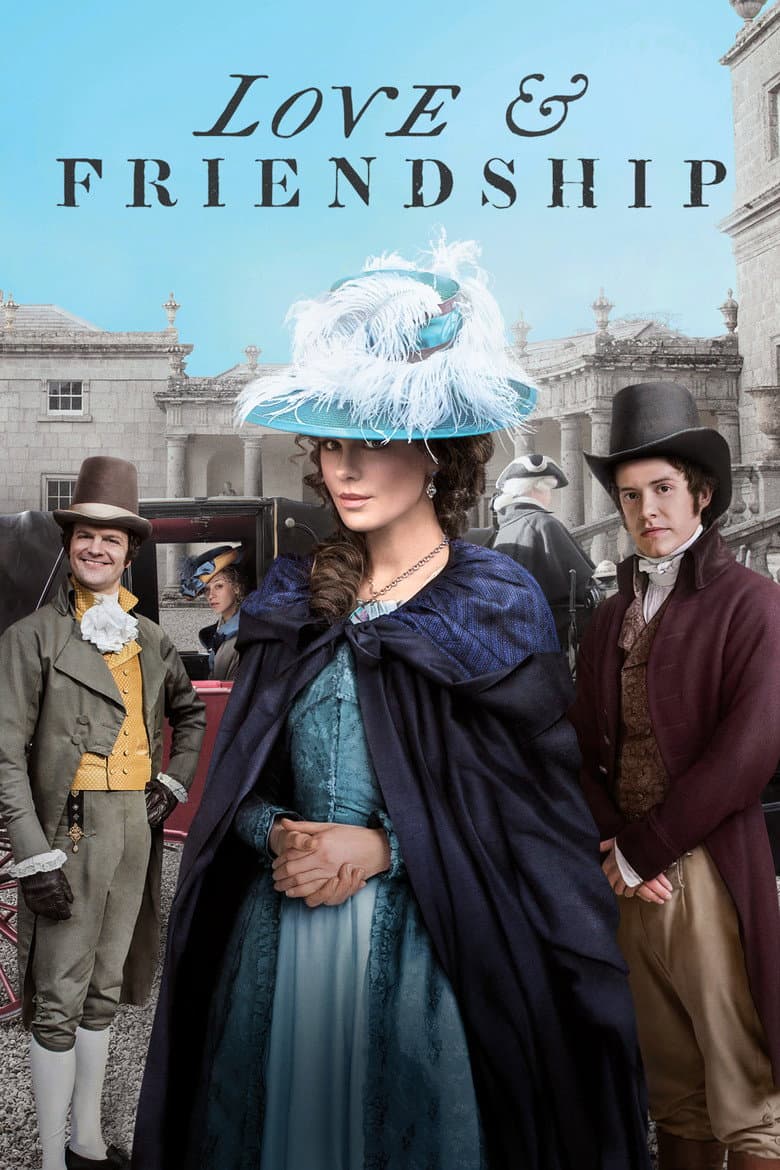
From Jane Austen’s novella, the beautiful and cunning Lady Susan Vernon visits the estate of her in-laws to wait out colorful rumors of her dalliances and to find husbands for…

Movie · 2016
The feel-good story of Michael 'Eddie' Edwards, an unlikely but courageous British ski-jumper who never stopped believing in himself—even as an entire nation was counting him out.
