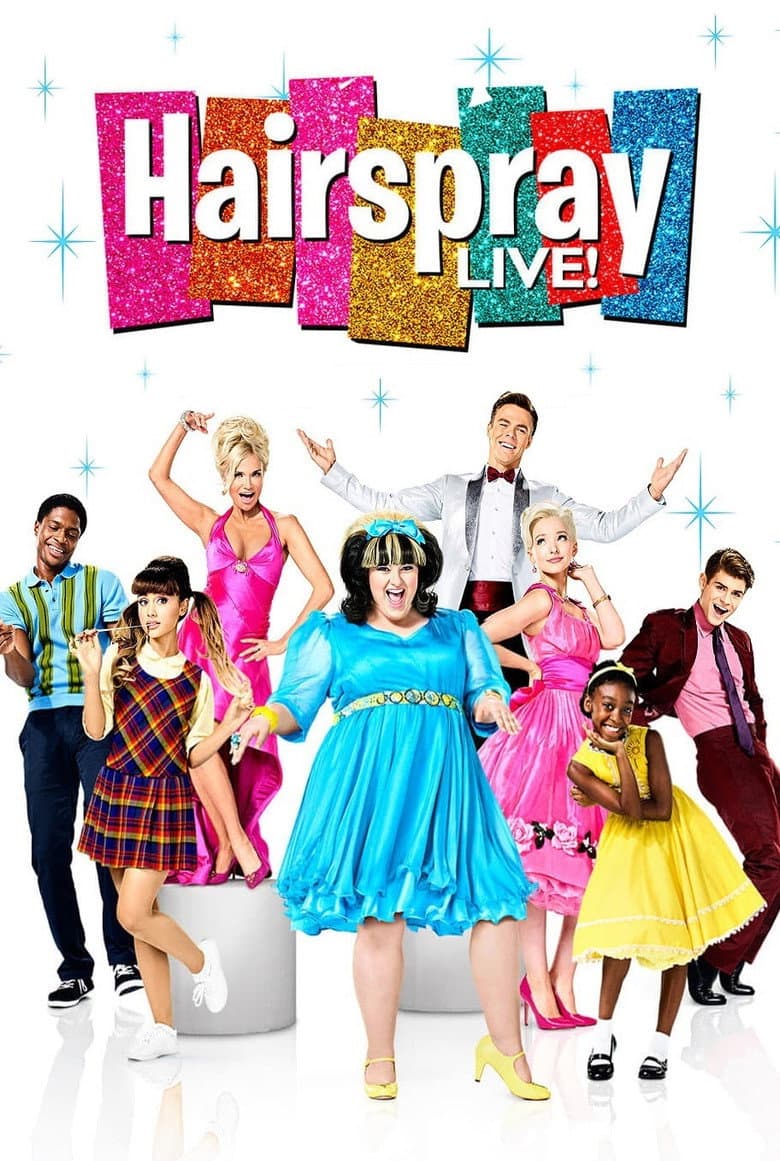
Tracy Turnblad is a plus-size teenager in 1962 Baltimore who dreams of dancing on the Corny Collins Show. She wins a place on the local TV program, but she learns that black teens are kept off the main show because of segregation. Tracy joins Motormouth Maybelle, Seaweed, Penny, and her family to challenge the station and bring the groups together. The story uses bright songs, broad jokes, romance, and a hopeful tone while it deals with racism, people being judged for their size, and young people standing up to adults.
The central conflict supports racial integration and treats the old rules as wrong. Tracy is praised for accepting her body, and the show links her fight against people who mock her size with the black teens' fight for equal access. Penny and Seaweed have an interracial romance, while Harvey Fierstein plays Tracy's mother Edna in drag. The story gives its clearest message through protest scenes, the song “I Know Where I’ve Been,” and the final image of black and white teens dancing together.
Community feedback
Was our 55% Woke rating accurate?
Breakdown
These are the editorial factors and ratings behind our score for Hairspray Live!.
Woke representation / casting
Harvey Fierstein plays Edna Turnblad in drag, which is a strong audience-visible gender-performance choice. Penny and Seaweed have an interracial romance in a 1962 story. The Black casting of Motormouth, Seaweed, and Little Inez fits the race-based plot, so it adds little extra weight. The show does not clearly sell its casting as a diversity program.
26%
Woke political dialogue
Characters repeatedly argue that black and white teens should dance together on the same TV show. Tracy urges the group to challenge the station, and Maybelle speaks about the long struggle for equal treatment. The dialogue supports activist ideas about integration and social change. The language stays inside the 1962 civil-rights story and does not become a modern political speech.
34%
Identity-driven story themes
The main plot centers on integrating a segregated TV dance show. The story repeatedly praises body acceptance, interracial love, and crossing old gender rules through Edna’s drag performance. Tracy and her friends treat inclusion and personal freedom as moral goals. These themes are central, but the show presents them through a 1960s setting rather than a broad current identity campaign.
55%
Western institutional / cultural critique
The show attacks segregationist TV rules and the beauty standards that shame Tracy’s body. The story also mocks Penny’s racist mother and other adults who defend old social rules. These targets belong to the period story, so the show does not make a broad modern attack on Western institutions.
17%
Woke character or canon changes
Not relevant. The special follows the established stage and film story. Added songs and cuts do not change a character’s race, gender, sexuality, or role.
0%
Anti-woke backlash and complaints
Not present. No clear anti-woke complaints appeared in the reviewed X evidence, news coverage, or audience discussion. Most public reaction focused on singing, casting, and the handling of the race story.
0%
Creator track record context
Stored creator context shows strong representation and LGBTQ-related patterns among Kenny Leon, Harvey Fierstein, Craig Zadan, Neil Meron, and Bernard Telsey. John Waters also has a long record of queer and outsider stories. Alex Rudzinski and several other listed crew members have little public activist record. The special matches the higher-scored creators through its integration plot, gender-performance element, and inclusive casting.
67%
Production
Movie · 2016
A boy growing up in Dublin during the 1980s escapes his strained family life by starting a band to impress the mysterious girl he likes.
Movie · 2016
The story of a young man who arrives in Hollywood during the 1930s hoping to work in the film industry, falls in love, and finds himself swept up in the vibrant café society that…
Movie · 2023
Highly intelligent computer major Zoey Miller is uninterested in romantic love, but her life is turned upside down when Zack, the school's soccer star, gets amnesia and mistakes…
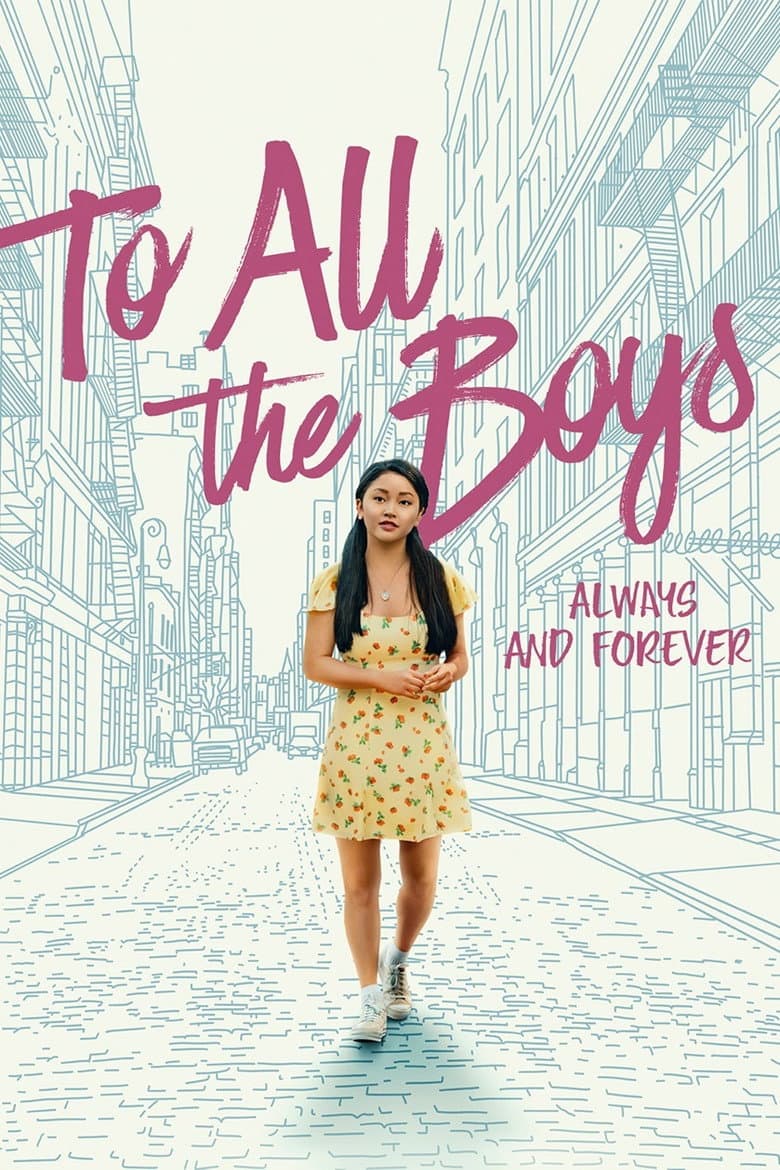
Movie · 2021
Senior year of high school takes center stage as Lara Jean returns from a family trip to Korea and considers her college plans — with and without Peter.
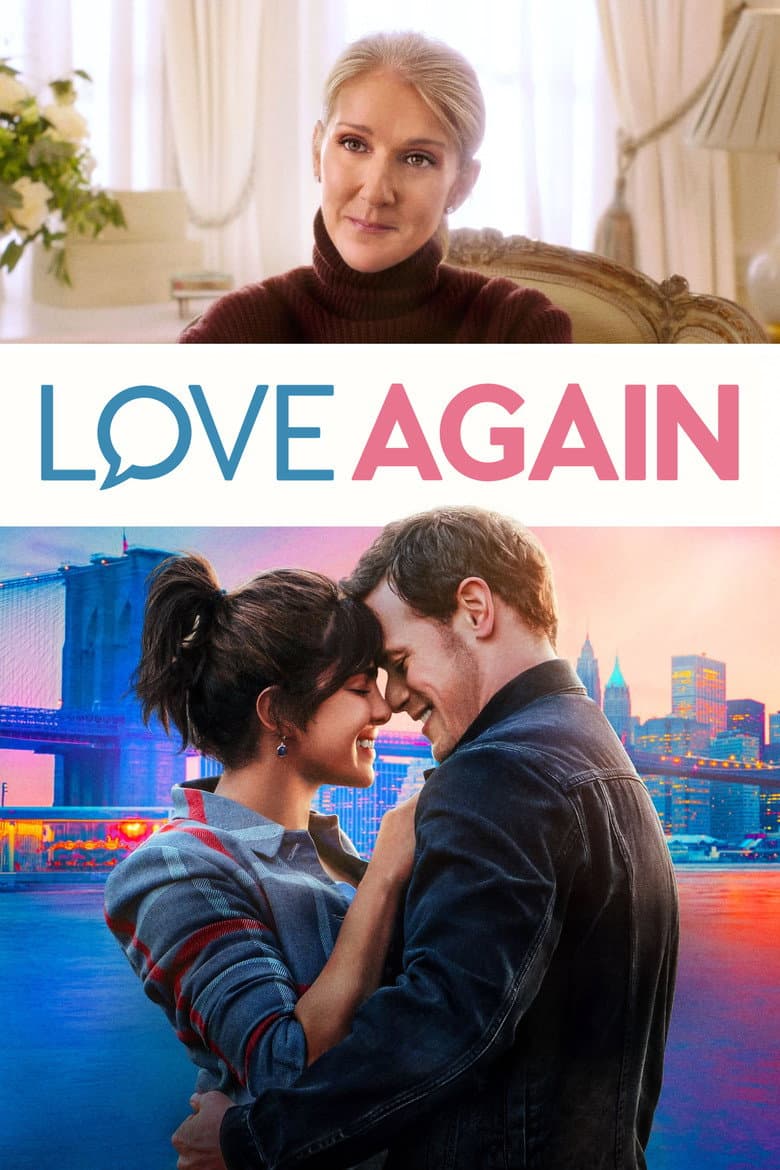
Movie · 2023
Mira Ray, dealing with the loss of her fiancé, John, sends a series of romantic texts to his old cell phone number… not realizing the number was reassigned to Rob Burns' new work…

Movie · 2020
A teenager lives out the hilarious and often tragic consequences of being lethally attractive, until he meets a girl with a congenital defect.
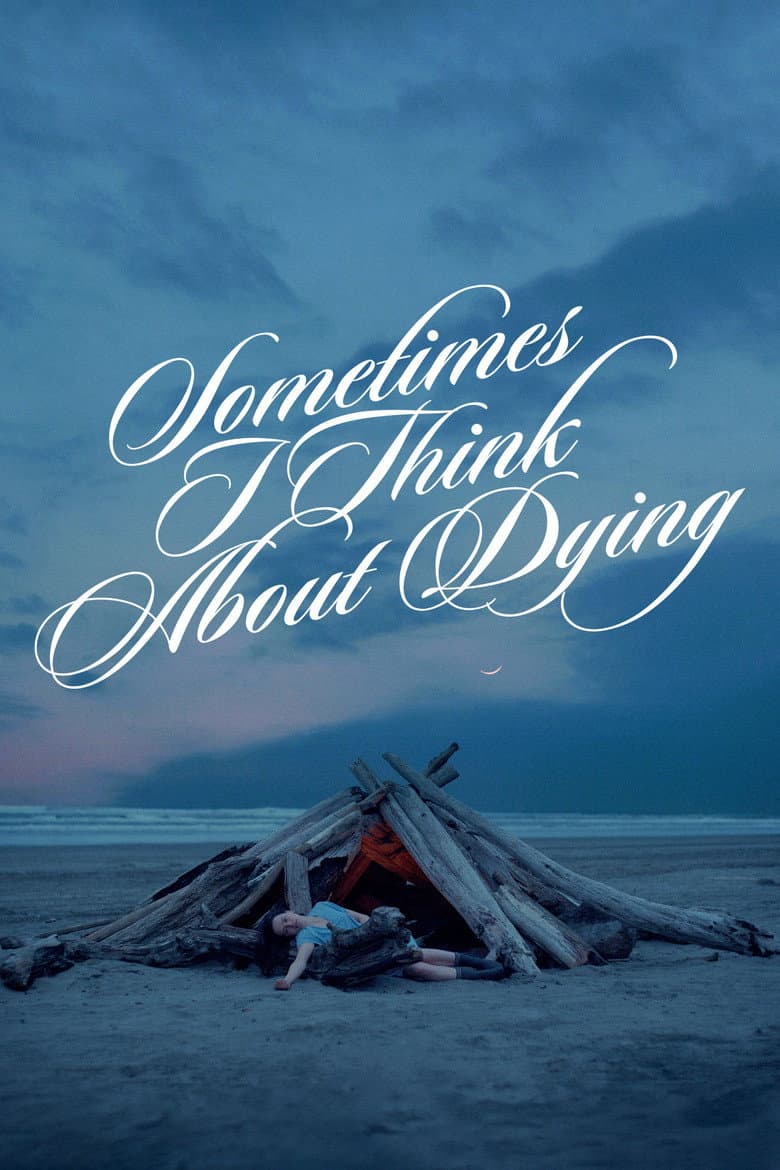
Movie · 2024
Fran likes to think about dying. It brings sensation to her quiet life. When she makes the new guy at work laugh, it leads to more: a date, a slice of pie, a conversation, a…
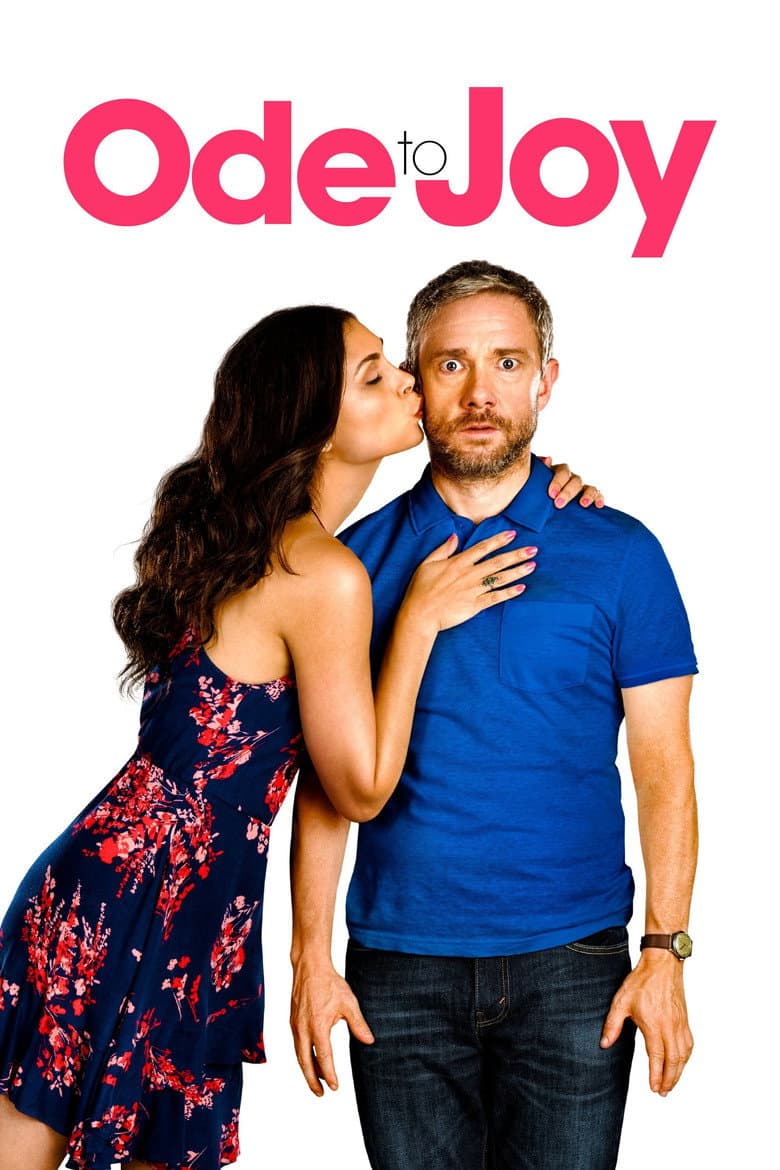
Movie · 2019
Charlie suffers from a serious disease that causes acute narcolepsy whenever he is happy. Although he develops a variety of techniques to deny himself pleasure and deal with his…
