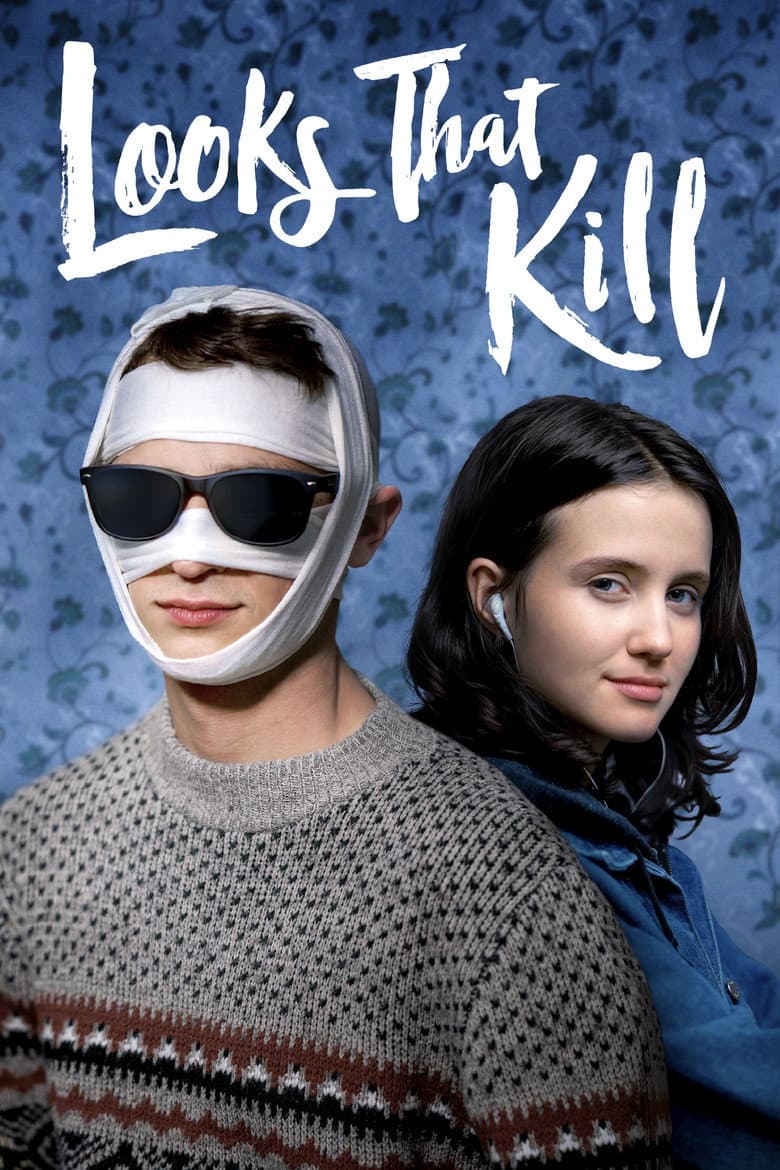
Max Richards is a sixteen-year-old boy who must hide his face because anyone who sees it can die from its beauty. His parents keep him homeschooled in a small Massachusetts town, but the lonely life leaves him depressed and desperate for normal teenage experiences. Max meets Alex, a girl whose heart can grow dangerously when she feels strong emotions, and the two begin a strange romance. The movie starts as a dry dark comedy and turns into a sad story about illness, love, loss, and death.
The film’s strongest social message comes from its treatment of assisted death. Max later chooses to help sick people die peacefully by letting them see his face, and the story treats that choice as a useful purpose for his life. Alex’s illness makes ordinary happiness dangerous, so the couple must control their feelings while trying to enjoy a short romance. The story ends as a lesson about grief, self-acceptance, and finding a purpose after loss.
Community feedback
Was our 3% Woke rating accurate?
Breakdown
These are the editorial factors and ratings behind our score for Looks That Kill.
Woke representation / casting
Not present. The cast includes Max, Alex, an Asian best friend, and an Asian exchange student. The movie does not call attention to race, gender, or diversity, and the modern Massachusetts setting gives no clear mismatch.
0%
Woke political dialogue
Not present. The characters do not give speeches or repeat lines about race, gender, DEI, or activism. The dialogue stays on dating, illness, death, family, and school.
0%
Identity-driven story themes
Not present. Max and Alex face unusual medical problems, but the story treats them as personal struggles rather than identity politics. The main themes are love, loneliness, self-acceptance, grief, and assisted death.
0%
Western institutional / cultural critique
Not present. The movie does not attack men, family life, religion, capitalism, or Western institutions. It shows bullying and medical trouble as part of the plot.
0%
Woke character or canon changes
Not relevant. The movie is an original story with no known established characters or real historical figures.
0%
Anti-woke backlash and complaints
Not present. No reliable reports show an anti-woke campaign against the movie. One parent review objected to its pro-euthanasia message, but it did not frame the film as woke or left-wing.
0%
Creator track record context
The available public record for Kellen Moore is neutral. Most producers have worked on commercial films without an activist pattern. Will Phelps has backed teen films about abortion access, queer romance, and body image, but this movie does not use those subjects.
13%
Production
Movie · 2017
After the early death of his wife, a mourning father moves with his teenage son across the country for a private school teaching job.
Movie · 2016
Mia, an aspiring actress, serves lattes to movie stars in between auditions and Sebastian, a jazz musician, scrapes by playing cocktail party gigs in dingy bars, but as success…
Movie · 2022
Divorced couple Georgia and David find themselves on a shared mission: they team up and travel to Bali to stop their daughter Lily from making the same mistake they once made 25…
Movie · 2016
From Jane Austen’s novella, the beautiful and cunning Lady Susan Vernon visits the estate of her in-laws to wait out colorful rumors of her dalliances and to find husbands for…
Movie · 2021
Troubled teen Will Hawkins has a run-in with the law that puts him at an important crossroad: go to juvenile detention or attend a Christian summer camp.
Movie · 2023
The dramatic comedy is based on the true story of writer and pinball wizard Roger Sharpe, chronicling his journey to overturn New York City’s 35-year ban on pinball.
Movie · 2016
A boy growing up in Dublin during the 1980s escapes his strained family life by starting a band to impress the mysterious girl he likes.
Movie · 2016
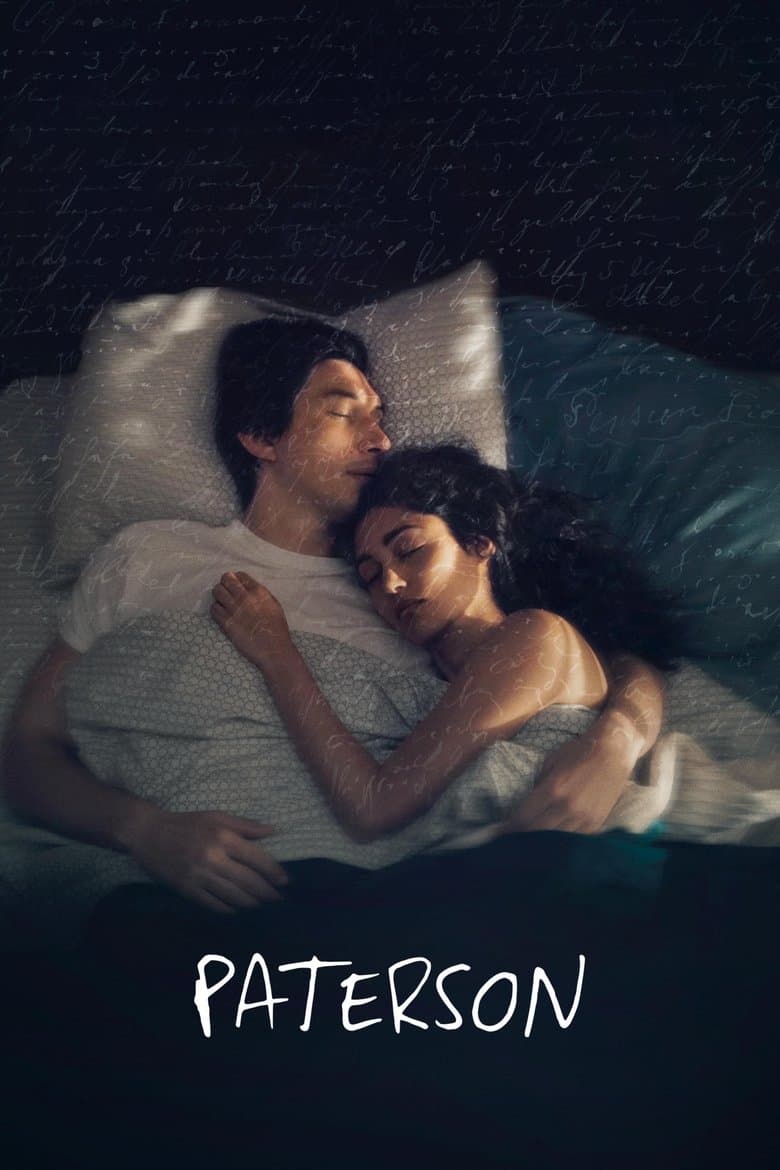
A week in the life of Paterson, a poet bus driver, and his wife Laura, a very creative artist, who live in Paterson, New Jersey, hometown of many famous poets and artists.
