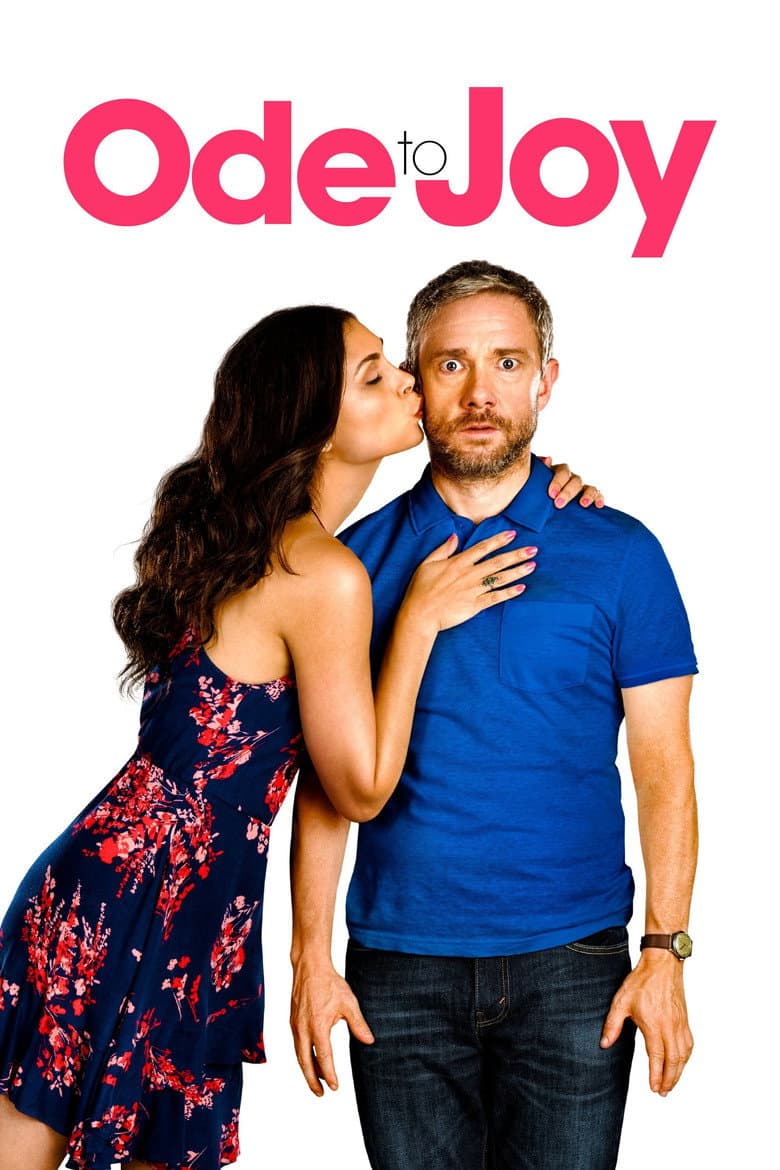
Ode to Joy follows Charlie, a quiet Brooklyn librarian who has cataplexy, a condition that can make his muscles stop working when he feels strong emotion. Charlie has trained himself to avoid happiness and other strong feelings because any sudden joy can make him collapse. His careful life changes when Francesca, an outspoken bar manager, enters the library after a painful breakup. Charlie falls for her, but he pushes her toward his brother Cooper so he can stay close without facing his fear. The movie uses a dry, awkward comedy tone with a gentle romance underneath.
The main social element is a short set of jokes about identity. Francesca asks Charlie if he is gay and says that it would be fine, while Charlie briefly lists a white man with dreadlocks among the thoughts he uses to block happiness. The movie does not build a queer story, a story about race, or a political lesson from these moments. Its lasting themes are fear, love, illness, family, and the choice to accept risk instead of hiding from life. Charlie's struggle with cataplexy shapes nearly every major turn, and the ending treats love as worth the danger.
Community feedback
Was our 14% Woke rating accurate?
Breakdown
These are the editorial factors and ratings behind our score for Ode to Joy.
Woke representation / casting
Not present. The film does not make race, ethnicity, disability, or diversity a casting message. The lead couple’s visible difference is treated as ordinary romance, not as a message about representation.
0%
Woke political dialogue
The film has one brief acceptance line about gay identity and one joke about a white man with dreadlocks. The lines are used as casual jokes and do not promote a political program. No recurring DEI, gender-role, or activist speech shapes the story.
21%
Identity-driven story themes
Not present. The movie makes illness and fear central, but it treats them as personal problems in a love story. It does not turn disability, romance, or identity into a political rights message.
0%
Western institutional / cultural critique
Not present. The film shows a priest, a church wedding, a library, and family life without attacking them. Its jokes target awkward people and dating problems, not Western institutions or traditional norms.
0%
Woke character or canon changes
Not relevant. The movie is an original fictional romance based on a This American Life story about cataplexy. It does not change an established fictional character or a known historical figure for an identity message.
0%
Anti-woke backlash and complaints
Not present. The supplied X pass found no anti-woke posts or specific complaints. Other searches found comments about weak comedy and the use of cataplexy, not claims that the film pushes DEI or identity politics.
0%
Creator track record context
The cached scores are low for director Jason Winer at 11 and writers Max Werner at 0 and Chris Higgins at 18. The producers are mostly scored from 0 to 20, while casting director Jennifer Euston is the main higher score at 48. Chris Higgins has an inclusion-related signal through his accessibility documentary, but that is not a broad activist record. Title interviews focus on making cataplexy real and building a romantic comedy, not on identity politics.
14%
Production
Movie · 2016
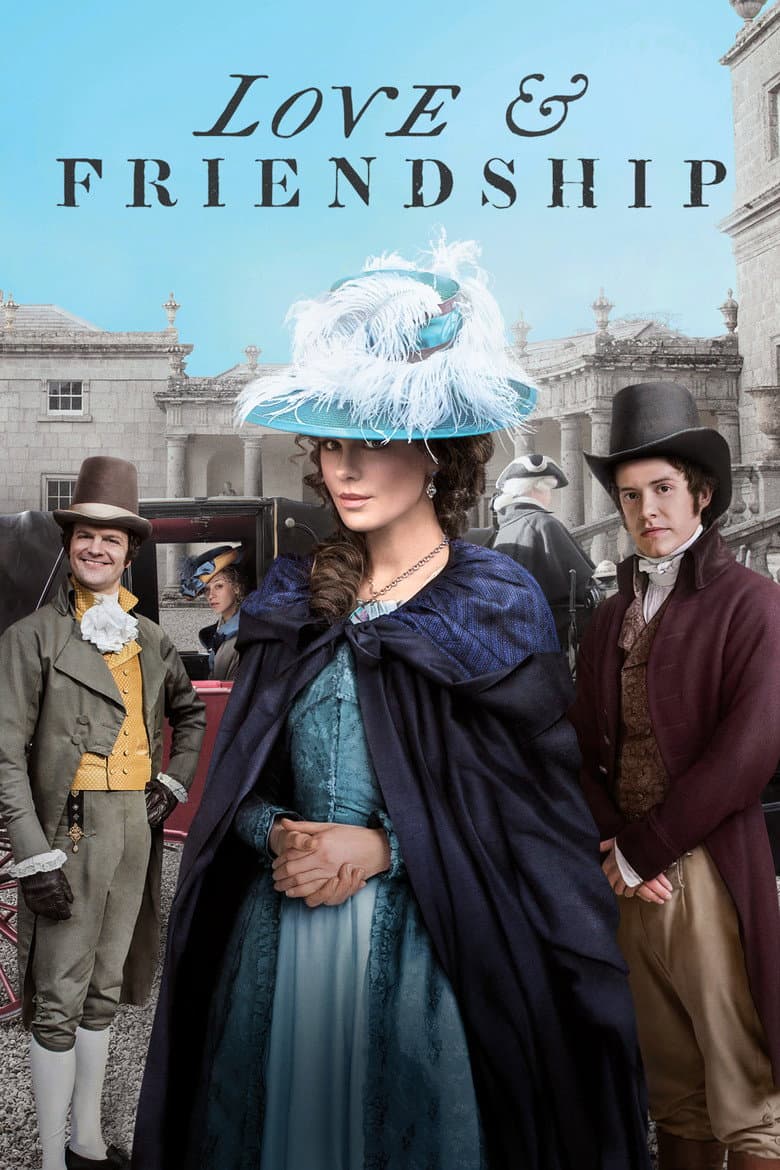
From Jane Austen’s novella, the beautiful and cunning Lady Susan Vernon visits the estate of her in-laws to wait out colorful rumors of her dalliances and to find husbands for…
Movie · 2016
The story of a young man who arrives in Hollywood during the 1930s hoping to work in the film industry, falls in love, and finds himself swept up in the vibrant café society that…

Movie · 2023
The dramatic comedy is based on the true story of writer and pinball wizard Roger Sharpe, chronicling his journey to overturn New York City’s 35-year ban on pinball.
Movie · 2021
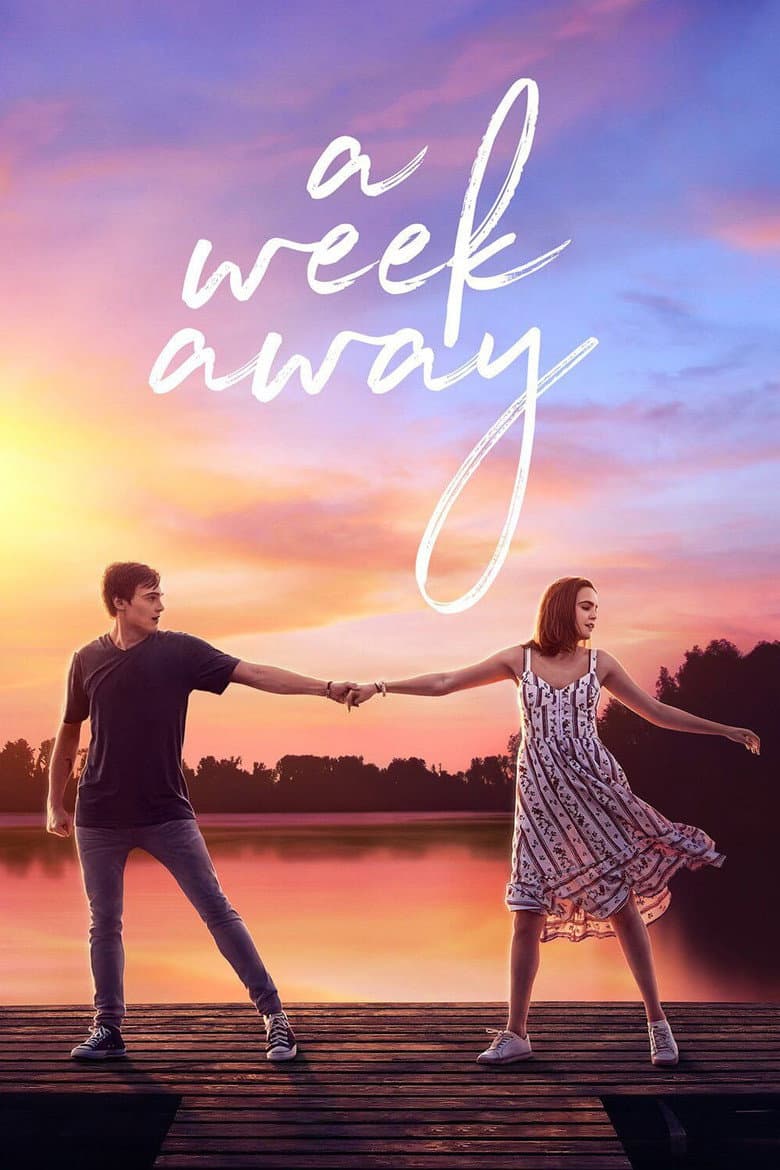
Troubled teen Will Hawkins has a run-in with the law that puts him at an important crossroad: go to juvenile detention or attend a Christian summer camp.
Movie · 2022
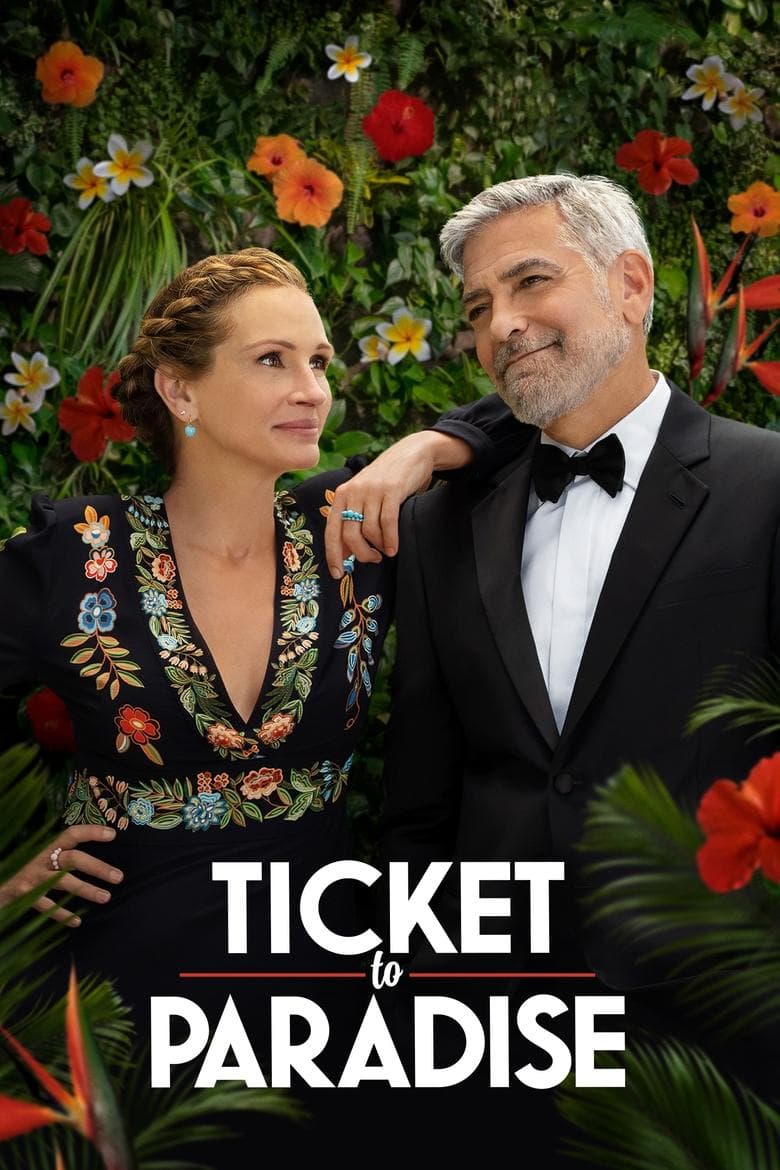
Divorced couple Georgia and David find themselves on a shared mission: they team up and travel to Bali to stop their daughter Lily from making the same mistake they once made 25…
Movie · 2020
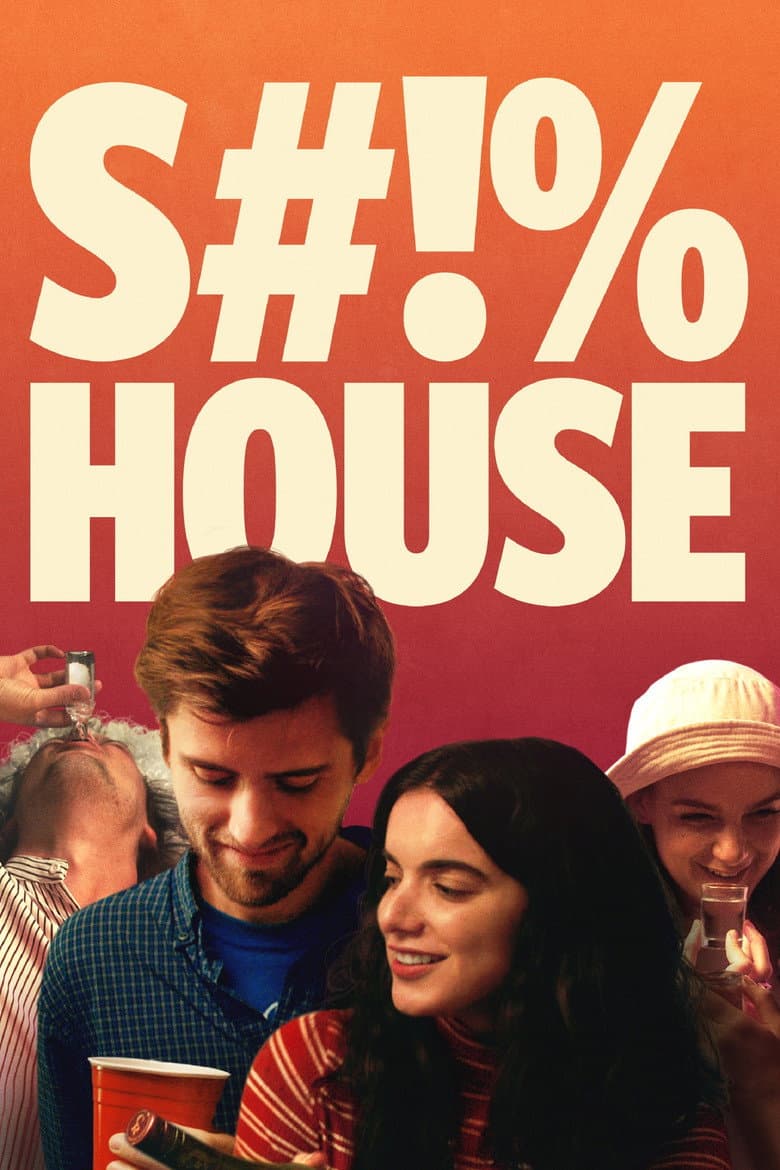
Lonely college freshman Alex has closed himself off from his peers, who all appear to have this whole "college thing" figured out.
Movie · 2016
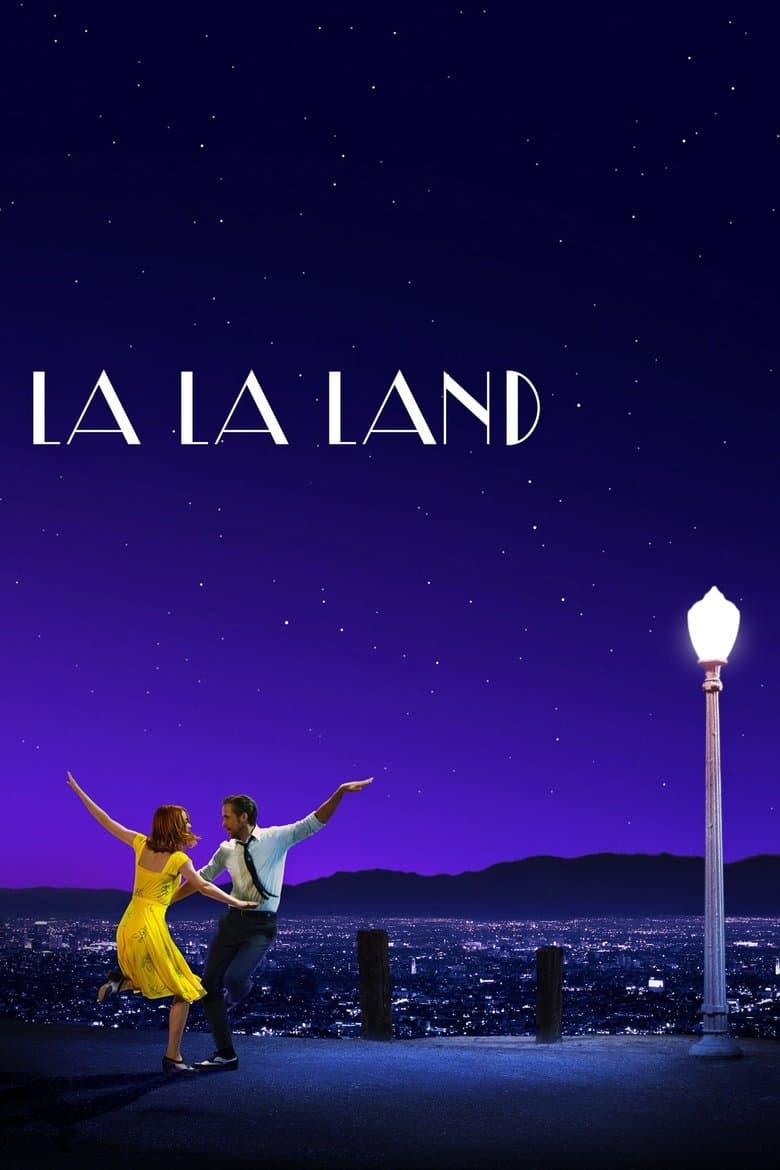
Mia, an aspiring actress, serves lattes to movie stars in between auditions and Sebastian, a jazz musician, scrapes by playing cocktail party gigs in dingy bars, but as success…
Movie · 2018
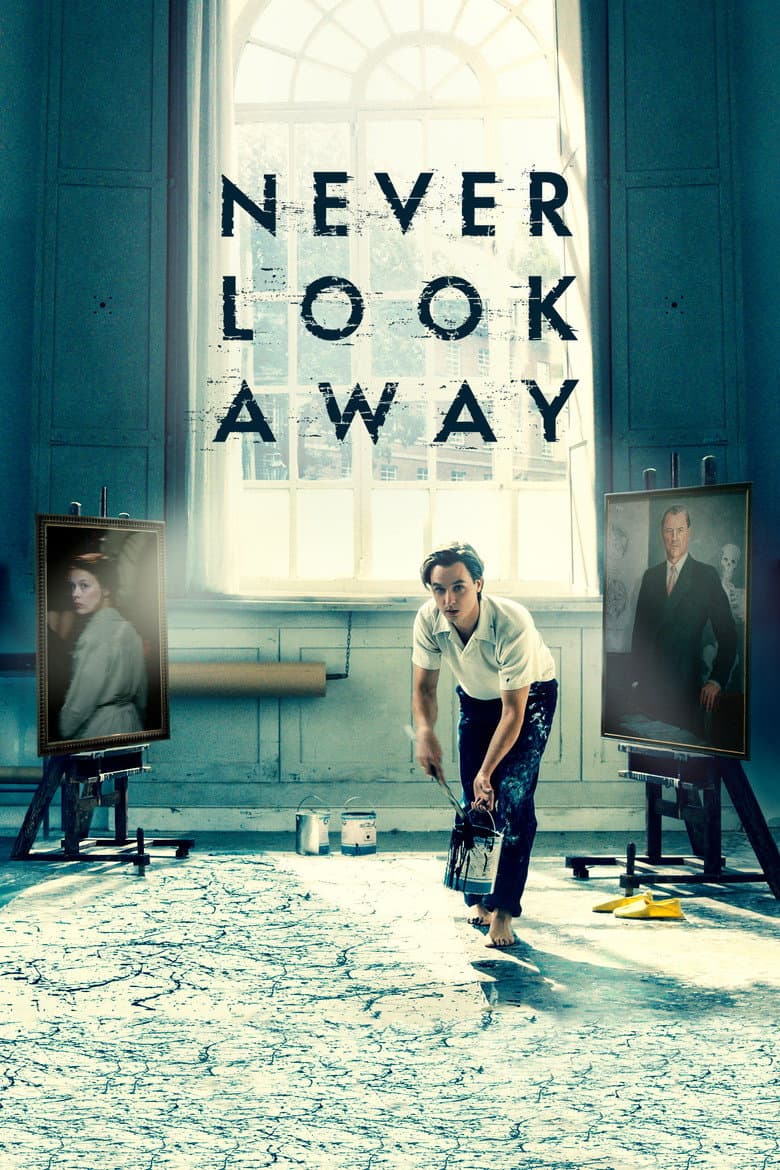
German artist Kurt Barnert has escaped East Germany and now lives in West Germany, but is tormented by his childhood under the Nazis and the GDR regime.
