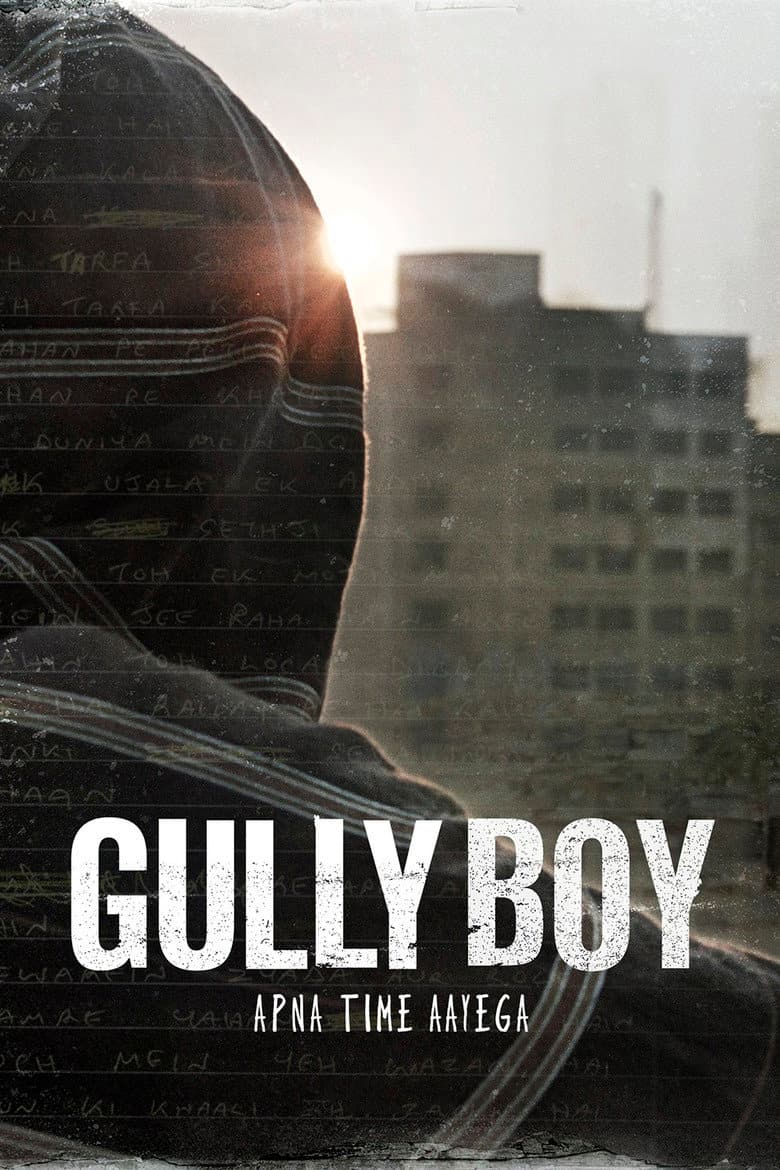
Murad Ahmed is a quiet college student who lives with his mother, brother, and father in Dharavi, a crowded part of Mumbai. His father is harsh and brings home another wife, while a job as a driver shows Murad how rich people treat workers. Murad writes rap about poverty, fear, family trouble, and the wish to be heard. MC Sher helps him enter the street rap scene, and the film mixes tense family drama with hopeful music as Murad moves from hidden poet to public performer.
The story gives a large place to class barriers, family power, and the right of poor people to speak for themselves. Safeena is a Muslim medical student who wants to become a surgeon, but her parents push her toward marriage and life at home. The film also shows an abused mother, a female singer being heckled, and men who support one another instead of treating success as a fight. Songs such as “Azadi” and “Jingostan” add direct messages about freedom, discrimination, hate politics, and respect, but Murad’s music career and his choices remain the main focus.
Community feedback
Was our 64% Woke rating accurate?
Breakdown
These are the editorial factors and ratings behind our score for Gully Boy.
Woke representation / casting
The film places a Muslim man and woman at the center, and it makes their faith visible. The film also gives important goals to women through Safeena’s medical career and Sky’s music work. Zoya Akhtar said the team wanted a Muslim character, so the choice carries a clear identity signal. The Mumbai setting and the real rapper sources make these choices believable, so the signal stays mild.
28%
Woke political dialogue
The songs “Azadi” and “Jingostan” push political messages about poverty, discrimination, party politics, hate politics, and freedom. “Jingostan” mocks loud nationalism, while “Azadi” turns freedom into a chant against hunger and unfair treatment. Murad also says that workers are not slaves and deserve respect. These messages return through several rap scenes, but the film does not stop for long political speeches, so the score stays in the middle range.
52%
Identity-driven story themes
Safeena’s wish to become a surgeon and her fight against marriage pressure give gender freedom a real subplot. Murad’s mother faces an abusive husband, and the story shows how money and family rules can trap women. The film also presents a Muslim couple as ordinary leads and treats a gentle, non-macho man as admirable. These ideas return through the family and music stories, but Murad’s rise as a rapper remains the main focus.
52%
Western institutional / cultural critique
The film presents the father’s abuse and second marriage as harm caused by male power in the home. Safeena’s family treats marriage and housework as more important than her medical career, and the film sides with her wish to study. MC Sher defends a female singer after men heckle her, while “Jingostan” mocks hate politics and loud nationalism. The film does not attack Christianity or Western institutions, and most of its class criticism stays tied to Mumbai’s local life.
45%
Woke character or canon changes
Not relevant. Gully Boy is a fictional story loosely inspired by Divine and Naezy, not a direct biography with fixed characters. No established character is race, gender, sexuality, or leadership-swapped.
0%
Anti-woke backlash and complaints
Small right-leaning accounts called the film “woke,” “commie,” or propaganda because of “Azadi,” “Jingostan,” its Muslim lead, and its ambitious hijab-wearing woman. Other isolated posts claimed that the film changed the real rapper’s religion, but the film was openly described as fiction inspired by more than one artist. The separate X pass found scattered low-reach posts and no boycott, review-bombing drive, or major outlet campaign. The complaints had some repetition online but did not become a broad public controversy.
18%
Creator track record context
Zoya Akhtar and Reema Kagti often make stories about women, class, social pressure, and people with little space in mainstream films. Farhan Akhtar and Ritesh Sidhwani have backed projects with gender and LGBTQ representation. Zoya’s interview framing of Murad as a gentle man and Safeena as a woman held back by gender matches that wider pattern. The creators also make mainstream entertainment, so this context supports the film’s score without deciding it on its own.
56%
Production
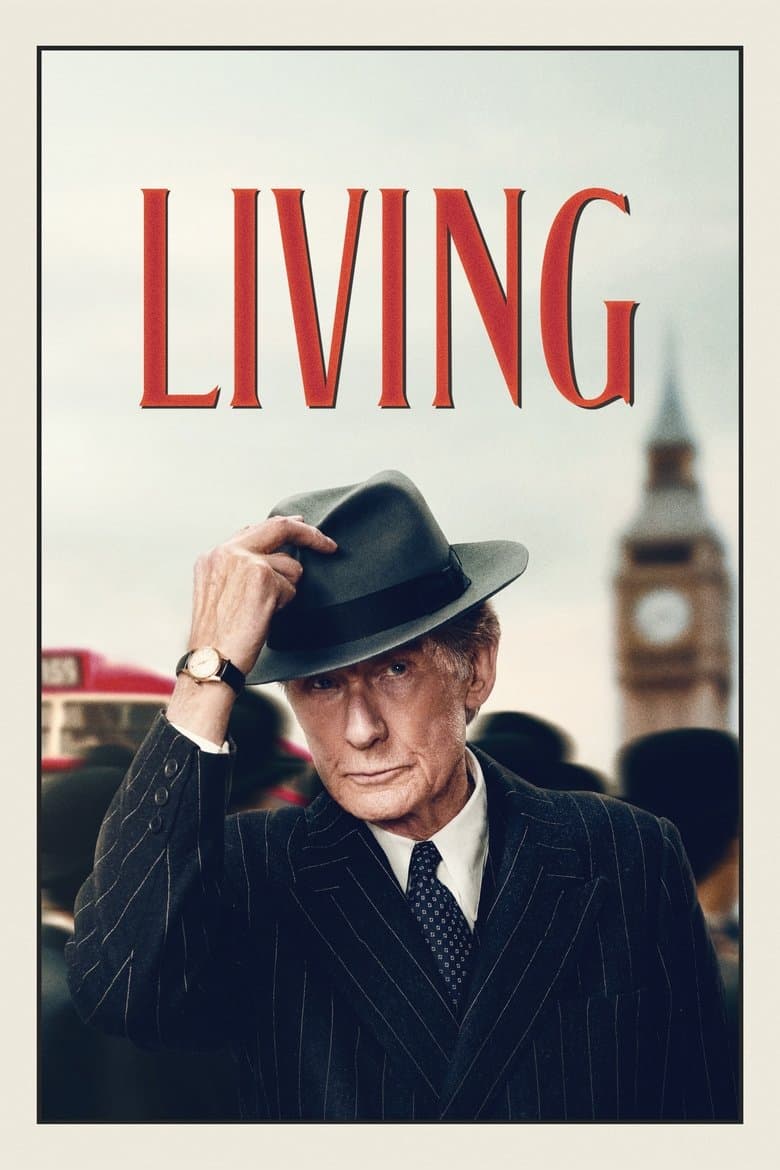
Movie · 2022
London, 1953. Mr. Williams, a veteran civil servant, is an important cog within the city's bureaucracy as it struggles to rebuild in the aftermath of World War II.
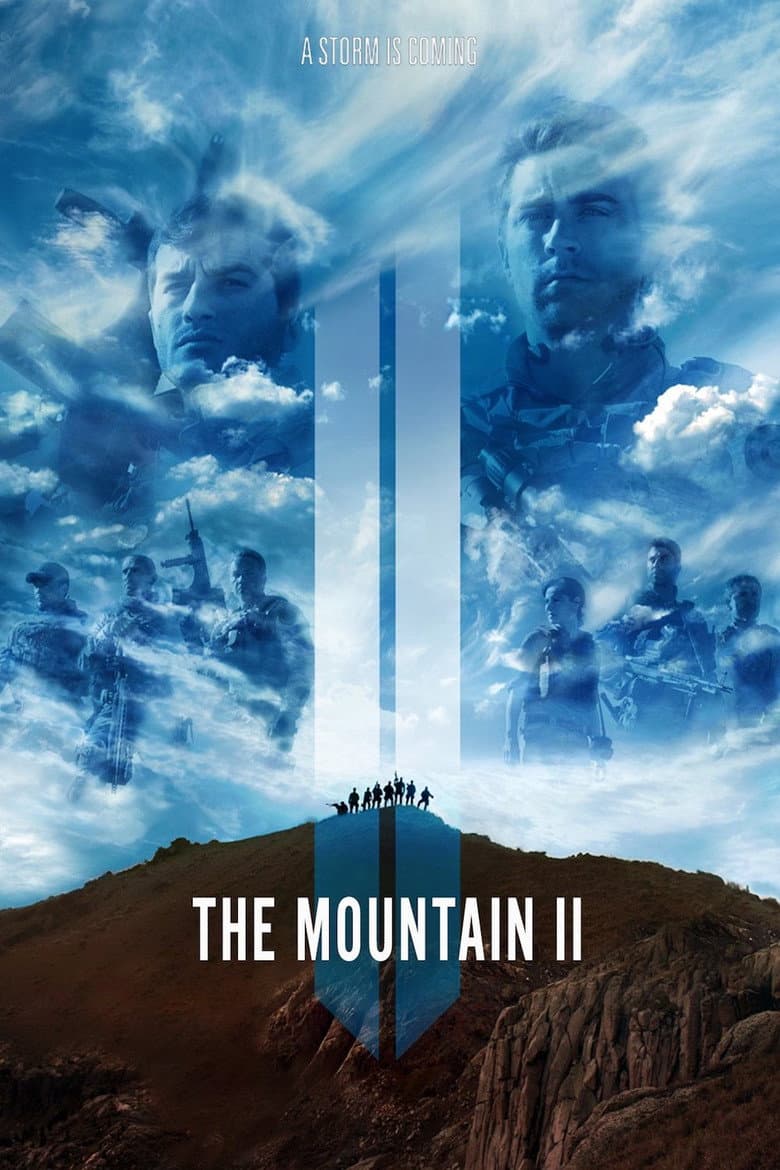
Movie · 2016
In a desolate war zone where screams of the innocent echo, on the very line between disaster and valor, 7 Maroon Berets will dance with death.
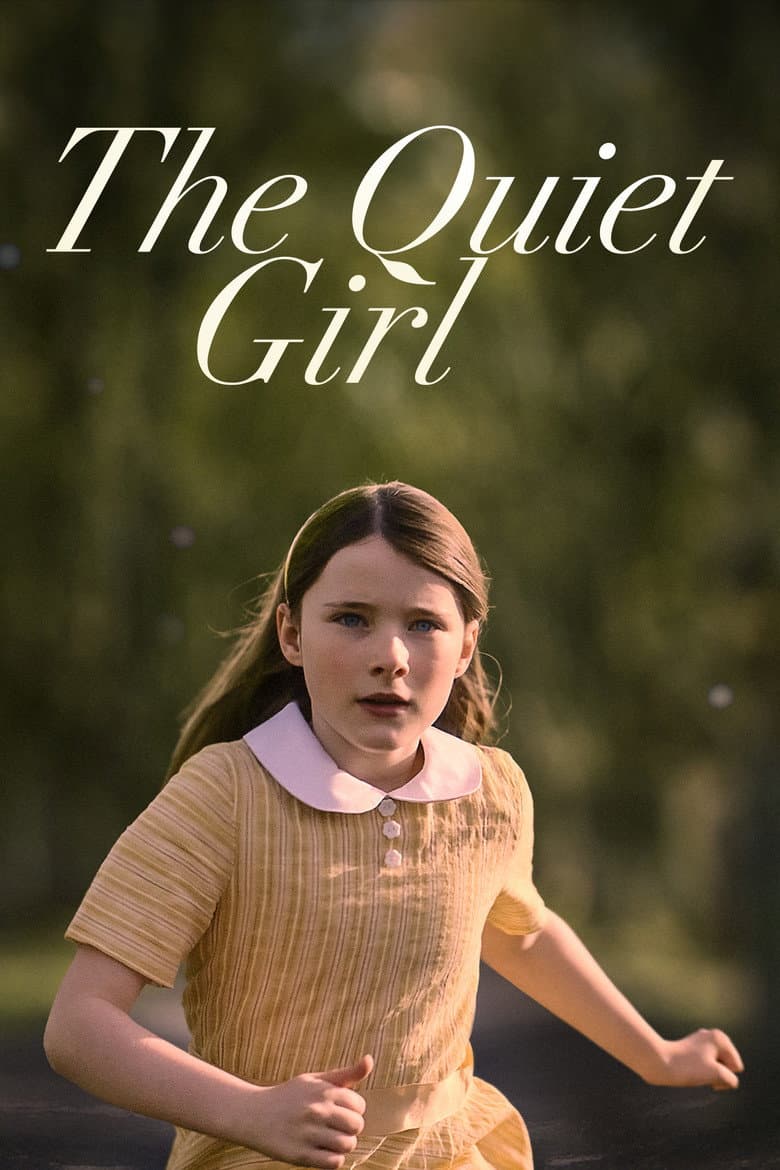
Movie · 2022
A quiet, neglected girl is sent away from her dysfunctional family to live with relatives for the summer. She blossoms in their care, but in this house where there are meant to be…
Movie · 2022
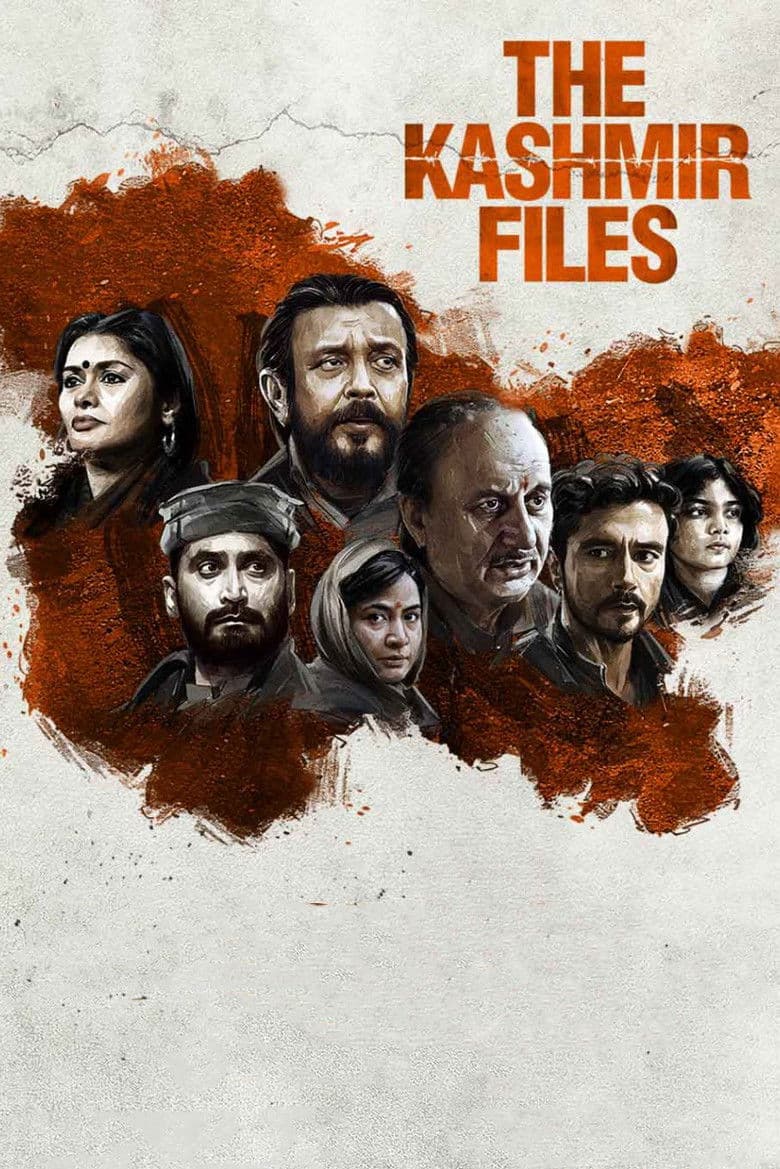
Based on a true tragedy, the emotionally triggering film sheds light on the plight of Kashmiri Pandits (Hindus), a religious minority in the 1990s Kashmir valley, who were…
Movie · 2019
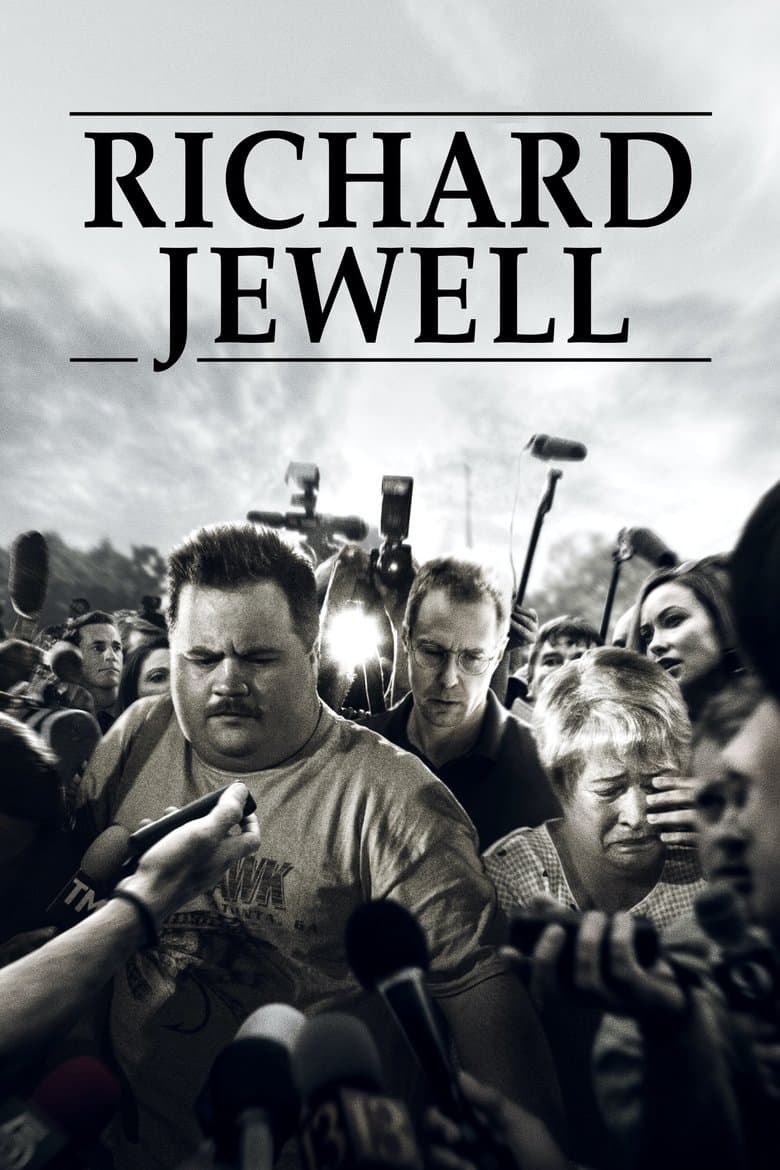
Richard Jewell thinks quick, works fast, and saves hundreds, perhaps thousands, of lives after a domestic terrorist plants several pipe bombs and they explode during a concert…
Movie · 2016
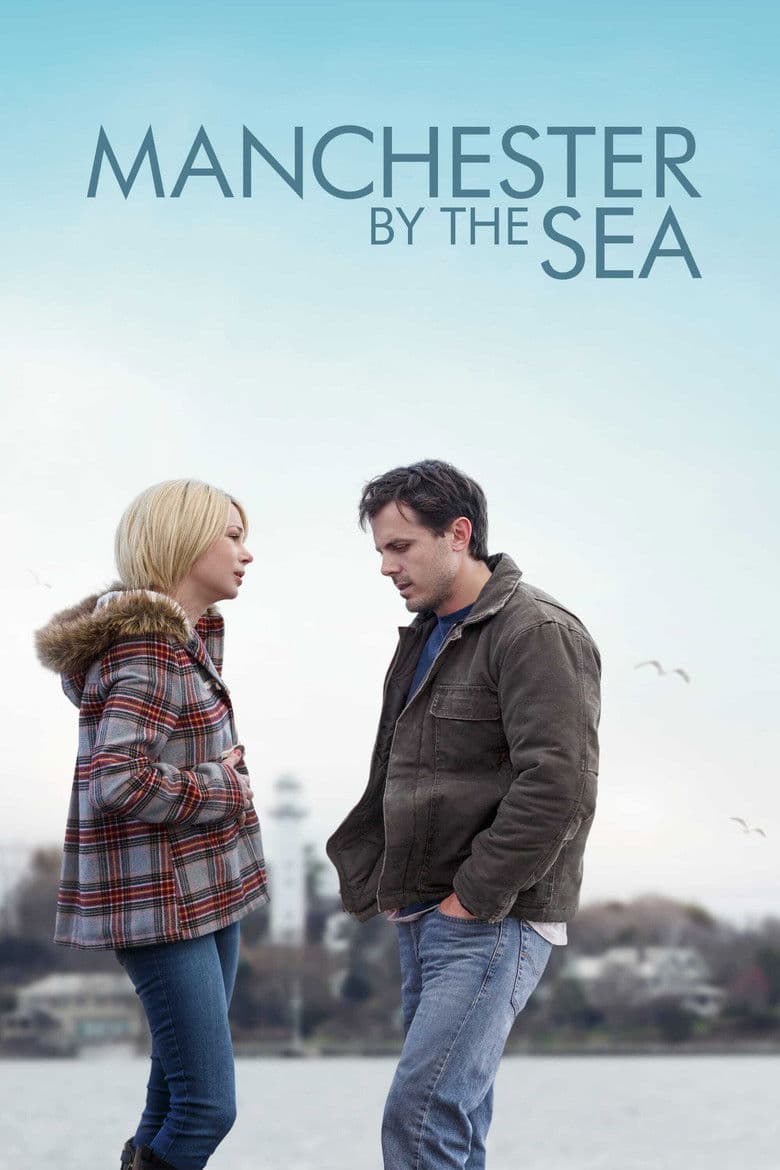
After his older brother passes away, Lee Chandler is forced to return home to care for his 16-year-old nephew.
Movie · 2023
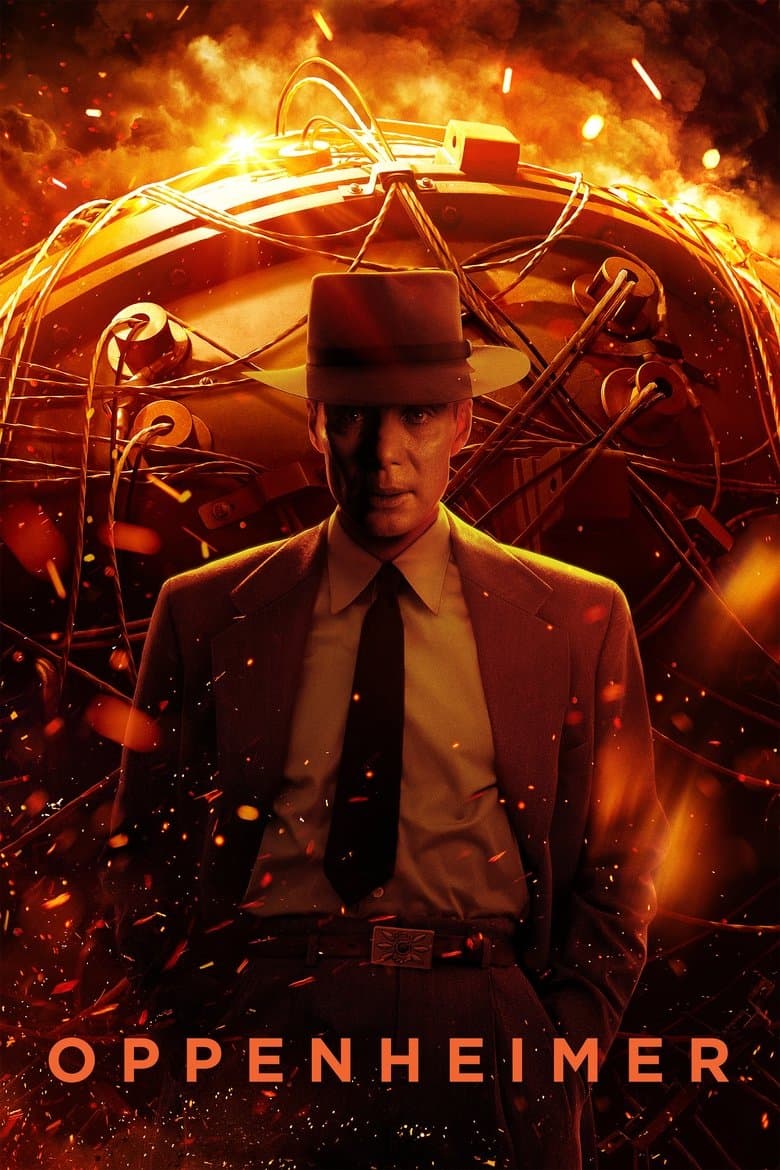
The story of J. Robert Oppenheimer's role in the development of the atomic bomb during World War II.
Movie · 2023
American ballet dancer Joy Womack is accepted into Moscow's infamously tough Bolshoi Ballet Academy, with the dream of becoming a great ballerina.
