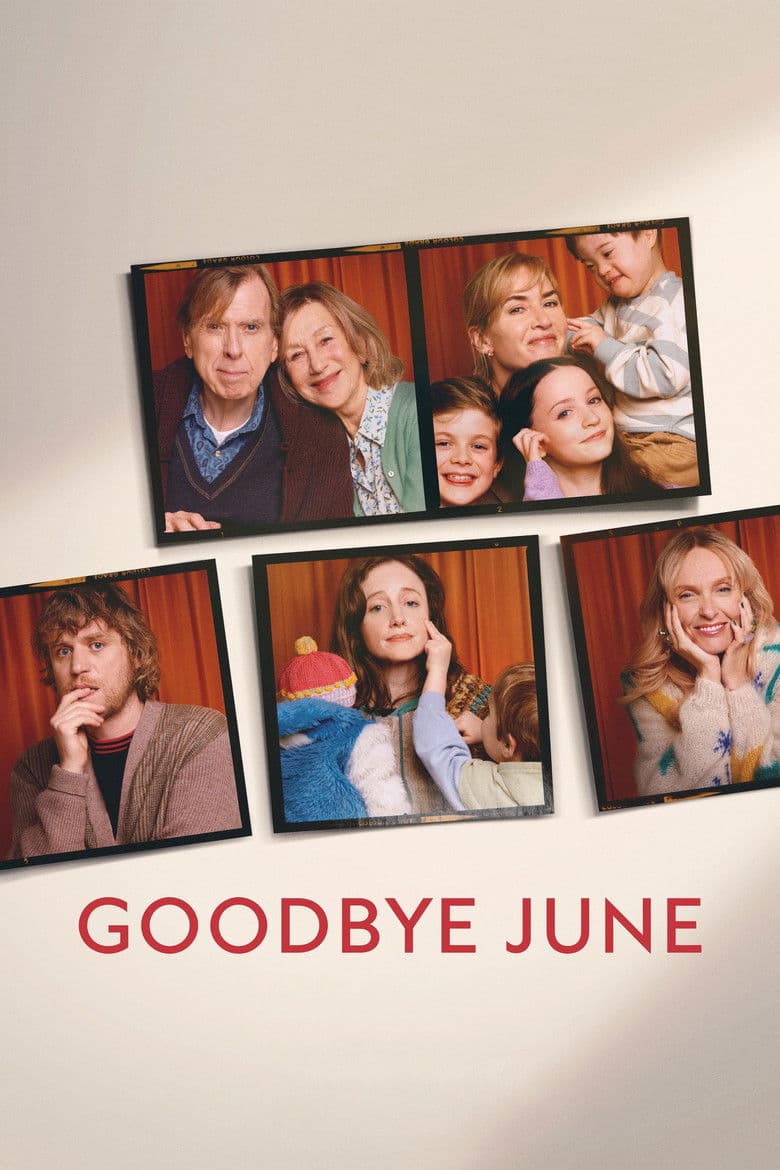
Goodbye June centers on June, a sharp and loving mother whose cancer has spread and left her with only two weeks to live. Her four grown children rush to the hospital before Christmas, but old anger and family habits make every visit hard. June tries to keep control of her last days while her husband and children learn how to face her death. The film has a sad, warm tone, with family jokes, tears, and a Christmas goodbye.
The film has a small but clear identity thread beside its main grief story. Connor is shown dating Angel, a black male nurse, one year later, and the family treats the relationship as ordinary. A grandchild with Down syndrome uses sign language, and Helen faces a late pregnancy, but neither part drives the main conflict. The story mainly supports family repair, forgiveness, love, and accepting death rather than politics or activist ideas.
Community feedback
Was our 22% Woke rating accurate?
Breakdown
These are the editorial factors and ratings behind our score for Goodbye June.
Woke representation / casting
The film centers its family on white parents and four white adult children. A black nurse named Angel has a visible supporting role and later becomes Connor’s partner. The present-day British hospital setting makes this casting mix plausible. The film does not frame the casting as a diversity campaign, so the signal stays low.
15%
Woke political dialogue
Not present. The family talks about grief, illness, care, and old anger. The film has no political or activist speeches.
0%
Identity-driven story themes
The film ends with Connor in a relationship with Angel, a black man, so ordinary LGBTQ+ representation is clearly present. The film treats their relationship as normal and gives it no political speech or conflict. The relationship is a brief closing thread, while grief and family repair remain the main story.
18%
Western institutional / cultural critique
Not present. The story shows family arguments and uneven care, but it does not attack men, religion, capitalism, or Western institutions as a modern political message.
0%
Woke character or canon changes
Not relevant. The film is an original family drama with no established characters, canon, or real historical events to change.
0%
Anti-woke backlash and complaints
Several small X accounts complained that Netflix added a final gay reveal involving Connor and a black boyfriend. One small account called the casting and extra storylines “DEI run amok.” The search found no large right-leaning accounts, boycott calls, major outlet campaign, or review-bombing push. The backlash is fringe and the complaints show reaction, not proof that the film was made as agenda content.
15%
Creator track record context
Kate Winslet has a moderate public record of speaking against Hollywood homophobia, sexism, body shaming, and abuse. Joe Anders has no high-confidence public record of activist or DEI-focused work. The film’s own interviews describe a personal but universal story about family, death, love, and hope. The other listed producers and casting director have no strong public activist profile, so the context remains limited.
32%
Production
Movie · 2016
WWII American Army Medic Desmond T. Doss, who served during the Battle of Okinawa, refuses to kill people and becomes the first Conscientious Objector in American history to…
Movie · 2019
Richard Jewell thinks quick, works fast, and saves hundreds, perhaps thousands, of lives after a domestic terrorist plants several pipe bombs and they explode during a concert…

Movie · 2016
After his older brother passes away, Lee Chandler is forced to return home to care for his 16-year-old nephew.
Movie · 2025
Diagnosed with Tourette Syndrome at 15, John Davidson navigates his way against the odds through troubled teenage years and into adulthood, finding inspiration in the kindness of…

Movie · 2024
On the brink of the Second World War, a young Norwegian man's drive to resist the Nazis sets a new course for his future – and the future of his country.
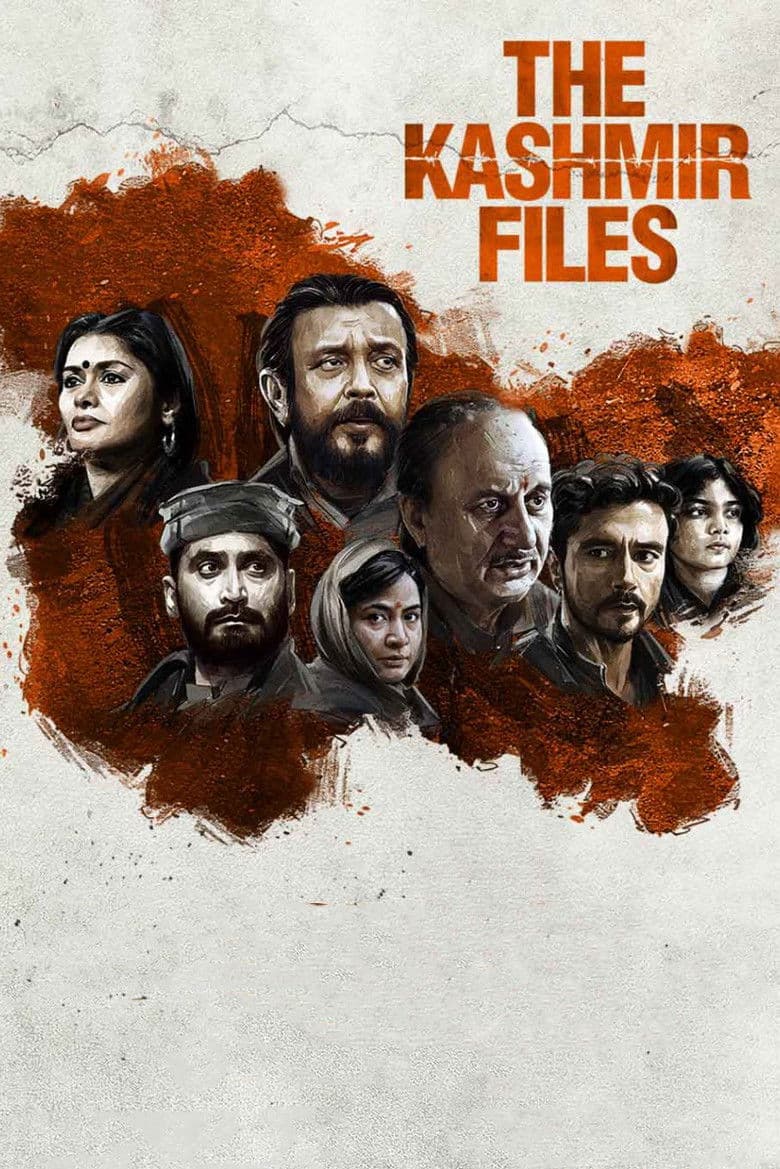
Movie · 2022
Based on a true tragedy, the emotionally triggering film sheds light on the plight of Kashmiri Pandits (Hindus), a religious minority in the 1990s Kashmir valley, who were…
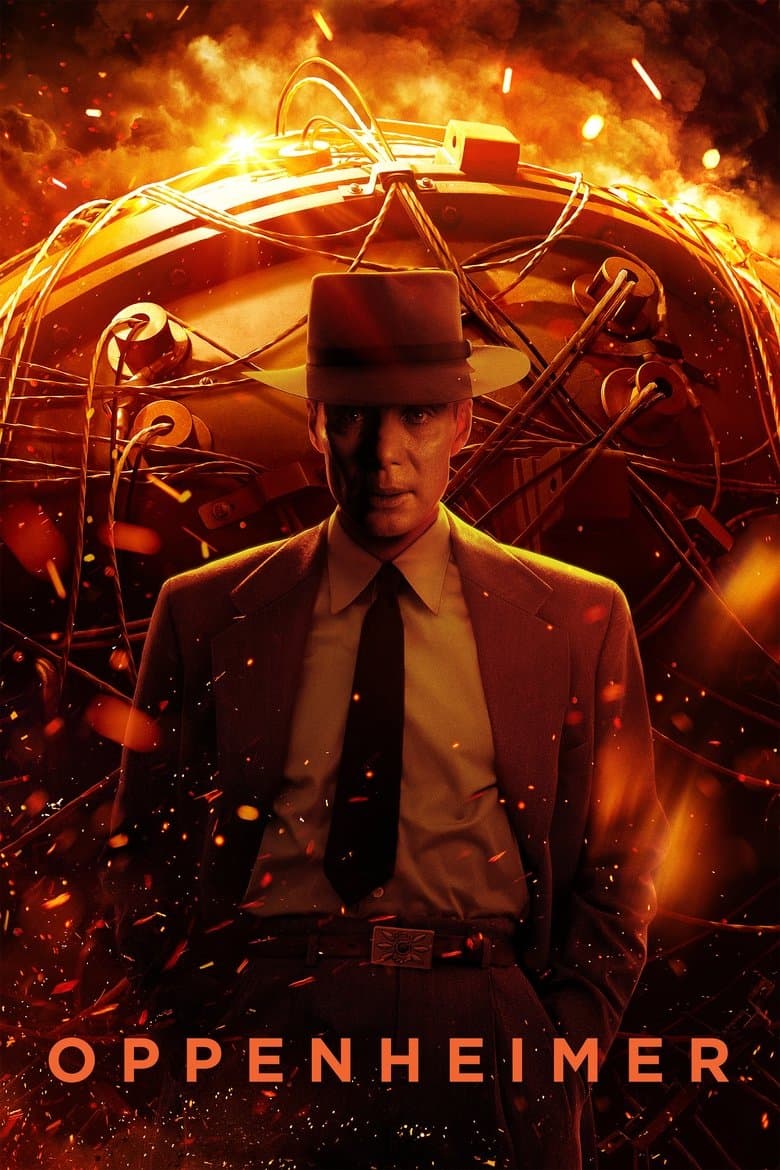
Movie · 2023
The story of J. Robert Oppenheimer's role in the development of the atomic bomb during World War II.
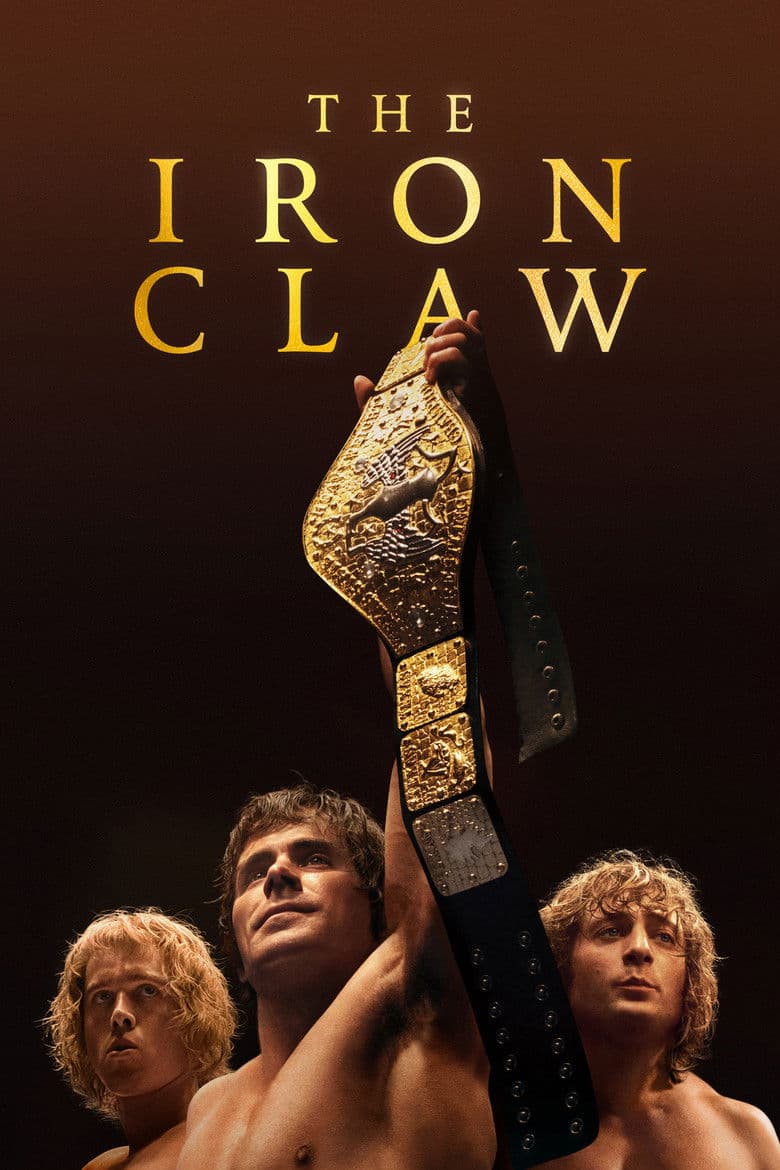
Movie · 2023
The true story of the inseparable Von Erich brothers, who made history in the intensely competitive world of professional wrestling in the early 1980s.
