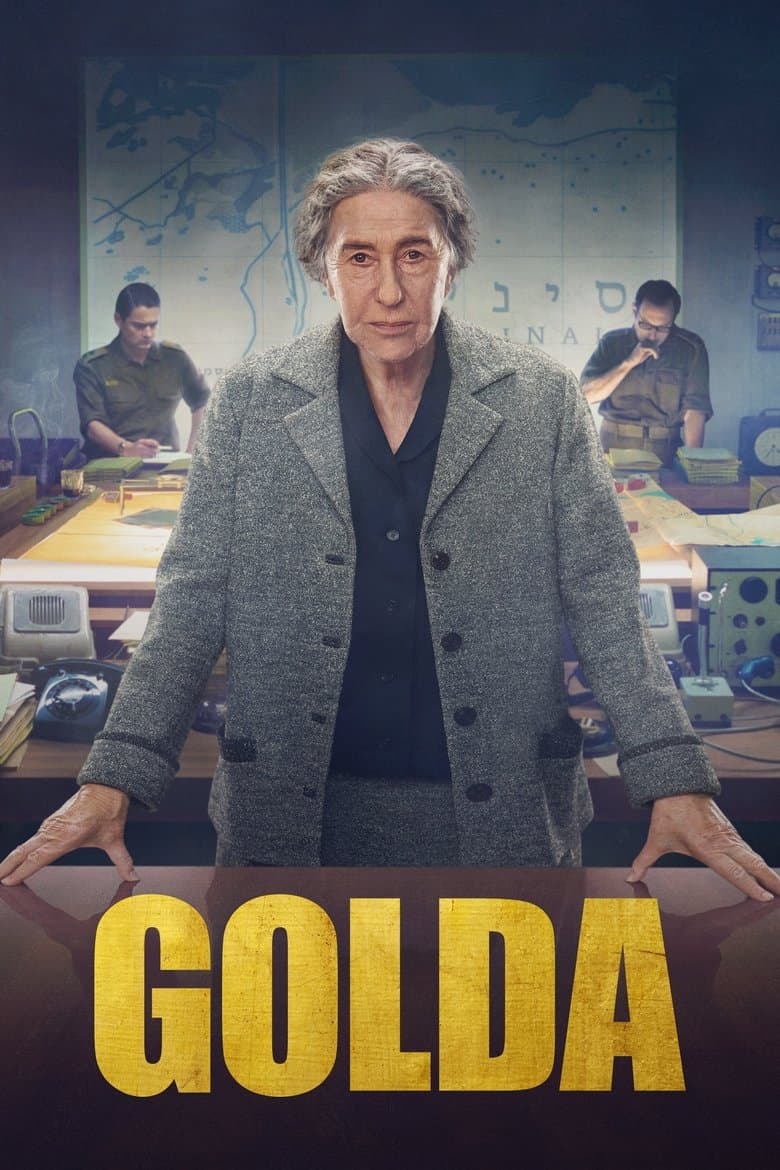
Golda follows Israeli Prime Minister Golda Meir during the nineteen days of the Yom Kippur War in 1973. Egypt and Syria attack on a Jewish holy day, and Israeli forces suffer heavy losses before pushing back. Golda must judge mixed reports, manage angry generals, and press Henry Kissinger for American help while she secretly receives cancer treatment. The film stays mostly in offices, war rooms, bunkers, and hospital rooms, so the mood is tense, smoky, and grim.
Golda is shown as a hard and caring leader who carries the weight of dead and missing soldiers. The story also asks whether she was blamed more harshly because she was a woman in a government led by men. It presents her as a powerful decision maker, but it also shows fear, illness, doubt, and the cost of her choices. Its main ideas are national survival, military failure, Jewish memory, the price of war, and the hope that old enemies can reach peace.
Community feedback
Was our 33% Woke rating accurate?
Breakdown
These are the editorial factors and ratings behind our score for Golda.
Woke representation / casting
Helen Mirren is a non-Jewish British actress playing Golda Meir, an iconic Jewish Israeli leader. Her heavy prosthetic makeup made the choice more visible, and the casting caused a public debate about who should play Jewish roles. The movie does not build a wide diversity message, so this is a single prominent casting issue.
25%
Woke political dialogue
Not present. The film has many lines about war, national safety, American support, and peace. Those lines do not push modern identity, DEI, or activist ideas.
0%
Identity-driven story themes
Golda's story centers on a woman leading Israel through a national emergency while older male generals and ministers surround her. The film shows her making the final calls, protecting her country, and carrying blame for failures around her. The story links that blame to the unfair treatment of a woman in a male-led system. Golda also has fear, illness, doubt, and moral cost, so the film is not a simple perfect female hero portrait.
38%
Western institutional / cultural critique
Not present. The film shows mistakes by male generals and a male-led cabinet, but those failures belong to the 1973 war story. It does not turn them into a modern attack on men, family life, religion, or Western institutions.
0%
Woke character or canon changes
Not relevant. The film keeps Golda Meir's real gender, Jewish identity, and role as Israel's prime minister. It shortens her life story and changes the focus of events, but it does not change her identity or role.
0%
Anti-woke backlash and complaints
Not present. The reported anti-woke reaction is fringe and does not target the film as woke. One small X account praised it as an exception to woke movies, and another called the Jewface critics woke, but neither attacked Golda for pushing identity politics. Most identity-based complaints came from pro-DEI or left-leaning critics and focused on casting or the film's treatment of Palestinians.
0%
Creator track record context
Guy Nattiv's work repeatedly addresses racism, antisemitism, political violence, and resistance to oppression. His public comments about Golda stress a woman taking blame while male leaders avoided it. Producer Julie Goldstein has a stronger identity-focused record through films about LGBTQ rights, racism, and gender inequality. Nicholas Martin and most other producers have little public activist history, so the context is moderate rather than dominant.
40%
Production

Movie · 2025
A logger leads a life of quiet grace as he experiences love and loss during an era of monumental change in early 20th-century America.
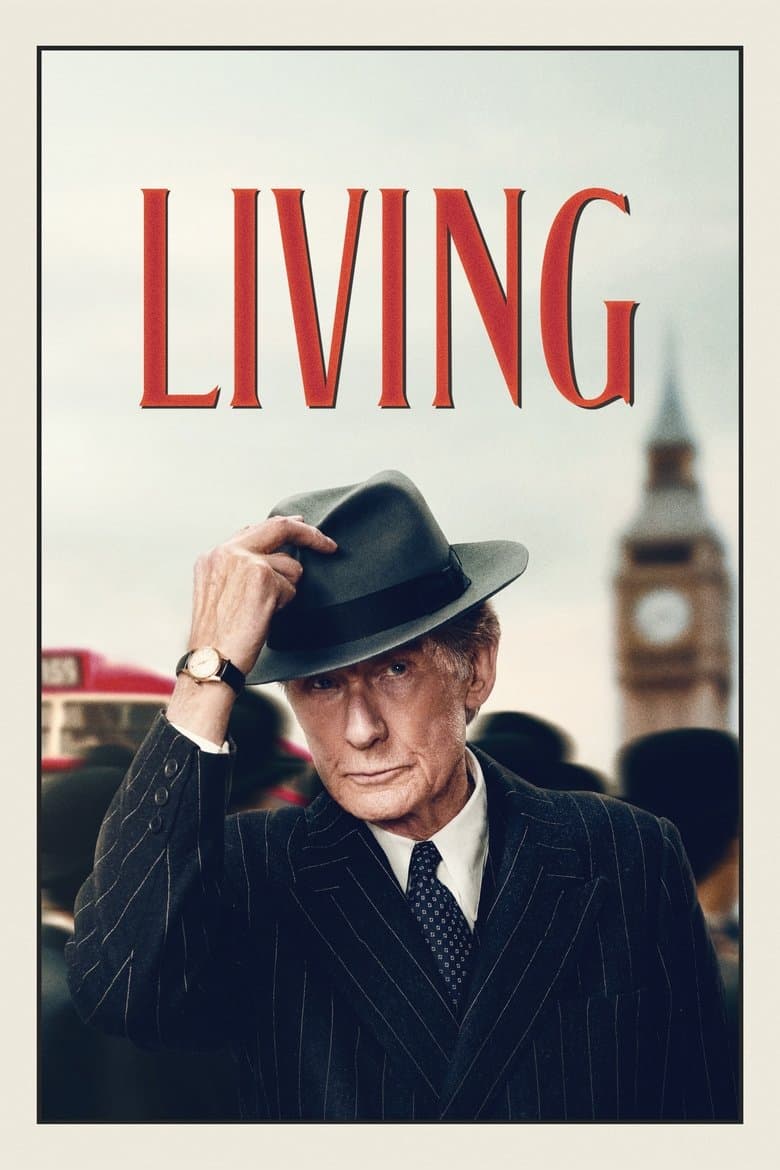
Movie · 2022
London, 1953. Mr. Williams, a veteran civil servant, is an important cog within the city's bureaucracy as it struggles to rebuild in the aftermath of World War II.
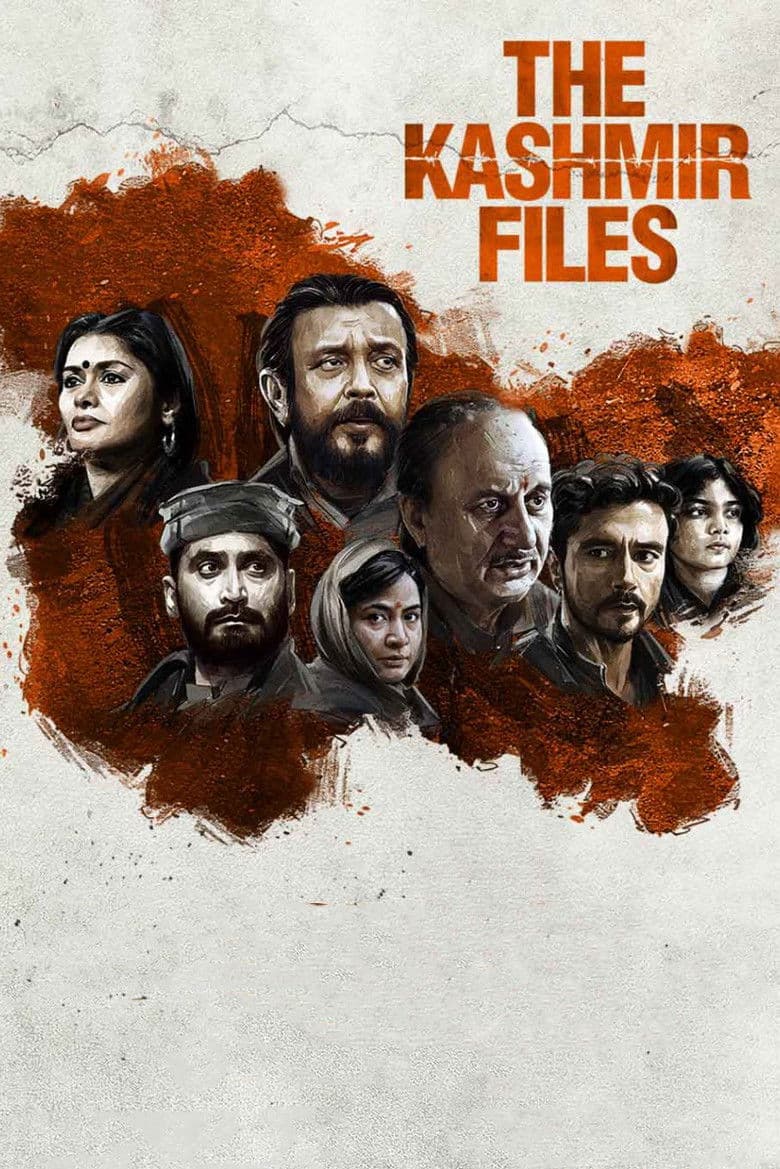
Movie · 2022
Based on a true tragedy, the emotionally triggering film sheds light on the plight of Kashmiri Pandits (Hindus), a religious minority in the 1990s Kashmir valley, who were…
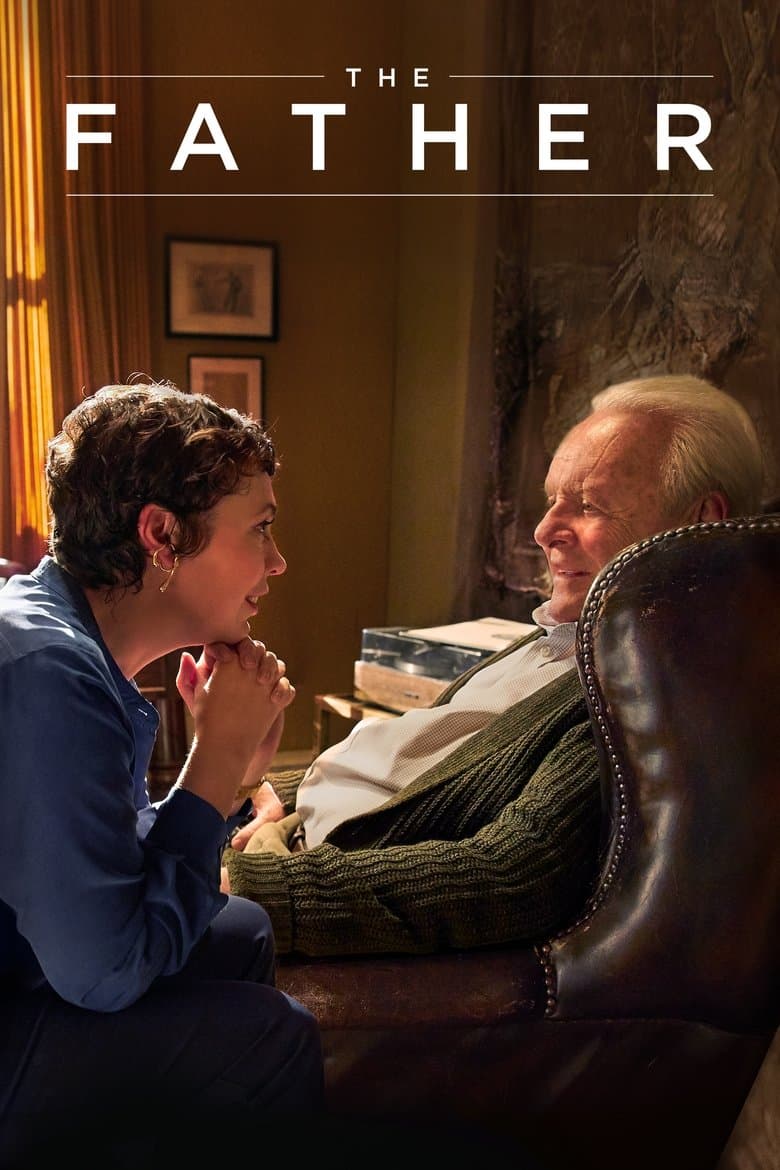
Movie · 2020
A man refuses all assistance from his daughter as he ages and, as he tries to make sense of his changing circumstances, he begins to doubt his loved ones, his own mind and even…
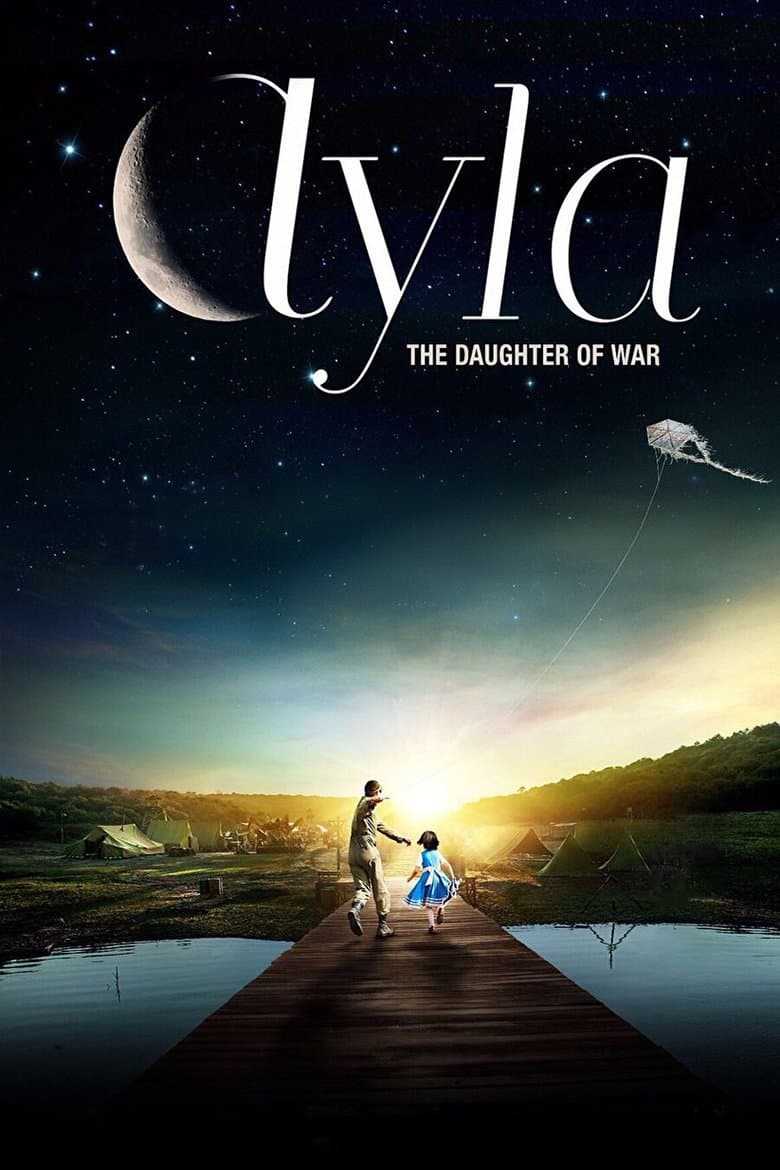
Movie · 2017
In 1950, amidst the ravages of the Korean War, Sergeant Süleyman stumbles upon a a half-frozen little girl, with no parents and no help in sight and he risks his own life to save…
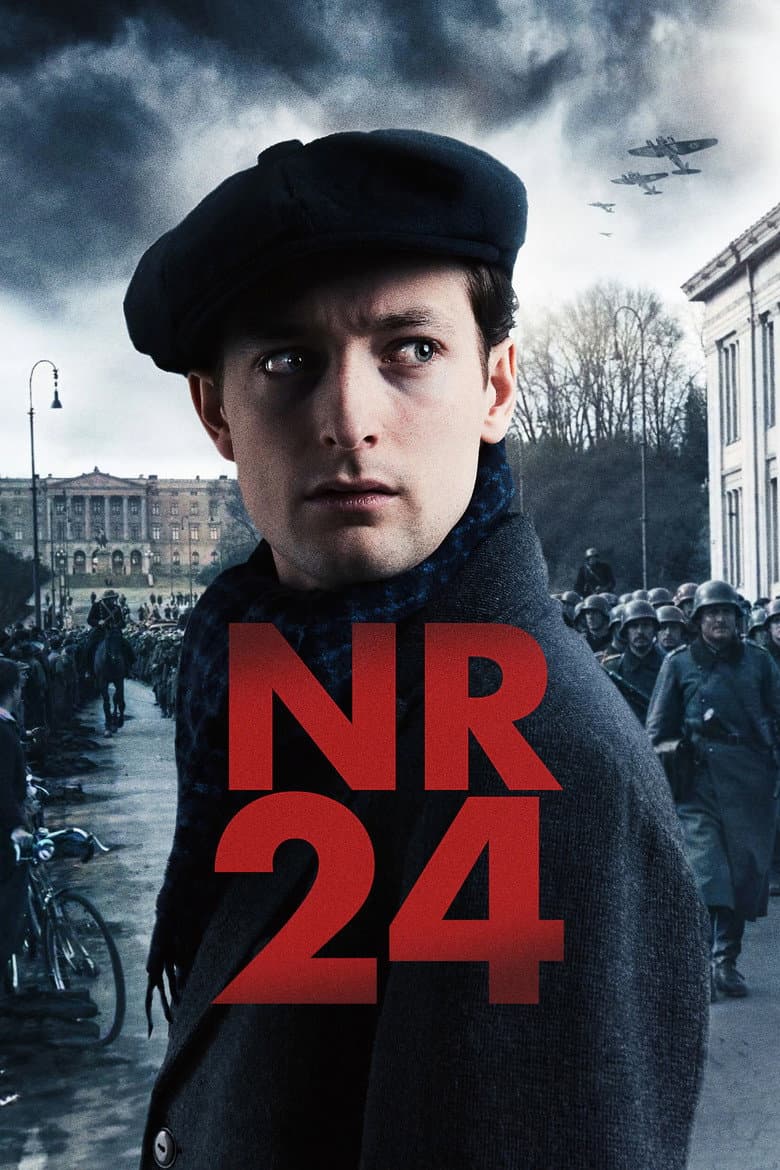
Movie · 2024
On the brink of the Second World War, a young Norwegian man's drive to resist the Nazis sets a new course for his future – and the future of his country.

Movie · 2016
After his older brother passes away, Lee Chandler is forced to return home to care for his 16-year-old nephew.
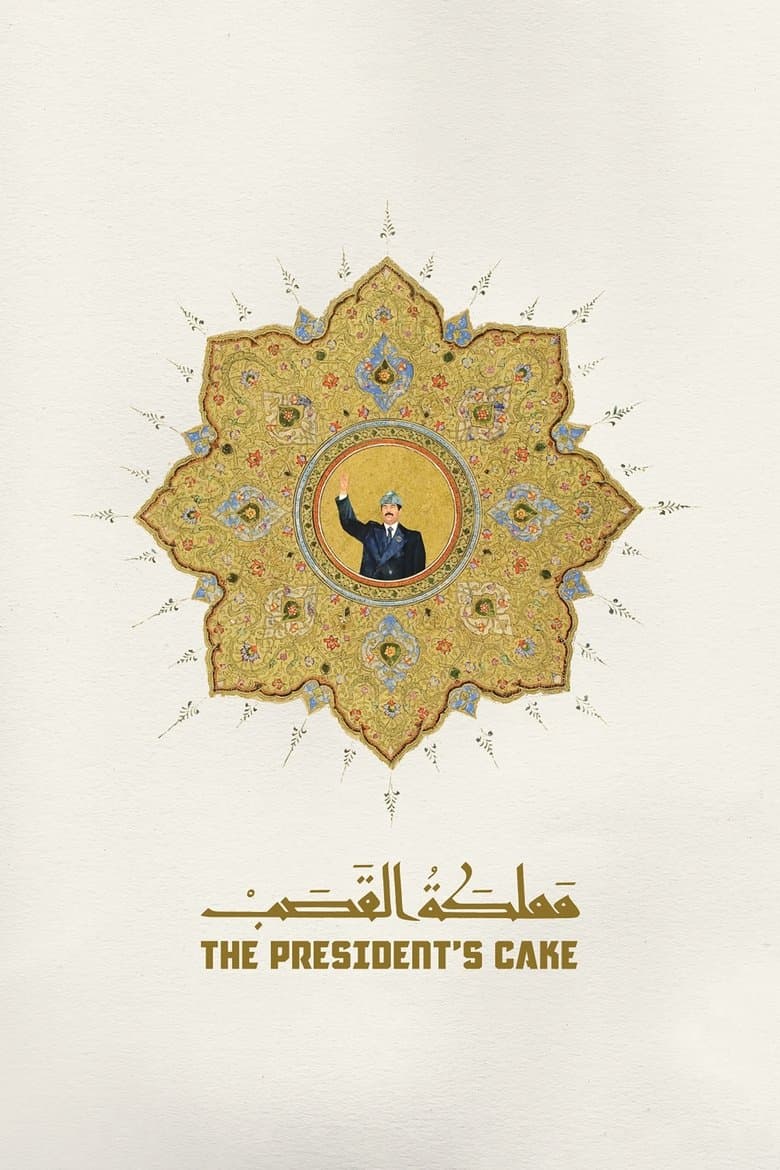
Movie · 2026
While people across 1990s Iraq struggle to survive the war and food shortages, Saddam Hussein requires each school in the country to prepare a cake to celebrate his birthday.
