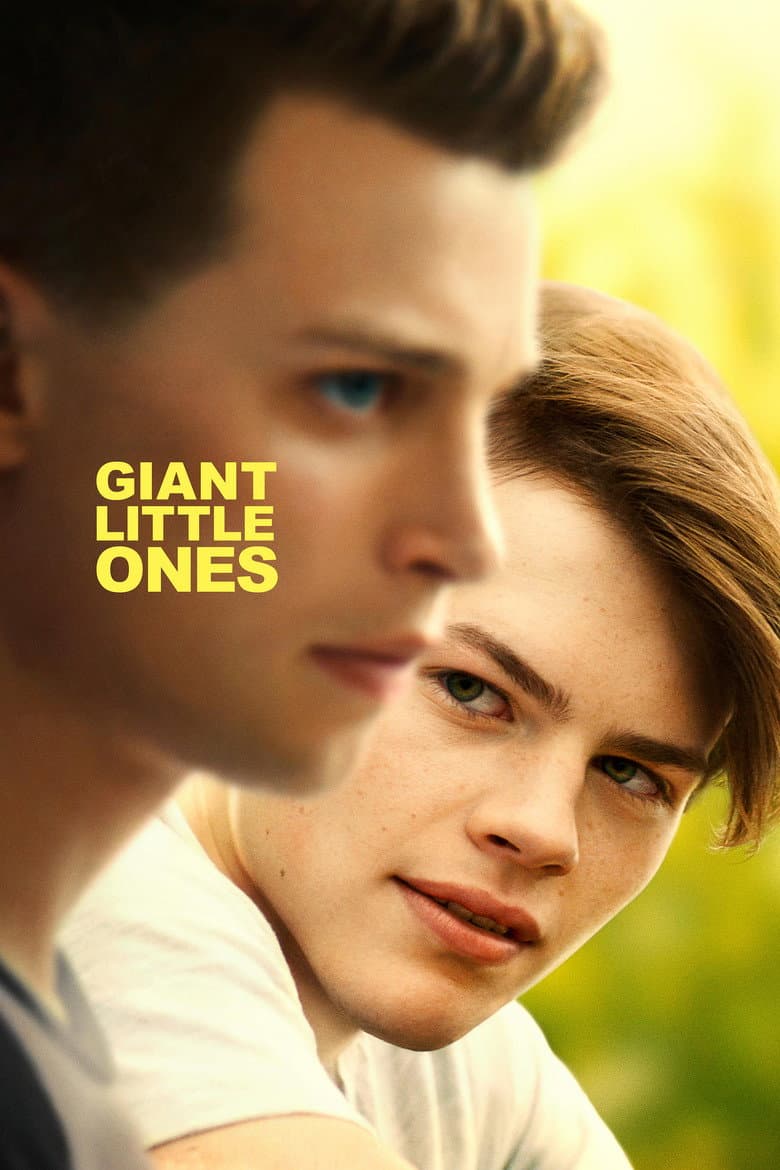
Franky Winter is a popular high school swimmer in suburban Canada. He and his lifelong friend Ballas Kohl have girlfriends, a close bond, and a strong place at school. After a sexual encounter at Franky’s 17th birthday party, Ballas turns on him and spreads a damaging story. Franky loses friends, faces bullying, and pulls away from his father while the drama moves between tense fights, sexual confusion, and quiet family talks.
Sexual and gender identity drive nearly every major turn in the story. Franky and Ballas are not given fixed labels, and Ray tells Franky that he can follow his feelings without naming them at once. Ray is openly gay, while Mouse is a gender-questioning friend who explores a more masculine way to present herself. Franky also grows close to Natasha, a girl shamed after a past sexual assault, and that relationship tests his wish to look straight. The story presents homophobia and pressure on boys to act straight as harmful forces, then ends by favoring openness and self-definition over fixed ideas about sexuality.
Community feedback
Was our 76% Woke rating accurate?
Breakdown
These are the editorial factors and ratings behind our score for Giant Little Ones.
Woke representation / casting
Most major characters are white teenagers and parents, and the film does not advertise a diversity-first cast. The film places a gay father, two sexually questioning boys, and a gender-questioning friend in visible roles. Those identity choices are central to the plot and have clear story reasons, so the casting signal is limited. No race, gender, or disability pattern appears to be used as a quota-style message.
24%
Woke political dialogue
The father gives Franky direct advice about following attraction and not needing a label. Other scenes include talk about homophobia, proving straightness, and pressure to fit a gender role. The dialogue appears in a few key scenes rather than across the whole movie.
32%
Identity-driven story themes
The story centers on two boys who have a sexual encounter and then struggle with shame, fear, and attraction. Franky questions whether he is straight, gay, or something else, while the film refuses to settle the answer. Ray supports an open view of sexuality, and Mouse explores gender and sexual expression without a firm label. The ending treats self-definition and fluid desire as the healthy answer to pressure from peers and family.
88%
Western institutional / cultural critique
The school and swim team reward boys for acting tough and straight. Ballas uses rumors and violence to protect his image, and the story connects that behavior to homophobia and fear. Franky’s parents and Ray’s same-sex relationship challenge the idea that a family must follow a traditional pattern. The movie does not attack religion, capitalism, or a Western institution in a broad way.
50%
Woke character or canon changes
Not relevant. The movie is an original story. It does not change an established character, book, historical person, or real event.
0%
Anti-woke backlash and complaints
Not present. No specific anti-woke or right-leaning complaint was found in the reviewed coverage or the separate X pass. Other comments praised the film or criticized its plot and handling of the assault rumor.
0%
Creator track record context
Keith Behrman has a repeated focus on sexuality, masculinity, stigma, and fixed identity labels, and this film directly follows that pattern. Maria Bello has a public women’s-rights and identity-focused record. Lauren Grant has built a company around women and underrepresented talent, while most other listed producers and casting staff have little public activist evidence. The strongest creator signal comes from Behrman and the film’s subject.
62%
Production
Movie · 2023
The true story of the inseparable Von Erich brothers, who made history in the intensely competitive world of professional wrestling in the early 1980s.
Movie · 2016
WWII American Army Medic Desmond T. Doss, who served during the Battle of Okinawa, refuses to kill people and becomes the first Conscientious Objector in American history to…
Movie · 2016
On 15 January 2009, the world witnessed the 'Miracle on the Hudson' when Captain 'Sully' Sullenberger glided his disabled plane onto the Hudson River, saving the lives of all 155…
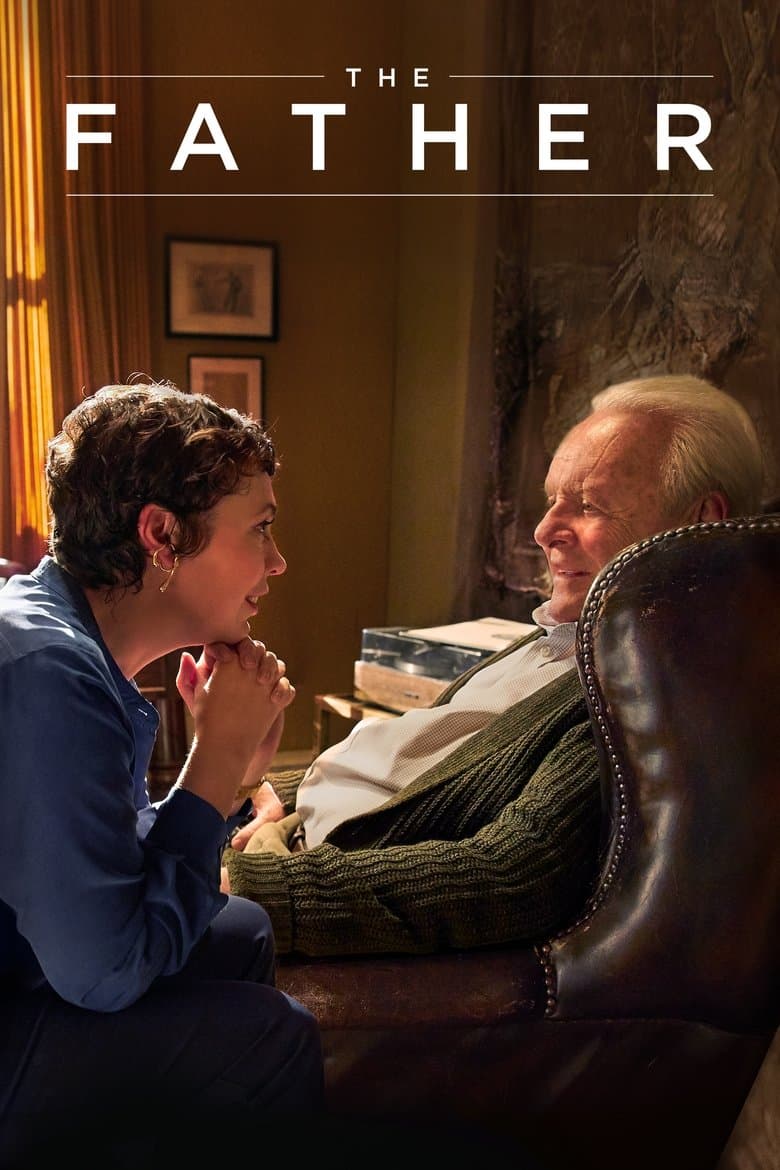
Movie · 2020
A man refuses all assistance from his daughter as he ages and, as he tries to make sense of his changing circumstances, he begins to doubt his loved ones, his own mind and even…
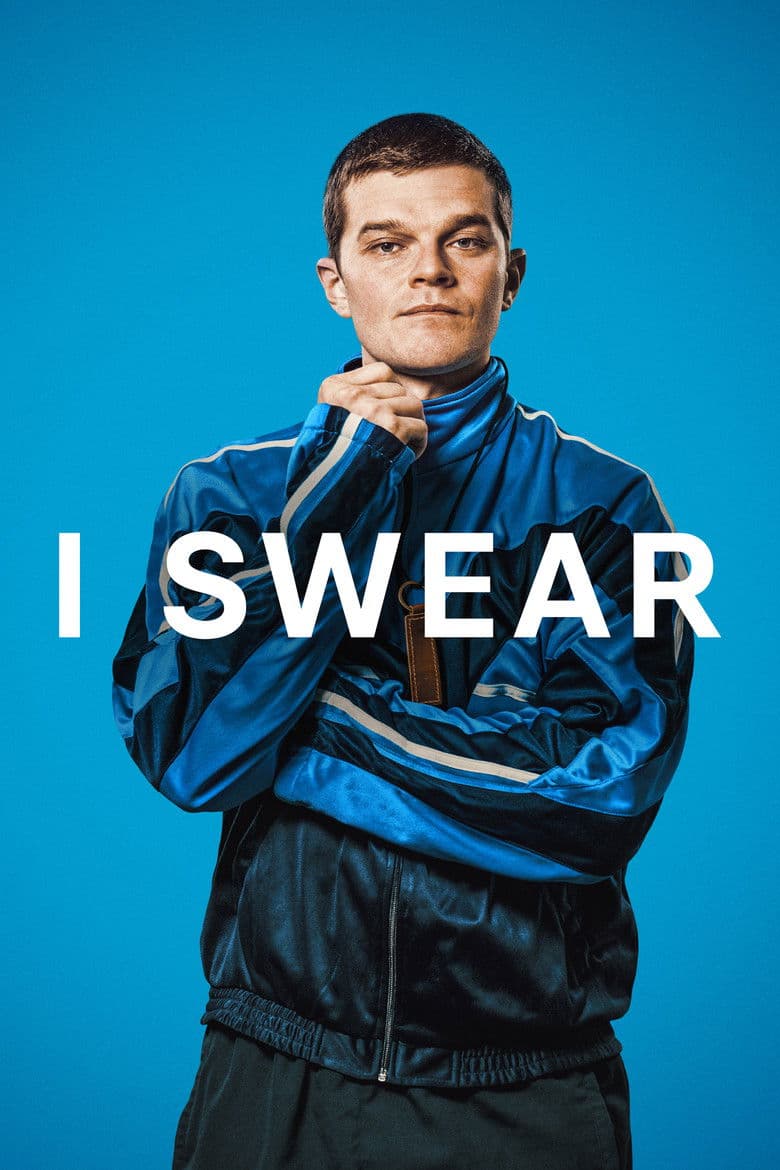
Movie · 2025
Diagnosed with Tourette Syndrome at 15, John Davidson navigates his way against the odds through troubled teenage years and into adulthood, finding inspiration in the kindness of…
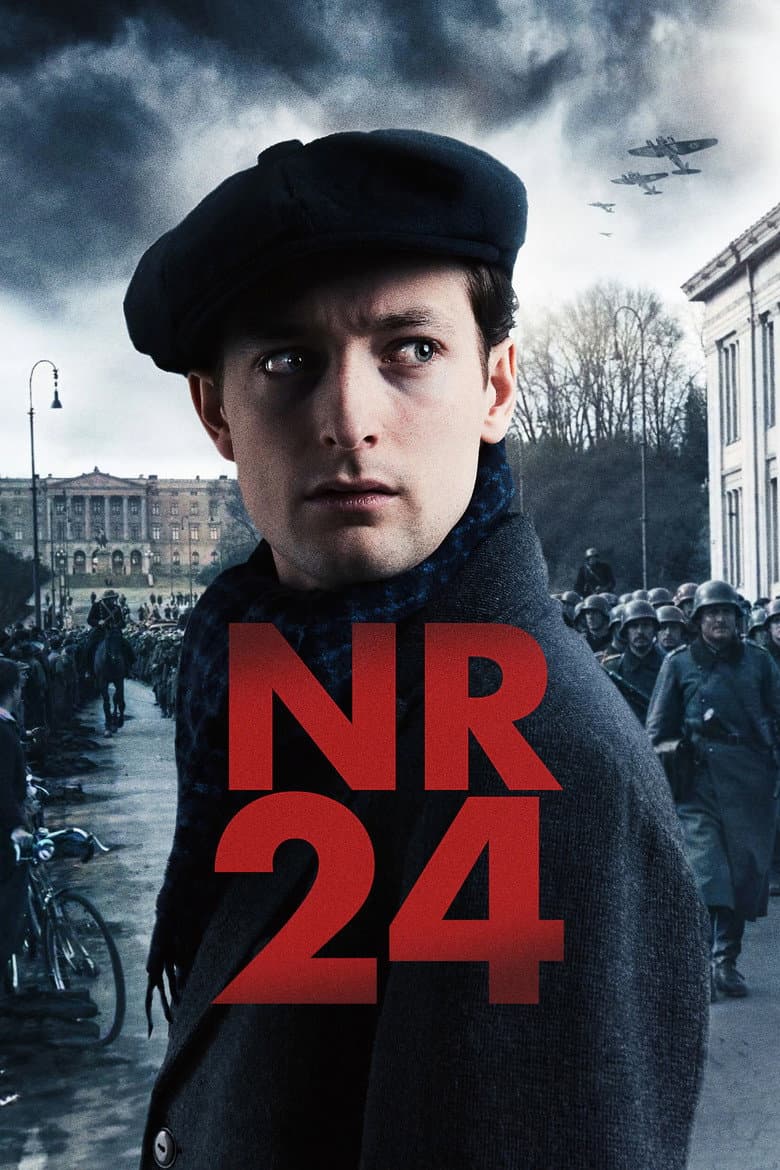
Movie · 2024
On the brink of the Second World War, a young Norwegian man's drive to resist the Nazis sets a new course for his future – and the future of his country.
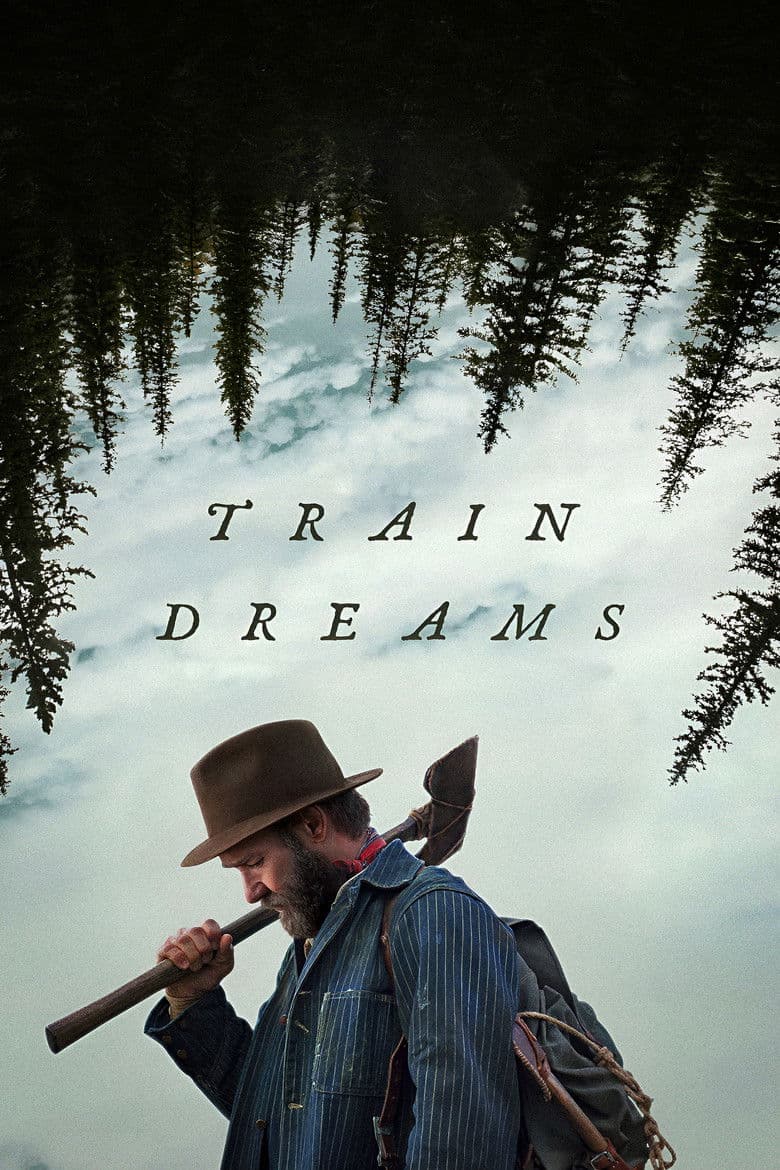
Movie · 2025
A logger leads a life of quiet grace as he experiences love and loss during an era of monumental change in early 20th-century America.

Movie · 2016
After his older brother passes away, Lee Chandler is forced to return home to care for his 16-year-old nephew.
