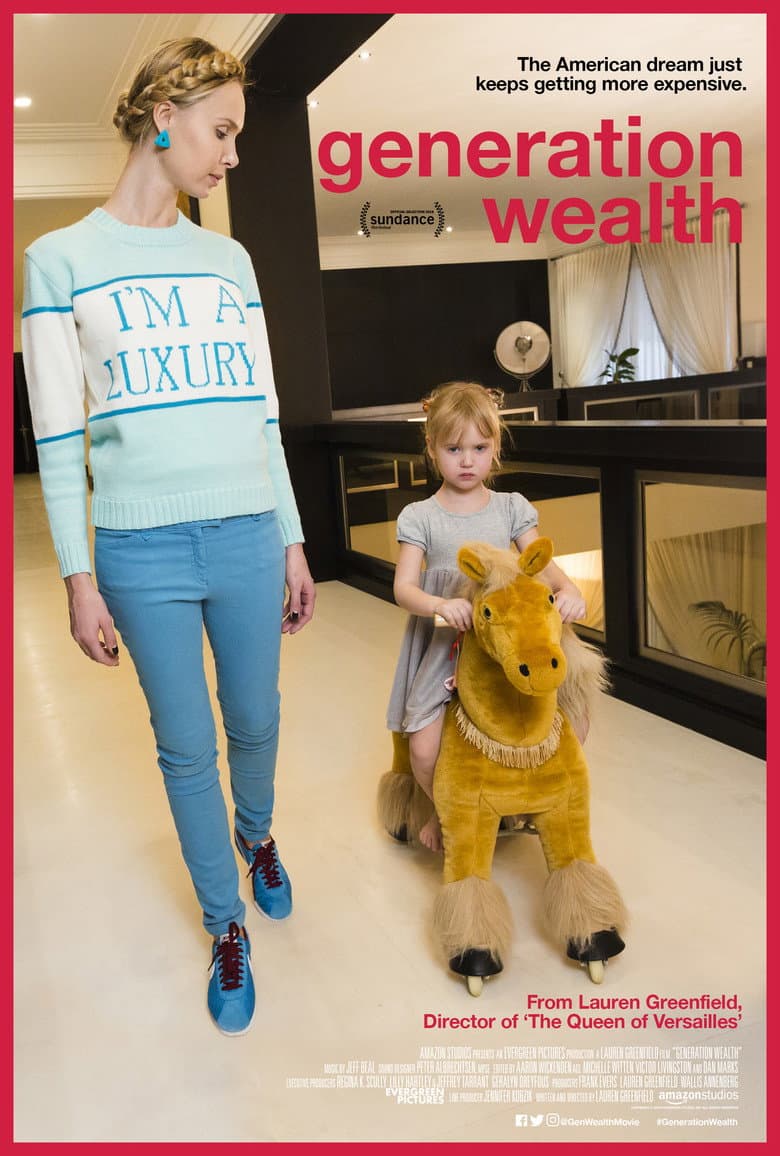
Lauren Greenfield guides this documentary through 25 years of photographs and interviews about people chasing wealth, fame, beauty, and status. The film moves from Los Angeles and Las Vegas to Iceland, Russia, and other places shaped by the same money culture. Its subjects include a former hedge-fund manager, a child beauty-pageant contestant, a porn star, a banker, and Greenfield’s own family. The conflict comes from the gap between the rich life people show and the pain, debt, broken families, and empty lives behind it, giving the film a flashy, dark, and uneasy tone.
The strongest woke elements come from the film’s repeated attack on consumer capitalism, the American Dream, and the systems that turn money, beauty, sex, and fame into measures of human worth. Greenfield also links female beauty standards and the male gaze to pressure on women’s bodies, work, aging, and motherhood. Chris Hedges and Greenfield present capitalism as a force that damages real culture, family ties, and the planet, while Trump appears as a product of this culture. These ideas are woven through the film’s main argument, but the documentary focuses more on greed and materialism than on race, sexuality, or formal identity politics.
Community feedback
Was our 53% Woke rating accurate?
Breakdown
These are the editorial factors and ratings behind our score for Generation Wealth.
Woke representation / casting
Not present. The film follows real people chosen for their experiences with wealth, beauty, work, and status. It does not present fictional casting as a diversity or identity statement.
0%
Woke political dialogue
Greenfield repeatedly presents consumer capitalism as an addictive force that harms families, communities, and the planet. Chris Hedges adds direct comments about capitalism destroying real culture. The film links Donald Trump to the culture it studies and uses the 2016 election as part of that argument. The dialogue is political and activist in tone, but it focuses more on money and consumer life than on race or sexuality.
42%
Identity-driven story themes
The film repeatedly shows girls and women judged through beauty, sexuality, aging, body shape, and career success. Mijanou describes how the male gaze shaped her worth, while other women face surgery, pornography, pageants, or pressure around work and motherhood. The film connects these pressures to wider ideas about gender and power. This thread is important, but wealth obsession remains the main subject.
48%
Western institutional / cultural critique
The film treats consumer capitalism, the American Dream, advertising, social media, and status culture as forces that shape people’s choices. Greenfield presents wealth worship as damaging to families, communities, and the planet. Chris Hedges says capitalism has weakened real culture, and the film presents Trump as a product of this wider culture. The critique is broad and repeated, but it does not center on Christianity or traditional family values.
50%
Woke character or canon changes
Not relevant. The film is a documentary about real interview subjects and the director’s family. It does not adapt established fictional characters or change historical figures for identity reasons.
0%
Anti-woke backlash and complaints
Not present. No clear anti-woke backlash is widely reported. Negative reviews and viewer posts mainly call the film scattered, self-focused, or too hard on wealth and younger people. Those complaints do not clearly describe the film as a DEI or identity-politics project.
0%
Creator track record context
Lauren Greenfield’s cached creator score is 68/100. Her work often examines gender, beauty standards, body image, consumer culture, and class pressure. Several cached producers have strong records in social justice, gender equality, and representation-focused films. This gives the project a clear social-issue background.
52%
Production
Movie · 2016
After being denied access to the Church of Scientology's headquarters, documentarian Louis Theroux teams up with ex-Scientology official Marty Rathbun to stage re-enactments of…
Movie · 2016
No other band in rock'n'roll history has rivaled The Stooges' combination of heavy primal throb, spiked psychedelia, blues-a-billy grind, complete with succinct angst-ridden…
Movie · 2021
This documentary offers a deeply intimate look at extraordinary teenager Billie Eilish. Award-winning filmmaker R.J.
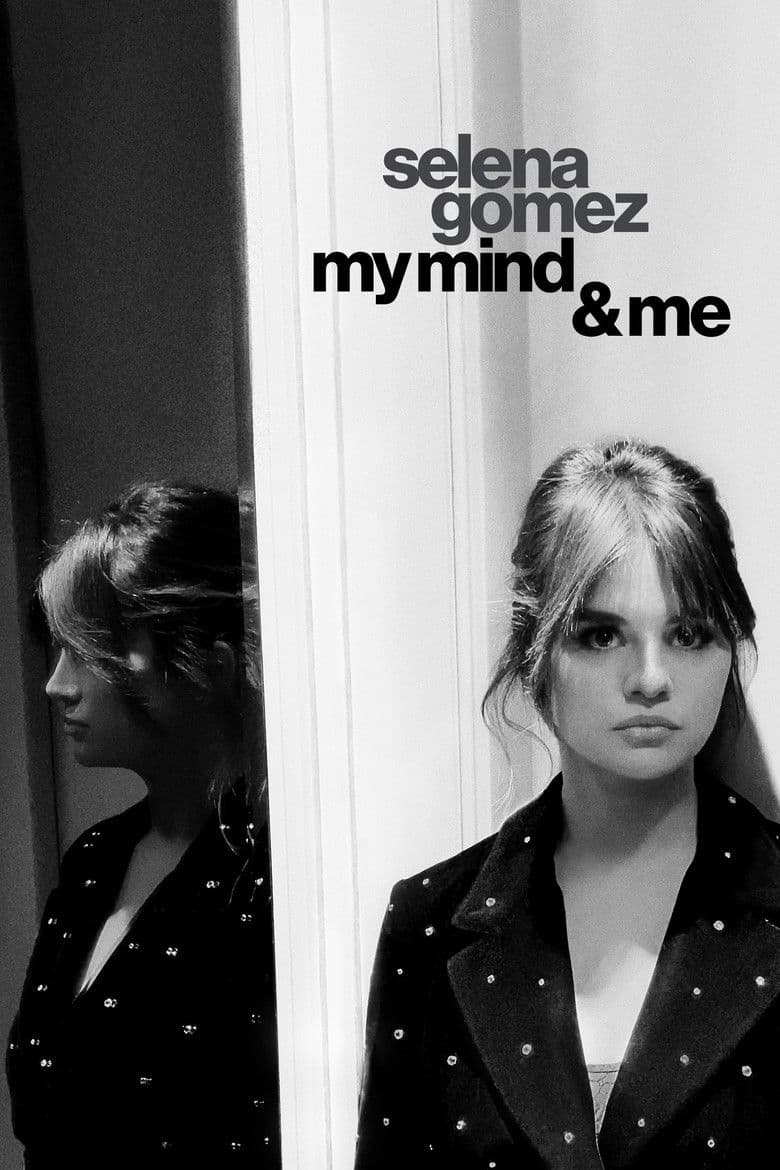
Movie · 2022
After years in the limelight, Selena Gomez achieves unimaginable stardom. But just as she reaches a new peak, an unexpected turn pulls her into darkness.
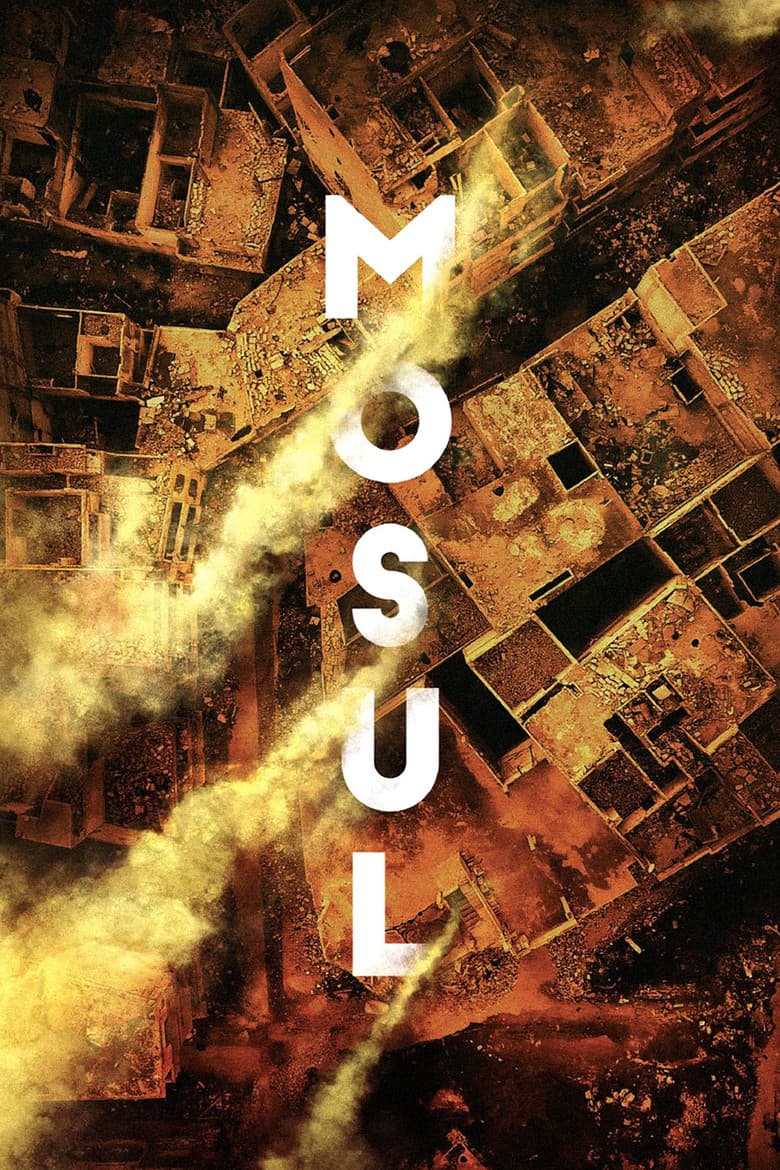
Movie · 2019
An Iraqi journalist joins an army of uneasy allies and unforgettable characters in the epic battle to liberate the city of Mosul from the Islamic State.
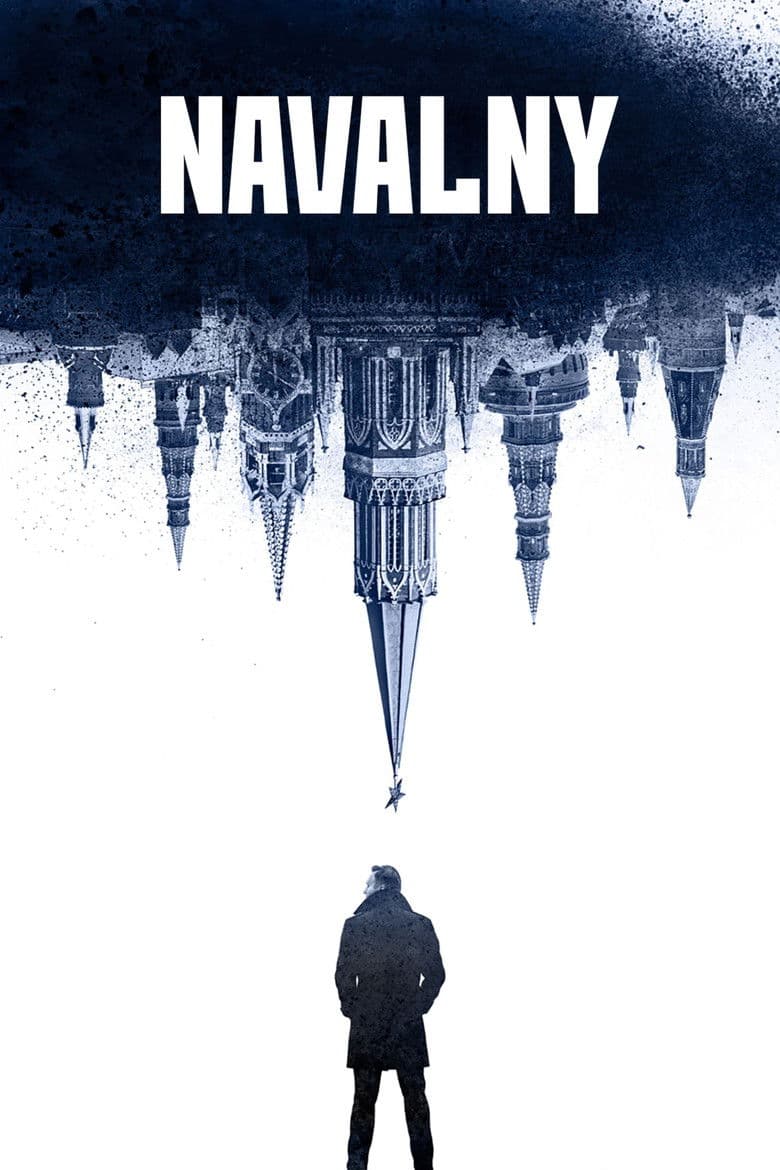
Movie · 2022
Follows the man who survived an assassination attempt by poisoning with a lethal nerve agent in August 2020. During his months-long recovery, he makes shocking discoveries about…
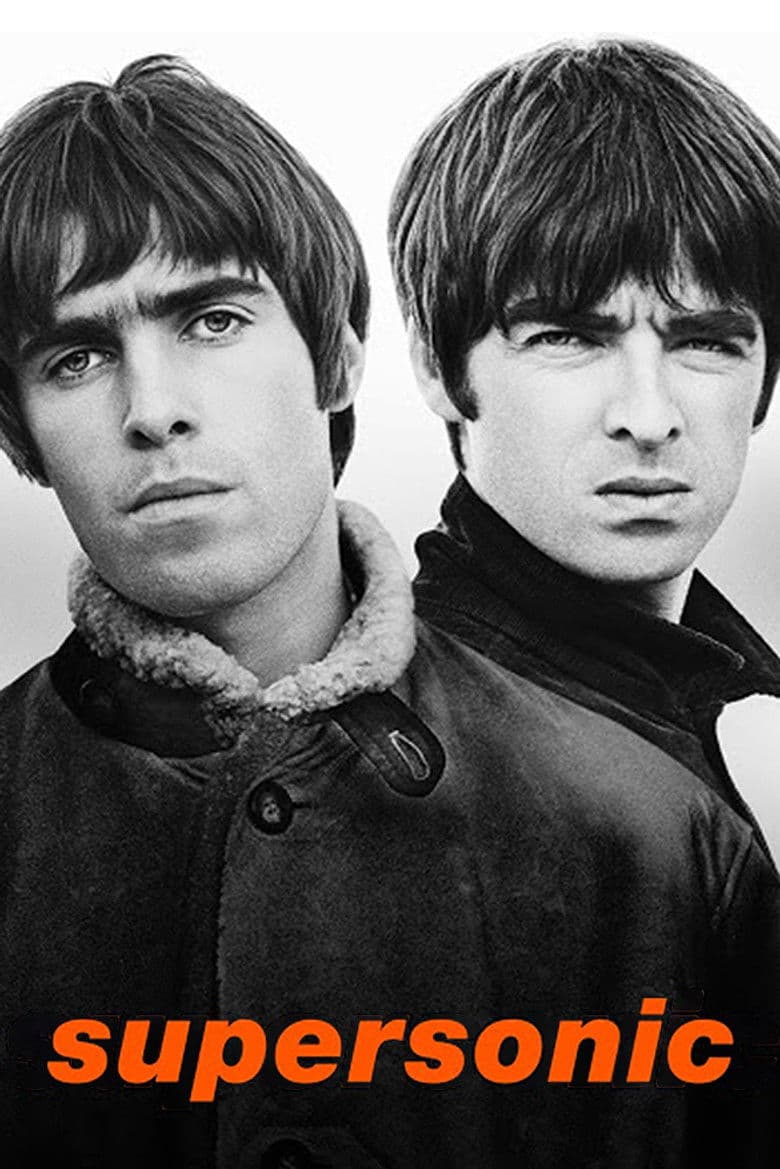
Movie · 2016
Supersonic charts the meteoric rise of Oasis from the council estates of Manchester to some of the biggest concerts of all time in just three short years.

Movie · 2016
With stunning views of eruptions and lava flows, Werner Herzog captures the raw power of volcanoes and their ties to indigenous spiritual practices.
