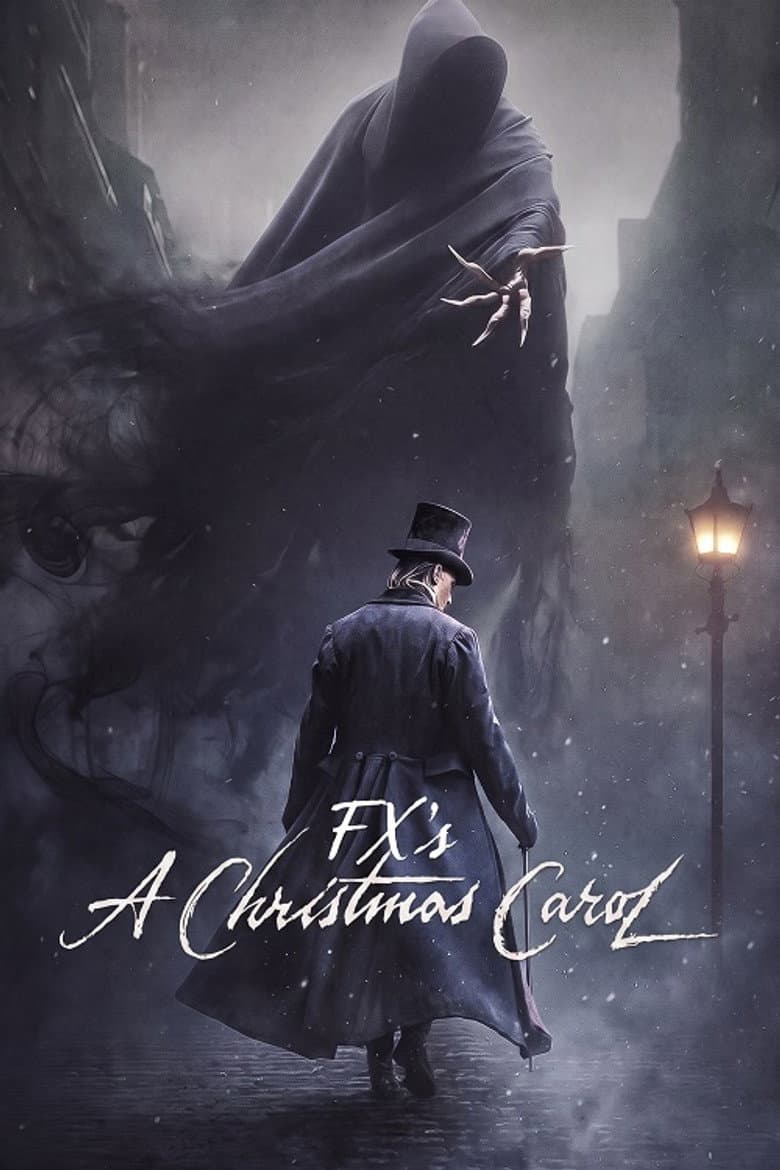
London in 1843 is cold, poor, and full of hard work. Ebenezer Scrooge is a rich business owner who hates Christmas and treats Bob Cratchit and other workers badly. On Christmas Eve, Jacob Marley and three spirits force Scrooge to face his childhood, his present life, and the damage he may cause. The story is dark, violent, and adult, but it still follows a path toward change.
The main audience-visible identity choice is the mixed-race Cratchit family, led by Vinette Robinson as Mary Cratchit. The show turns Mary from a small book character into a major woman whose painful deal with Scrooge helps drive the plot. She later calls on the spirits and speaks about having power and seeking justice. The story repeatedly attacks greed, workplace power, and the harm done by a profit-first system. These ideas are woven through the three-hour story, but race casting and the Mary subplot are the clearest woke signals.
Community feedback
Was our 75% Woke rating accurate?
Breakdown
These are the editorial factors and ratings behind our score for FX's A Christmas Carol.
Woke representation / casting
Vinette Robinson plays Mary Cratchit in a mixed-race household with Joe Alwyn as Bob and children from that family. The story places this family in 1843 London, so the casting is more noticeable than ordinary modern casting. The family is a major part of the plot, not background decoration. The wider cast is not built as a full diversity showcase.
48%
Woke political dialogue
Scrooge repeatedly talks about gifts as debts, profit, and the lies of Christmas kindness. Bob argues that Scrooge’s power traps his family in poverty. The spirits tell Scrooge that his businesses have caused deaths and lost jobs. Mary also speaks about justice and her power as a woman. The dialogue makes class and power criticism easy to notice.
39%
Identity-driven story themes
Mary Cratchit receives a new story about hiding money for Tiny Tim’s medical care. Scrooge pressures her to trade sexual access for the money and then shames her for agreeing. Mary later summons the spirits and says that she has power as a woman. The plot uses her abuse and demand for justice to shape Scrooge’s night of punishment. This is a strong gender and power subplot, but it is not the whole story.
48%
Western institutional / cultural critique
Scrooge runs an investment business that breaks up companies and leaves workers without jobs. The story shows mills, mines, and factories causing deaths while Scrooge counts profit. Marley and the spirits treat this system as a moral failure, not just one man’s bad manners. The story also links wealth and power to abuse inside the Cratchit family. The criticism is repeated and modern in tone, though it does not call for a named political system.
45%
Woke character or canon changes
The adaptation gives the unnamed Mrs Cratchit the name Mary and a large new story. It makes her a mixed-race wife in the Cratchit family. It turns Scrooge’s sister Lottie into the Ghost of Christmas Present instead of using the usual male ghost figure. It adds her prayer, her summons, and the sexual bargain with Scrooge. These changes strongly reshape both character roles and the source story.
65%
Anti-woke backlash and complaints
X posts repeatedly called the mixed-race Cratchit household a rewrite of British history and called the production woke or a diversity hire. Some viewers said they stopped watching when they saw Mary Cratchit. The Guardian reported social-media anger at Vinette Robinson’s casting, and other coverage repeated the woke label for the Mary plot. The reaction was notable but scattered, with no organized boycott or large review-bombing campaign found. The evidence shows a real anti-woke complaint, but not a mass movement.
55%
Creator track record context
Nick Murphy and Steven Knight have little public activist history. Most listed producers also have low public political profiles. Lucy Bevan and Emily Brockmann have supported broader and more inclusive casting, and Julian Stevens has praised a wider talent pipeline. That casting context adds a weak woke signal, while the show’s dark class and power themes fit Knight’s usual work.
20%
Production
Movie · 2025
In this extraordinary story of an ordinary man, Charles 'Chuck' Krantz experiences the wonder of love, the heartbreak of loss, and the multitudes contained in all of us.
Movie · 2022
Known as America’s Poet, Henry Wadsworth Longfellow leads an idyllic life – until the day his world is shattered by tragedy.
Movie · 2021
Four children become friends during the summer holidays, and out of sight of the adults they discover they have hidden powers.
Movie · 2024
A mother and her teenage daughter must confront Death when it arrives in the form of an astonishing talking bird.
Movie · 2021
A bureaucrat interviews five souls to decide which of them will be given a life on Earth. But he soon faces an existential challenge of his own.
Movie · 2017
A supernatural love story that centers on two parents whose life together falls apart after their son dies. The man, now a successful lawyer, and the woman, now married and an…
Movie · 2025
Sarah and David are single strangers who meet at a mutual friend’s wedding and soon, through a surprising twist of fate, find themselves on a funny, fantastical, sweeping…

Movie · 2020
Tanjiro Kamado, joined with Inosuke Hashibira, a boy raised by boars who wears a boar's head, and Zenitsu Agatsuma, a scared boy who reveals his true power when he sleeps, boards…
