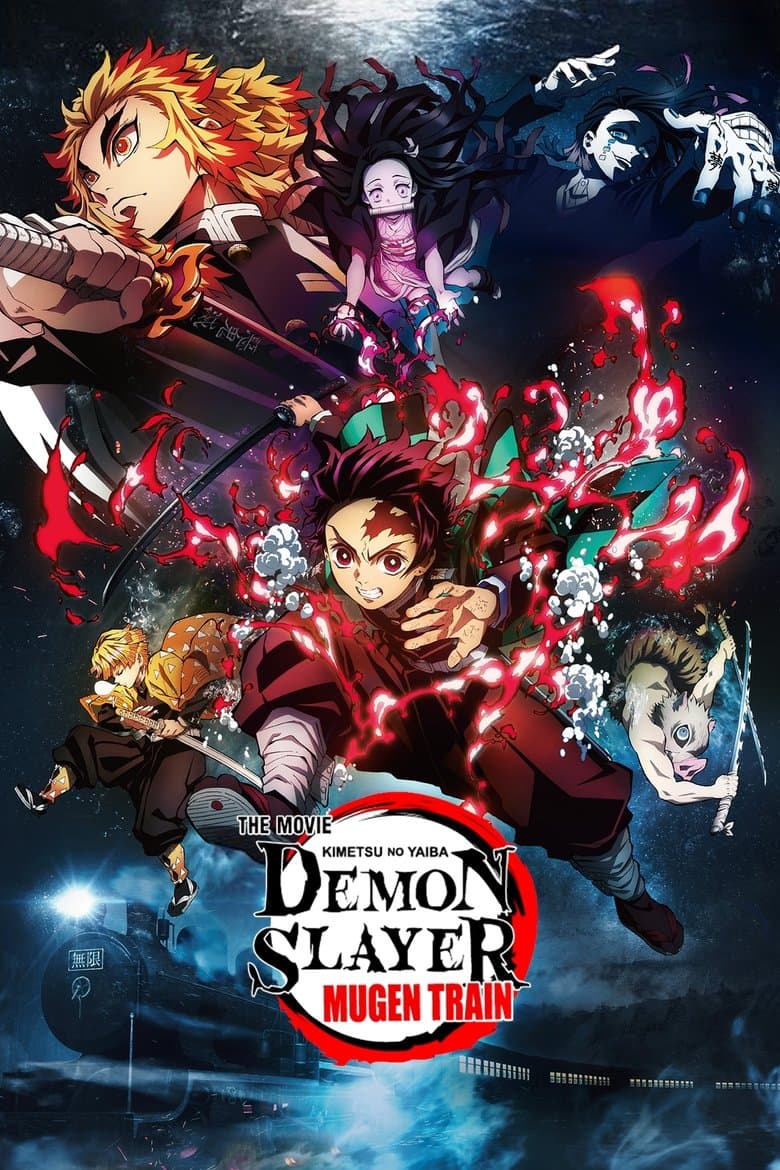
Movie review
October 16, 2020 · 117 min · R · Japanese · Fantasy · Animation · Action
Tanjiro Kamado is a kind teenage demon slayer who travels with his demon sister, Nezuko, and his friends Zenitsu and Inosuke. They board the Mugen Train in Taisho-era Japan to help the Flame Hashira, Kyojuro Rengoku, investigate people who vanish during the journey. A demon traps the slayers and passengers in dreams, while a stronger demon appears after the train battle. The film mixes bright sword fights, silly team humor, deep sadness, and a serious look at death, duty, and courage.
The film’s main ideas are family love, brave service, and the value of life. Tanjiro keeps caring about demons even while he fights them, and Rengoku teaches the younger fighters to protect people and keep moving after loss. Nezuko also risks herself to save passengers, while the boys face fear, false dreams, and grief. These ideas shape the whole plot and give the film a warm but painful lesson about choosing duty over a pleasant dream.
Community feedback
Was our 0% Woke rating accurate?
Breakdown
These are the editorial factors and ratings behind our score for Demon Slayer -Kimetsu no Yaiba- The Movie: Mugen Train.
Woke representation / casting
Not present. The film uses Japanese animated characters in a Taisho-era Japanese setting. The roles match the source story, with no diversity-first cast message.
0%
Woke political dialogue
Not present. The characters talk about duty, courage, family, death, and protecting passengers. They do not use modern identity, DEI, or activist language.
0%
Identity-driven story themes
Not present. The story follows a brother protecting his demon sister and fighters protecting passengers. Its themes are family love, sacrifice, compassion, and courage.
0%
Western institutional / cultural critique
Not present. The conflict is between demon slayers and demons. The film does not attack modern family life, gender roles, religion, business, or Western institutions.
0%
Woke character or canon changes
Not relevant. The movie directly adapts the Mugen Train story from the manga. It keeps the characters’ genders, identities, and main roles.
0%
Anti-woke backlash and complaints
Not present. Reviewed audience and news coverage did not show major complaints that the film pushes woke, DEI, or identity politics. The main complaints concern sequel structure, pacing, and the need to know the TV series.
0%
Creator track record context
Not present. The supplied creator summaries give the director, writer, and producers very low scores from 1 to 8. They describe mainstream Japanese animation work without a clear activist or identity-first pattern.
0%
Production
Movie · 2025
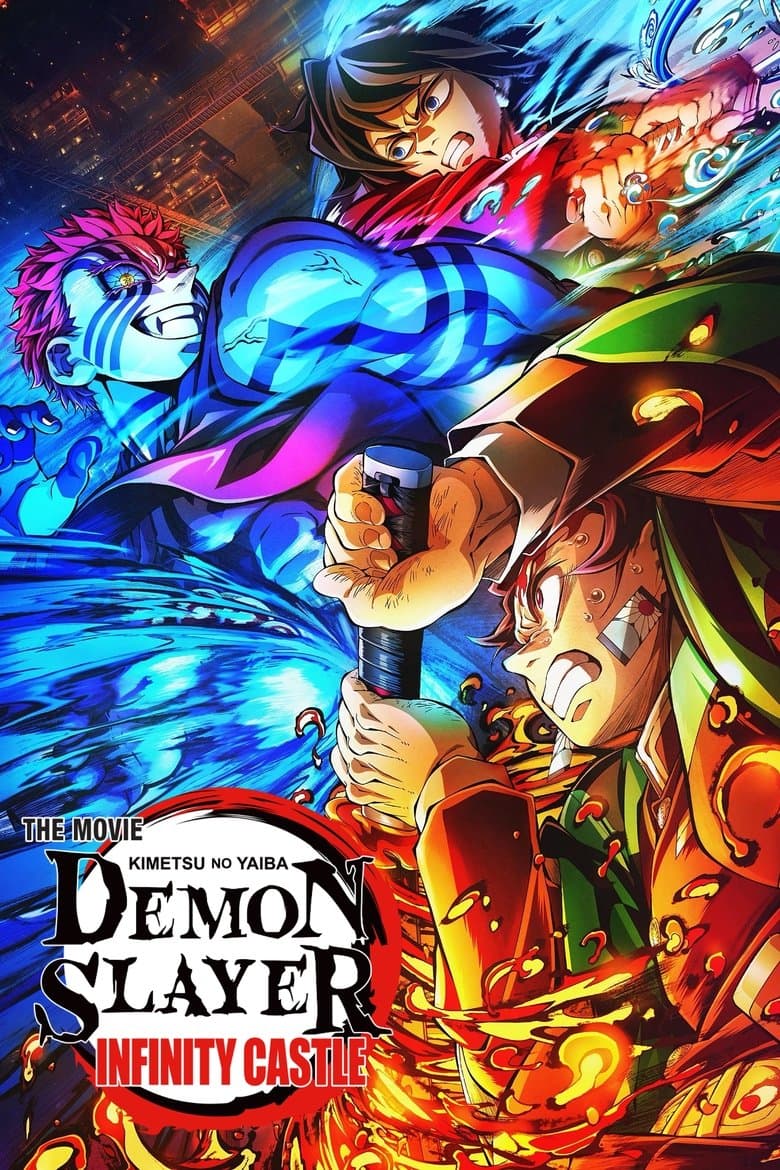
The Demon Slayer Corps are drawn into the Infinity Castle, where Tanjiro, Nezuko, and the Hashira face terrifying Upper Rank demons in a desperate fight as the final battle…
Movie · 2020
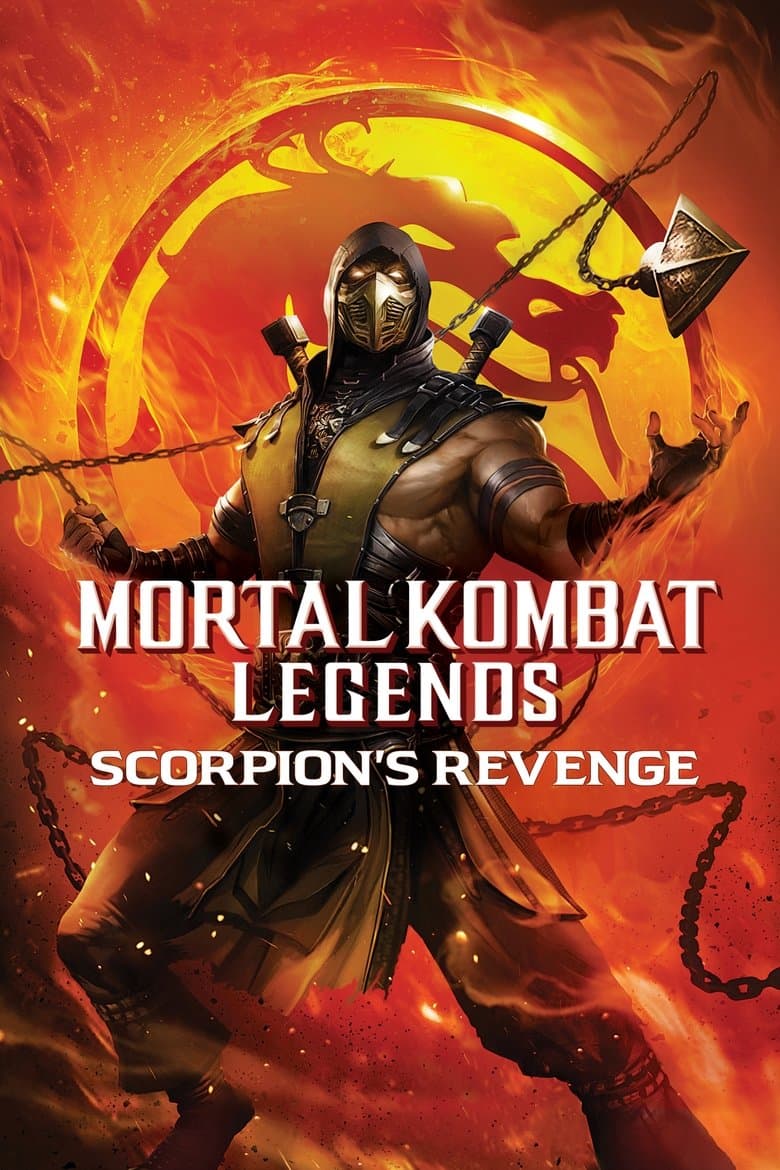
After the vicious slaughter of his family by stone-cold mercenary Sub-Zero, Hanzo Hasashi is exiled to the torturous Netherrealm.
Movie · 2025
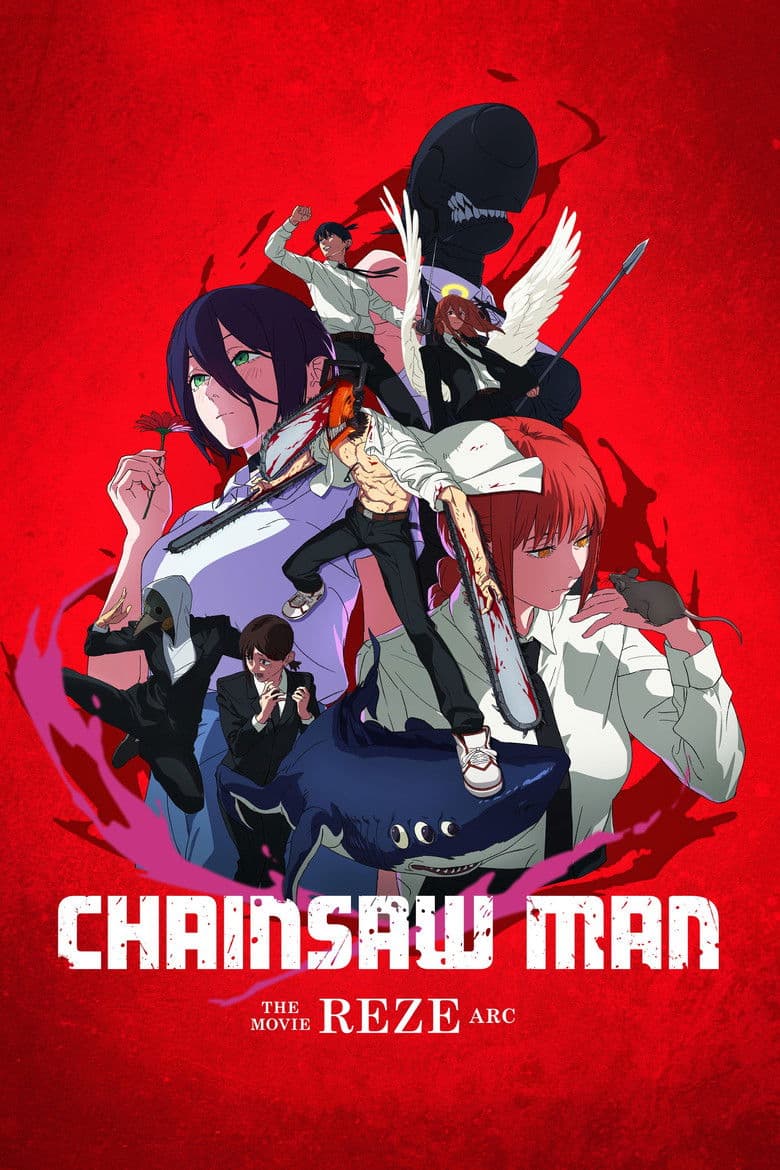
In a brutal war between devils, hunters, and secret enemies, a mysterious girl named Reze has stepped into Denji's world, and he faces his deadliest battle yet, fueled by love in…
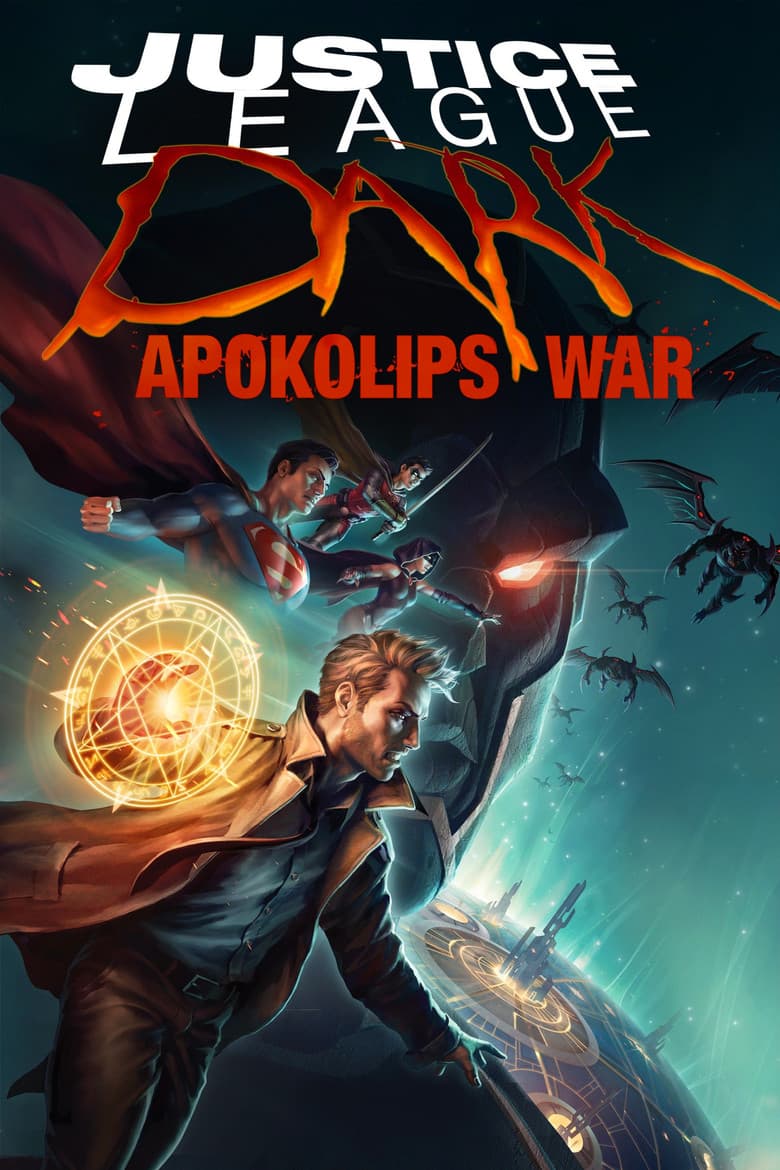
Movie · 2020
Earth is decimated after intergalactic tyrant Darkseid has devastated the Justice League in a poorly executed war by the DC Super Heroes.
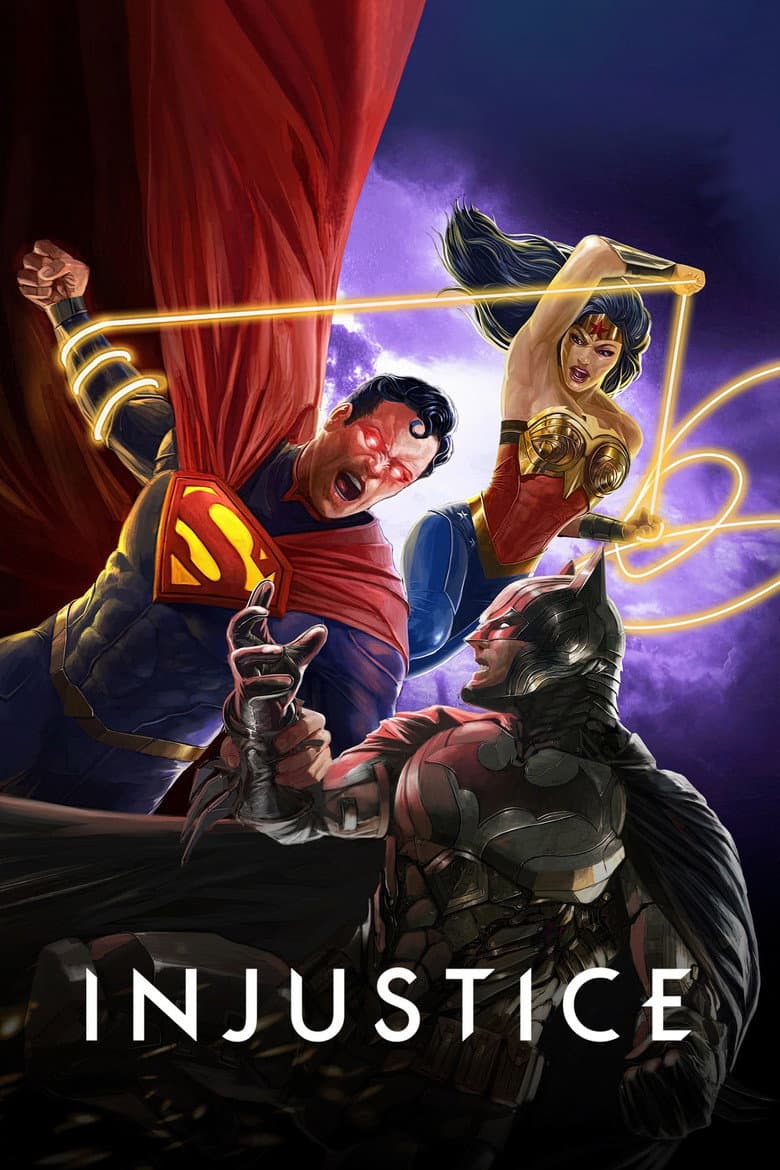
Movie · 2021
When Lois Lane is killed, an unhinged Superman decides to take control of the Earth. Determined to stop him, Batman creates a team of freedom-fighting heroes.
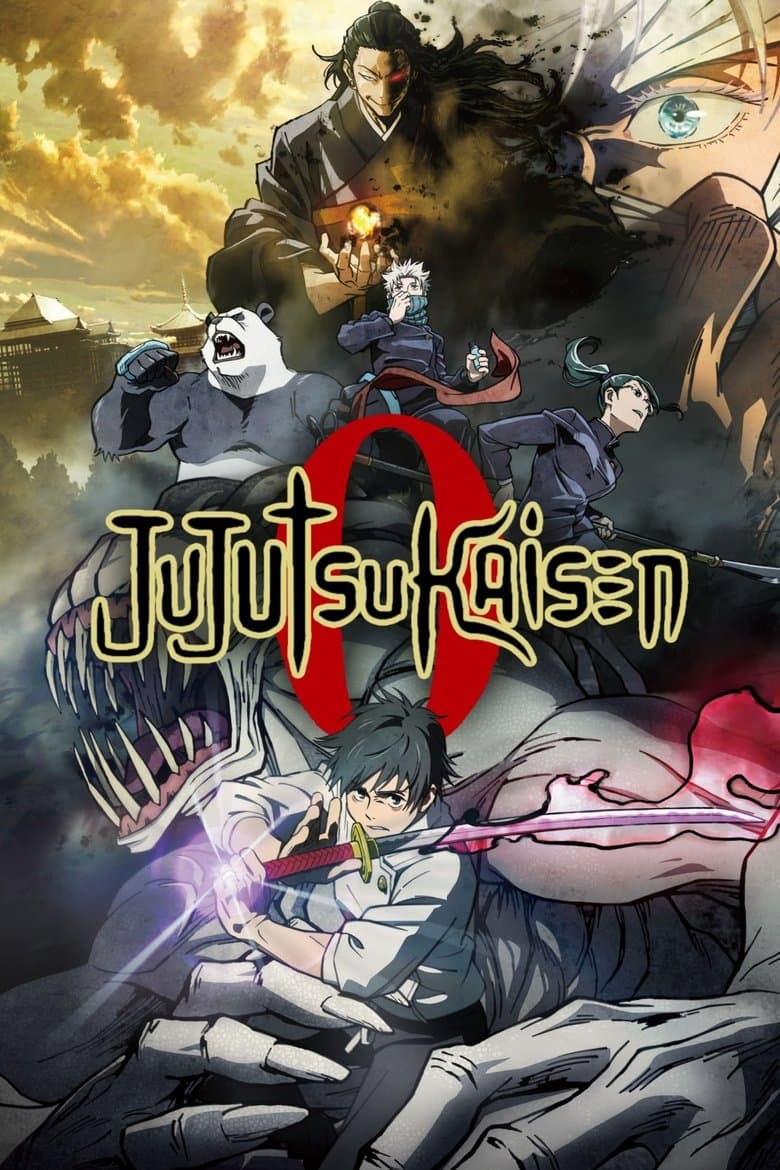
Movie · 2021
Yuta Okkotsu is a nervous high school student who is suffering from a serious problem—his childhood friend Rika has turned into a curse and won't leave him alone.

Movie · 2022
The vicious, power-mad Kano is determined to take over Earthrealm, one soul at a time. Assisted by a trio of cold Black Dragon mercenaries, he embarks on a brutal assault from…

Movie · 2022
A new adventure begins for Luffy and his crew when mysterious pop superstar Uta unveils her identity — and launches a misguided plan for world peace.
