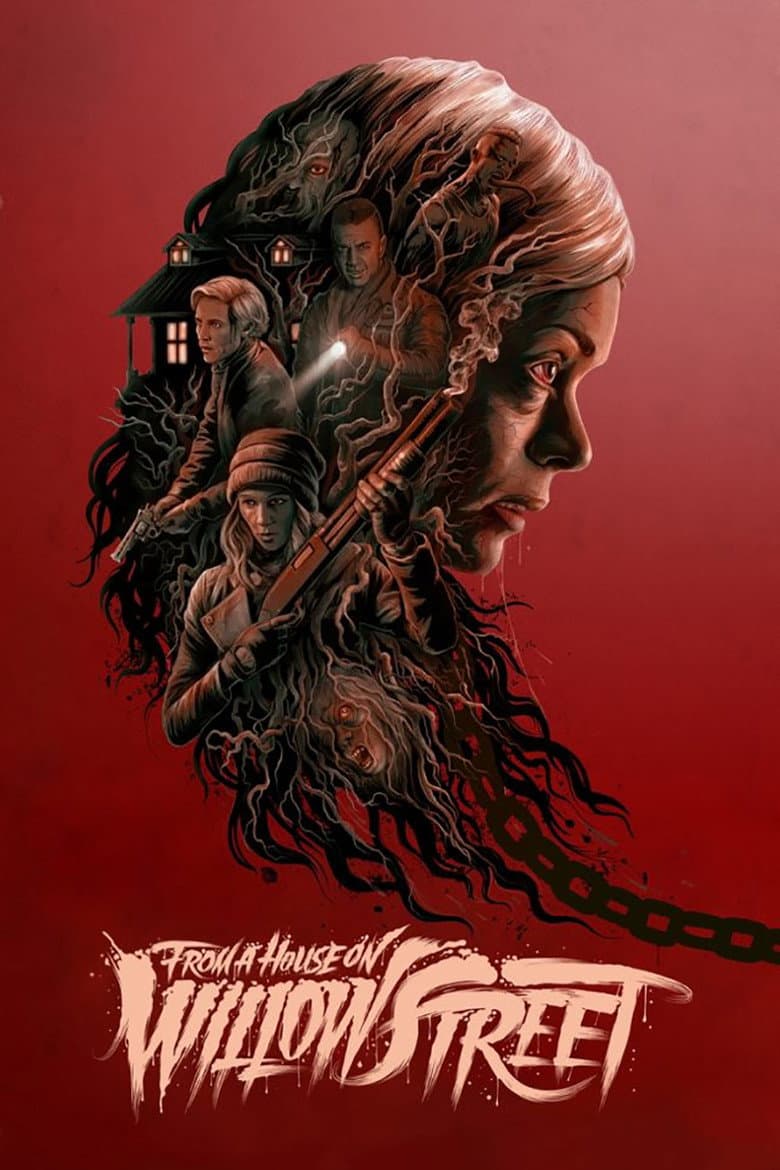
From a House on Willow Street follows Hazel, a tough criminal who leads three others in a kidnapping. The group takes Katherine, the daughter of a rich diamond businessman, from her home and holds her for ransom. The gang soon learns that Katherine is possessed by a demon and that her family home has a long history of death. The action moves between the old house and a hidden warehouse as the criminals try to stay alive. The tone is dark, loud, and bloody, with jump scares, ghosts, and graphic monster violence.
The film puts women at the center of both the human action and the supernatural danger. Hazel leads the kidnapping, directs the men, survives the attacks, and destroys the demon. Katherine becomes a powerful threat after a demon takes control of her body, while most of the male kidnappers die or turn on themselves. The story treats this power pattern as part of revenge, guilt, and survival rather than as a modern lesson about identity.
Community feedback
Was our 35% Woke rating accurate?
Breakdown
These are the editorial factors and ratings behind our score for From a House on Willow Street.
Woke representation / casting
Hazel is the gang’s leader and the main human fighter. Katherine is the central possessed figure who overpowers several men. The two most important power roles therefore go to women. The film does not market this as diversity or empowerment, so the signal remains limited.
32%
Woke political dialogue
Not present. The dialogue covers the kidnapping plan, money, family grief, and demon danger. The film has no clear modern identity, DEI, or activist lines.
0%
Identity-driven story themes
Hazel leads the gang, gives orders, and handles the plan as the most capable human in the group. Katherine becomes the main physical threat after the demon takes control of her body and kills several male criminals. Hazel survives the final fight and destroys Katherine. This creates a repeated female-dominance pattern, but the film uses it for horror and revenge rather than a modern lesson about gender.
50%
Western institutional / cultural critique
Not present. The film includes criminals targeting a rich diamond family, but it does not turn that conflict into a modern attack on capitalism, patriarchy, religion, or Western institutions. The story focuses on demons, guilt, and survival.
0%
Woke character or canon changes
Not relevant. The film is an original horror story with no established character, real person, or source material that it changes.
0%
Anti-woke backlash and complaints
Not present. No anti-woke backlash found. Audience talk centers on gore, scares, acting, and plot. No specific complaint says the film pushes DEI, identity politics, or activist ideas.
0%
Creator track record context
The available record for Alastair Orr centers on independent horror and film craft. It shows no clear DEI or activist pattern. The other writers and producers have little or mild public identity context. Casting director Emily Schweber has some work with stories about marginalized people, but this title is not publicly framed around that work.
8%
Production
Movie · 2024
Five years after surviving Art the Clown's Halloween massacre, Sienna and Jonathan are still struggling to rebuild their shattered lives.
Movie · 2025
Following the death of their father, a brother and sister are sent to live with a foster mother, only to learn that she is hiding a terrifying secret.
Movie · 2016
Rebecca must unlock the terror behind her little brother's experiences that once tested her sanity, bringing her face to face with a supernatural spirit attached to their mother.
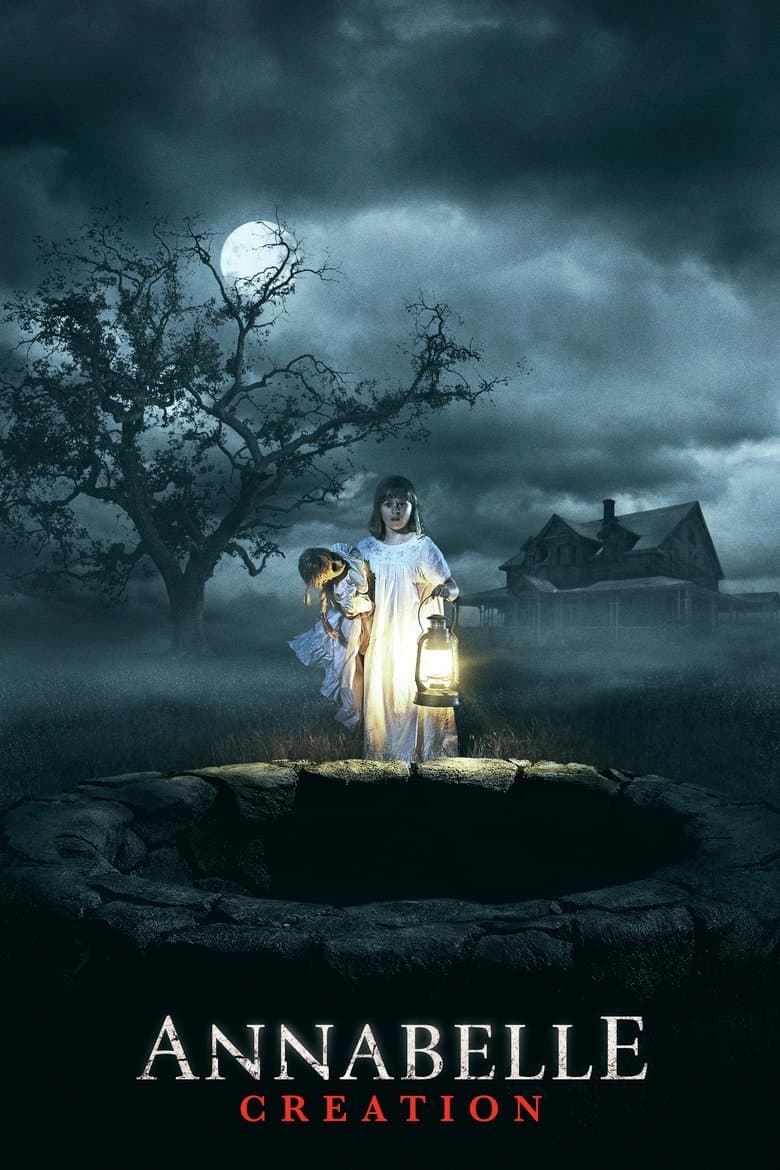
Movie · 2017
Several years after the tragic death of their little girl, a doll maker and his wife welcome a nun and several girls from a shuttered orphanage into their home, soon becoming the…
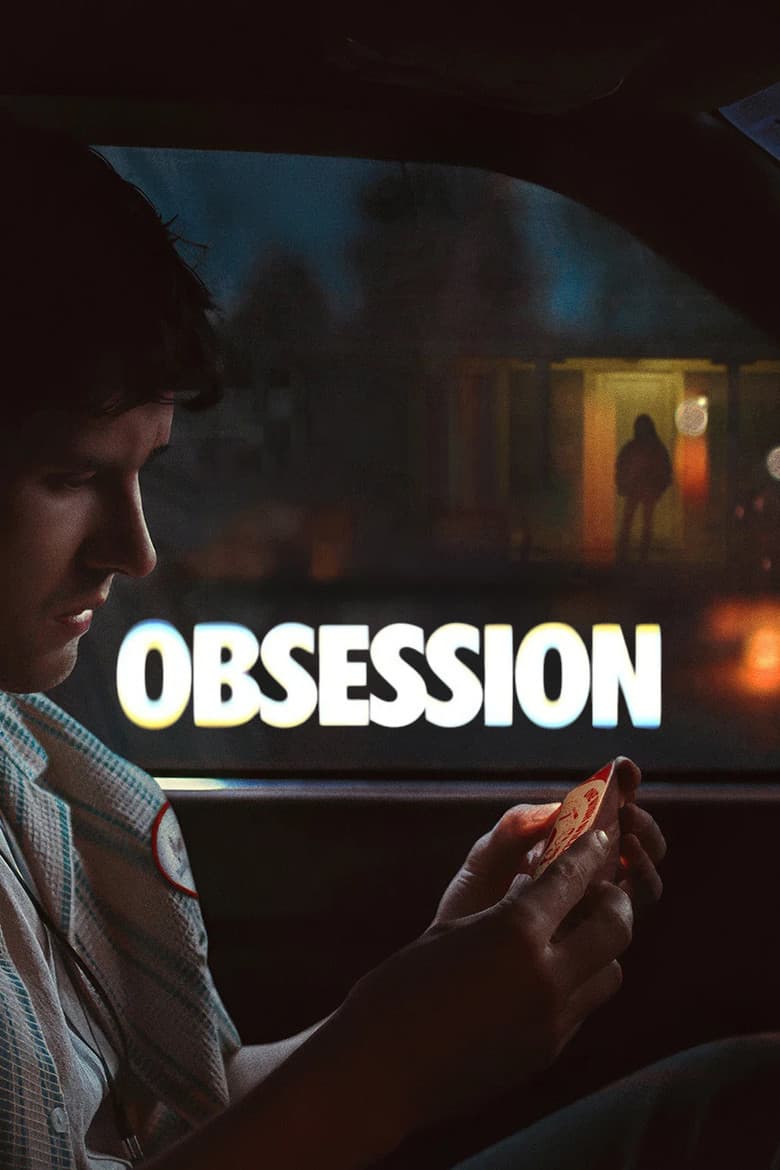
Movie · 2026
After breaking the mysterious "One Wish Willow" to win his crush's heart, a hopeless romantic finds himself getting exactly what he asked for but soon discovers that some desires…
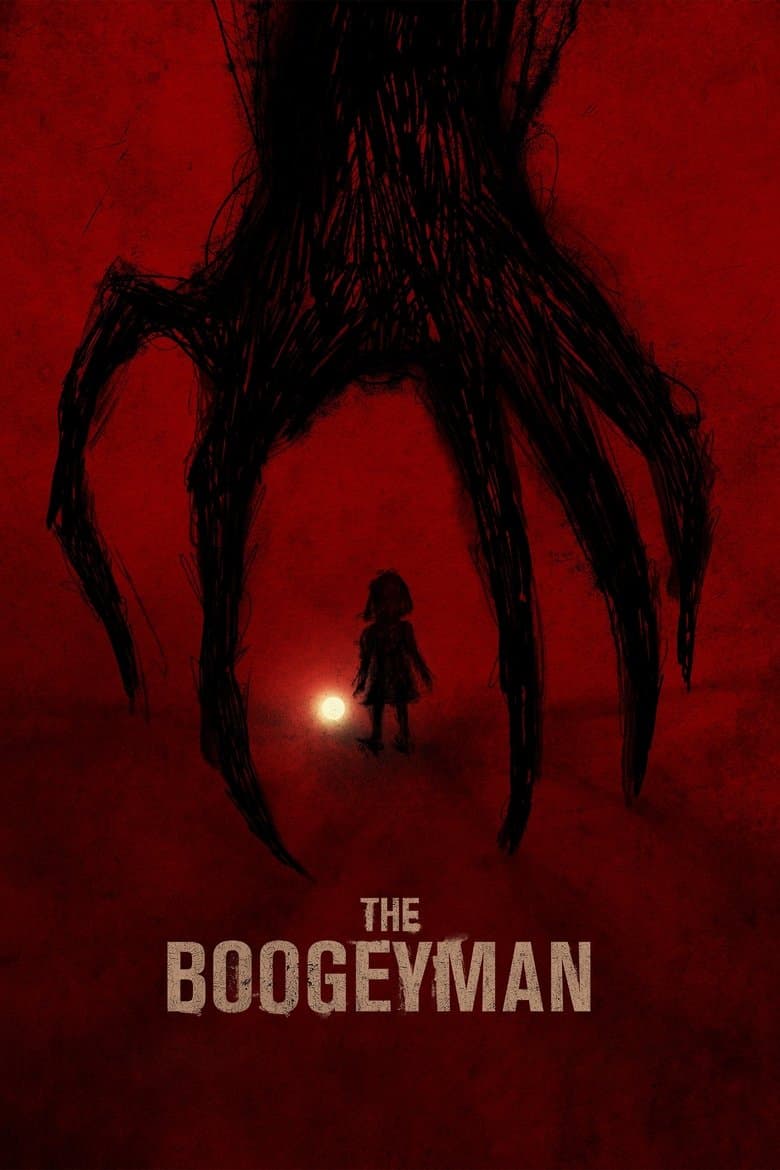
Movie · 2023
Still reeling from the tragic death of their mother, a teenage girl and her younger sister find themselves plagued by a sadistic presence in their house and struggle to get their…
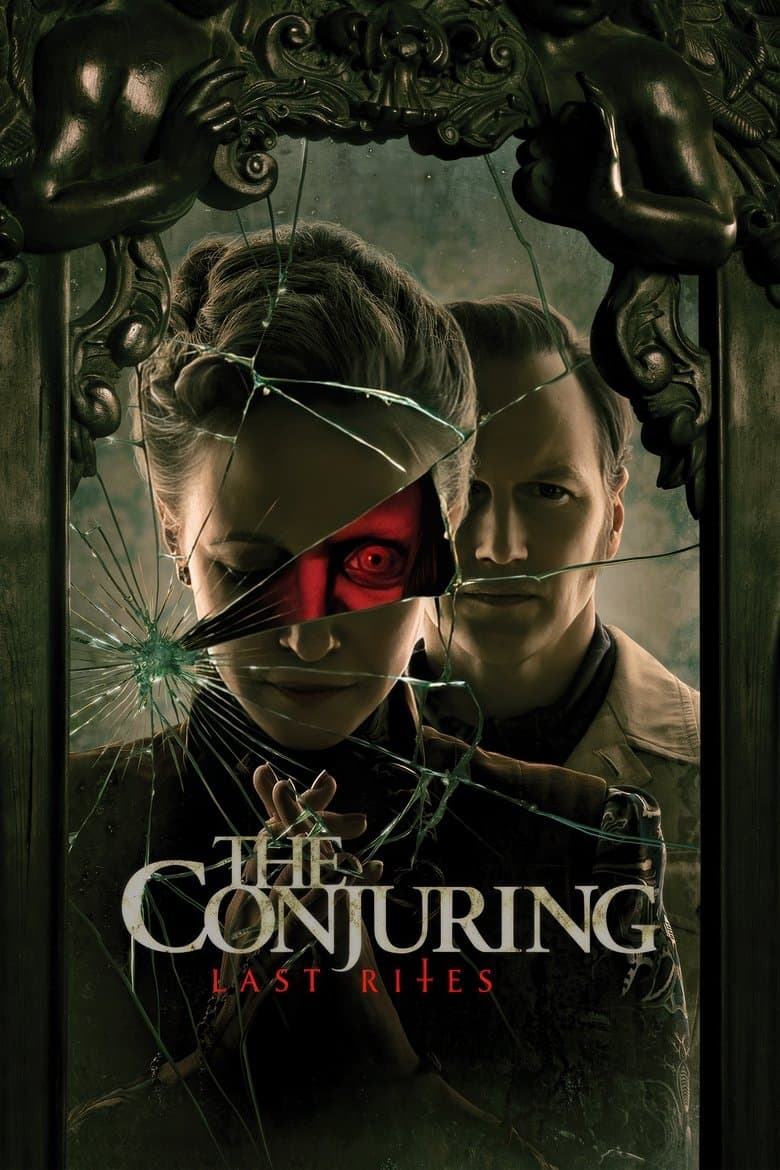
Movie · 2025
Paranormal investigators Ed and Lorraine Warren take on one last terrifying case involving mysterious entities they must confront.
Movie · 2024
A boy and his stepmother fear for their safety after an eerie creature resembling the boy's recently deceased father visits them.
