
Hen and Junior live on an isolated farm in 2065, while Earth is becoming hard to live on. A visitor named Terrance tells Junior that he must join a space program for two years. He says a man-made copy of Junior will stay with Hen while he is gone. The plan exposes old hurt between the married pair and turns their home into a tense test of love, memory, and what makes a person real.
Hen often wants more from life than the quiet farm and the narrow role Junior expects of her. The later story treats Junior's wish for a calm, obedient wife as damaging, while Hen chooses to leave the marriage. The film also uses a dying Earth and a few direct lines about humans taking from the planet. These points are part of the relationship drama, but gender conflict and environmental concern are its clearest modern social messages.
Community feedback
Was our 33% Woke rating accurate?
Breakdown
These are the editorial factors and ratings behind our score for Foe.
Woke representation / casting
Not present. Hen and Junior are a white married rural couple. Terrance is black, but the film does not make his race an issue or sell its small cast as a representation statement.
0%
Woke political dialogue
Hen speaks about people taking from Earth rather than respecting it. The film shows a dying environment that has pushed a space program. These environmental points are brief parts of a personal marriage story. The dialogue does not argue for a party or identity program.
12%
Identity-driven story themes
Not present. The story is about an artificial copy, a troubled marriage, and personal freedom. It does not center race, sexuality, gender identity, or a group identity conflict.
0%
Western institutional / cultural critique
Hen wants to leave the farm life and build a wider life for herself. The real Junior dismisses her feelings for his artificial copy and prefers a cheerful, obedient version of Hen. The ending treats his wish for that version of a wife as hurtful. The conflict shapes the couple's break-up and the ending.
48%
Woke character or canon changes
Not relevant. The movie adapts Iain Reid's novel. The plot does not present a known character or source figure through an identity-driven change.
0%
Anti-woke backlash and complaints
Not present. The checked news, reviews, and audience discussion focus on the twist, slow pace, and mixed critical response. They do not show a notable anti-woke or DEI complaint about the film.
0%
Creator track record context
Garth Davis has a stored score of 29 and has often made stories about women’s agency, gender power, and the environment. Iain Reid has a stored score of 7 and has no known identity-driven public profile. Producer Samantha Lang has a stored score of 70 and has backed programs about women and gender-diverse representation. The lead writers’ mixed record makes the context mild to moderate.
31%
Production

Movie · 2017
Thirty years after the events of the first film, a new blade runner, LAPD Officer K, unearths a long-buried secret that has the potential to plunge what's left of society into…
Movie · 2024
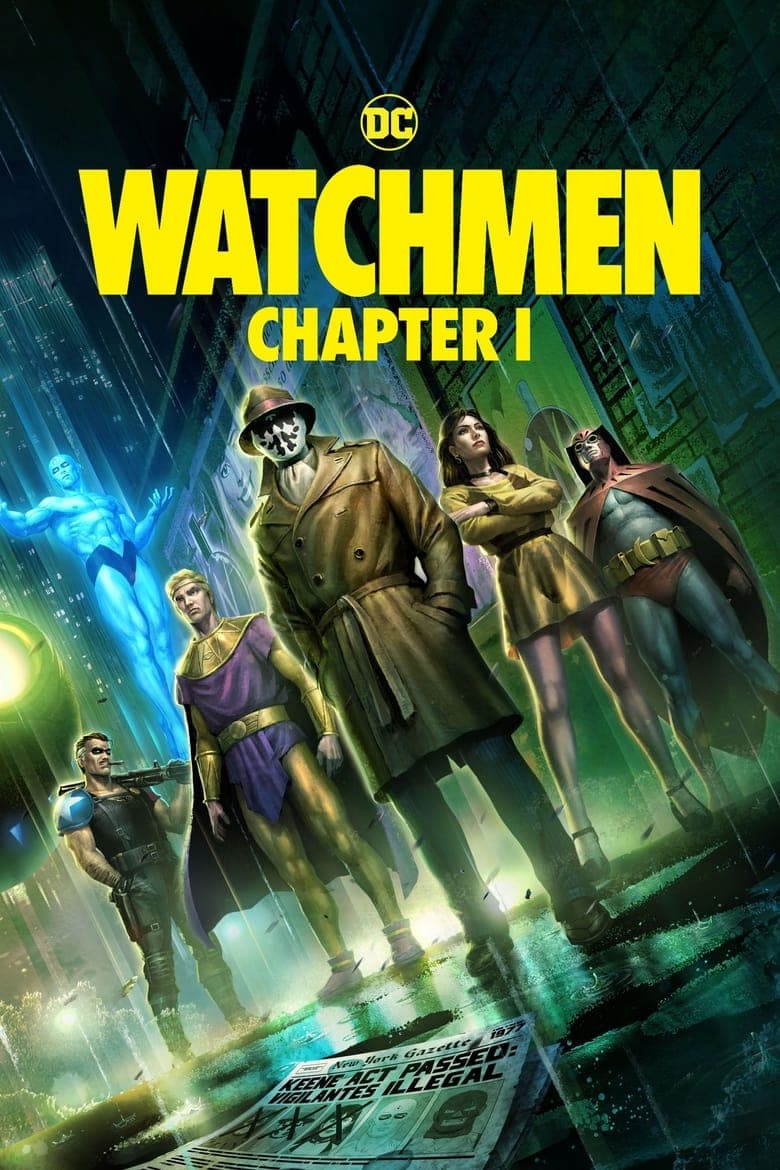
In 1985, the murder of a government-sponsored superhero draws his outlawed colleagues out of retirement and into a mystery that threatens to upend their personal lives and the…
Movie · 2020
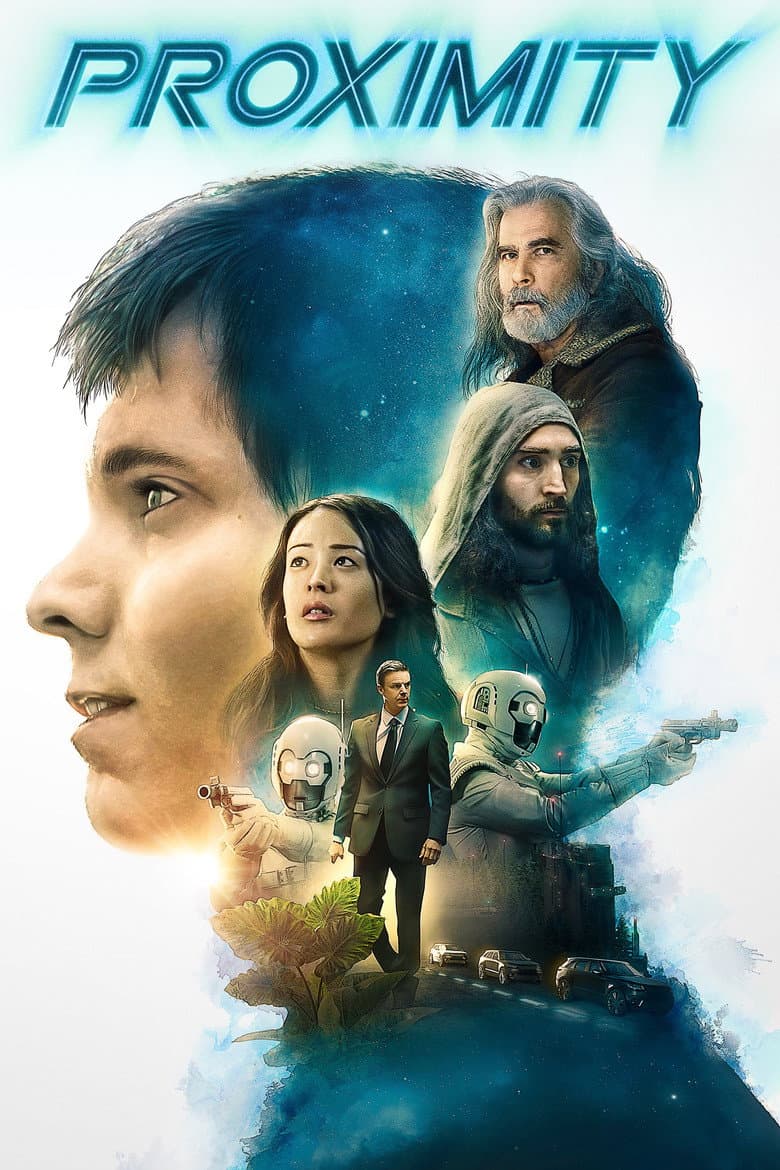
A young NASA JPL scientist is abducted by extraterrestrials but when no one believes his story he becomes obsessed with finding proof which leads him on a journey of discovery.

Movie · 2023
Anna and Ryan have found true love together. It's been proven by a controversial test. There's just one problem: Anna still isn't sure. Then she meets Amir.
Movie · 2025
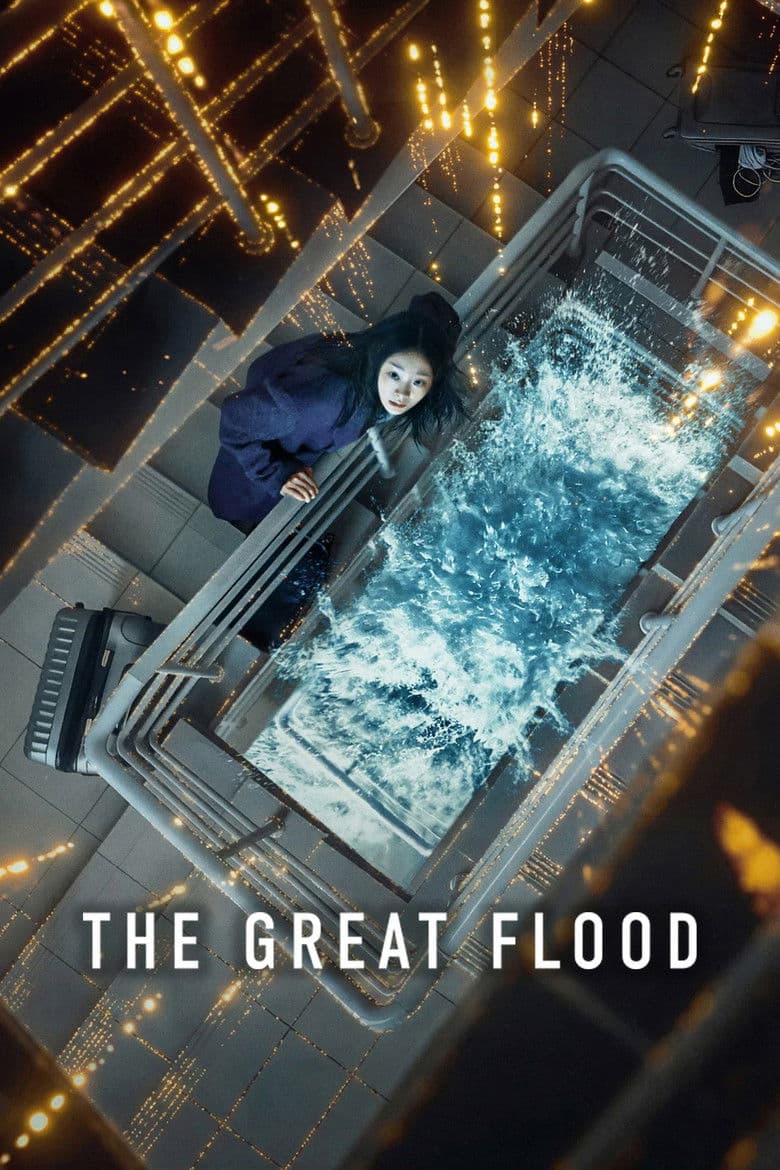
When a raging flood traps a researcher and her young son, a call to a crucial mission puts their escape — and the future of humanity — on the line.
Movie · 2018
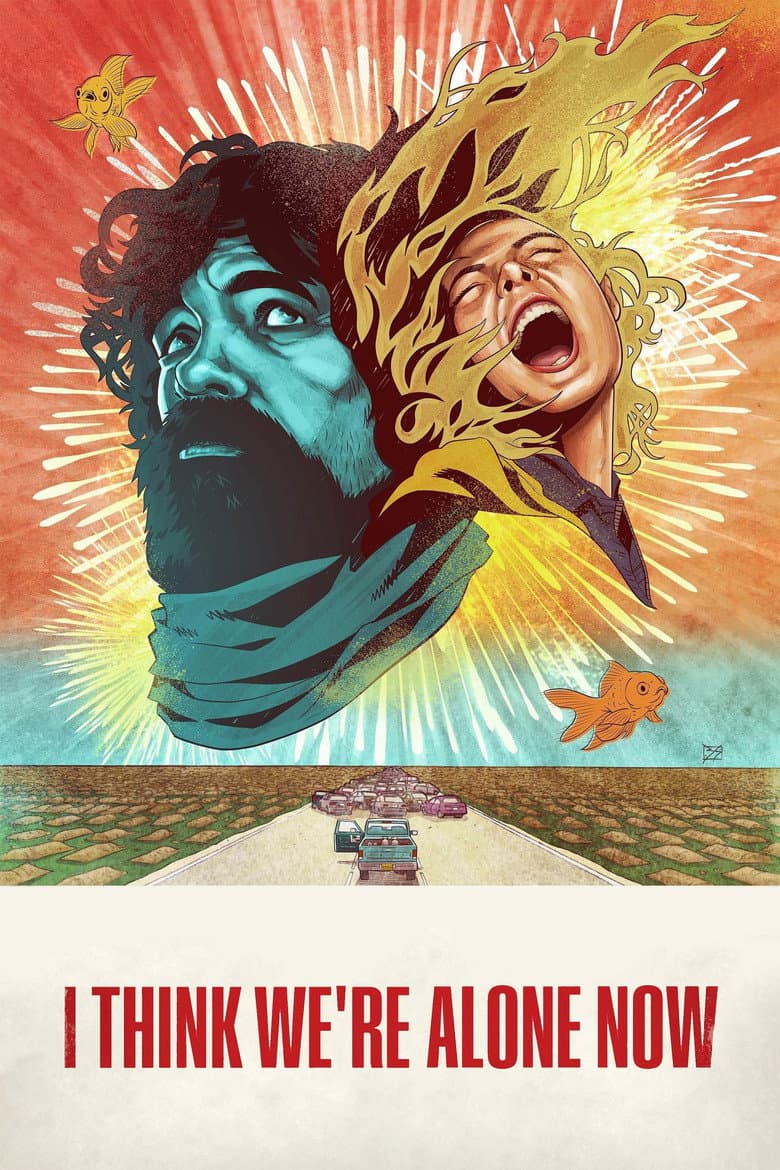
After a catastrophe destroys most of humanity, recluse Del lives in his small, empty town, content with the utopia he has methodically created for himself, until an interloper…
Movie · 2024
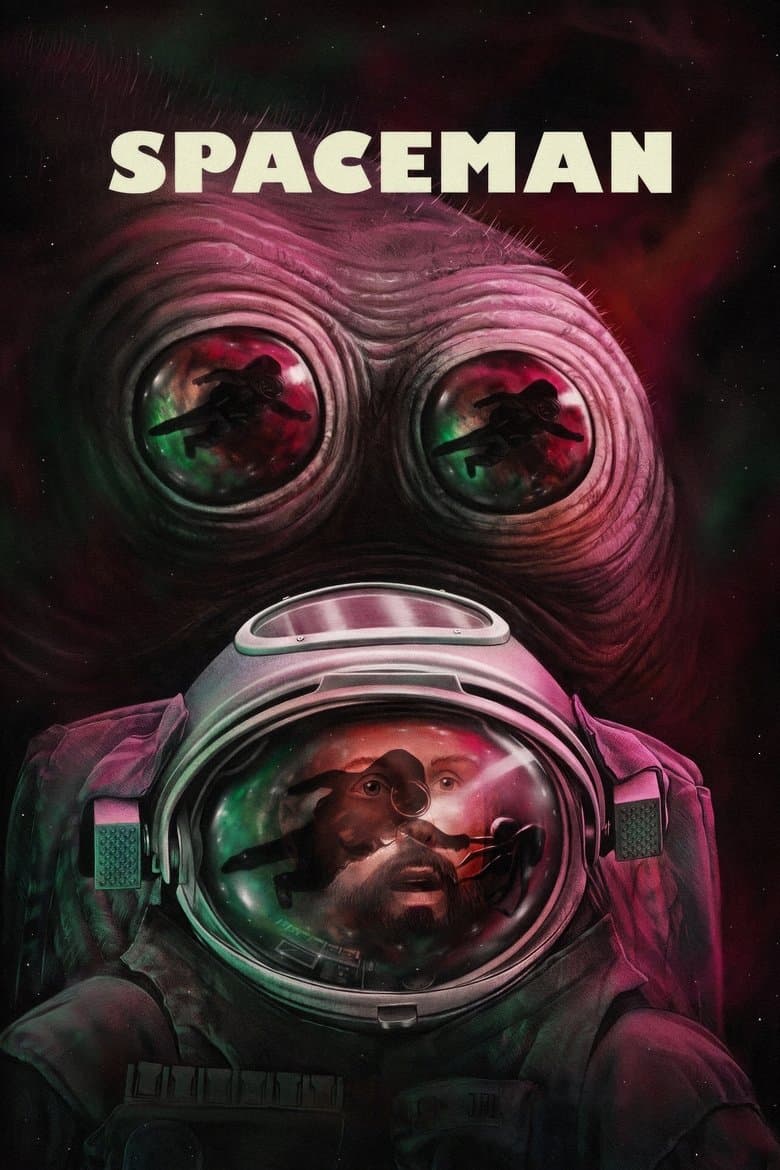
Six months into a solo mission, a lonely astronaut confronts the cracks in his marriage with help from a mysterious creature he discovers on his ship.

Movie · 2016
Following the outbreak of a virus that wipes out the majority of the human population, a young woman documents her family's new life in quarantine and tries to protect her…
