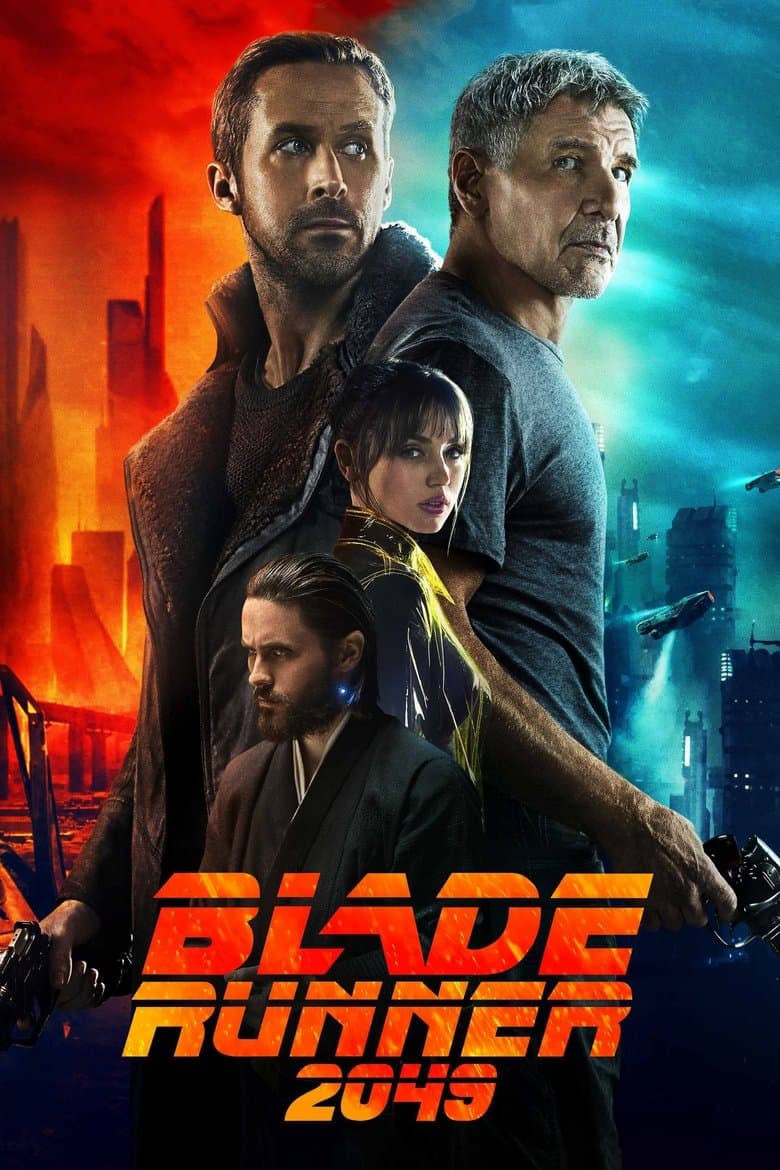
Thirty years after the original film, Nexus-9 replicant blade runner K works for the LAPD and retires older models. He uncovers remains that prove a replicant once gave birth. Ordered to erase the child and the evidence, he follows clues through Wallace Corp, memory design, and radioactive Las Vegas. He finds Rick Deckard and learns a secret that could upend the human and replicant order. The story is a bleak corporate dystopia about memory, personhood, and whether meaning comes from birth or from chosen action.
Woke content is thin. Dialogue and plot focus on baseline tests, retiring replicants, birth versus manufacture, and corporate control of labor. Women appear as a lieutenant, a lethal enforcer, and a resistance leader, but those roles serve the mystery rather than identity messaging. Core themes are real versus implanted memory, love with an artificial companion, and whether a miracle birth changes the status of replicants as slaves. That is sci-fi personhood, not modern race, gender, or queer identity politics.
Community feedback
Was our 12% Woke rating accurate?
Breakdown
These are the editorial factors and ratings behind our score for Blade Runner 2049.
Woke representation / casting
The main stars are Ryan Gosling and Harrison Ford. Supporting cast includes women in command and enforcer roles and a multiethnic future Los Angeles. Casting fits the story and does not swap legacy leads by race or gender or sell the cast as a diversity statement.
8%
Woke political dialogue
Not present. Dialogue centers on baseline tests, retiring replicants, birth versus manufacture, corporate control of labor, and personal identity as a being.
0%
Identity-driven story themes
The film asks what makes someone human and whether a miracle birth changes slave status for replicants. That is sci-fi personhood. It is not a story built on modern race, gender, or queer identity politics.
5%
Western institutional / cultural critique
The setting is a corporate police state with environmental collapse and engineered slave labor. That is classic dystopian noir. It is not framed as a modern attack on masculinity, patriarchy, whiteness, or Christianity.
12%
Woke character or canon changes
Not relevant. Deckard and Rachael return as established figures, and the born-child plot is mythology rather than an identity rewrite.
0%
Anti-woke backlash and complaints
Not present. Controversy focused on left and feminist complaints about sexism and diversity, not anti-woke claims that the film pushes identity politics.
0%
Creator track record context
Villeneuve and much of the team frame craft and existential stakes, not activism. Co-writer Michael Green has a higher diversity-related score in other work, which slightly raises the team average.
15%
Production
Movie · 2017
“2048: Nowhere to Run” takes place one year before the events of Blade Runner 2049. The short film focuses on Sapper, a man who is trying to make it through life day-by-day…
Movie · 2020
At the height of the Cold War, a Soviet spacecraft crash lands after a mission gone awry, leaving the commander as its only survivor.
Movie · 2016
Taking place after alien crafts land around the world, an expert linguist is recruited by the military to determine whether they come in peace or are a threat.
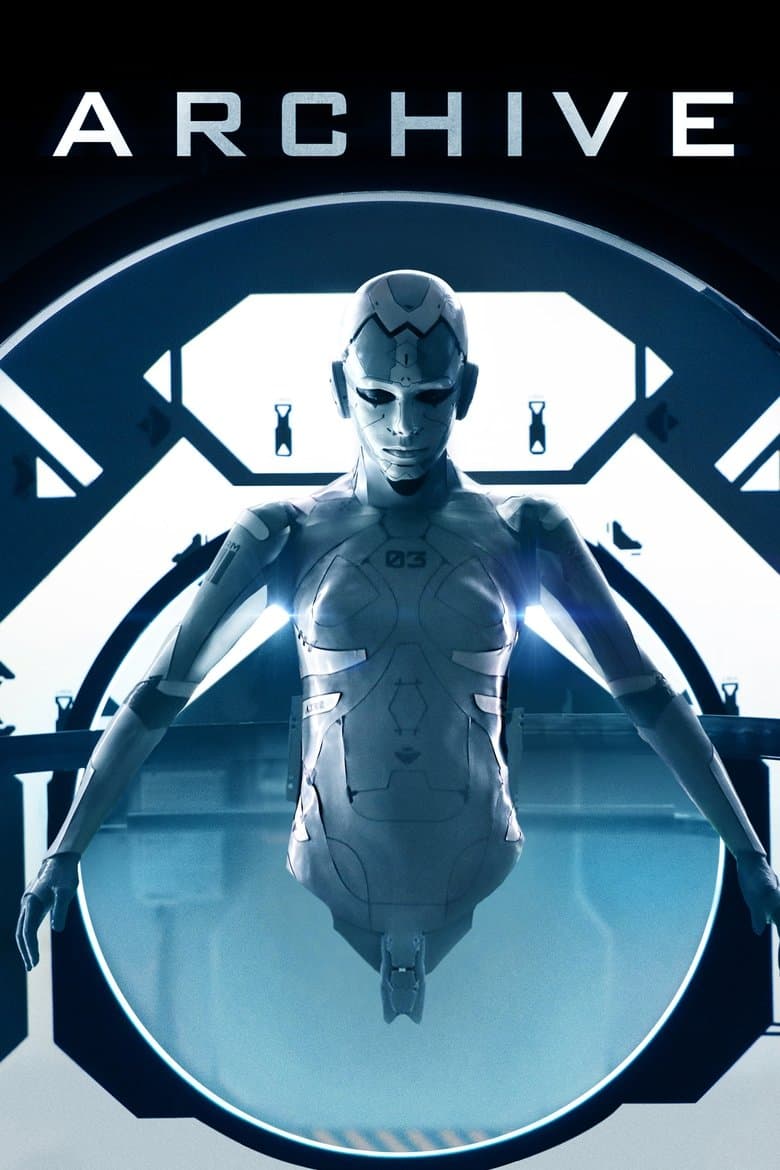
Movie · 2020
2038: George Almore is working on a true human-equivalent AI, and his latest prototype is almost ready. This sensitive phase is also the riskiest as he has a goal that must be…
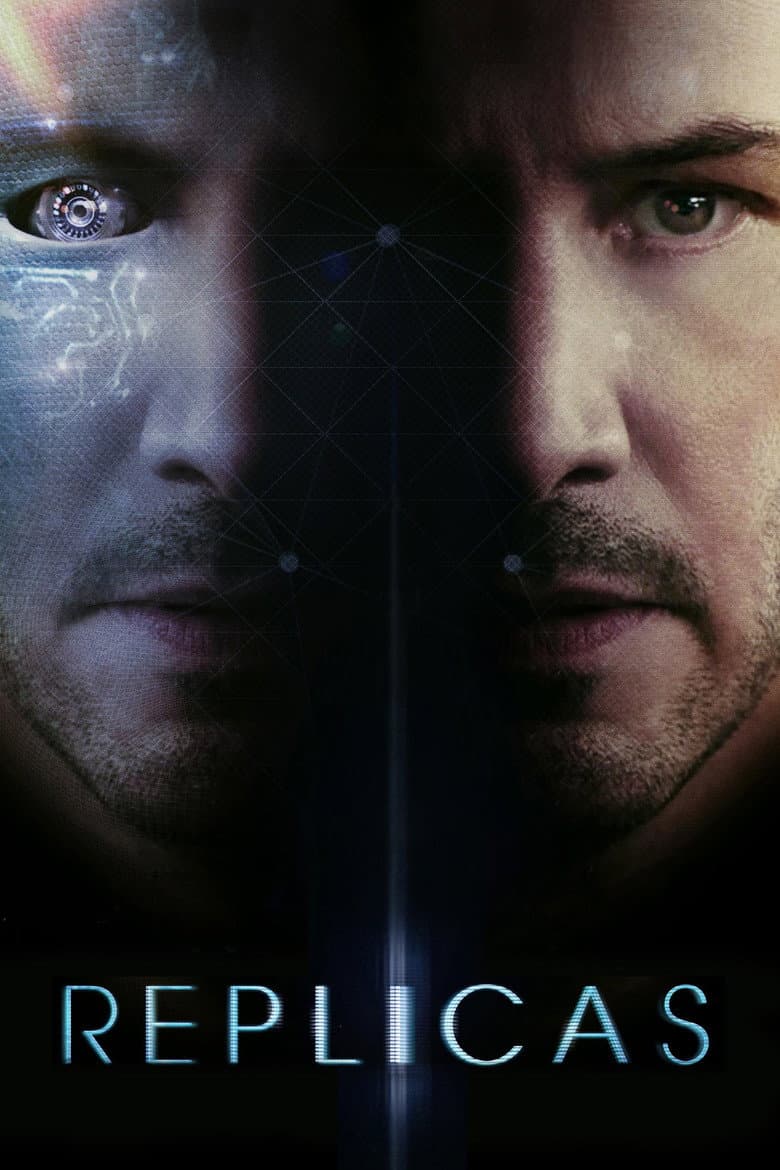
Movie · 2018
A scientist becomes obsessed with returning his family to normalcy after a terrible accident.
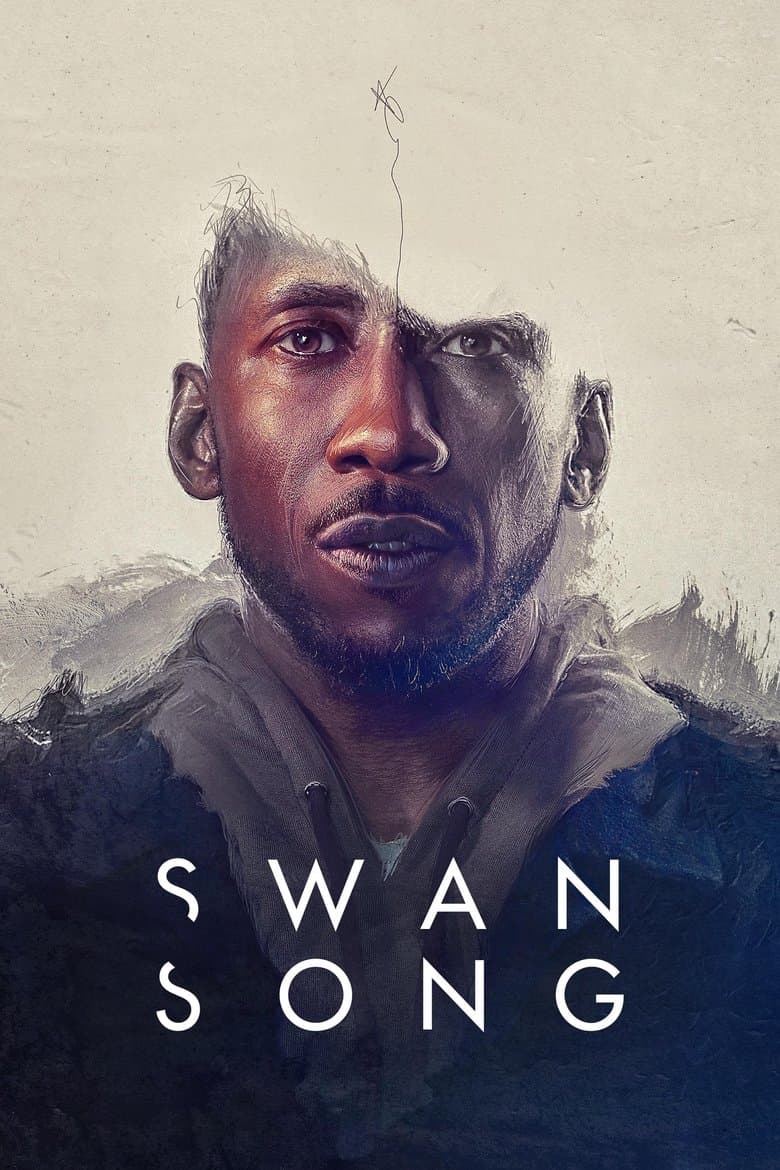
Movie · 2021
In the near future, Cameron Turner is diagnosed with a terminal illness. Presented with an experimental solution to shield his wife and son from grief, he grapples with altering…
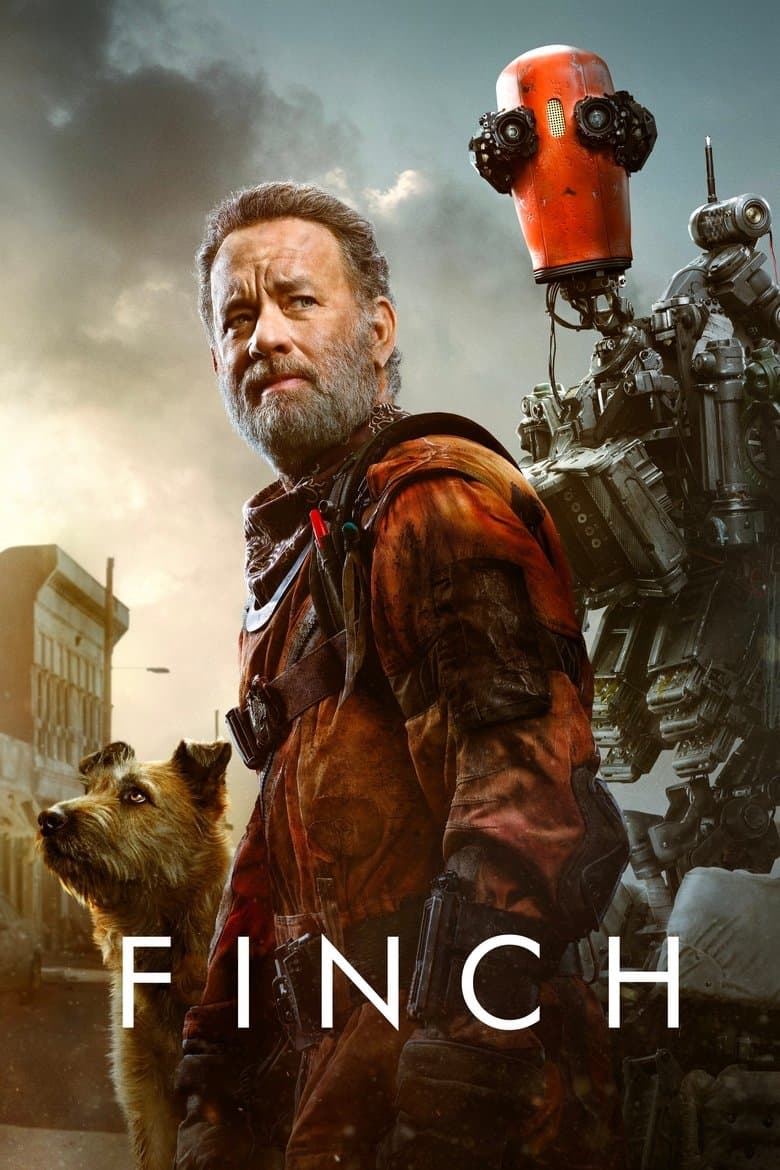
Movie · 2021
On a post-apocalyptic Earth, a robot, built to protect the life of his dying creator's beloved dog, learns about life, love, friendship, and what it means to be human.
Movie · 2020
A young NASA JPL scientist is abducted by extraterrestrials but when no one believes his story he becomes obsessed with finding proof which leads him on a journey of discovery.
