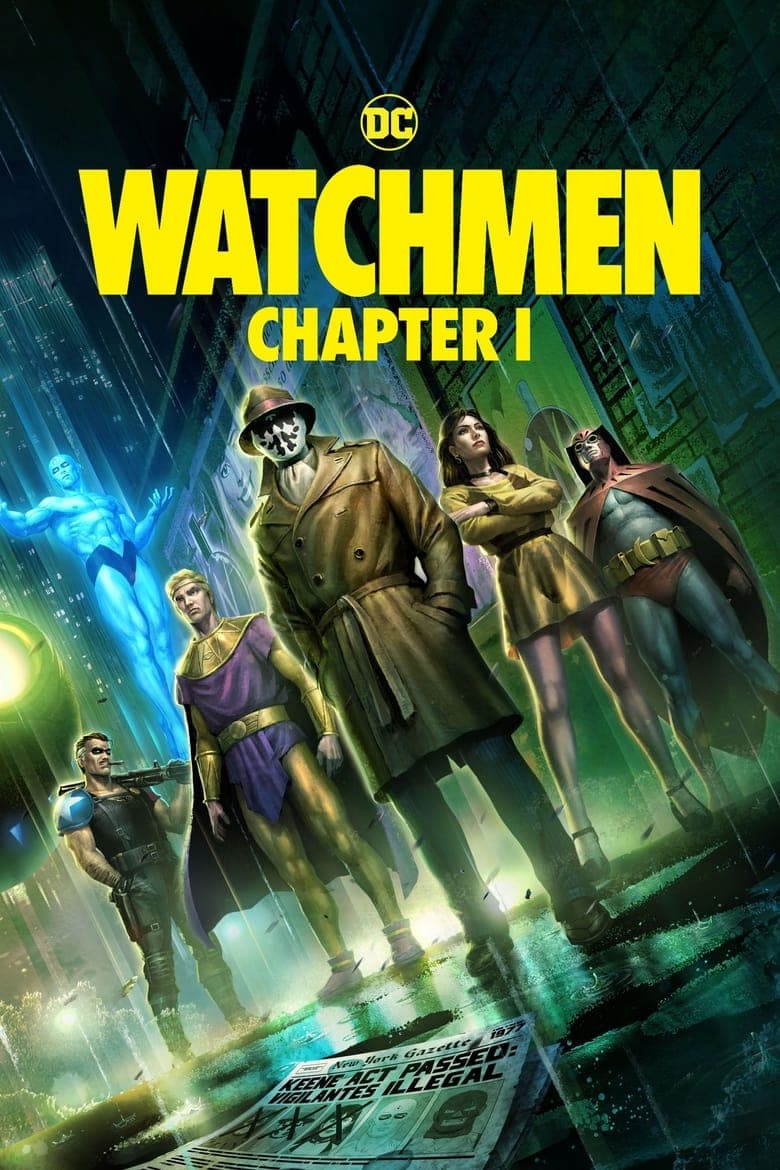
Watchmen: Chapter I follows Rorschach, a violent masked detective who believes former superheroes are being hunted. After the Comedian is thrown from a New York apartment, Rorschach warns Nite Owl, Silk Spectre, Doctor Manhattan, and Ozymandias about a hidden plan. The story takes place in an alternate 1985 where superheroes helped America win Vietnam and nuclear war may be close. The tone is dark, tense, and often disturbing, with murder, sexual violence, gore, and damaged people who call themselves heroes.
Several comic lines that show Rorschach's racist and anti-gay views are softened or removed, and a map label called “Black Unrest” is gone. These edits make the language less harsh, but they do not change his role or the main mystery. The movie keeps its focus on nuclear fear, government power, public lies, abuse of power, and the danger of men who claim the right to police others. Laurie’s strained relationship with Doctor Manhattan and her mother adds a personal story about control, pain, and feeling unable to live up to another person’s image.
Community feedback
Was our 7% Woke rating accurate?
Breakdown
These are the editorial factors and ratings behind our score for Watchmen: Chapter I.
Woke representation / casting
Not present. The main heroes keep the comic's mostly white character identities in an alternate 1985 America. The movie does not present its casting as a diversity statement.
0%
Woke political dialogue
Not present. The political talk concerns Vietnam, Nixon, nuclear war, government secrecy, and old fears about social change. Rorschach's mention of liberal affectations is a character's era-specific opinion, not a modern activist message.
0%
Identity-driven story themes
Not present. Laurie's family pain, the Comedian's abuse, and Rorschach's prejudice are part of character drama and source material. The film does not turn them into a modern race, gender, sexuality, or representation campaign.
0%
Western institutional / cultural critique
Not present. The movie questions government power, military action, and vigilante justice in an alternate Cold War world. It does not frame those conflicts as a current-day attack on patriarchy, Christianity, capitalism, or Western culture.
0%
Woke character or canon changes
The movie trims several comic lines that show Rorschach's racist and anti-gay views. The film also removes the map label “Black Unrest” from the source material. These edits soften the language but do not change his role or the main plot. The changes are a small modern sensitivity edit, not a new DEI version of the character.
10%
Anti-woke backlash and complaints
A few small online accounts asked whether the film would be DEI propaganda like the HBO series. Some fan posts called the removal of Rorschach's racist and anti-gay lines sanitization. Most audience discussion instead praised the film's faithfulness or criticized its animation and pacing. The available X reaction shows no large campaign or review-bombing drive.
12%
Creator track record context
Brandon Vietti has supported broader character diversity in earlier DC team stories, but his cached profile is mostly commercial animation. Dave Gibbons has older political satire but no recent identity-first pattern. The other cached creators have low scores and no documented activist focus. Current interviews frame this movie around comic accuracy, not representation.
15%
Production
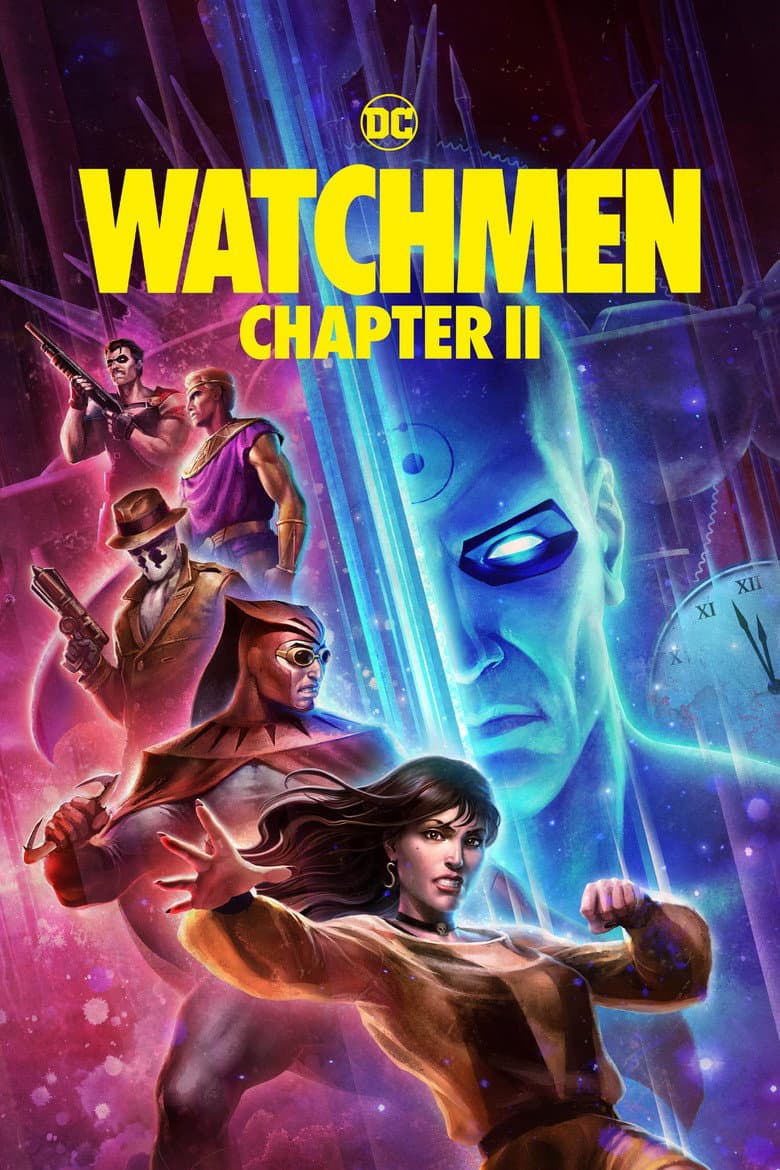
Movie · 2024
Suspicious of the events ensnaring their former colleagues, Nite Owl and Silk Spectre are spurred out of retirement to investigate.
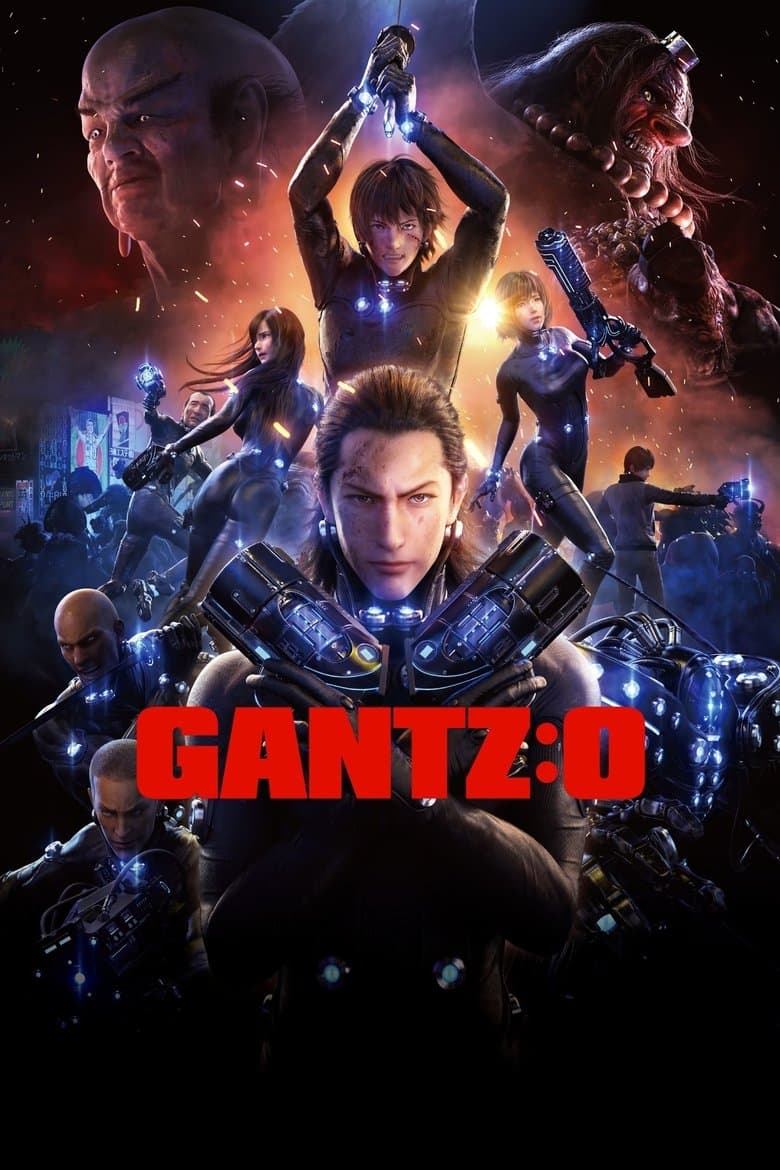
Movie · 2016
After being brutally murdered in a subway station, a teen boy awakens to find himself resurrected by a strange computer named Gantz, and forced to fight a large force of invading…
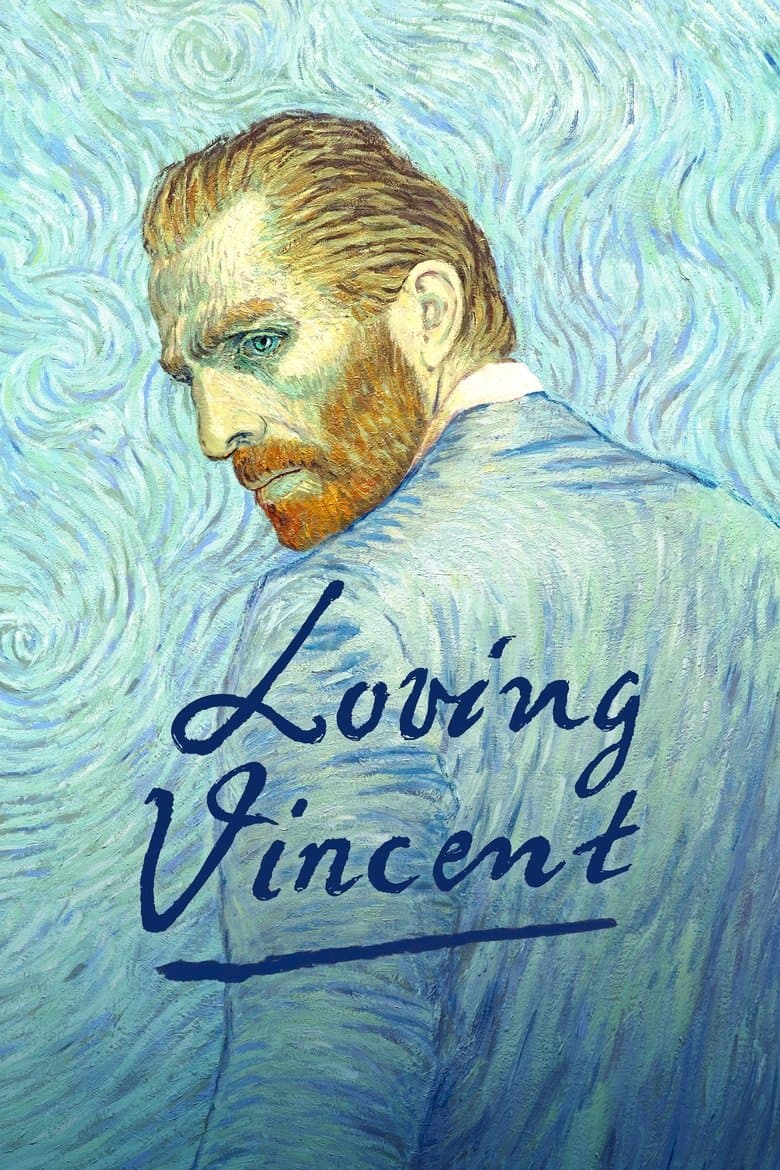
Movie · 2017
A young man arrives at the last hometown of painter Vincent van Gogh to deliver the troubled artist's final letter and ends up investigating his final days there.
Movie · 2022
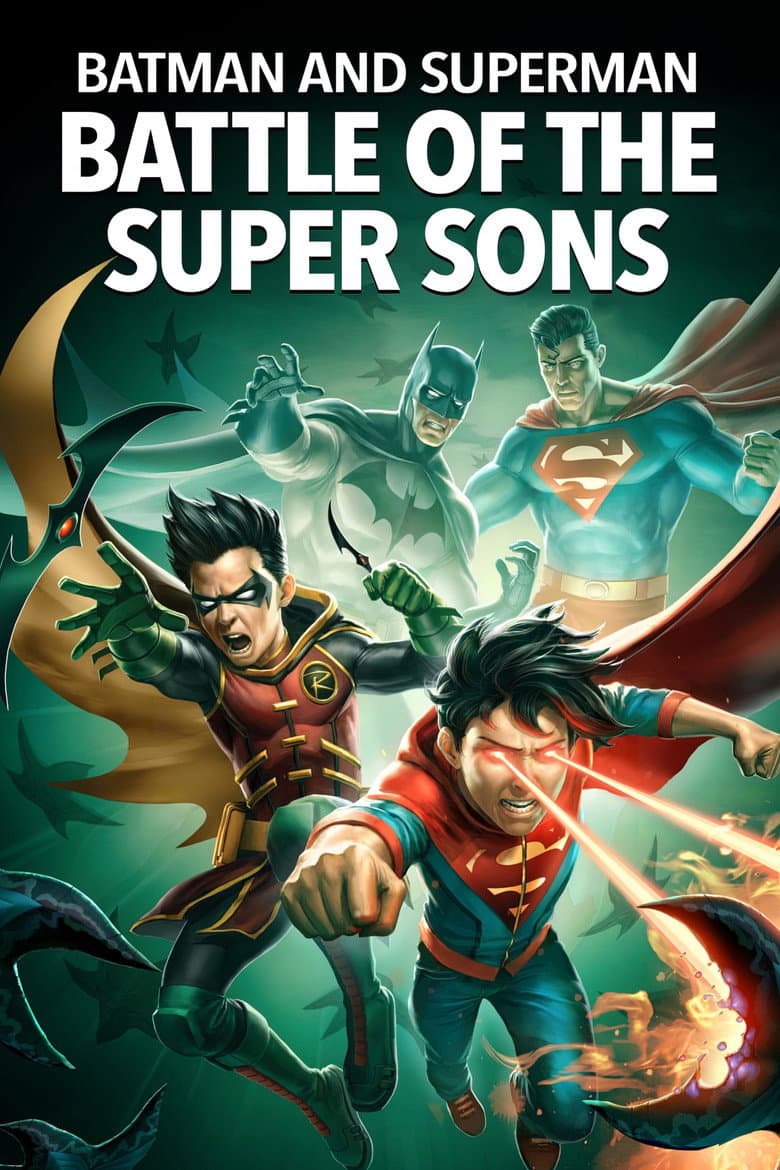
After discovering he has powers, 11-year-old Jonathan Kent and assassin-turned-Boy-Wonder Damian Wayne must join forces to rescue their fathers (Superman & Batman) and save the…
Movie · 2024
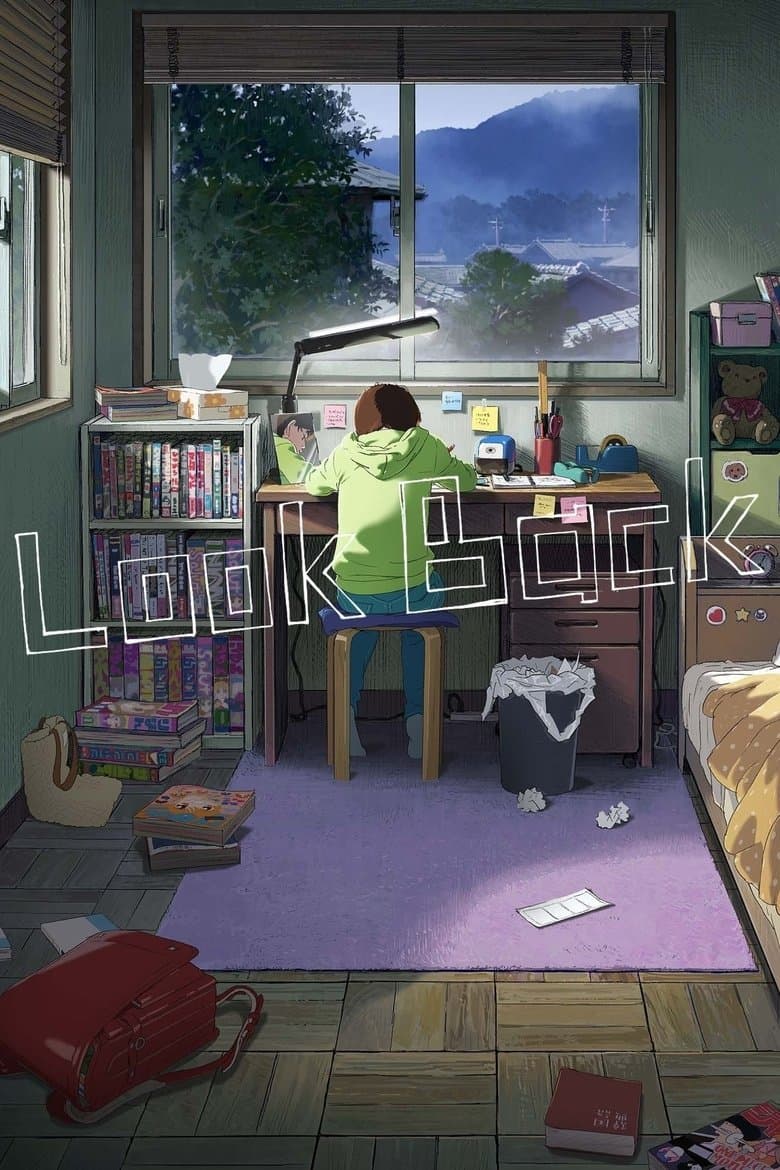
Popular, outgoing Fujino is celebrated by her classmates for her funny comics in the class newspaper. One day, her teacher asks her to share the space with Kyomoto, a truant…
Movie · 2021
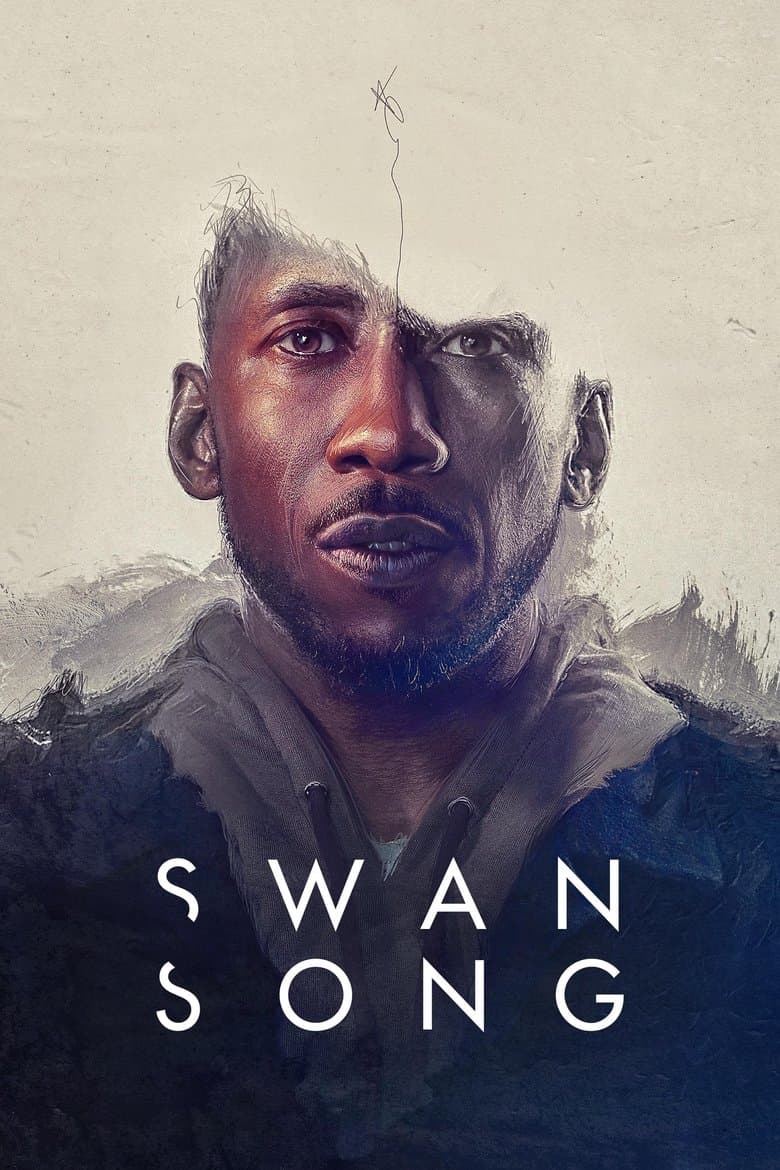
In the near future, Cameron Turner is diagnosed with a terminal illness. Presented with an experimental solution to shield his wife and son from grief, he grapples with altering…
Movie · 2017
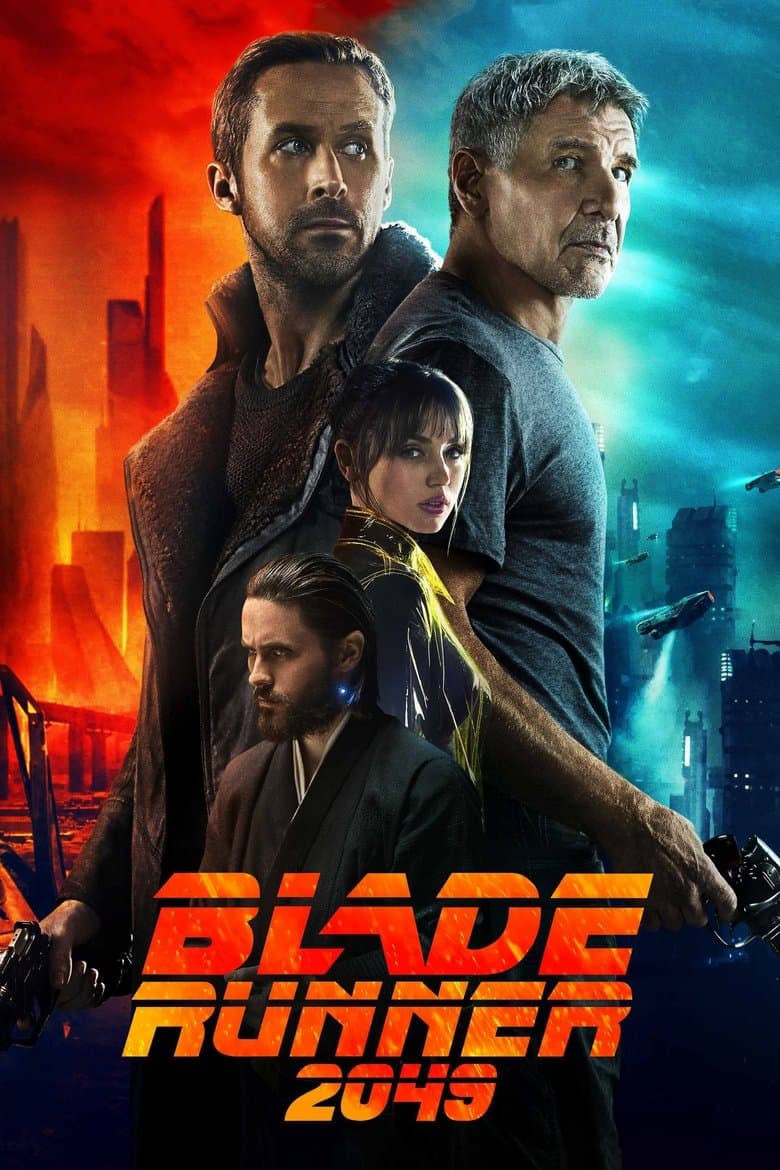
Thirty years after the events of the first film, a new blade runner, LAPD Officer K, unearths a long-buried secret that has the potential to plunge what's left of society into…
Movie · 2026
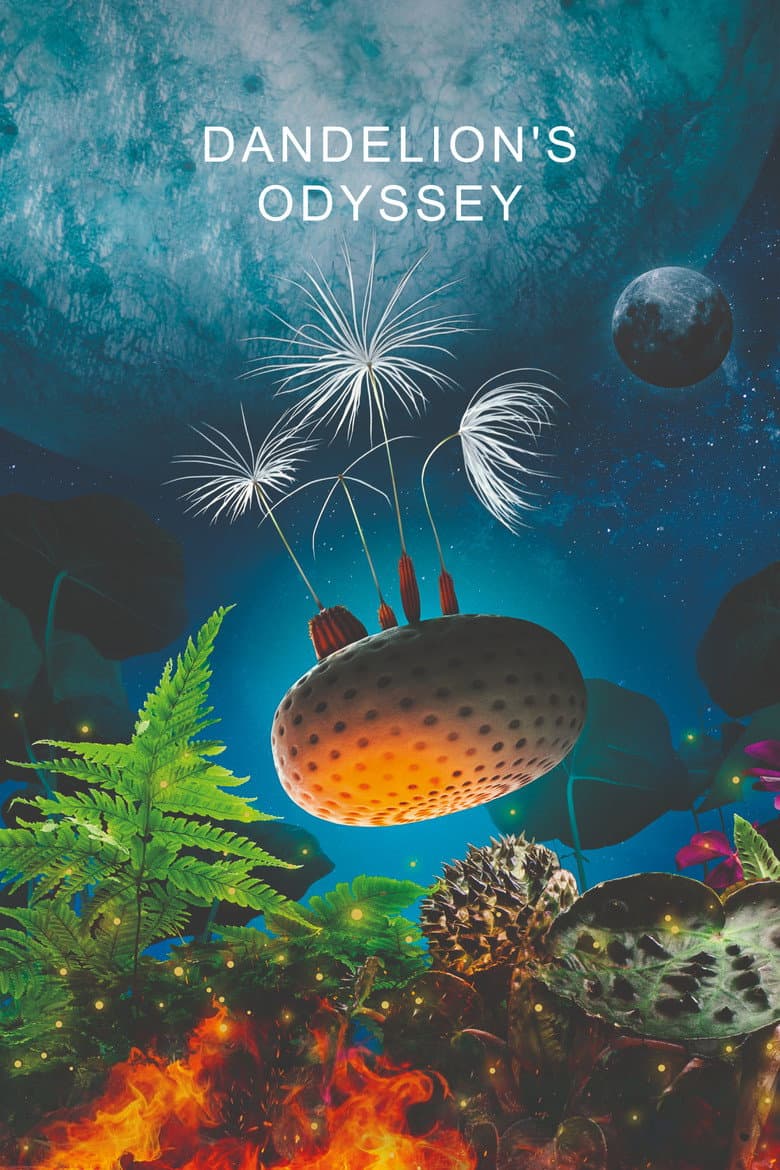
Two dandelion balls are the only survivors of a series of nuclear explosions that are destroying the Earth. At the end of their odyssey, they will find a new soil for the survival…
