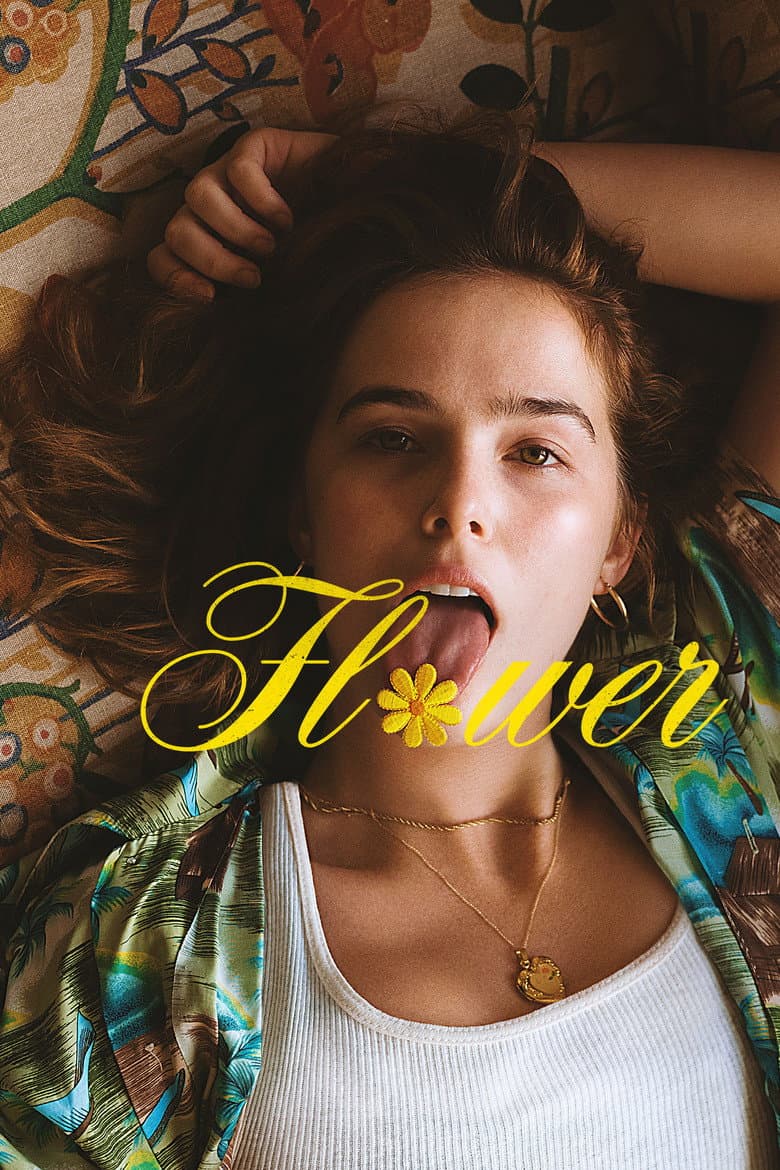
Flower follows Erica Vandross, a sharp and reckless 17-year-old who lives with her single mother in the San Fernando Valley. She and two friends seduce older men, record them, and demand money, partly to help Erica's jailed father. Her life changes when her mother's boyfriend moves in with his anxious son Luke, who has just left rehab. The story shifts from crude teen comedy to a darker tale about abuse claims, revenge, guilt, and a risky romance.
Erica treats sexual acts as a tool and calls her behavior freedom rather than shame. She turns her friends into a small vigilante team after Luke says a former teacher abused him, so the film makes female-led revenge and control over male sexuality central to its plot. The story also presents Erica as unusually bold and often more active than the men around her, while it mocks older ideas about how girls should behave. Its message is mixed because the film gives this behavior comic energy, then shows serious results, yet still lets Erica and Luke end in love.
Community feedback
Was our 47% Woke rating accurate?
Breakdown
These are the editorial factors and ratings behind our score for Flower.
Woke representation / casting
The film puts Erica and two female friends at the center of the action, while the main men are targets, family members, or troubled suspects. That female-heavy pattern fits Erica’s story and does not show a broad race or identity quota. A small extra signal comes from the film’s public framing as female-driven and from Winkler’s effort to reduce the male gaze.
12%
Woke political dialogue
Erica speaks about sexual choice as freedom and pushes back against shame around girls’ behavior. She also uses feminist-style language about male predators and the double standard for an unlikeable girl. These lines appear in several exchanges, but the film has no long political speech.
34%
Identity-driven story themes
Flower makes female agency and sexual control central to Erica’s character. Erica leads two female friends in repeated schemes against older men, then uses the same skills to punish a teacher accused of abusing Luke. The story asks viewers to question slut-shaming and old rules about how girls should behave. Serious consequences and Erica’s selfish motives keep the message mixed, but female empowerment drives the main plot.
58%
Western institutional / cultural critique
The film repeatedly shows older men trying to use or exploit a teenage girl, and it treats those men as targets for exposure. Erica also rejects the idea that a girl should be judged more harshly than a boy for sexual behavior. The story questions respectability rules and male power, but it does not make a broad attack on government, capitalism, religion, or Western institutions.
28%
Woke character or canon changes
Not relevant. Flower is an original screenplay, so it does not change established characters, canon, or a real historical story.
0%
Anti-woke backlash and complaints
One TheWrap review called the film a “morally repugnant social justice movie” and objected to its female revenge framing. That is a clear anti-social-justice complaint, but it is an isolated critic’s view rather than a large campaign. The supplied X pass found no anti-woke reaction, and broader audience posts focused on shock, plot, and mixed quality.
8%
Creator track record context
The cached record gives Max Winkler 19/100, Matt Spicer 12/100, and Alex McAulay 6/100. The producers and casting director also have low stored scores, with no strong long-term DEI or activist pattern. Flower’s female-empowerment and male-gaze framing comes mainly from this film and its interviews, not from a broad creator record.
14%
Production
Movie · 2018
In 1990s Los Angeles, a 13-year-old spends his summer navigating between a troubled home life and a crew of new friends he meets at a skate shop.
Movie · 2016
Two high school girls are best friends until one dates the other's older brother, who is totally his sister's nemesis.
Movie · 2025
Tenderly captures a year in the life of a family as the parents navigate their separation. Through both playful and heartfelt moments, the film portrays the bittersweet essence of…
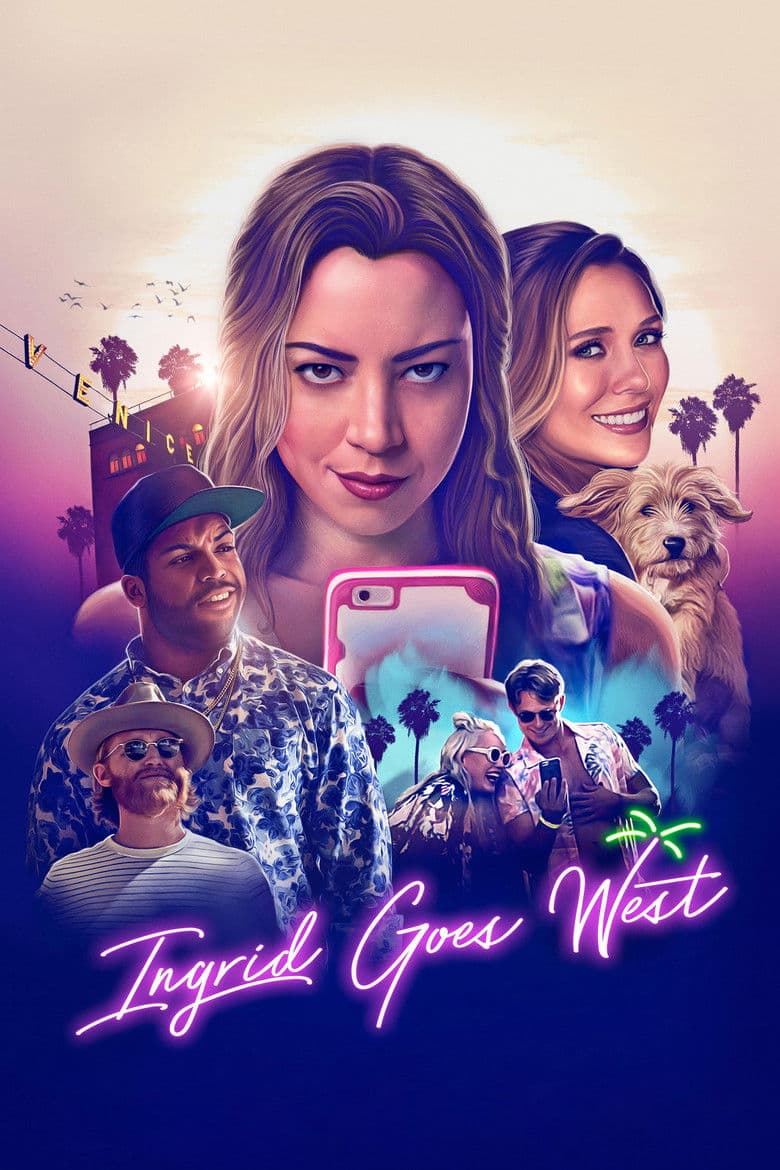
Movie · 2017
Ingrid becomes obsessed with a social network star named Taylor Sloane who seemingly has a perfect life. But when Ingrid decides to drop everything and move west to be Taylor's…
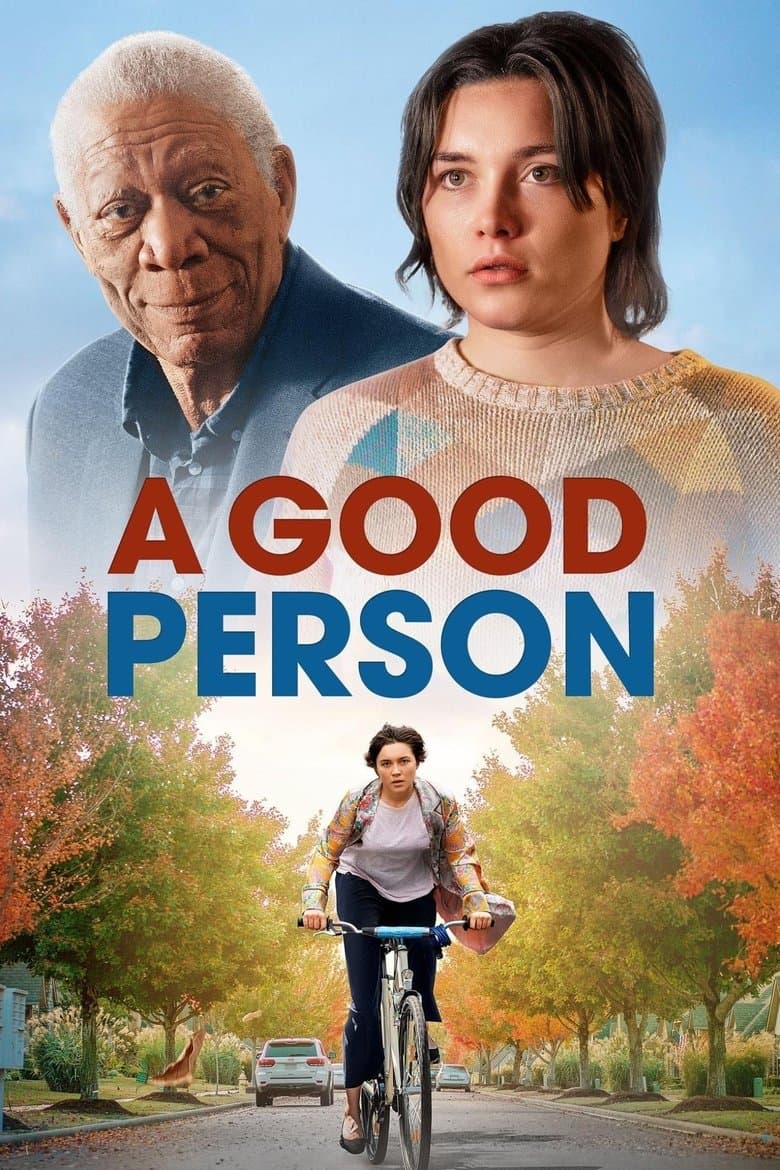
Movie · 2023
Allison's life falls apart following her involvement in a fatal accident. The unlikely relationship she forms with her would-be father-in-law helps her live a life worth living.
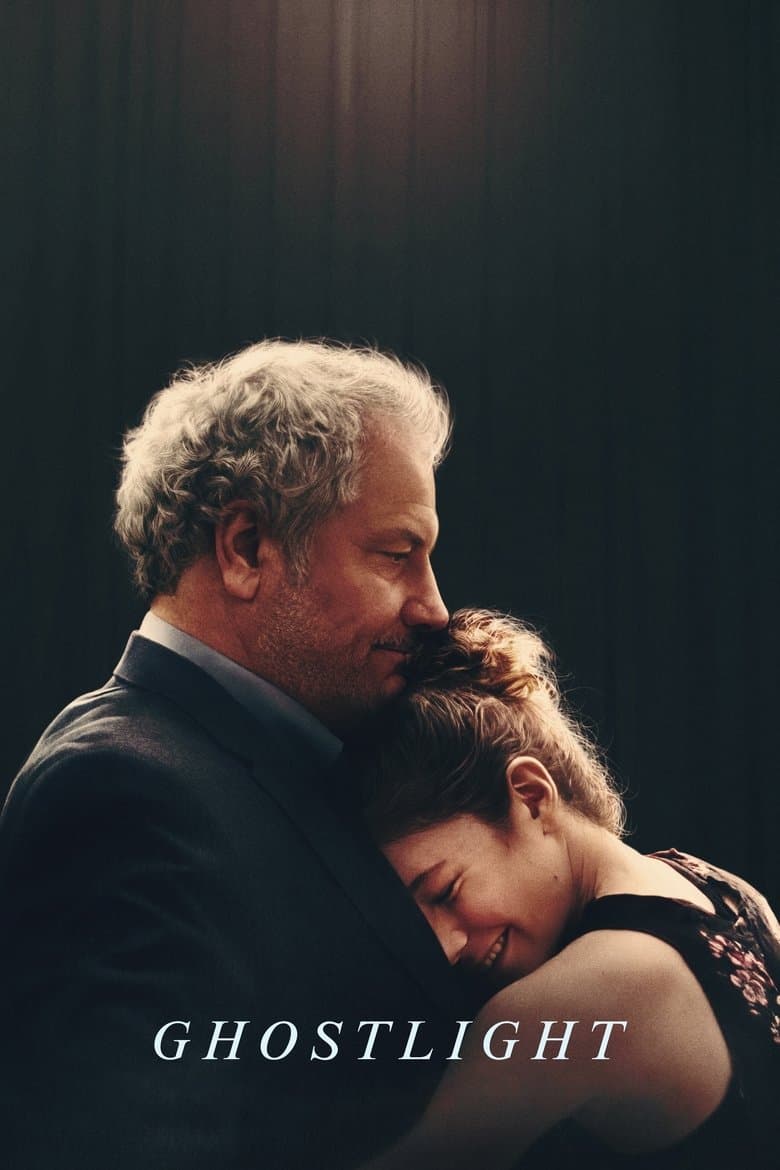
Movie · 2024
When a construction worker unexpectedly joins a local theater's production of Romeo and Juliet alongside his estranged teenage daughter, the drama onstage starts to mirror his own…
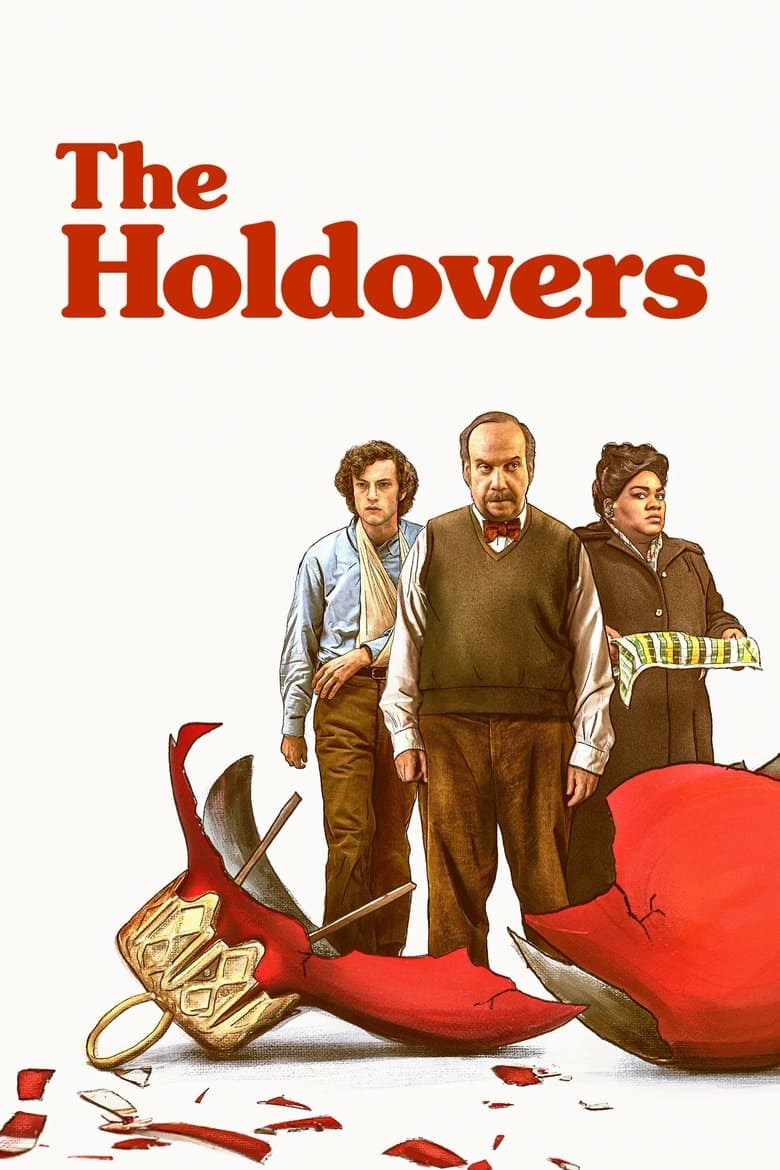
Movie · 2023
A curmudgeonly instructor at a New England prep school is forced to remain on campus during Christmas break to babysit the handful of students with nowhere to go.
Movie · 2019
A young Scottish singer, Rose-Lynn Harlan, dreams of making it as a country artist in Nashville after being released from prison.
