
Nadine Franklin is a sharp, self-loathing high school junior still hurting after her father’s death. Her life falls apart when her best friend Krista starts dating Nadine’s popular older brother Darian. She talks with her wry teacher Mr. Bruner, has a humiliating run-in with her crush Nick, and slowly opens up to sincere attention from awkward classmate Erwin Kim. The story focuses on grief, jealousy, depression, friendship, and learning that other people have inner lives too.
The film is not about identity politics or institutional activism. Talk stays personal, with family fights, friendship ultimatums, and self-hatred rather than activist slogans. Mental health and a girl’s point of view work as character drama, not race, gender, or queer identity messaging. There is no systemic attack on Western institutions as the film’s point. An Asian American romantic lead is part of the cast, but the story treats him as a full person rather than a token, and race is not made into a big deal on screen.
Community feedback
Was our 13% Woke rating accurate?
Breakdown
These are the editorial factors and ratings behind our score for The Edge of Seventeen.
Woke representation / casting
The movie shows a modern Portland-area high school with a mostly white main cast and an Asian American romantic lead written that way on purpose. That fit the setting and was not a one-of-each quota cast. Press called the role rare for Asian men as love interests. The creators stressed treating him as a full person, not a diversity label.
18%
Woke political dialogue
Not present. The talk is personal, about suicide jokes as a cry for help, family fights, friendship ultimatums, and self-hatred. There are no DEI, race, gender-ideology, or activist slogans.
0%
Identity-driven story themes
Not present. The story is about teen angst, grief, jealousy, and growing up. Mental health and a girl’s point of view are character drama, not race, gender, or queer identity politics.
0%
Western institutional / cultural critique
Not present. The film shows mother-daughter friction, sibling rivalry, and one entitled guy after a bad sexual misunderstanding. It does not attack patriarchy, Christianity, capitalism, or Western institutions as its point.
0%
Woke character or canon changes
Not relevant. This is an original screenplay. It is not an adaptation of the unrelated 1998 queer film that shares a similar title.
0%
Anti-woke backlash and complaints
Not present. There was no major right-leaning or anti-woke campaign treating the movie as woke or DEI propaganda. Reception was mainstream critical praise, not culture-war controversy.
0%
Creator track record context
Writer-director Kelly Fremon Craig focuses on personal emotional storytelling with low activism. Key Gracie producers include James L. Brooks, a major Democratic donor with later representation moves on The Simpsons, and Julie Ansell, with strong LGBTQ and immigration-drama advocacy. Milder progressive signals come from other producers, while most of the rest are low.
20%
Production
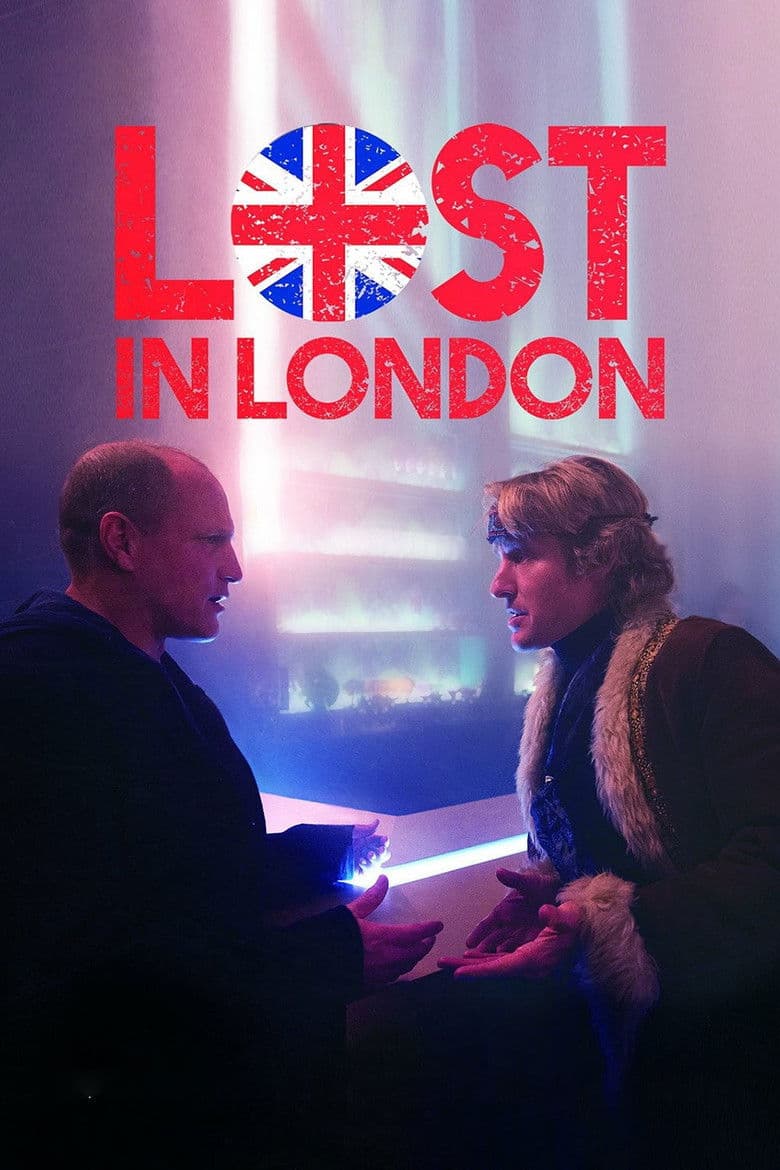
Movie · 2017
Within the course of a night, Woody Harrelson finds himself in a misadventure in London that winds him up in prison.
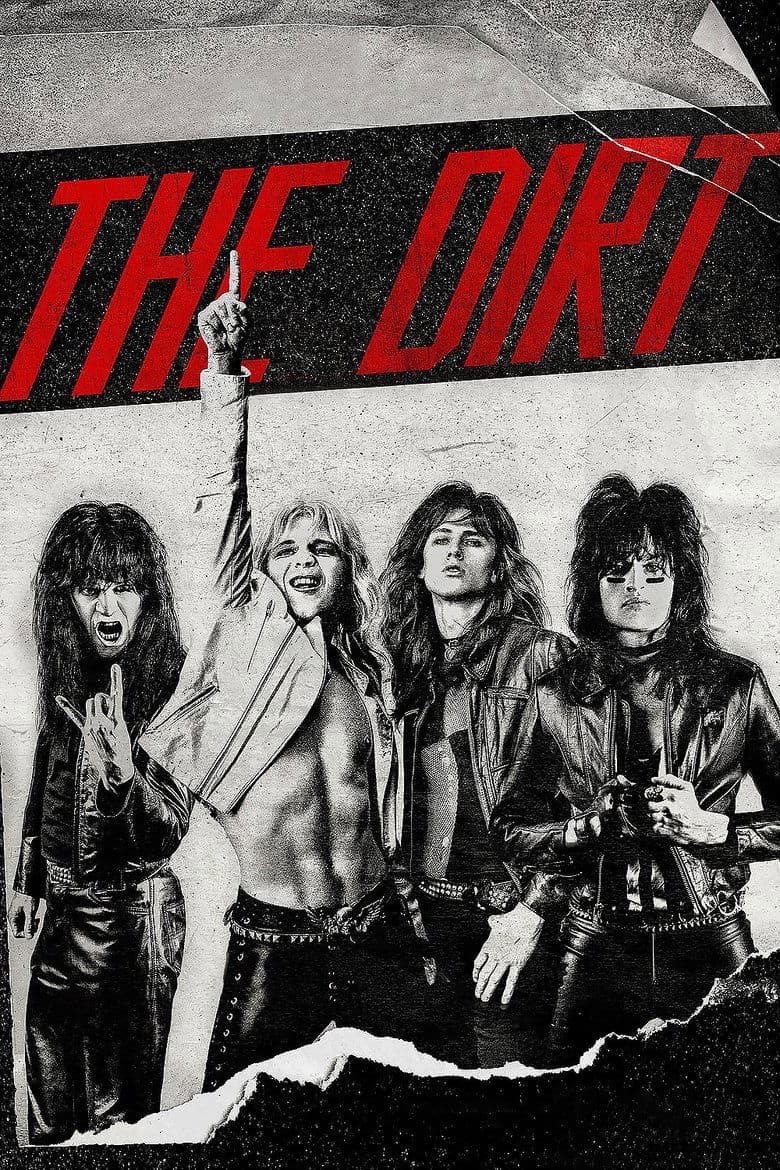
Movie · 2019
The story of Mötley Crüe and their rise from the Sunset Strip club scene of the early 1980s to superstardom.

Movie · 2018
Vignettes weaving together the stories of six individuals in the old West at the end of the Civil War. Following the tales of a sharp-shooting songster, a wannabe bank robber, two…

Movie · 2020
Four stagnant high school teachers decide to test out a theory that maintaining a constant level of intoxication will improve their overall lives.
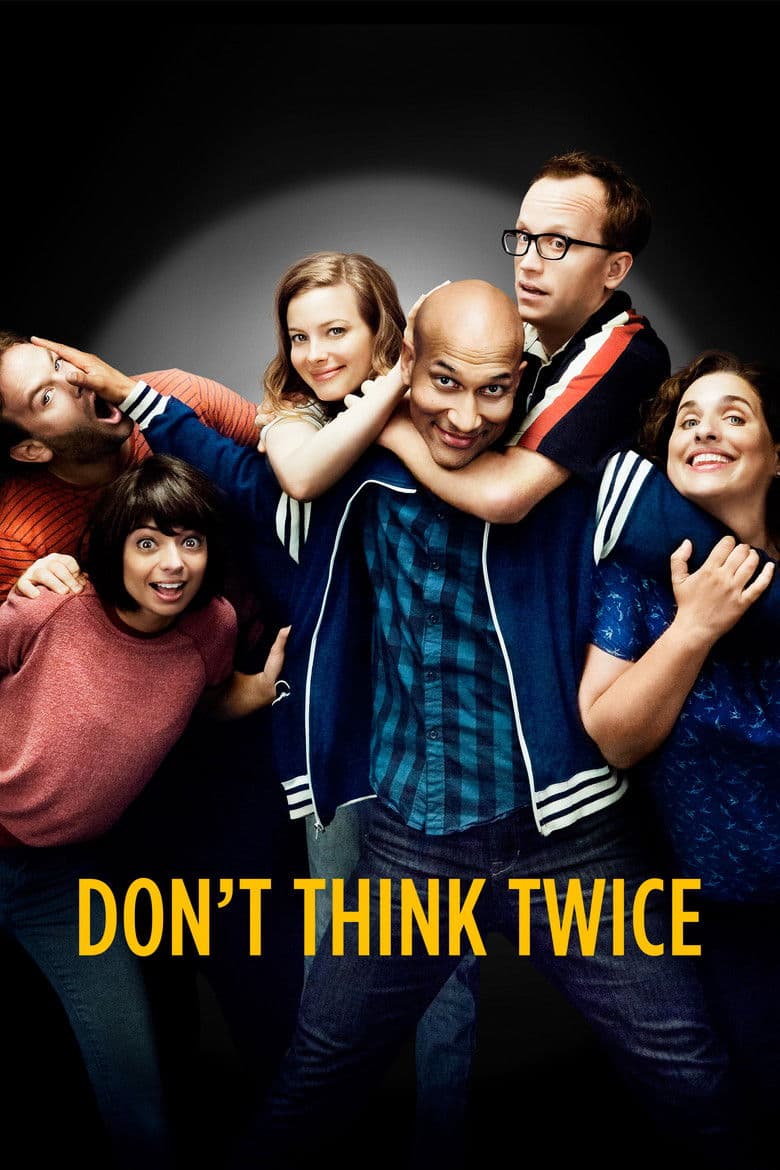
Movie · 2016
An improv group deals with several crises, including the loss of their lease and one member hitting the big time.
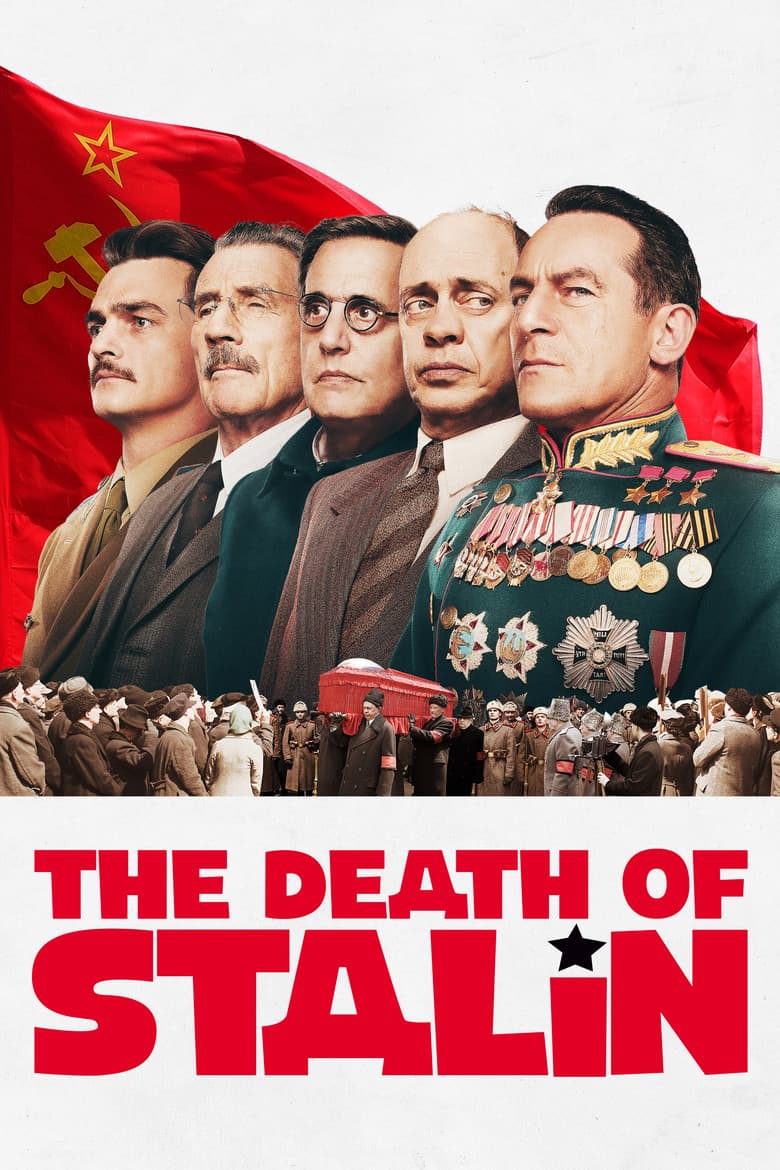
Movie · 2017
When dictator Joseph Stalin dies, his parasitic cronies square off in a frantic power struggle to become the next Soviet leader.
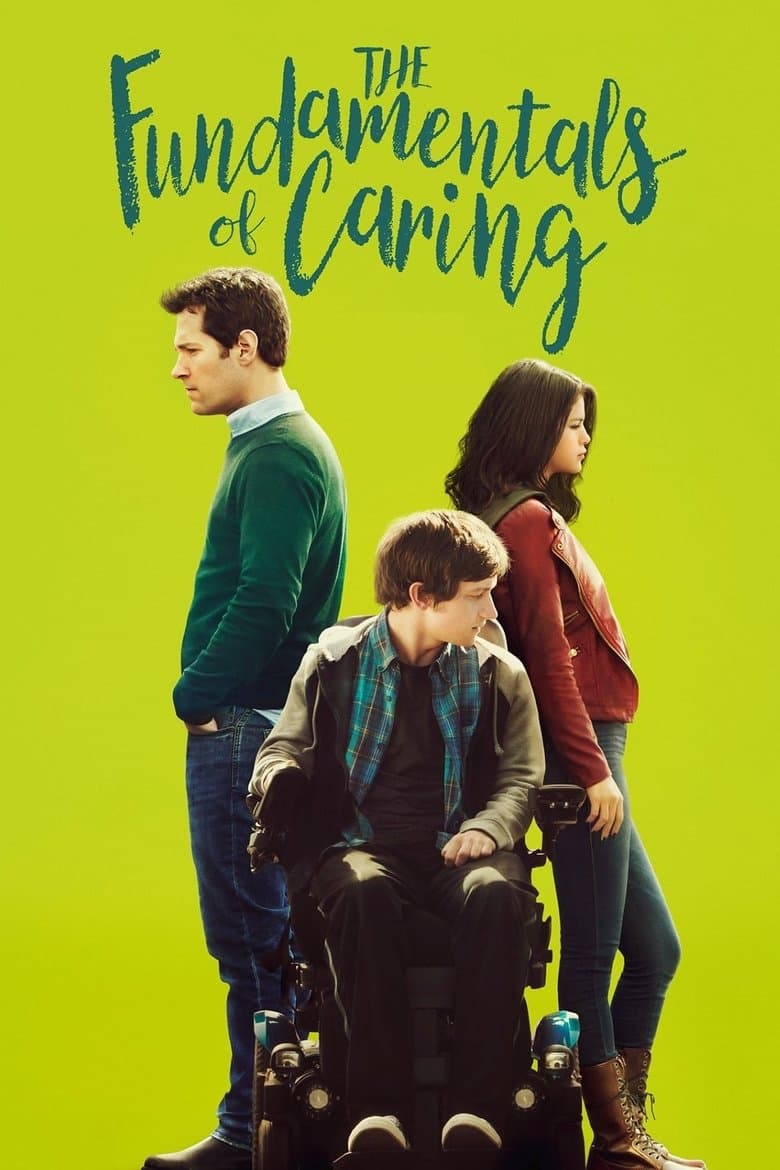
Movie · 2016
Having suffered a tragedy, Ben becomes a caregiver to earn money. His first client, Trevor, is a hilarious 18-year-old with muscular dystrophy.
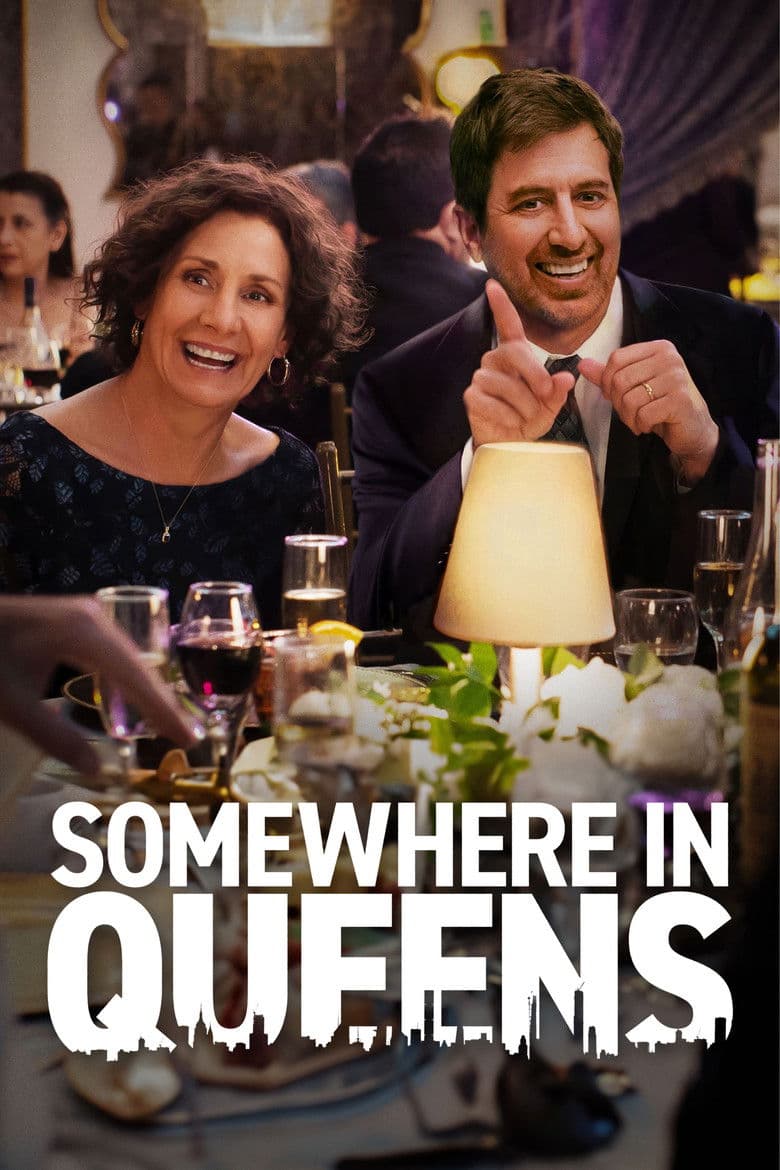
Movie · 2023
Leo and Angela Russo live a simple life in Queens, surrounded by their overbearing Italian-American family. When their son finds success on his high school basketball team, Leo…
